On certain winter afternoons in Kolkata, when the light turns the colour of old newspapers and tram wires hum faintly over near empty streets, the city begins to resemble one of Anik Dutta’s films.A tea stall radio crackles with an old song. A retired communist argues about cinema beneath fading political graffiti. Somewhere, a promoter’s hammer rises over another collapsing balcony while a group of Bengalis mourn the city they themselves are steadily dismantling. No contemporary filmmaker understood the tragic comedy of this city better than Anik Dutta. And perhaps no filmmaker held a mirror more mischievously to Bengali nostalgia.Anik, who passed away on May 27 in Kolkata, belonged to a rare species of Bengali artist: one who loved Kolkata deeply enough to mock it relentlessly. His films were crowded with ghosts both literal and metaphorical but beneath the satire lay an aching tenderness for the city.
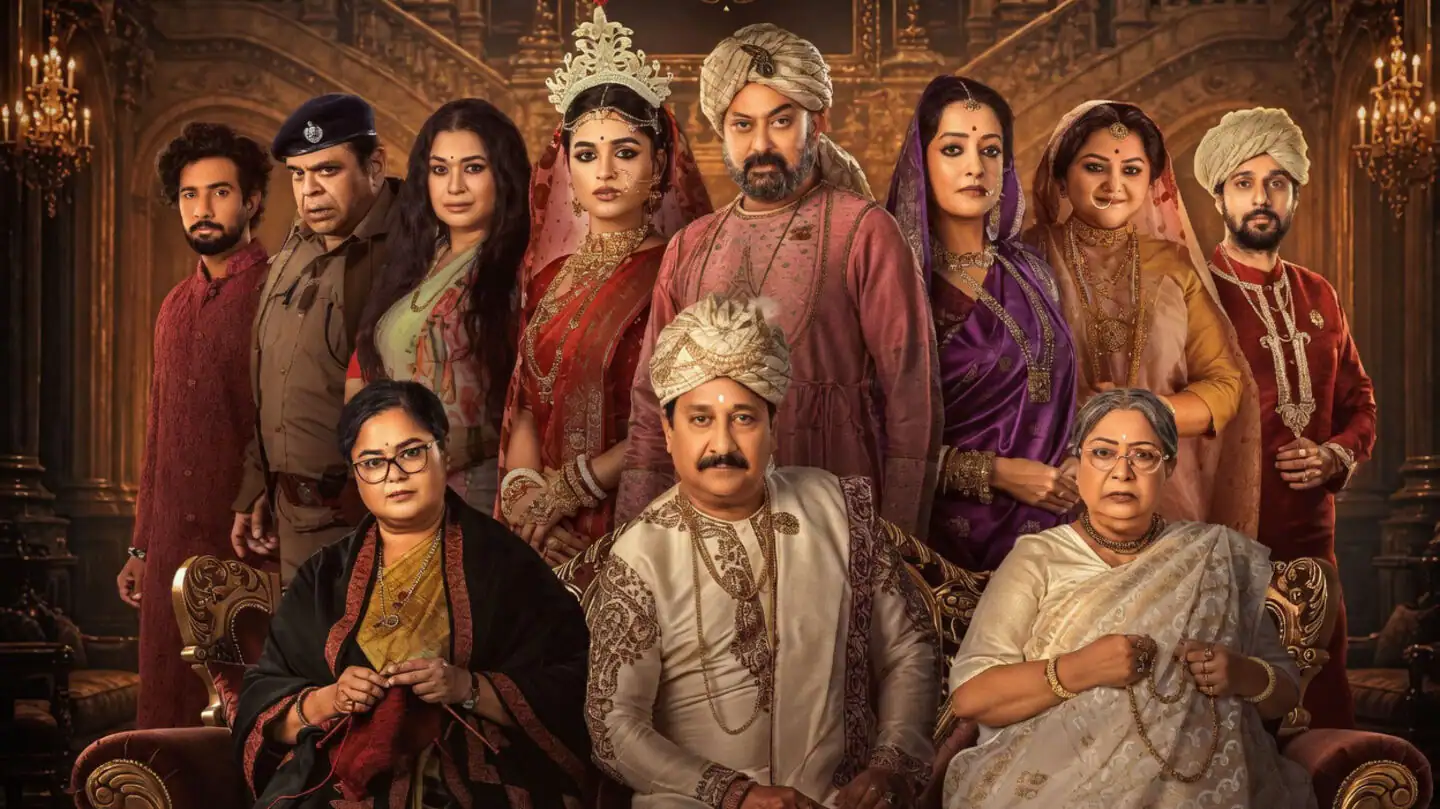
A collage of Anik’s films’ posters.
| Photo Credit:
Anik Dutta / Facebook
When Bhooter Bhabishyat released in 2012, Bengali cinema changed almost overnight. Here was a film that could be wildly entertaining while still politically observant, culturally self aware and unmistakably local. It spoke in the language of Kolkata addas, para politics, inherited anxieties and middle class melancholy. It ridiculed Bengali nostalgia while simultaneously becoming one of its greatest cinematic monuments.Its ghosts or colonial sahibs, forgotten theatre artistes, decaying aristocrats and modern urban casualties were less supernatural entities than citizens abandoned by time.In hindsight, the film feels almost prophetic. Kolkata itself had become haunted: by vanished grandeur, by cultural insecurity, by old intellectual confidence curdling into endless remembrance. Anik understood this before most others did.A filmmaker who made words lingerIn Bengali cinema, where realism often arrived wearing solemnity, Anik brought back wit, theatricality and velocity. His films moved through sharp, layered conversations and deeply referential dialogue that audiences carried back into their daily lives.Professor Sanjoy Mukhopadhyay, former Head, Department of Film Studies, Jadavpur University believes this was central to the late filmmaker’s appeal. “When we recall Anik’s films,” he says, “what we remember most are his dialogues perhaps more than the images. Bengal has a very strong oral tradition. Anik understood that. In an industry obsessed with nostalgia, he intentionally pointed toward the cultural failures of contemporary Bengal. That was his greatest achievement,” he notes.