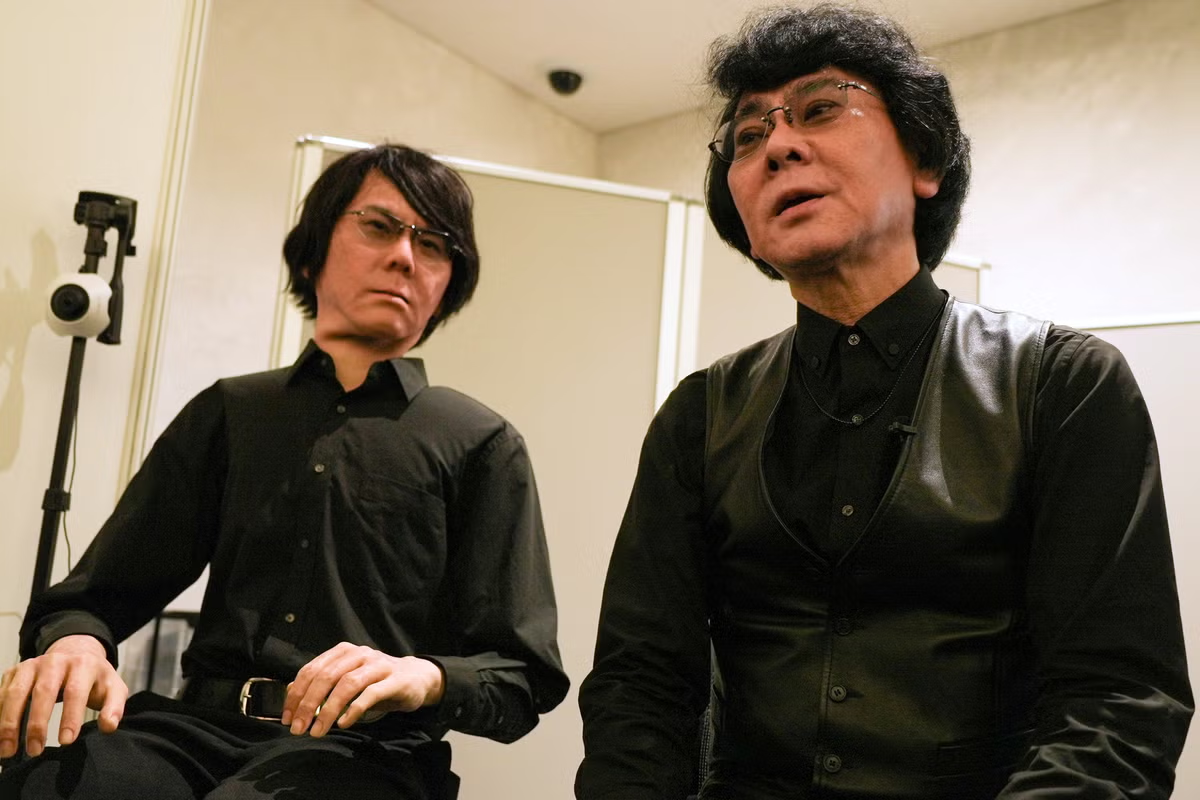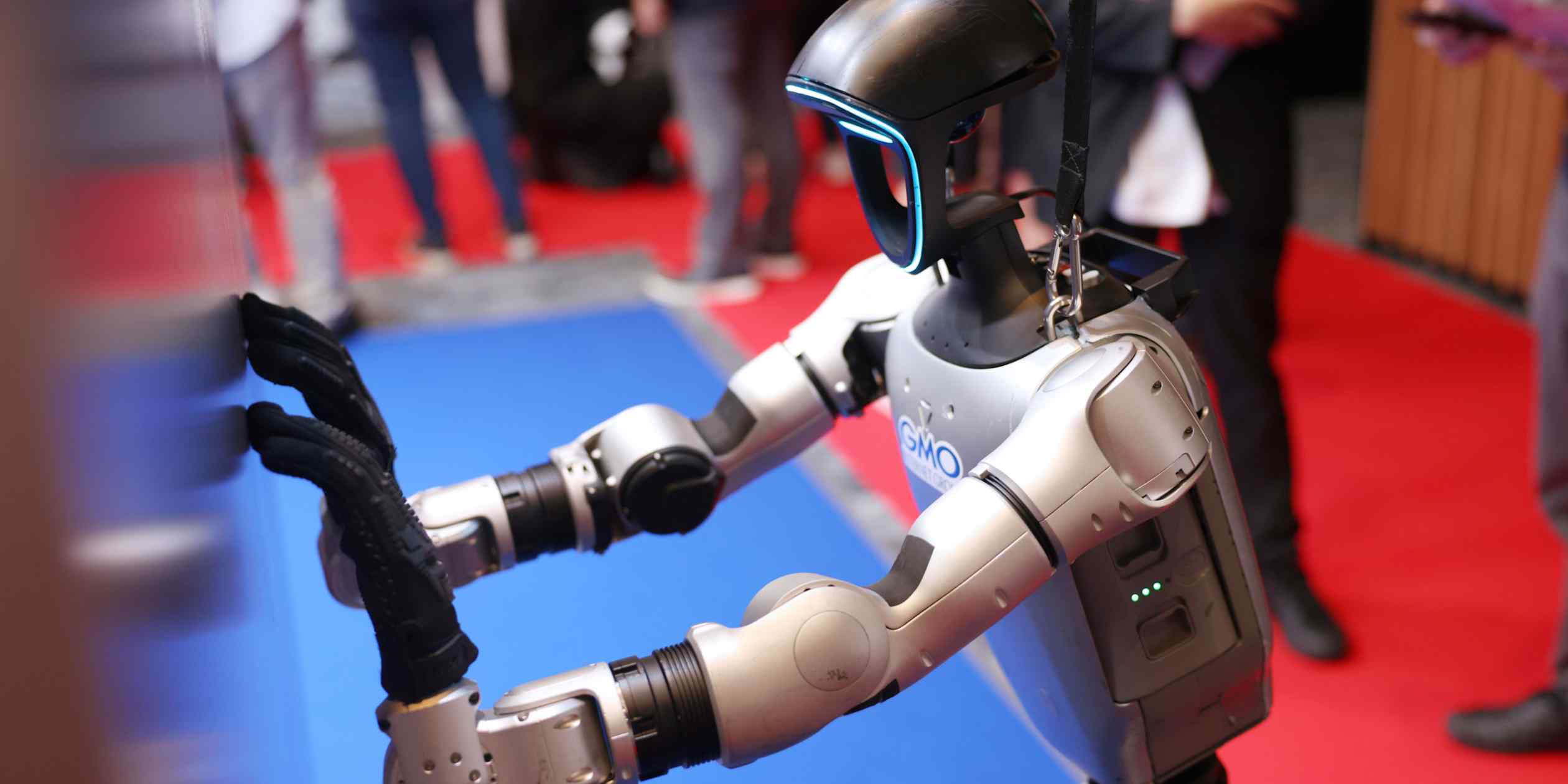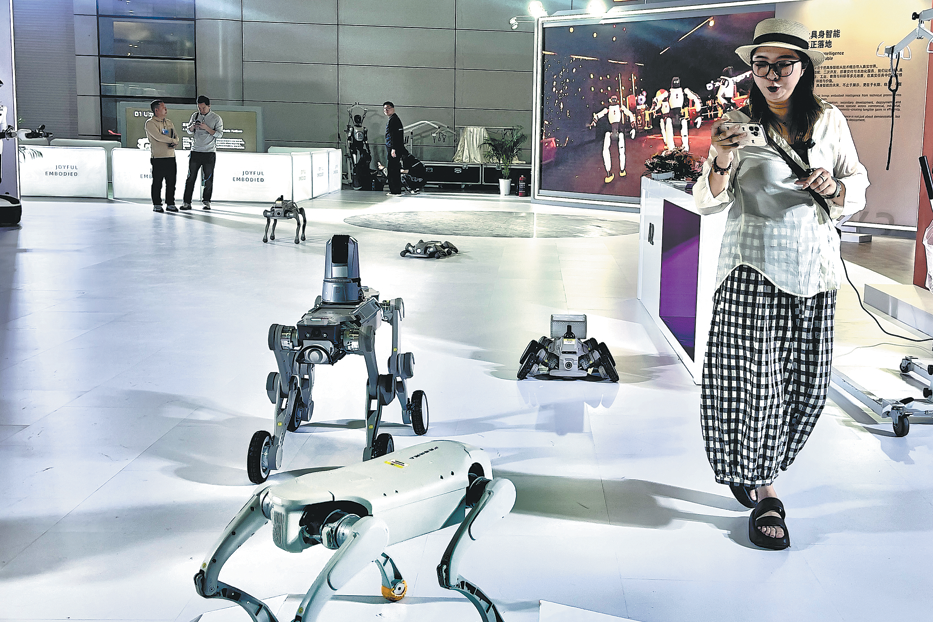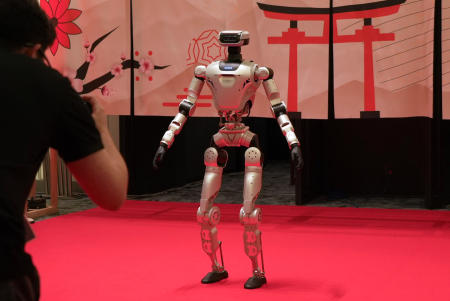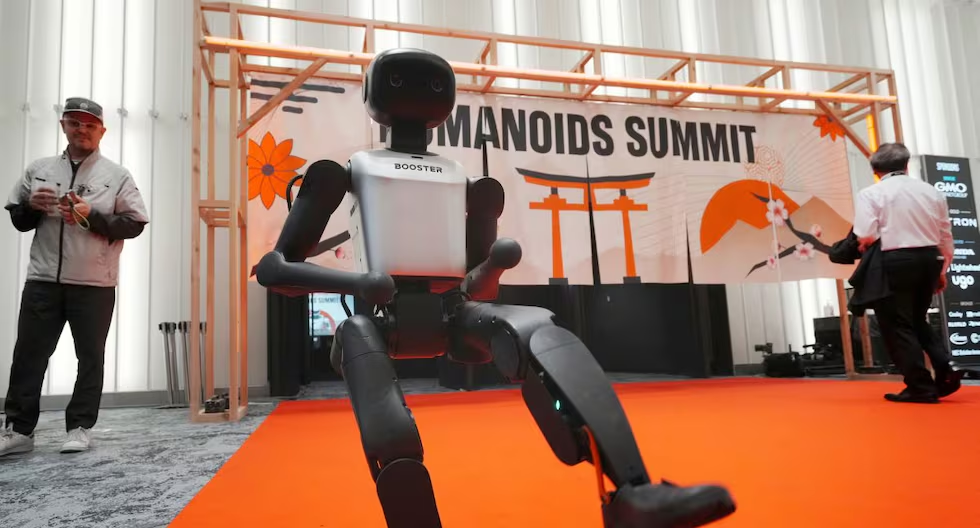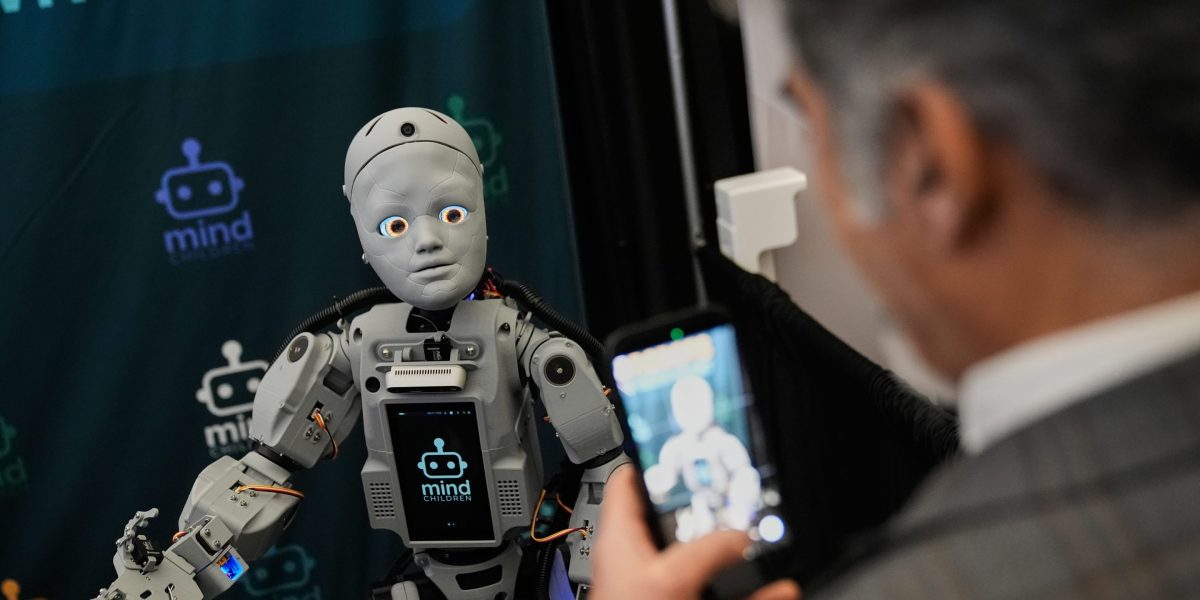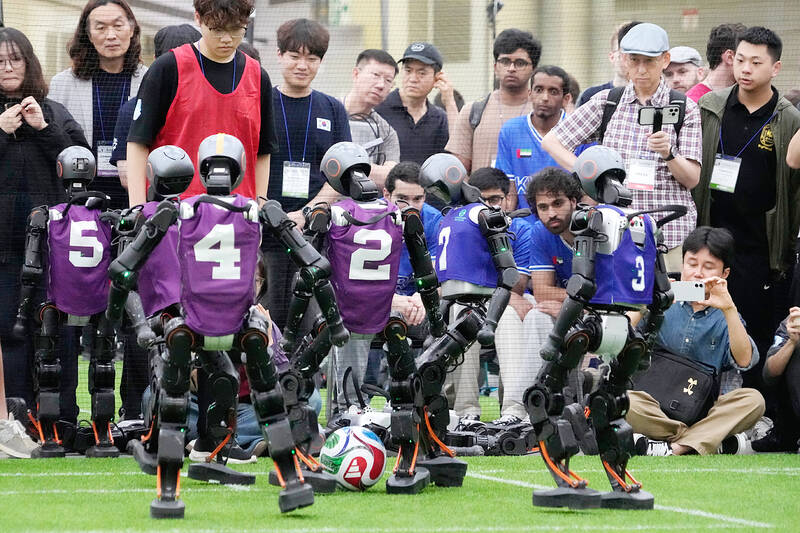
Mechanical hands dexterous enough to thread a needle, childlike dancing robots and adult-sized ones to help with deliveries were on display Thursday as the Humanoids Summit Tokyo opened.
Among the dozens of companies taking part, including well-known players like Boston Dynamics and Toyota Motor Corp., the big stars now were clearly the Chinese.
Chinese newcomers, like Booster Robotics and LimX Dynamics, took the technology initially developed in Japan and the U.S. and fine-tuned it, often for cheaper mass production. It’s a repeat of what happened in other Japanese industries, from consumer electronics to cellphones and electric vehicles. In humanoids, Japan was initially ahead but then failed to produce major commercial solutions.
Tim Hornyuk, author of “Loving the Machine: The Art and Science of Japanese Robots,” who was at the event, categorized it as the so-called “Galapagos syndrome,” referring to how innovative Japanese products evolve in isolation and end up not translating for the international market.
“I really hope that Japan can come up with a Ford Model T-version of humanoid roots. But I think China has already stolen their lunch. It’s a bit too little too late,” he said.