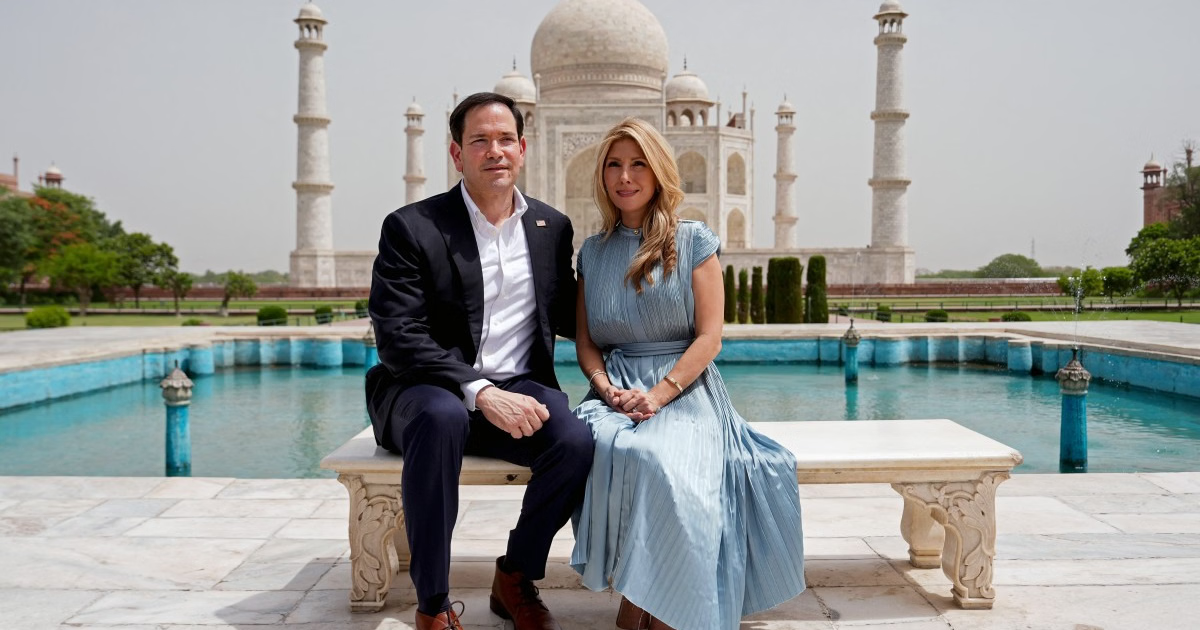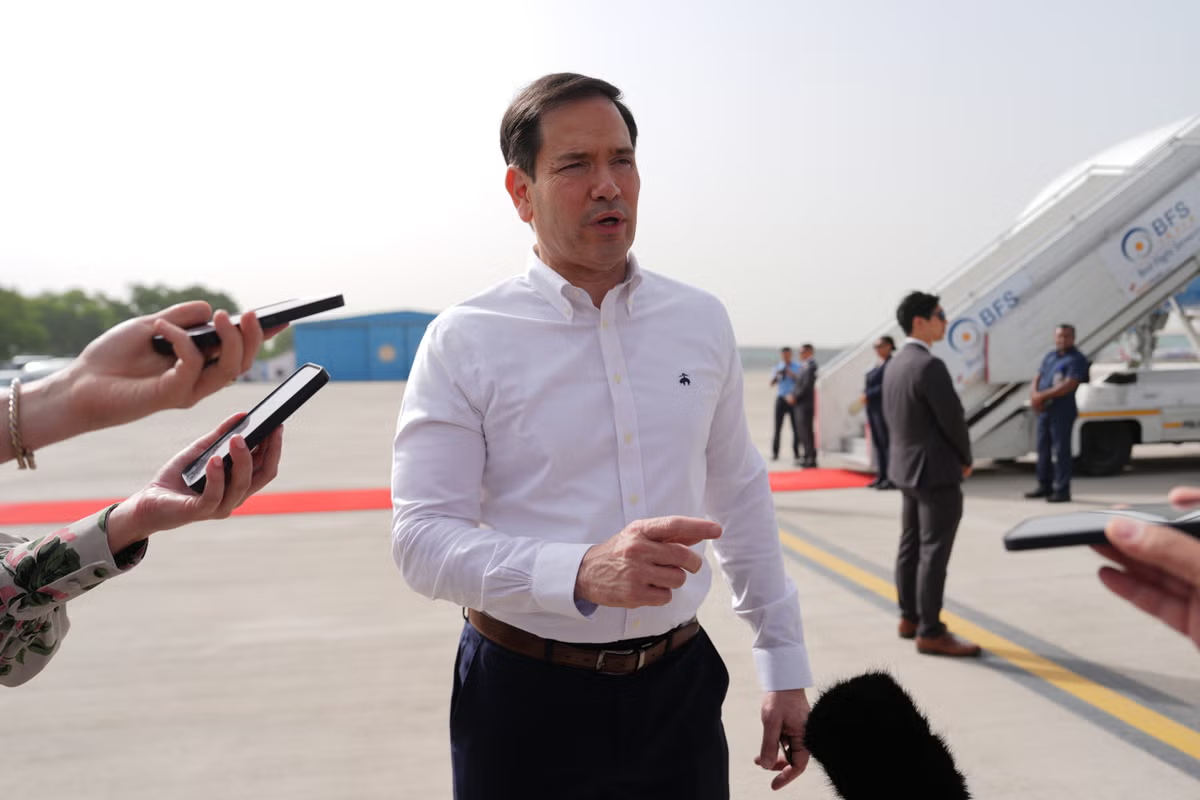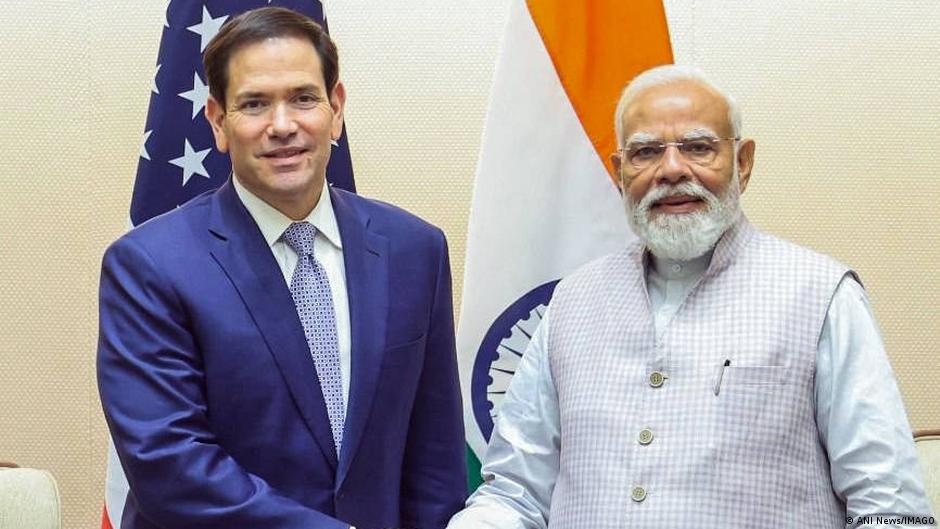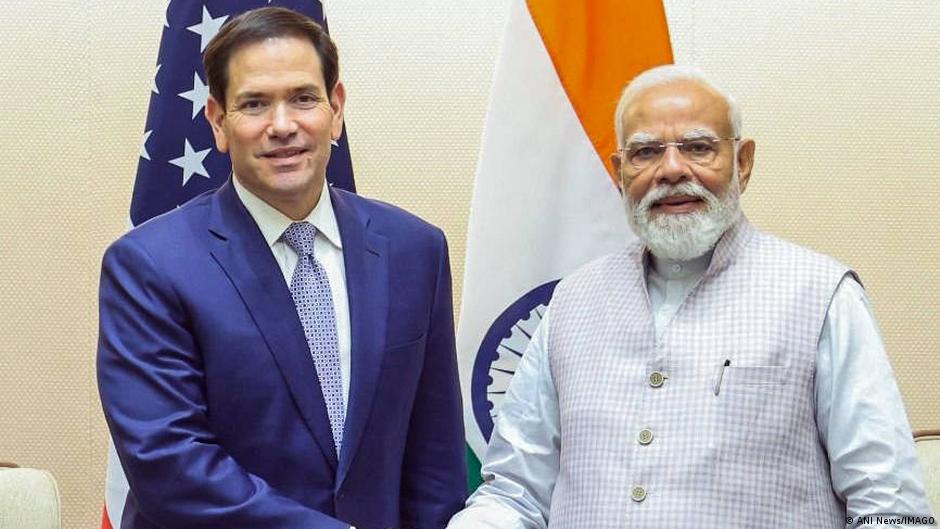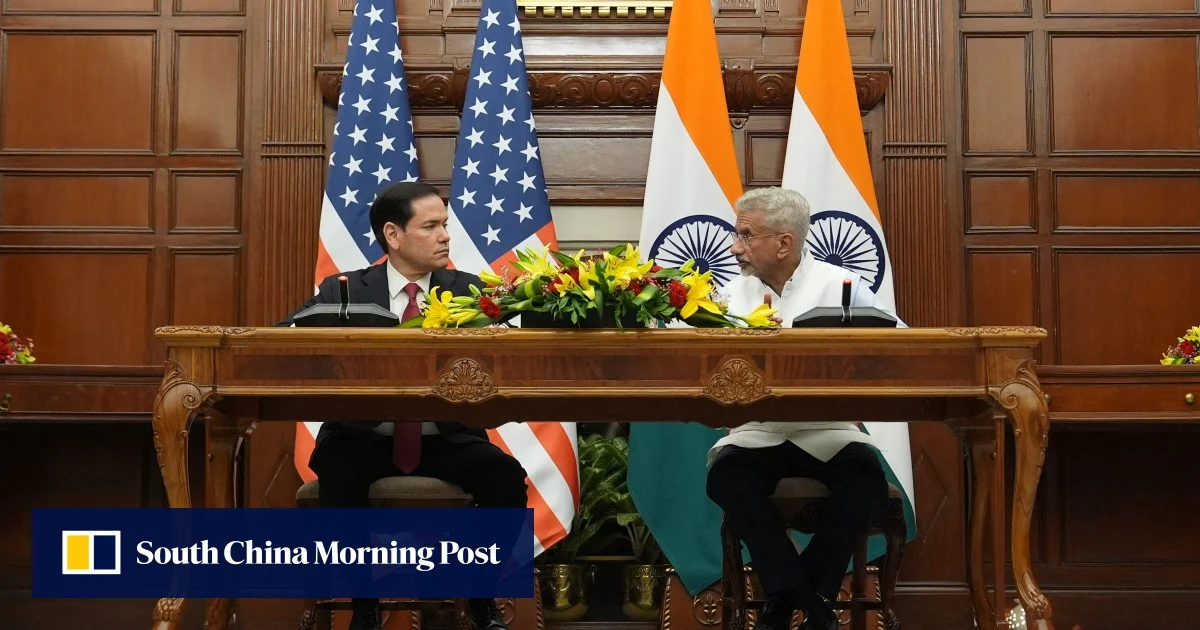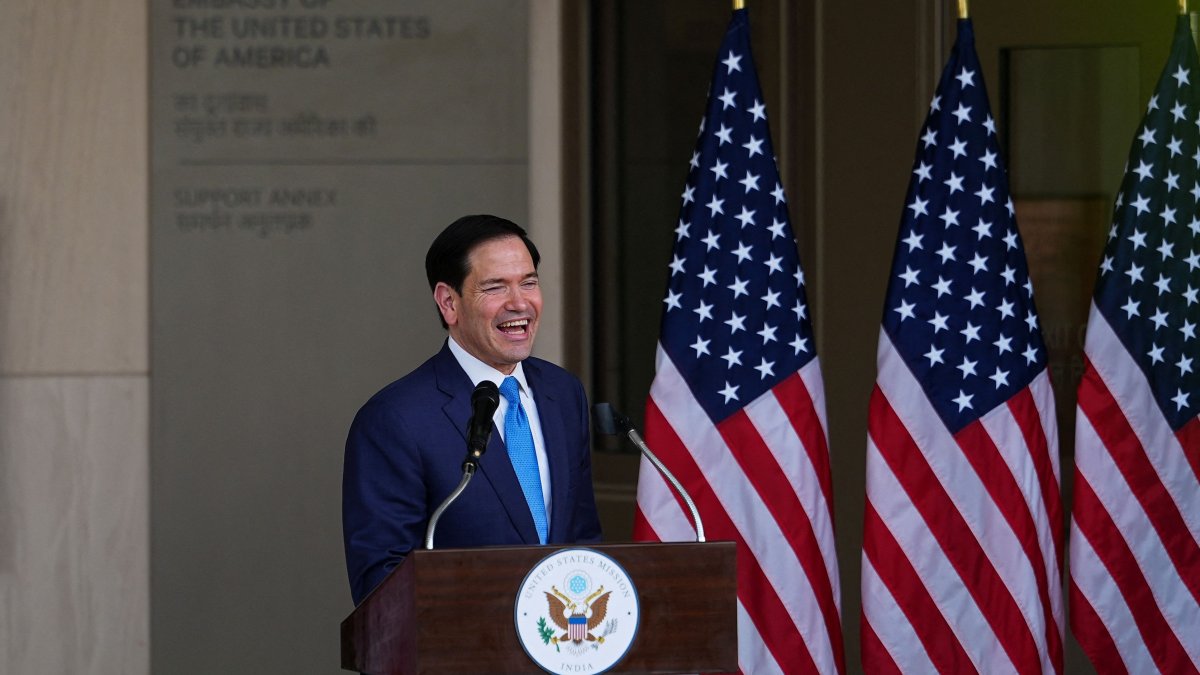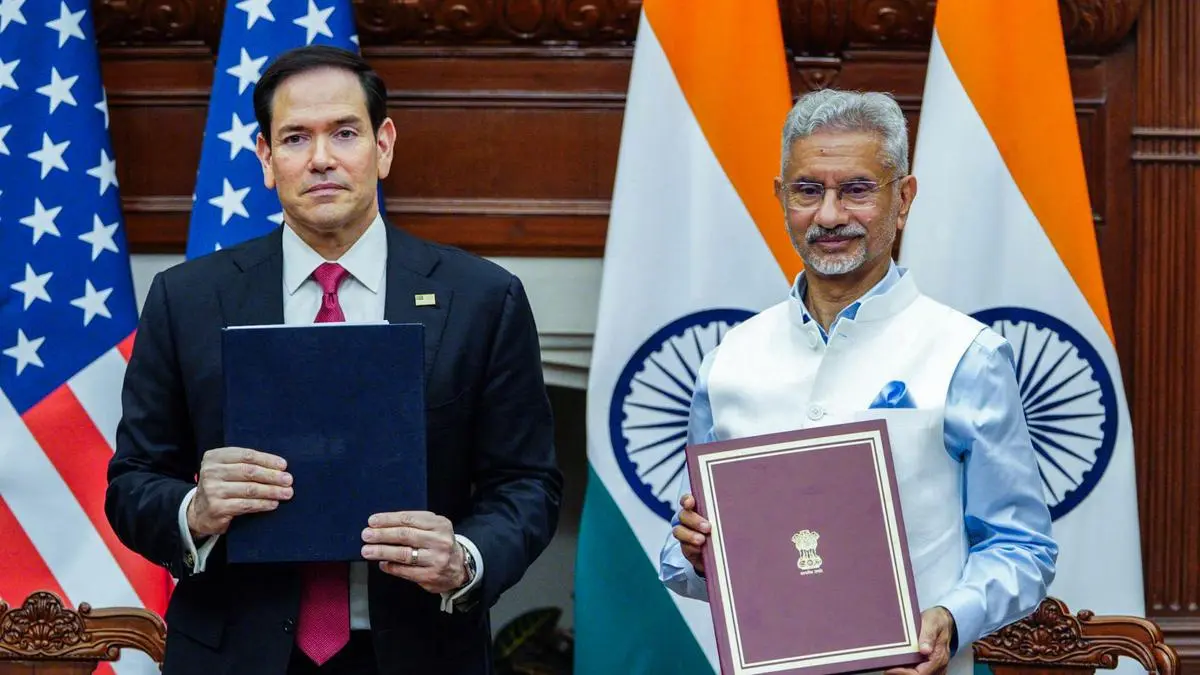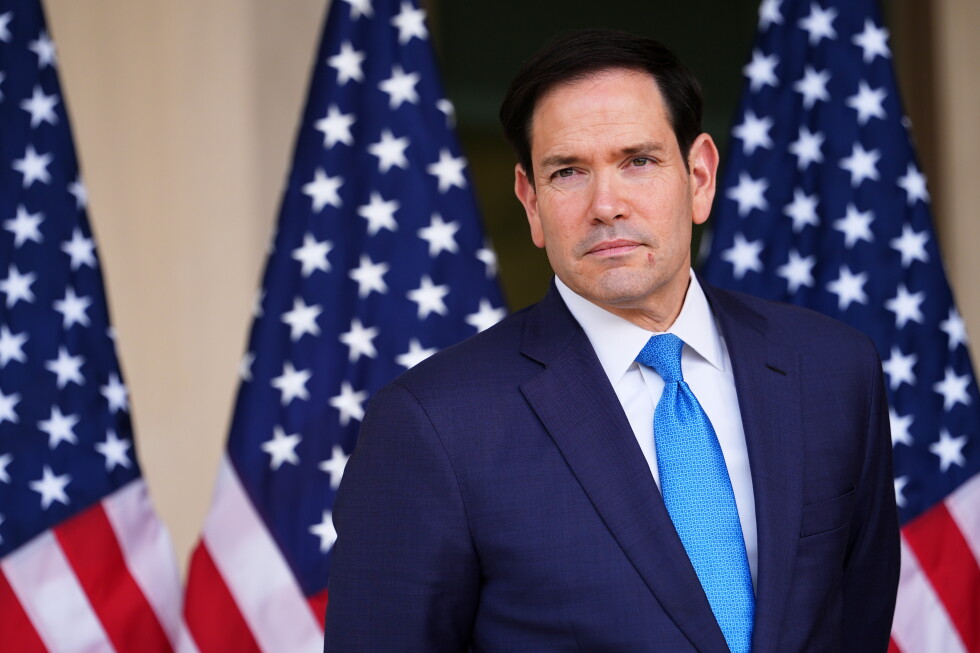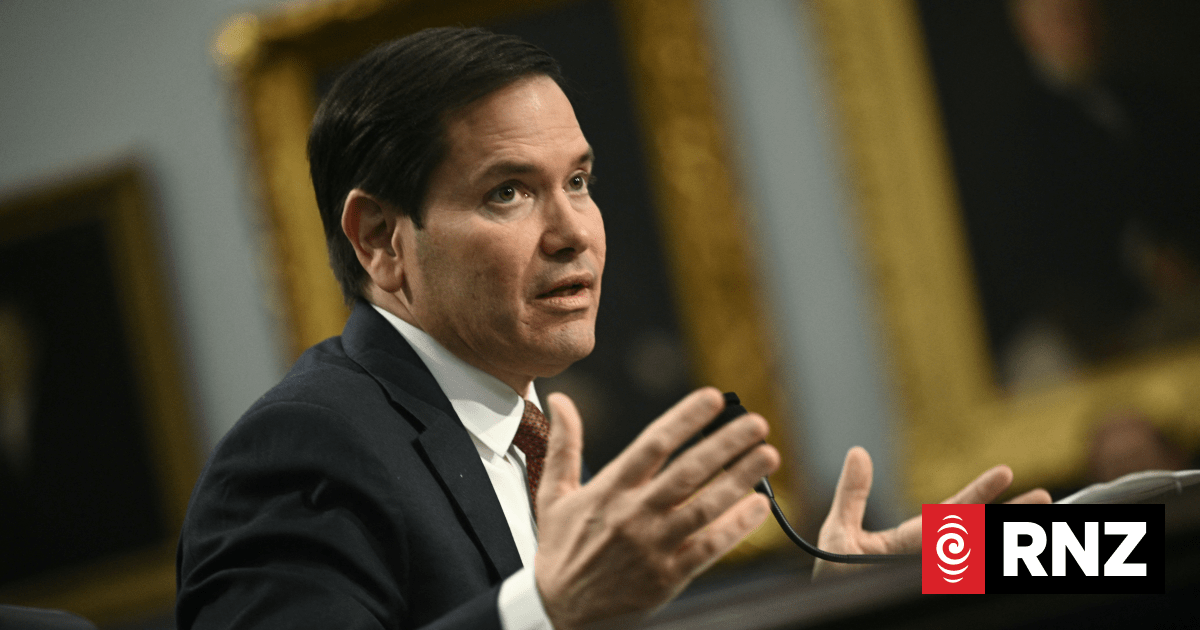
Is US secretary of state Marco Rubio’s official four-day diplomatic tour to India in the aftermath of Donald Trump's visit to China a balancing act of China outreach and strategic reset? The bilateralism between the US and India has been strained. Rubio's visit is a calculated effort to demonstrate Washington's balancing diplomacy. His visit emphasises commitment to the Quad alliance (India, U.S., Japan, and Australia). The shifting geopolitics in the Indo-Pacific require reinforcement in maritime security and defence. The Quad foreign ministers’ meeting was held on May 26, 2026 in New Delhi. India is an unavoidable partner. Free and open Indo-Pacific without India is an impossible proposition. One of the objectives of Quad is to restrain China's expansionism. Trump's visit dilutes the distinction between Quad and China. It makes the matter messy. Given this background, the joint statement of the Quad foreign ministers’ meeting was released the same day. The meeting included India's external affairs minister S Jaishankar, US secretary of state Marco Rubio, Australian foreign minister Penny Wong, and Japanese foreign minister Toshimitsu Motegi. A new Indo-Pacific Maritime Surveillance Cooperation initiative was launched. The focus was directed to intensified Indo-Pacific maritime domain awareness and information-sharing. The objective is to counter China’s increasing military presence in the Indo-Pacific and to check the clandestine and unlawful maritime activities. Marco Rubio, US secretary of state (Bloomberg)Counter-terrorism, Quad critical mineral partnership initiative, critical mineral supply chain, energy resilience, critical port infrastructure for trade, economy and security, security resilient connectivity and protection of undersea cable network, uninterrupted connectivity for all Pacific Island Forum countries to ensure digital future, Open Radio Access Networks (Open RAN) cooperation, cross-border interoperability, and Advancing Innovation for Empowering NextGen Agriculture (AI-ENGAGE) for food security better crop and pest control are some of the important areas discussed in relation to the Indo-Pacific region. No doubt, Quad is crucial and a critical diplomatic framework. But the US-China outreach and reset raise questions around the effectiveness of the Quad meeting. Moreover, Quad is not a military alliance. It is an informal strategic forum. It is not a NATO-like mutual defence framework. It is a consultative platform. These aspects are well known and cannot serve as compelling reasons to avoid a definitive discussion of China and its activities in the Indo-Pacific. But the weight Quad had gained as a perceived counter to China’s expansionism in the Indo-Pacific has been diluted by the recent renewal of US-China bilateralism. The urgency of countering Beijing does not seem to have been a compelling item in the catalogue of the recent Quad meeting. The shadow of the US-China reset was quietly cast on the Quad meeting. Marco Rubio’s presence in Quad was perceptibly an act of reassurance to the Indo-Pacific allies. Beijing’s geopolitics in the Indo-Pacific requires a counterweight. The US can act as an effective counterweight. If Washington dilutes Quad's focus, other members cannot do much in the emerging, critical geopolitics of the Indo-Pacific. In the US-India relationship, convergence must override conflict. Both are the world's large democracies. They play major roles in achieving major global roles. If India continues to experience a trust deficit, it is counterproductive for both countries. India has the strength of demography and talent. The Indian diaspora has proven globally to be the most trusted, talented and efficient. They run the IT engine in Silicon Valley. It is a bankable partner, not a fair-weather friend. No doubt, it guards its interests because it is a big country with a dense population. It is risk-averse because it will affect the ground. It does not enjoy the choices that the US does. It has many more calculations to make before it does anything definitive. India’s compulsions must not be misread.Be that as it may, from a security perspective, both countries need a secure, stable, free, and open Indo-Pacific. China's increasing military presence and capacity in the region require a strong commitment and convergence between the two. Conflict between the two gives China the confidence to enhance its gravitas in the region. Trump's visit to China complicates the clarity on Quad commitments and deliverables. Trump visits China and sends Rubio to the Quad meeting in New Delhi. It sends a conflicting message and strengthens Beijing's resolve. Therefore, the current Quad meeting is important but not effective. Without Washington's effective participation, Quad will be a mere routine gathering, no bold step to make the Indo-Pacific practically free and open. Washington’s Beijing outreach seemingly undermines its effectiveness within Quad. For maritime safety in the Indo-Pacific, Indo-US collaboration is important and urgent. Given the Chinese expansionism, the US cannot take on China on its own. It requires partnership. India's partnership in this regard is vital. It is counterintuitive to neglect a bankable partner such as India. India is one of the US’s top trading partners. The economic growth of both countries depends on shared interests and commitments. Donald Trump should have avoided tariff coercion. India and the US have tech collaboration in Artificial Intelligence and chips. It is crucial for future technology and a strong partnership. For an alternative supply chain, the convergence of interests and deeper collaboration between the US and India is indispensable. For a resilient and parallel supply chain, cooperation between the two is urgent and necessary. In the event of such cooperation, China's dominance in this sector could have been diluted. Mutual investments could have created millions of jobs. Both countries are committed to clean energy. The climate crisis is a major threat to global peace. Joint climate action through technological mediation is an important step toward preventing the climate crisis. On counter-terrorism, the convergence of interests between the two countries is important because both fight terrorism. Intelligence sharing and the elimination of terrorism should be the collective resolve of both countries. Washington's renewal of trust in Islamabad complicates the Indo-US collective resolve of zero tolerance for terrorism. India and the US uphold democratic values, free speech, open debate and individual freedom. The Indian diaspora is a living bridge that binds two countries in a more meaningful relationship. Given the above merits, it is important to cultivate the bilateralism between the countries. Trump's transactionalism, tariffs, superiority complex, and conflict model deteriorate the Indo-US relationship. After Trump's visit to China, Quad finds itself in a twilight condition. Quad becomes a soft security framework. It descends from hot geopolitics to cool pursuits such as sharing technology, securing supply chains, agriculture, connectivity, and tracking illegal fishing. Trump's China reset may reduce Quad's "anti-China" edge. Clarity on this will surface in the next leaders' summit, expected to be in Australia. Trump's attendance or non-attendance there will indicate the future of Quad. By then, clarity on the US-China bilateralism may have emerged. (The views expressed are personal)This article is authored by Jajati K Pattnaik, professor and chairperson, Centre for West Asian Studies, School of International Studies, Jawaharlal Nehru University, New Delhi and Chandan Panda, professor, Central University of Karnataka, Karnataka.
Convergence, not conflict, must cornerstone of Indo-US ties
This article is authored by Jajati K Pattnaik and Chandan Panda.
1,151 words~5 min read