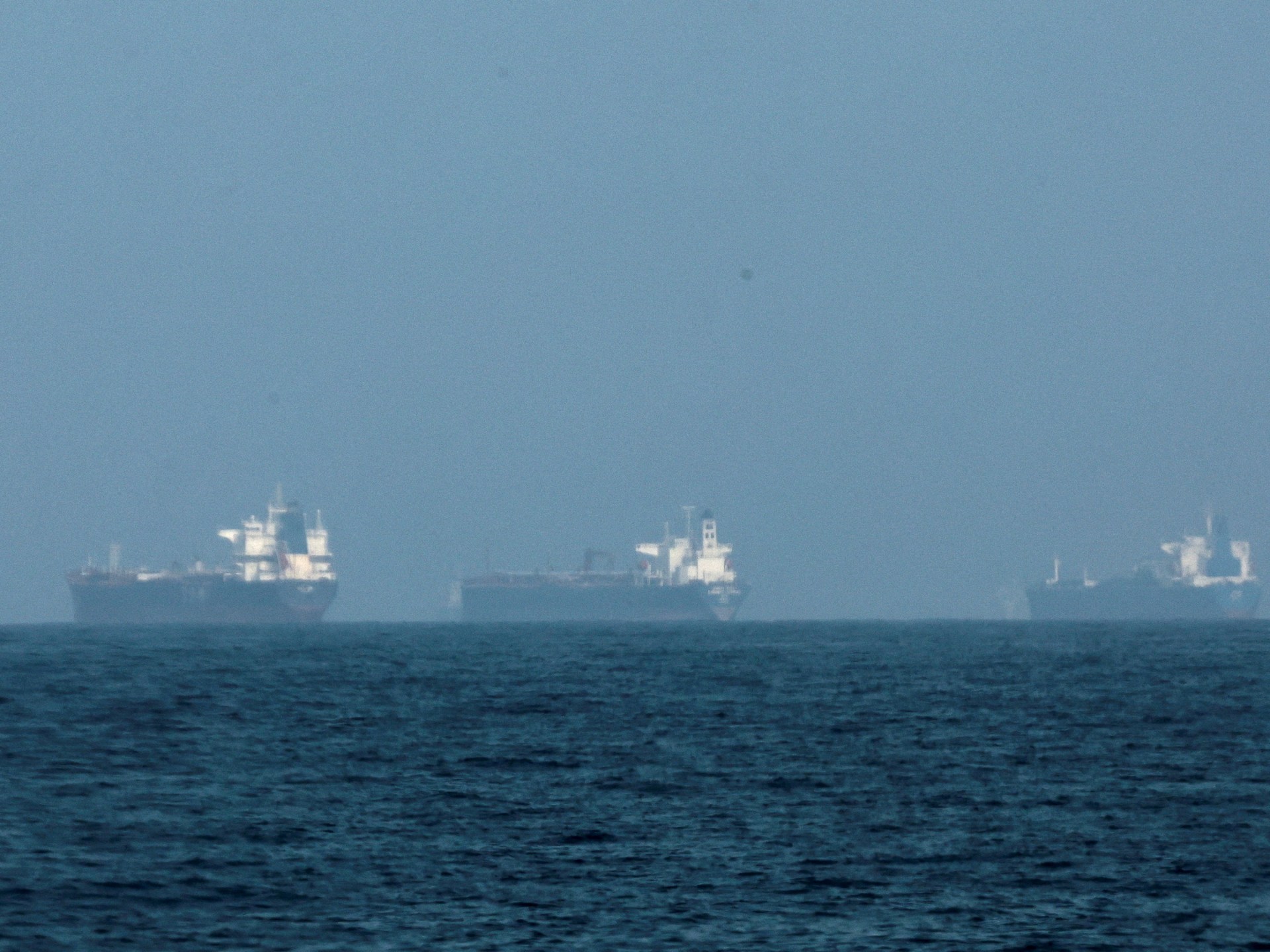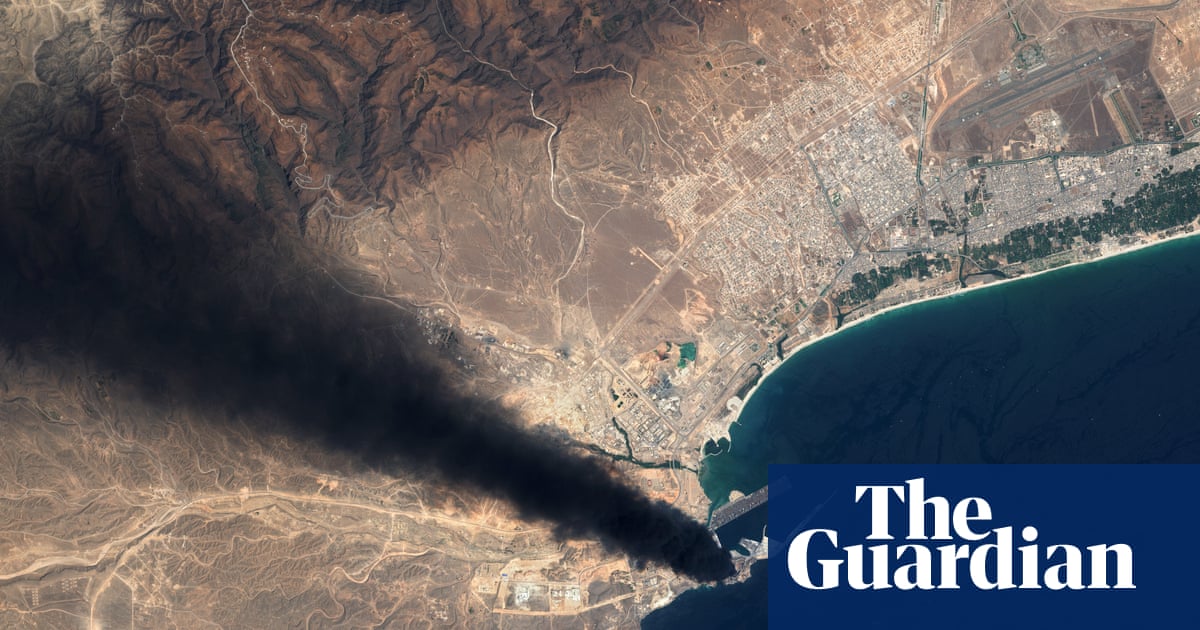
Since the US and Israel's military campaign on Iran began in February, the global energy sector has been reeling.
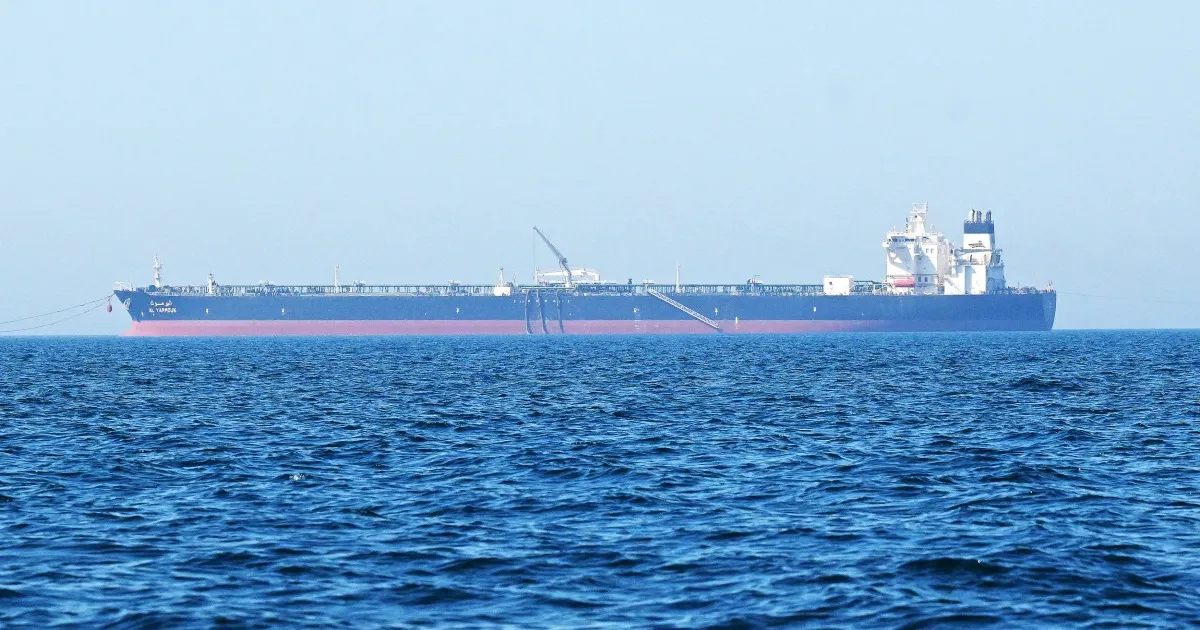
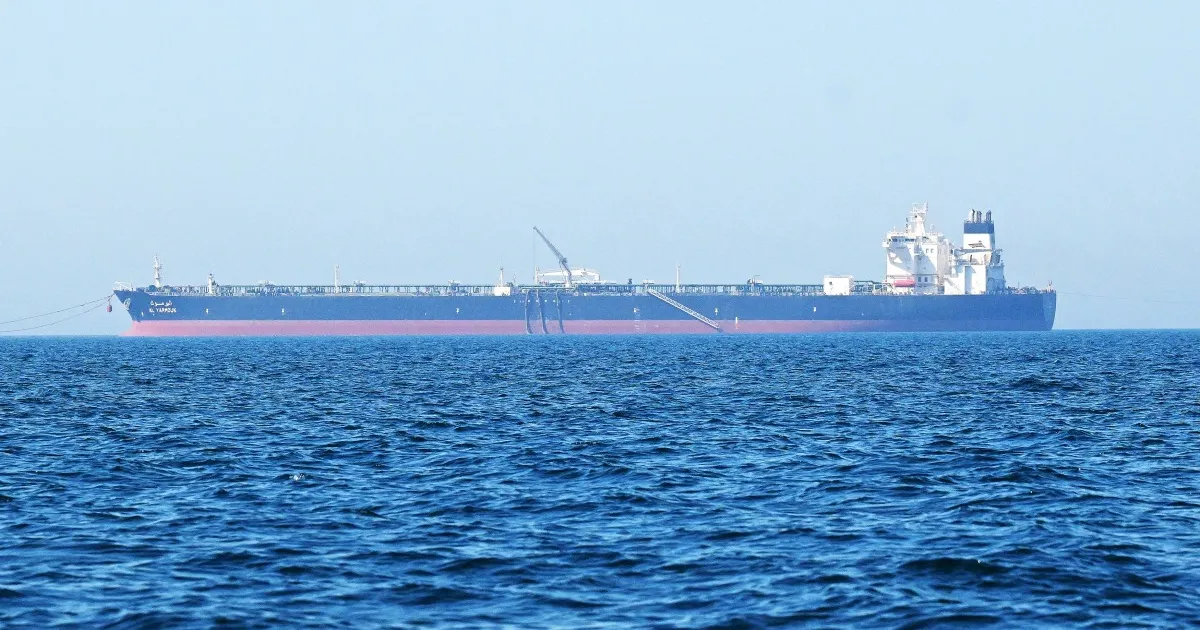
Almost immediately, Iran closed the Strait of Hormuz, a narrow waterway off the country's southeast coast through which almost all of the Middle East's waterborne oil and gas is ordinarily shipped.
Now, exactly three months after the conflict's start, the strait remains far from fully operational. This has left the world with a huge deficit of fuel – around 20% of normal supplies. As a result, prices have spiked and shortages have been keenly felt.
In times of crisis such as these, the typical reaction of businesses is to go into self-preservation mode – consolidating and reducing spending.
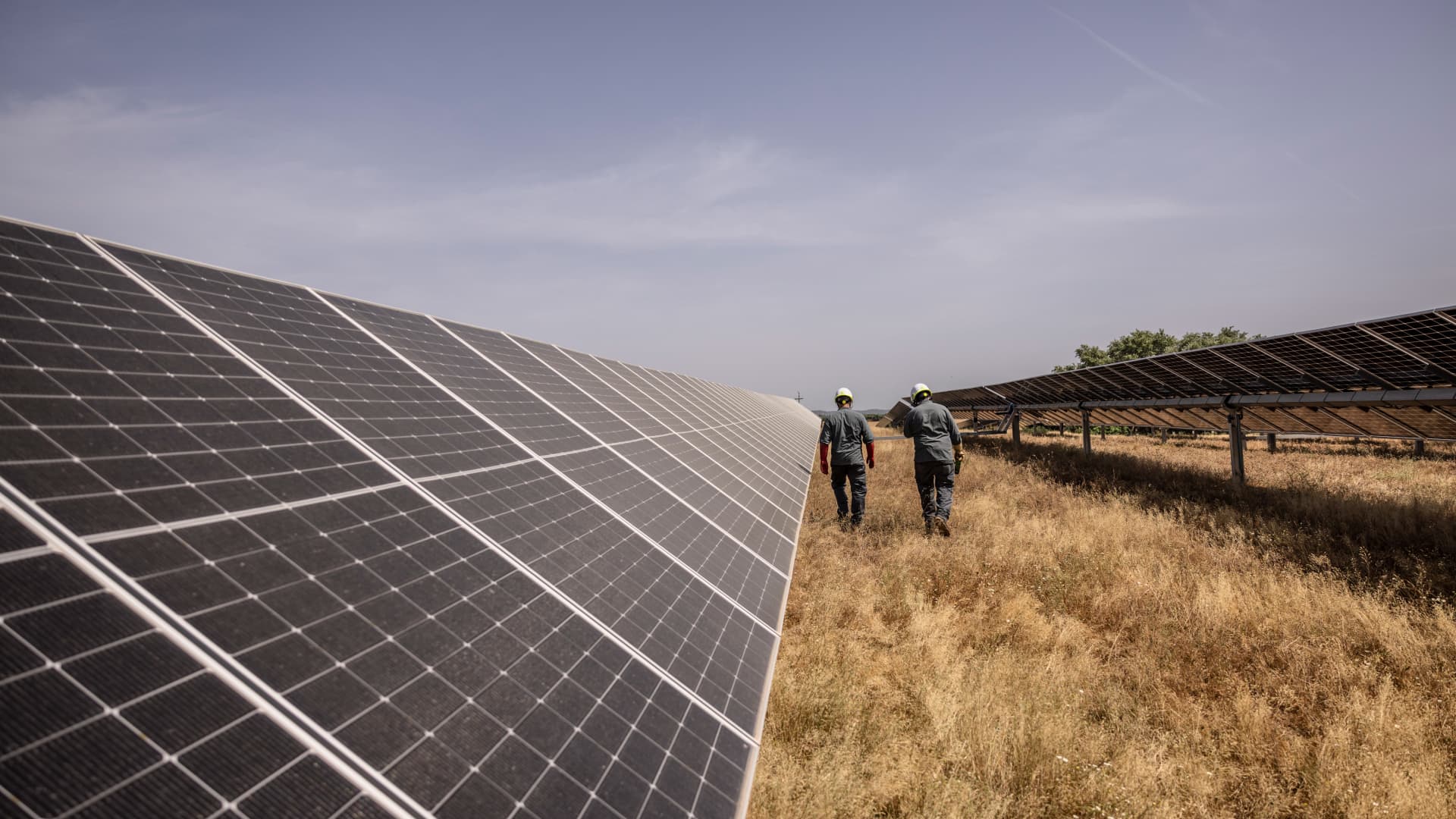
In the context of the energy transition, however, this would be a missed opportunity.