Michigan was the first, and so far, the only, Midwest US state to set a policy target for energy storage deployments. Governor Gretchen Whitmer signed the 2.5GW by 2030 goal into law in 2023, alongside a 100% Clean Energy Standard by 2040.
Meanwhile, DTE Energy, which serves around two million customers in Michigan, has so far deployed just one lithium-ion (Li-ion) BESS, a 14MW, 4-hour duration system which went online in 2025, replacing diesel engines at one of its thermal power plants.
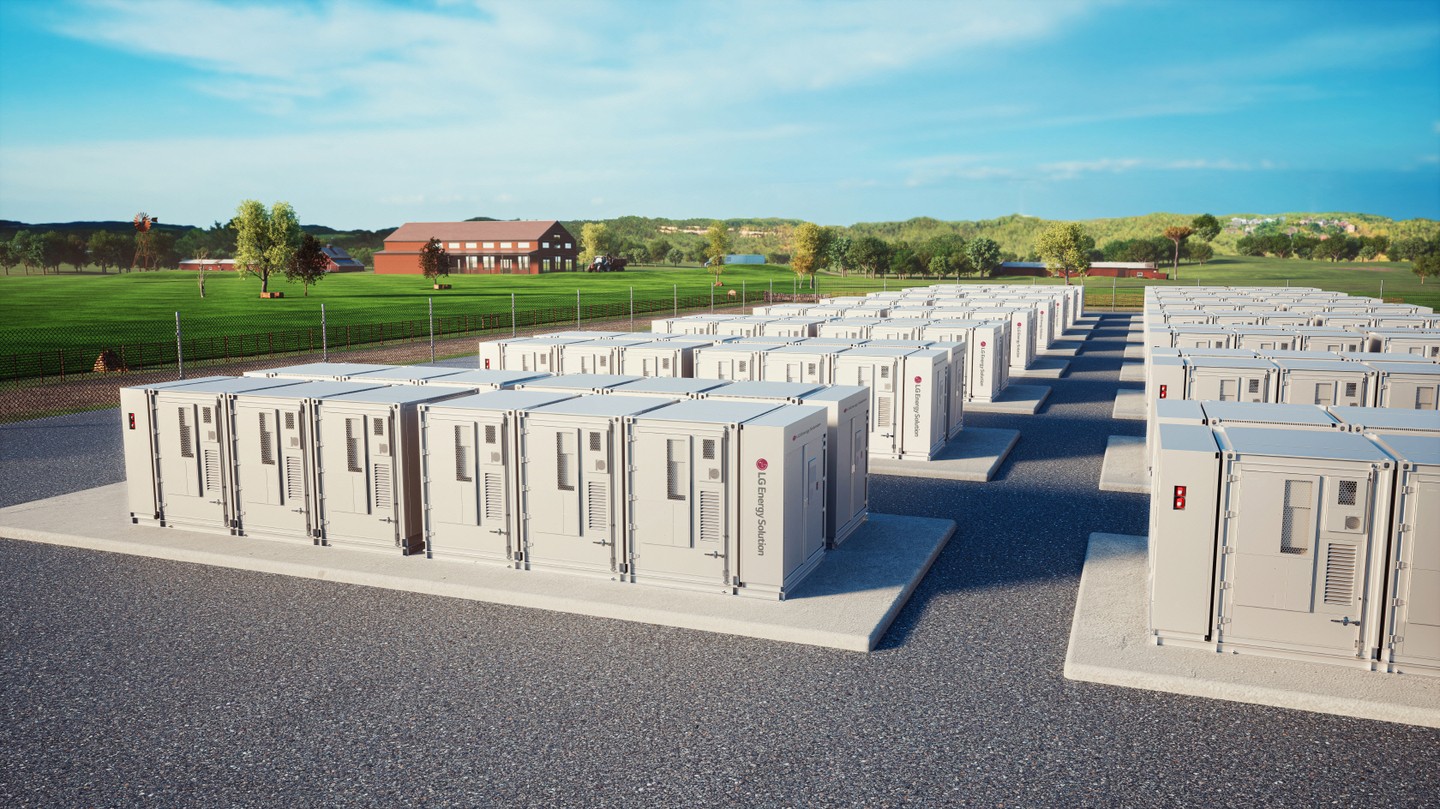
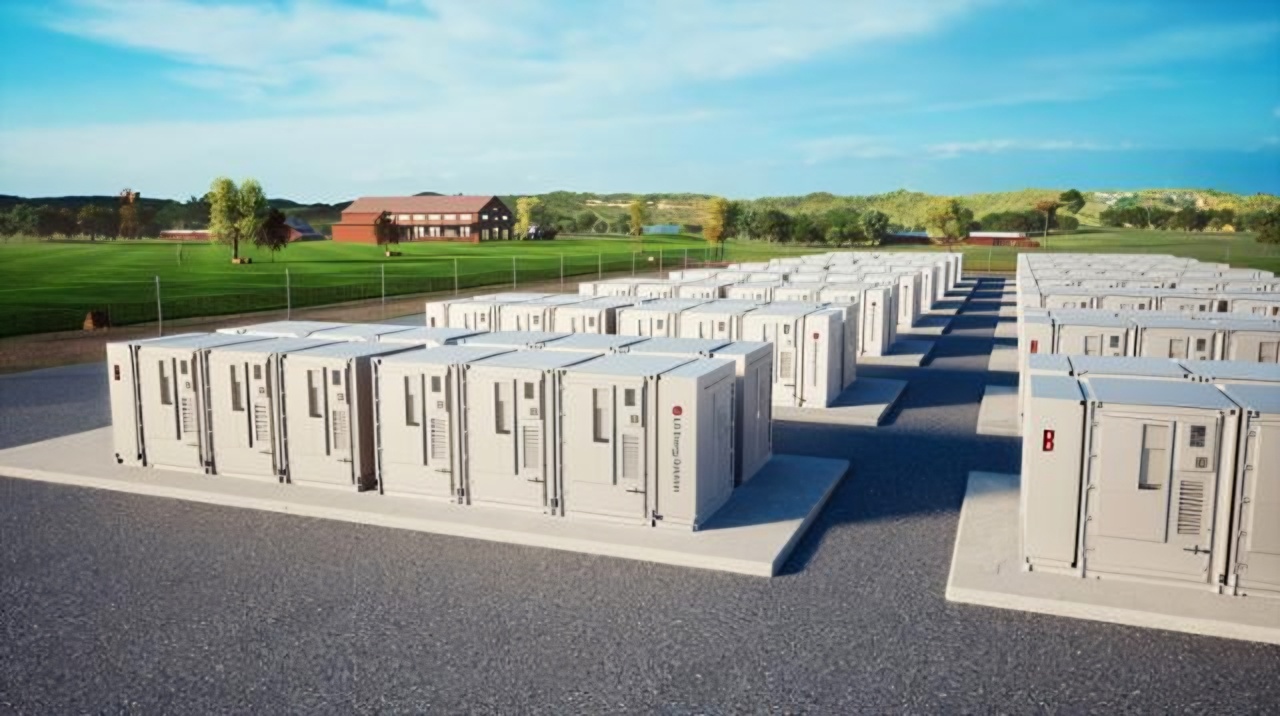
The utility is also constructing a second project, Trenton BESS, at the site of a demolished coal power plant of the same name. DTE had initially contracted the US system integrator Powin to work on the 220MW/880MWh project after receiving regulatory approval in 2024.
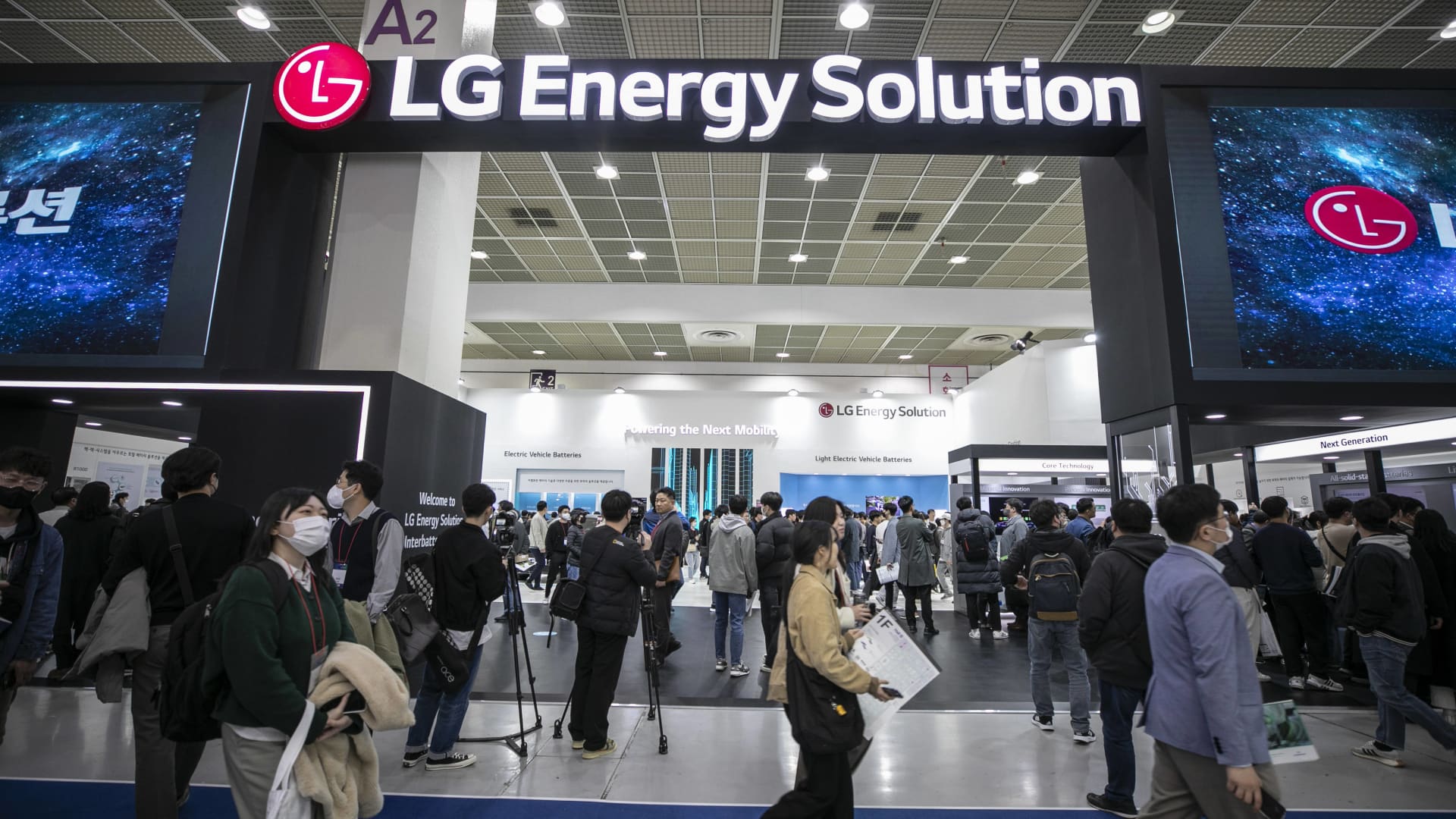
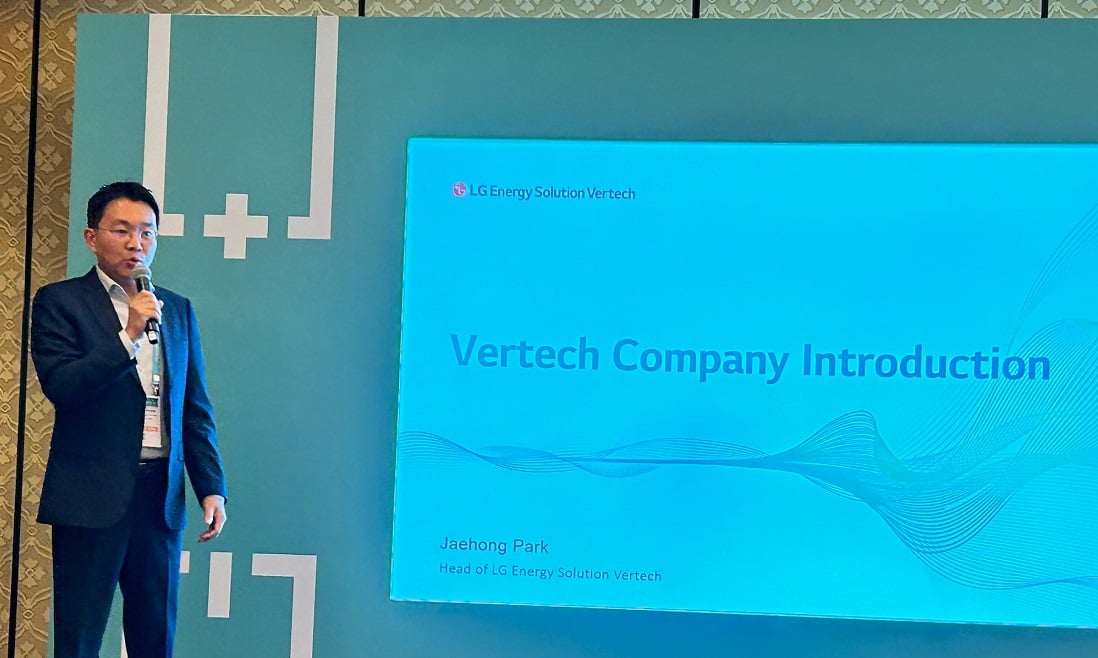
However, Powin missed its delivery deadlines for the Trenton BESS before going bankrupt and out of business last year, with most of its assets acquired by rival FlexGen. DTE Energy filed a request in late 2025 with the Michigan Public Service Commission (MPSC) to change its supplier to LG ES Vertech, claiming that this would also lower project costs by approximately US$30 million if approved.
While a decision from the MPSC on the Trenton deal is still pending, the utility has moved forward with the new multi-year deal with LG ES Vertech. The utility cited the fact that a portion of the battery cells to be used will be manufactured at the LG ES complex in Holland, Michigan, as one of the advantages of the deal.