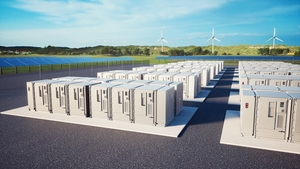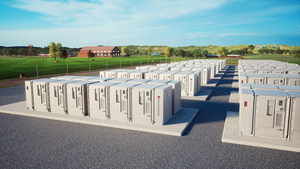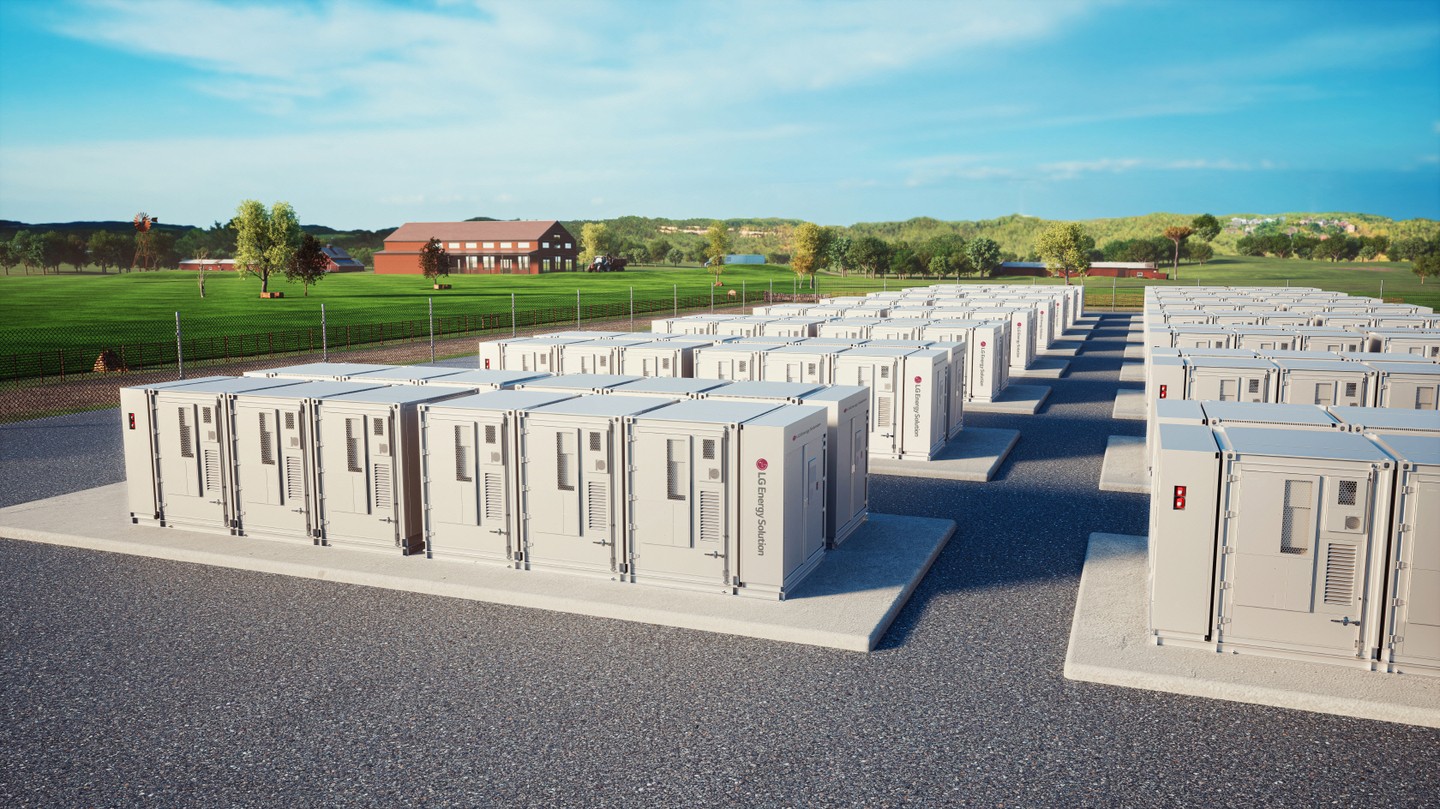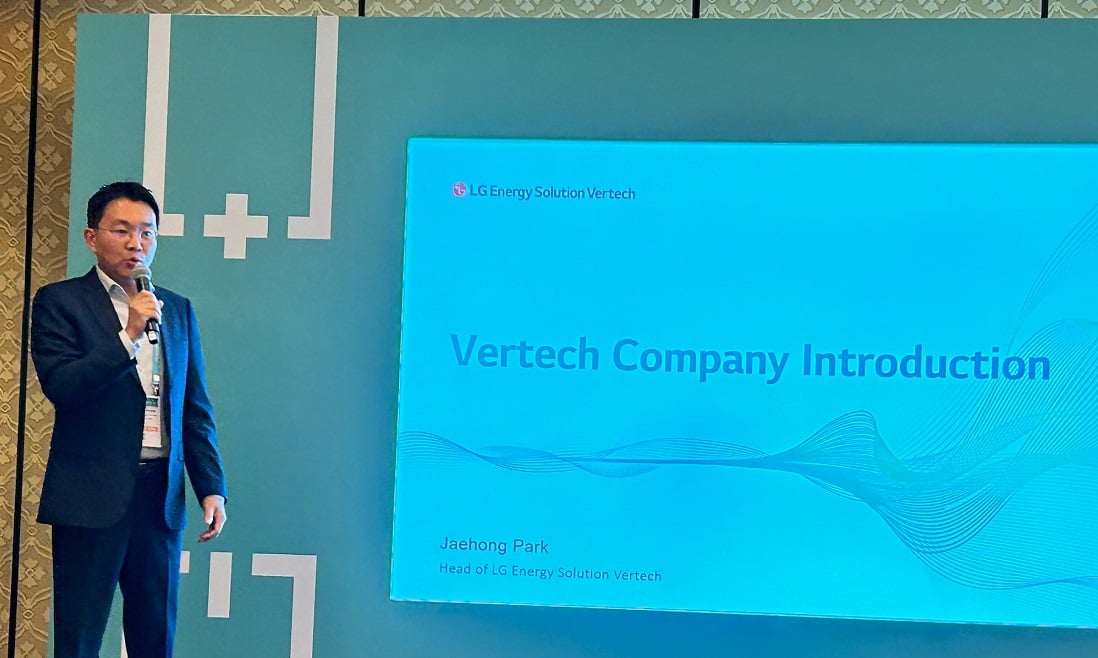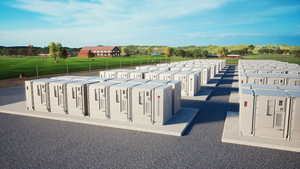
Deal tied to OpenAI-related data center expansion, as soaring computing demand strains power grid LG Energy Solution’s energy storage system battery containers for grid-scale applications (LG Energy Solution) LG Energy Solution has secured its second large-scale US energy storage system battery supply deal, as part of its push to capture fast-growing power demand from artificial intelligence data centers and grid infrastructure while navigating a prolonged slowdown in the electric vehicle sector.According to LG Energy Solution on Thursday, it signed a $1.6 billion contract with Michigan-based utility giant DTE Energy to supply 6 gigawatt-hours of ESS batteries for two years. The battery cells will primarily be manufactured at LG’s plant in Holland, Michigan, which began ESS battery production in June last year, making it the first facility of its kind in North America.Under the agreement, DTE Energy will use LG Energy Solution’s ESS batteries across eight major grid infrastructure projects, including Oracle’s new AI data center development in Saline Township, Michigan.An industry source said LG Energy Solution will play a key role in expanding OpenAI’s infrastructure as the US tech giant’s AI models require massive, uninterrupted computing power. Partners like Oracle are building large AI data centers that need substantial and reliable energy supplies, and LG supports this ecosystem by supplying grid-scale ESS batteries through its partnership with DTE Energy.LG Energy Solution’s high-nickel batteries are expected to help stabilize power networks, store excess electricity and ensure reliable energy delivery for infrastructure supporting Oracle’s AI facilities that back OpenAI’s operations.As Michigan’s largest electricity provider and one of the leading utility companies in the US, DTE Energy serves approximately 2.3 million electricity customers and 1.3 million natural gas customers across southeastern Michigan’s urban and industrial regions. The company has recently accelerated investments in grid modernization while expanding renewable energy initiatives and partnerships tied to technology infrastructure.In line with rapidly growing demand for stable power supplies for AI data centers, LG Energy Solution has proactively reshaped its North American strategy, shifting from an EV-centered battery supply model toward expanding ESS production capabilities.Currently, LG Energy Solution is operating and constructing five major ESS production bases across North America, including facilities in Holland and Lansing, Michigan, a former joint venture facility with Stellantis in Canada, a joint venture plant with GM in Tennessee and a joint venture facility with Honda in Ohio.The company is meanwhile accelerating portfolio diversification efforts, including converting the Tennessee plant to produce cost-effective lithium iron phosphate batteries for ESS applications.By the end of this year, the battery-maker plans to expand its global ESS production capacity to more than 60 gigawatt-hours, with over 50 gigawatt-hours of that allocated to North America to strengthen its local supply competitiveness.As of 2025, the company had secured ESS orders totaling approximately 140 gigawatt-hours. Including the latest deal with DTE Energy and an additional 5 gigawatt-hour supply agreement with Hanwha Qcells, LG’s ESS contracts signed this year have reached a combined 11 gigawatt-hours, valued at approximately 3.4 trillion won ($2.26 billion).According to BloombergNEF, electricity consumption by US data centers is projected to more than double from 180 terawatt-hours last year to 391 terawatt-hours by 2030.Park Jae-hong, head of LG Energy Solution Vertech, stated, “Through our localization strategy and continued expansion to North America’s ESS sector, we aim to support grid stability, job creation and market growth across the region.”
LG Energy Solution rides AI power surge with $1.6b US battery deal
LG Energy Solution has secured its second large-scale US energy storage system battery supply deal, as part of its push to capture fast-growing power demand fro
552 words~3 min read