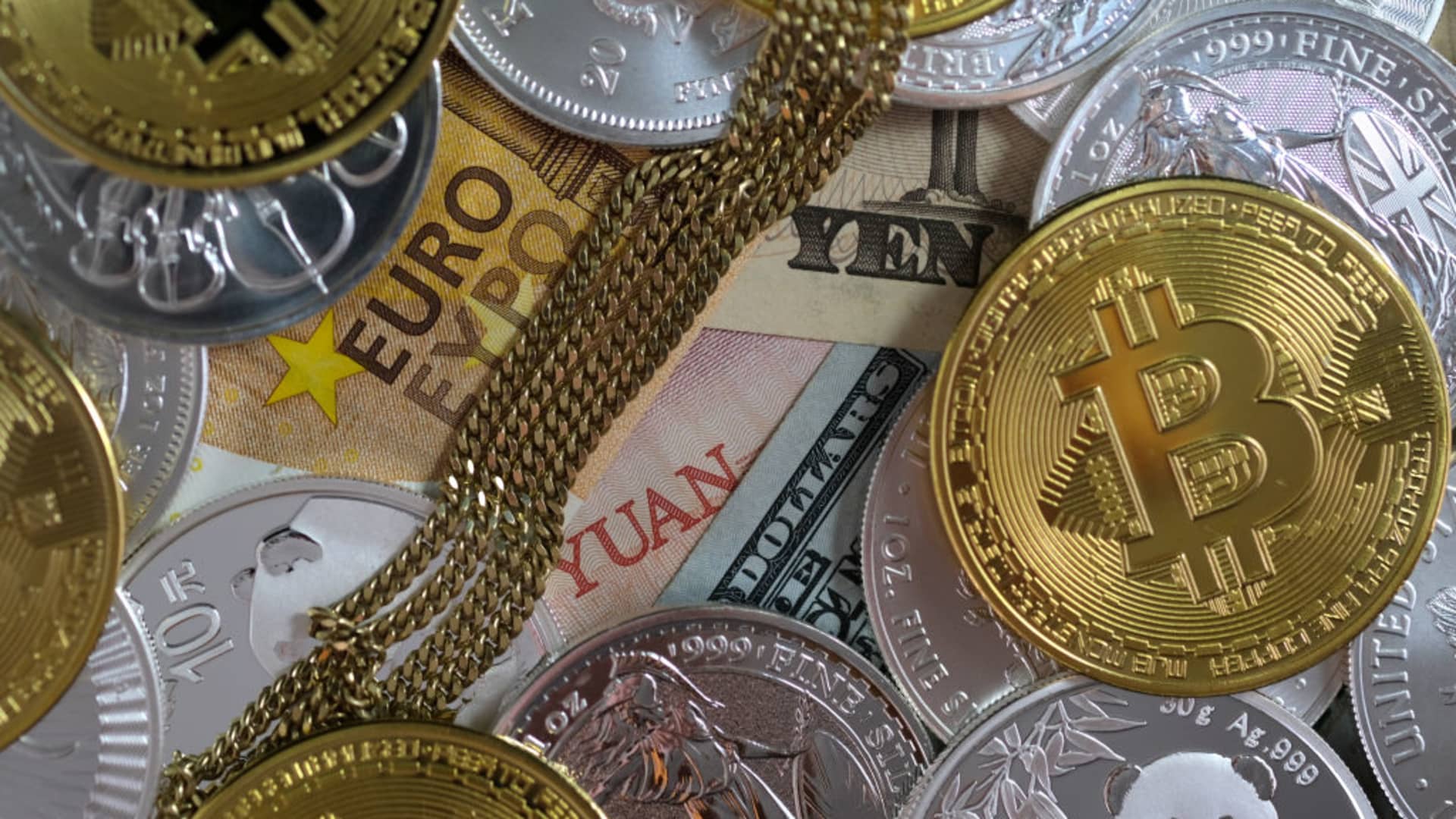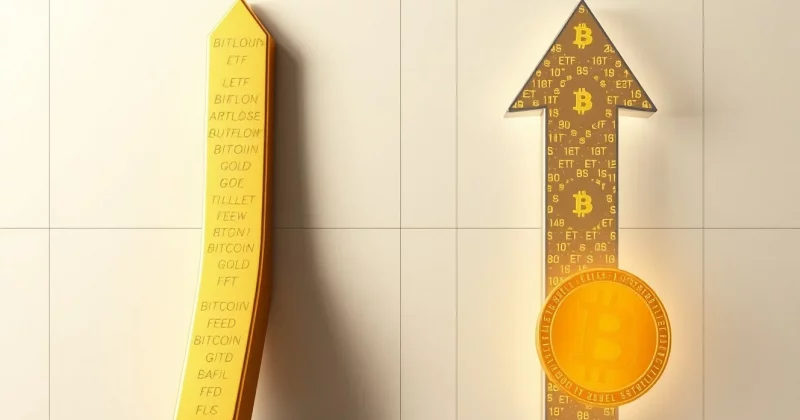
For months, the trade was simple: buy scarce assets, hedge against a world where governments print money and geopolitical chaos reigns. Now, according to JPMorgan strategist Nikolaos Panigirtzoglou, that playbook is getting shelved.
In a research note dated May 28, Panigirtzoglou flagged a significant retreat from what’s known as the “debasement trade,” pointing to simultaneous outflows from both bitcoin and gold ETFs as evidence that investors are stepping away from the assets they’d been hoarding as shields against inflation, ballooning government debt, and fiat currency erosion.
What the debasement trade actually is, and why it’s unwinding
The debasement trade, in plain terms, is a bet that your government’s money is going to be worth less tomorrow than it is today. When investors worry about runaway spending, currency weakness, or geopolitical instability, they pile into assets with hard caps on supply. Gold is the centuries-old version. Bitcoin is the newer, more volatile cousin.
Both had been beneficiaries of exactly that fear throughout early 2026. Bitcoin ETFs recorded inflows for three consecutive months heading into May, a streak that signaled growing institutional conviction in crypto as a macro hedge. Gold ETFs, meanwhile, were still clawing back from losses tied to the Iran conflict fallout earlier in the year.