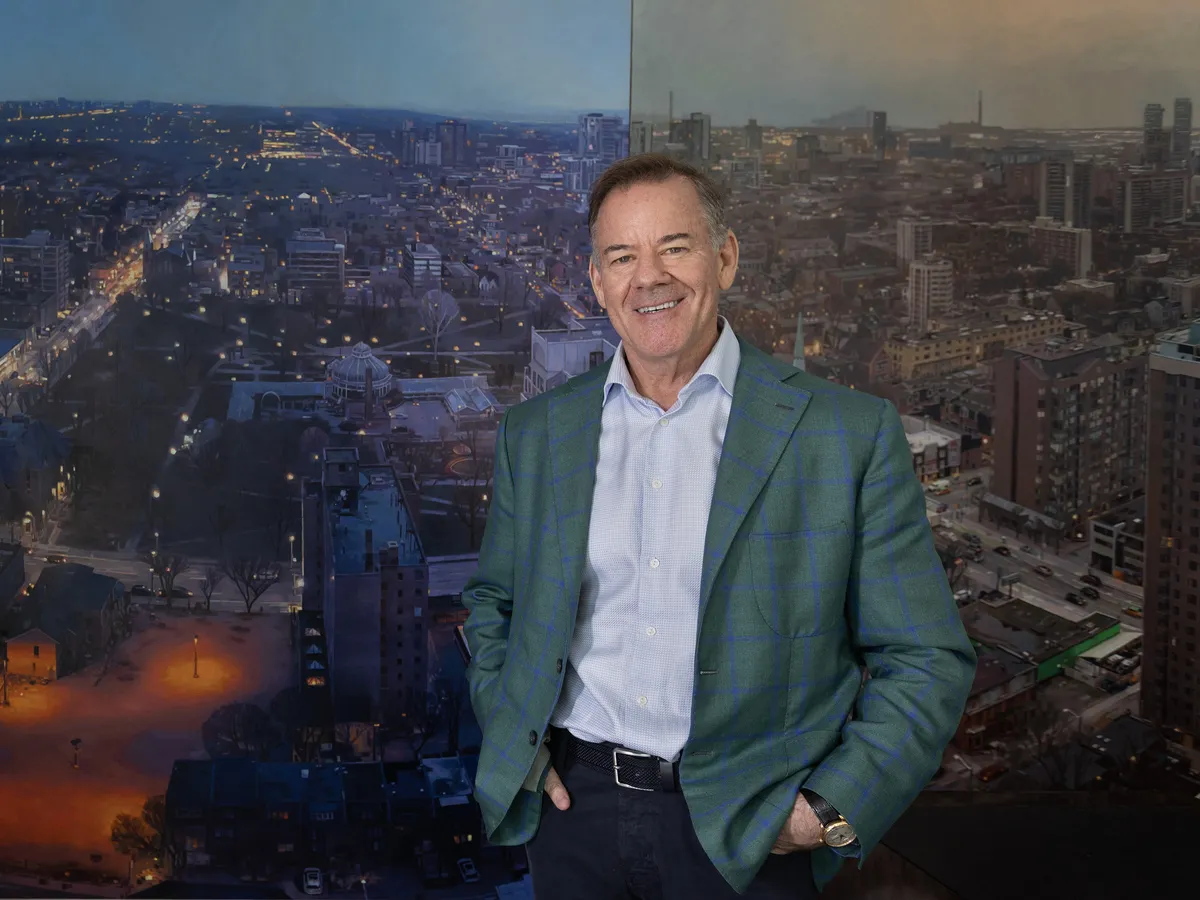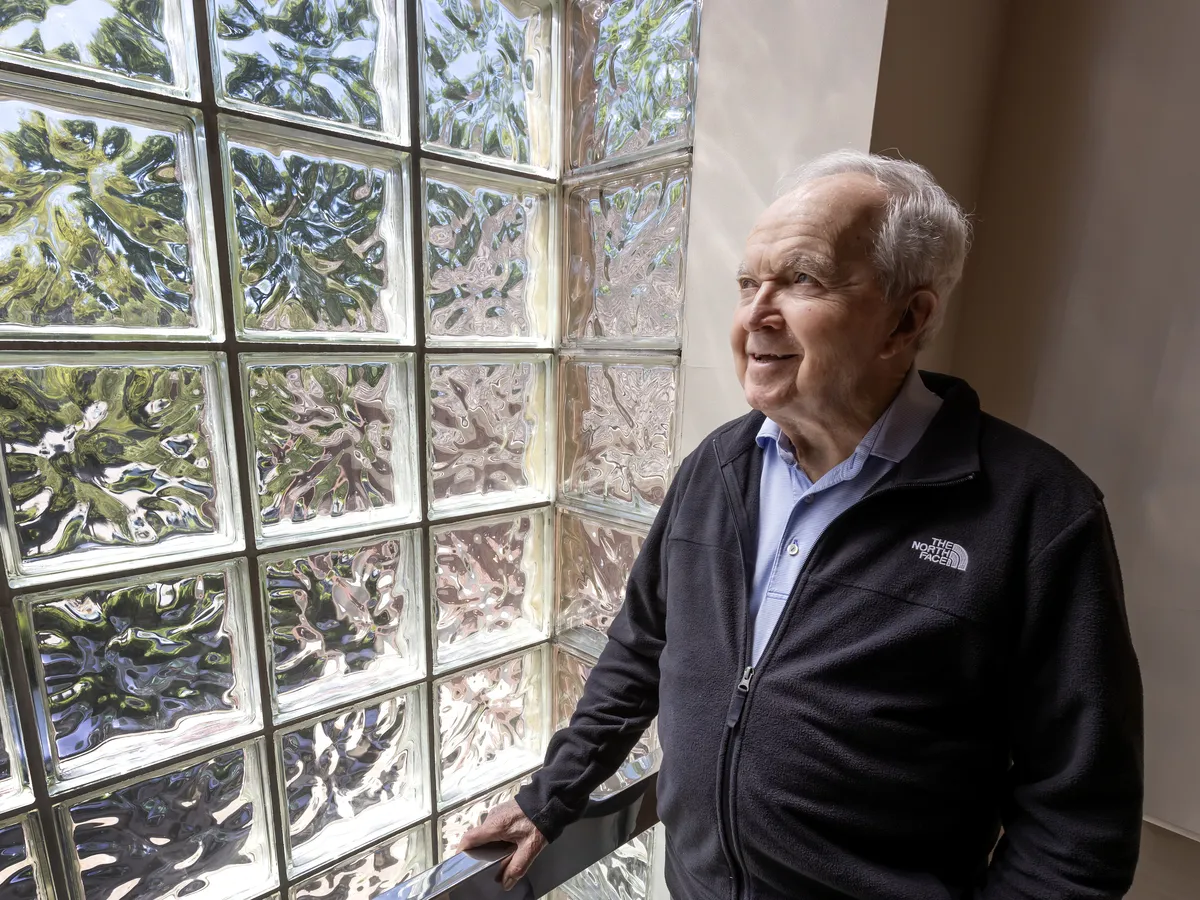
Skip to Content News Archives Economy Energy Oil & Gas Renewables Electric Vehicles Mining Commodities Agriculture Real Estate Mortgages Mortgage Rates Finance Banking Insurance Fintech Cryptocurrency Work Wealth Smart Money Wealth Management Investor Personal Finance Family Finance Retirement Taxes High Net Worth FP Comment Executive Women Puzzmo Newsletters Financial Times Business Essentials More Innovation Information Technology FP500 Podcasts Small Business Lives Told Tails Told Shopping Financial Post Store Obituaries Place a Notice Advertising Advertising With Us Advertising Solutions Postmedia Ad Manager Sponsorship Requests Classifieds Place a Classifieds ad Working Profile Settings My Subscriptions Saved Articles My Offers Newsletters Customer Service FAQ News Economy Energy Mining Real Estate Finance Work Wealth Investor FP Comment Executive Women Puzzmo Newsletters Financial Times Business Essentials HomeHigh Net WorthBottoms up: Arthur Labatt understands there is more to life than beer'If the need is there and the funds are available, why not give? Giving makes you feel good'Last updated 53 minutes ago You can save this article by registering for free here. Or sign-in if you have an account.The Labatts sold their beer business in the 1960s, so Arthur, who had envisioned someday running the company with his older brother Jack, had to carve his own path. Photo by Peter J Thompson/National PostReviews and recommendations are unbiased and products are independently selected. Postmedia may earn an affiliate commission from purchases made through links on this page.Subscribe now to read the latest news in your city and across Canada.Exclusive articles from Barbara Shecter, Joe O'Connor, Gabriel Friedman, and others.Daily content from Financial Times, the world's leading global business publication.Unlimited online access to read articles from Financial Post, National Post and 15 news sites across Canada with one account.National Post ePaper, an electronic replica of the print edition to view on any device, share and comment on.Daily puzzles, including the New York Times Crossword.Subscribe now to read the latest news in your city and across Canada.Exclusive articles from Barbara Shecter, Joe O'Connor, Gabriel Friedman and others.Daily content from Financial Times, the world's leading global business publication.Unlimited online access to read articles from Financial Post, National Post and 15 news sites across Canada with one account.National Post ePaper, an electronic replica of the print edition to view on any device, share and comment on.Daily puzzles, including the New York Times Crossword.Create an account or sign in to continue with your reading experience.Access articles from across Canada with one account.Share your thoughts and join the conversation in the comments.Enjoy additional articles per month.Get email updates from your favourite authors.Create an account or sign in to continue with your reading experience.Access articles from across Canada with one accountShare your thoughts and join the conversation in the commentsEnjoy additional articles per monthGet email updates from your favourite authorsSign In or Create an AccountorA name is just a name, unless, of course, the name happens to be one every Canadian has heard of and quite possibly drunk from a beer bottle or can emblazoned with it.Arthur Labatt, great-grandson of John Labatt, an Irish immigrant farmer who pivoted to beer in 1847 and founded a brewery, has had his name for 92-plus years, but he has not had a beer, Labatt or otherwise, for as long as he can remember.He’s more of a wine guy, although he does keep a stash of cold ones on hand in his substantial midtown Toronto home since you never know when a beer drinker might pop by for a visit.Get the latest headlines, breaking news and columns.By signing up you consent to receive the above newsletter from Postmedia Network Inc.A welcome email is on its way. If you don't see it, please check your junk folder.The next issue of Top Stories will soon be in your inbox.We encountered an issue signing you up. Please try again“My father used to have to entertain visitors at the brewery in London, Ont., and so for years he imbibed a beer or two, but at home he wasn’t reaching for a beer,” he said. “He wanted a Scotch and soda.”The Labatts, unlike the Molson clan, sold their beer business in the 1960s, so young Arthur, who had envisioned someday running the joint with his older brother Jack, had to carve his own path.In other words, the big house with the nice art on the walls and the beer in the fridge was not purchased courtesy of beer money, but from the fortune he made from Trimark Financial Corp., a mutual fund company that he, Robert Krembil and Michael Axford started from scratch in 1981 amidst a down market. Arthur Labatt in person is understated, soft-spoken, warm and someone who clearly enjoys being around other people. Photo by Peter J Thompson/National PostAxford cashed out within a few years, but the other two founders stayed on and it is a good thing they did. Trimark held $29 billion in assets and employed 1,400 people at its peak before it was bought by Amvescap PLC (now known as Invesco Ltd.) in 2000 for $2.7 billion, a transaction that netted Labatt about $400 million.He has since given about $150 million of it away, mostly to hospitals and schools. His $40-million donation in March to the Centre for Addiction and Mental Health and the Hospital for Sick Children (a.k.a. SickKids) was 10 years in the making and it is intended to be a game-changer.Up to 20 per cent of youth might be struggling with mental health issues, and it can be an even greater struggle getting those kids the help they need.Labatt’s son, John — he could tell you stories, or nightmares, about being named John Labatt, a handle he still gets questioned about almost daily — said the family wanted to do something that did not involve “building a building,” but would change peoples’ lives. Youth mental health is dear to his father, who has firsthand knowledge of it.Once upon a time, people did not talk about mental illness. Arthur Labatt was among those who kept quiet even in the face of personal struggle. During high school, he was hit by crippling anxiety and depression, but he did not have the language to articulate what was wrong and he did not go to a doctor to ask for help.Instead, he got “through it,” he said. That is, until those same feelings came roaring back when he was in his early 30s, living in Paris and seemingly on top of the world.Without a brewery career to look forward to, Labatt did something he never would have imagined and became an accountant with Clarkson, Gordon & Co., which catered to Canadian business’ upper crust and was staffed by what the pundits of the day referred to as the “Clarkson Man” — hard working, exceedingly well-mannered, innovative and aggressive. Once upon a time, people did not talk about mental illness. Arthur Labatt was among those who kept quiet even in the face of personal struggle. Photo by Peter J Thompson/National PostLabatt was hardworking, but he mostly remembers the place for its people. They were fun to be around. He passed his accounting exams just fine without ever having graduated from university, although that is another story, with the short version being, “University was too much fun and nobody was pushing me and I did not push myself.”He eventually left the firm to head up the research department at McLeod Young Weir & Co. Ltd., a brokerage house. He was dispatched to Paris in the late 1960s to open an office there and grow the business internationally.The stress of learning a new language was compounded by the stress of his new gig as a “salesman.” Labatt remembers being anxious to the point where he would stand with his back pressed against the wall in the Paris Metro for fear he would be pushed or fall on the tracks.He needed help, and this time around he went to see a psychiatrist to get it. Monthly counselling sessions erased his anxiety and some six decades later, it has never reappeared.“It is not an easy time to be a young person today; the world they are growing up in is more complicated than ever,” he said. “My own experience coloured my thinking, and I really saw the need for young people to be able to get help not two years from now, but when they are suffering from anxiety or depression almost immediately.”The $40-million donation is seed money to achieve that end through a Thriving Minds Program designed to give youth the mental health support they need — today — without having to languish on a waiting list, where they risk slipping between the cracks altogether.Labatt in person is understated, soft-spoken, warm and someone who clearly enjoys being around other people. He describes his management style at Trimark as “management by walking around.” He did not know every employee’s name, he admits, but he took a stab at getting to know a good chunk of them. Arthur Labatt hopes his heirs will ensure Labatt continues to be associated with something bigger than beer once he is gone. Photo by Peter J Thompson/National PostSonia, his sidekick, best friend, wife of 63 years and collaborator in identifying causes to give money to, died in 2022, but Labatt can’t quite believe she is gone since he dreams about her every night.Most of his peers have likewise left the metaphorical building, so he’s had to make adjustments, such as making lunch dates, running errands with his caregiver, playing the piano he taught himself to play for at least an hour daily, working out with a personal trainer and hopping between Toronto, a family cottage north of the city and his home in Palm Springs, Calif.He may be moving slower, but he is not exactly slowing down.“You need to stay active,” he said. “I have done multiple things in life and I have been lucky in being able to move along from one thing to the next.”Labatt is not quite sure what is next for his fortune. Years ago, his son suggested they make a bid to buy back the beer business, but despite the family’s history, he did not see it as a good investment and felt there were better ways to make money, for example, in mutual funds.He and his three kids annually get together to talk about their philanthropic efforts and his hope is that his heirs will ensure Labatt continues to be associated with something bigger than beer once he is no longer at the table.“People need to see the need to give,” he said. “I don’t know what would turn them on, but if the need is there and the funds are available, why not give? Giving makes you feel good.” Join the Conversation This website uses cookies to personalize your content (including ads), and allows us to analyze our traffic. Read more about cookies here. By continuing to use our site, you agree to our Terms of Use and Privacy Policy.
Bottoms up: Arthur Labatt understands there is more to life than beer
Mental health is dear to Arthur Labatt, great-grandson of John Labatt, who recently donated $40-million to support youth services. Read on
1,819 words~8 min read