Story audio is generated using AI
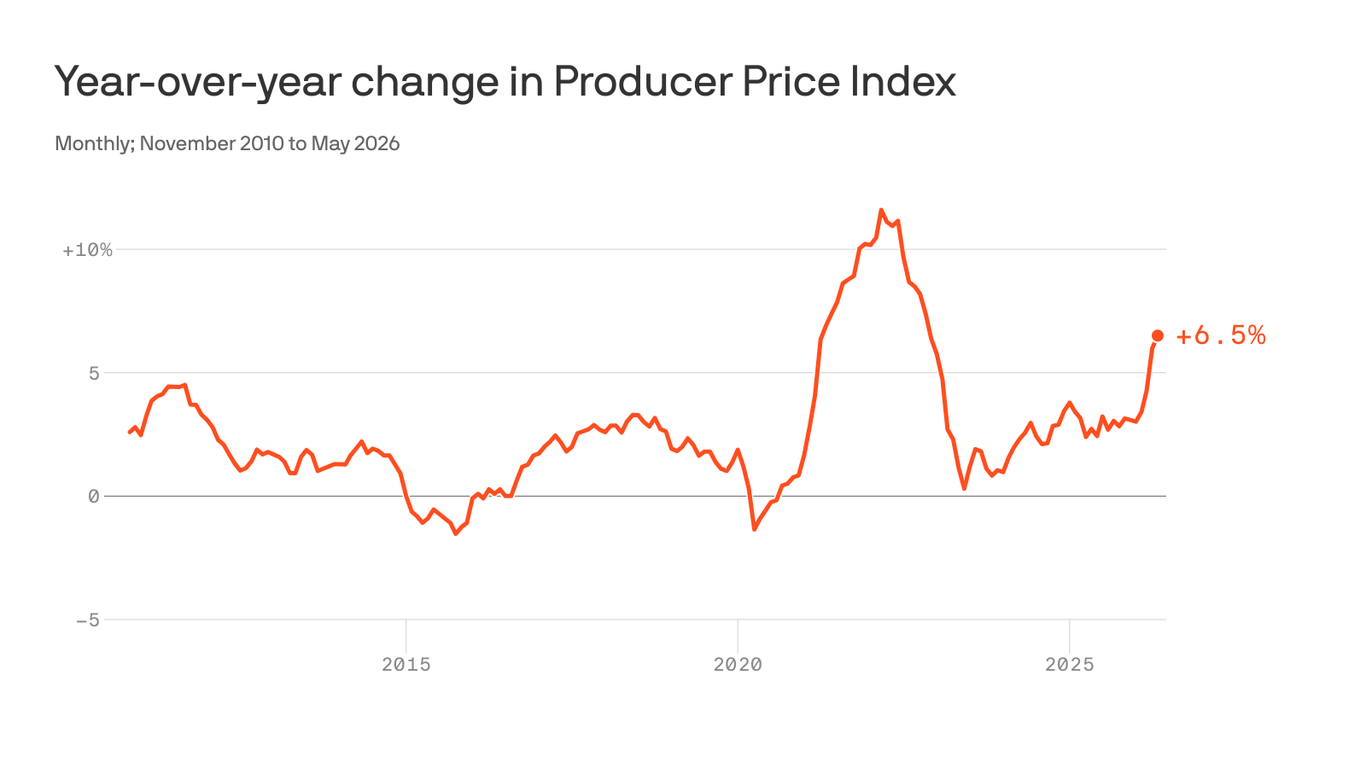
Annual producer inflation more than doubled to 4.8% in April from 2.3% in March in the latest sign that the surge in global oil prices due to the Middle East war is pushing input costs sharply higher.The year on year change in the headline producer price index (PPI) for final manufactured goods was mainly driven by coke, petroleum, chemical, rubber and plastic products, which were up 11.8% and contributed 2.5 percentage points, Statistics South Africa said on Thursday.Other key contributors were food products, beverages, tobacco products and paper and printed products.On a month on month basis, producer inflation also accelerated to 3% in April from 1.1% in March, again largely propelled by petroleum, chemical, rubber and plastic products, which registered a rate of 12.8% and accounted for 2.7 percentage points of the overall number.The data came out a few hours before the South African Reserve Bank’s latest decision on interest rates, with the monetary policy committee widely expected to hike the main policy rate by 25 basis points to keep inflation pressures contained.The producer price index measures changes in the prices of locally produced commodities. Stats SA surveys a sample of producers each month to compile the indices for final manufactured goods, intermediate manufactured goods, electricity and water, mining and agriculture, forestry and fishing.The annual change in the PPI for intermediate manufactured goods was 10% in April compared with 9.1% in March and the index increased by 3.2% month-on-month.The annual percentage change in the PPI for electricity and water, however, slowed to 12.5% in April from 17.9%, as did the change in the index for mining to 24.9% from 33%.The producer price index for agriculture, forestry and fishing fell 6.5% year on year in April after a 2.9% contraction in March, but was up 0.6% month on month.Last week, the South African Chamber of Commerce and Industry (Sacci) warned production costs will remain elevated in coming months on the back of rising fuel prices due to the US-Iran war.Three-quarters of respondents in Sacci’s April trade conditions survey reported their production costs had risen, while 95% said they expected costs to increase over the next six months.Business Day