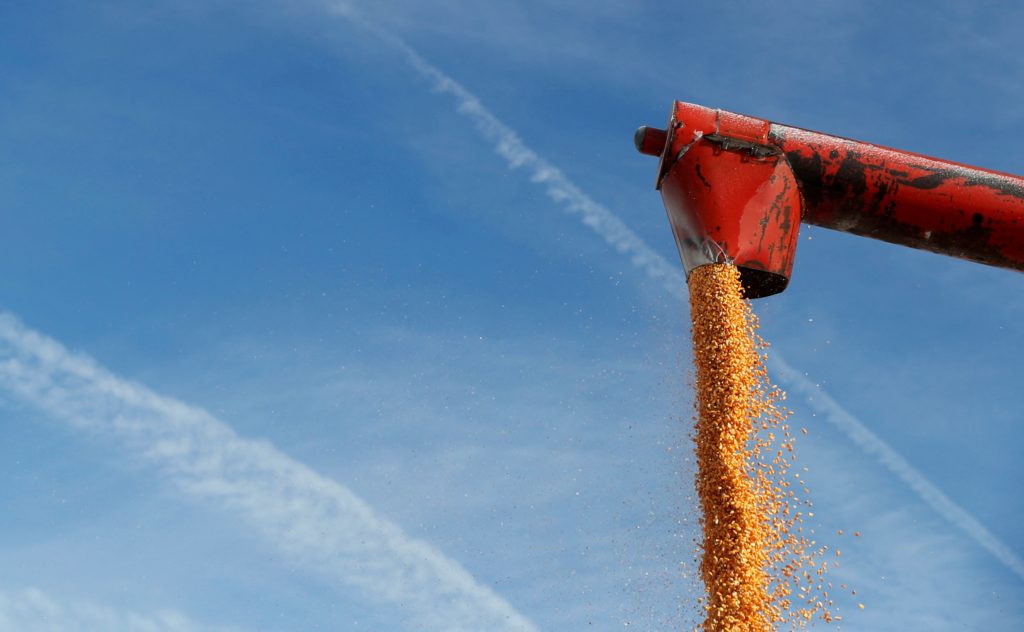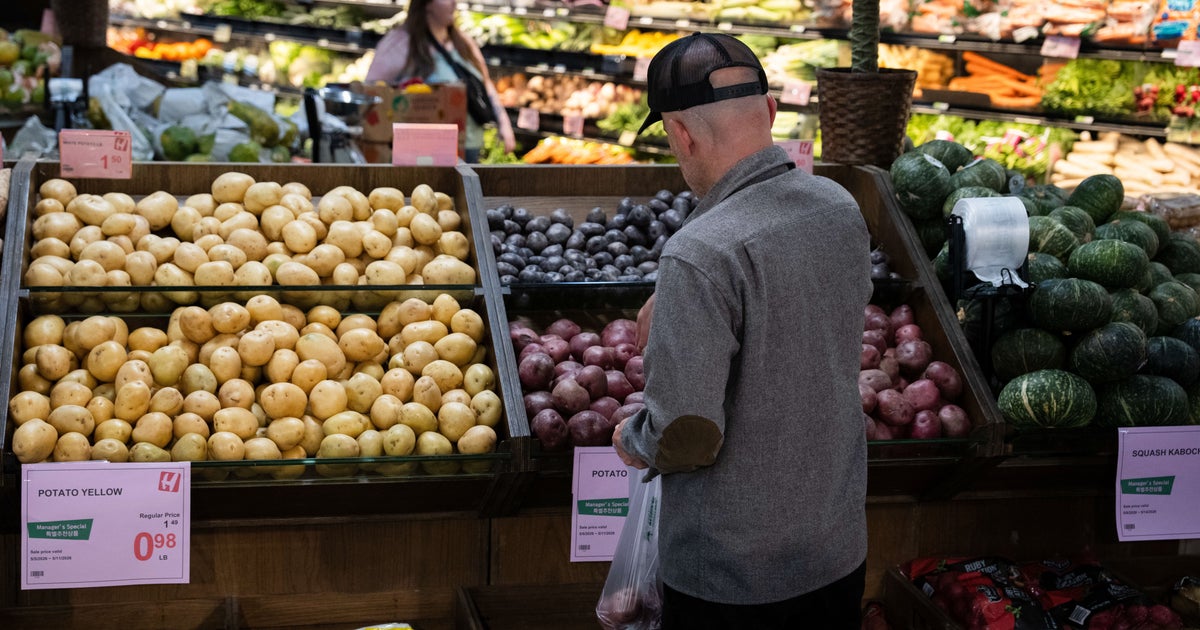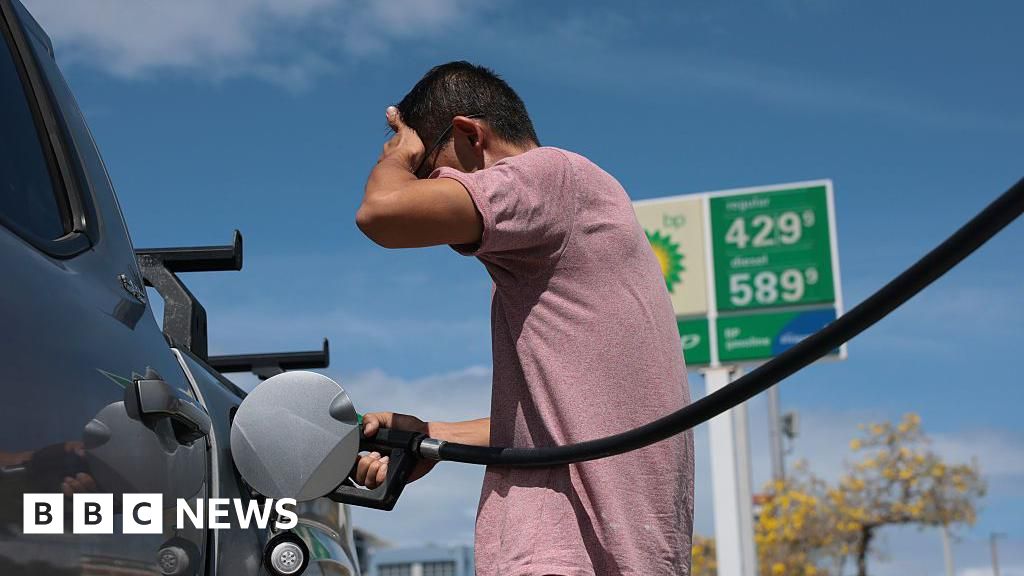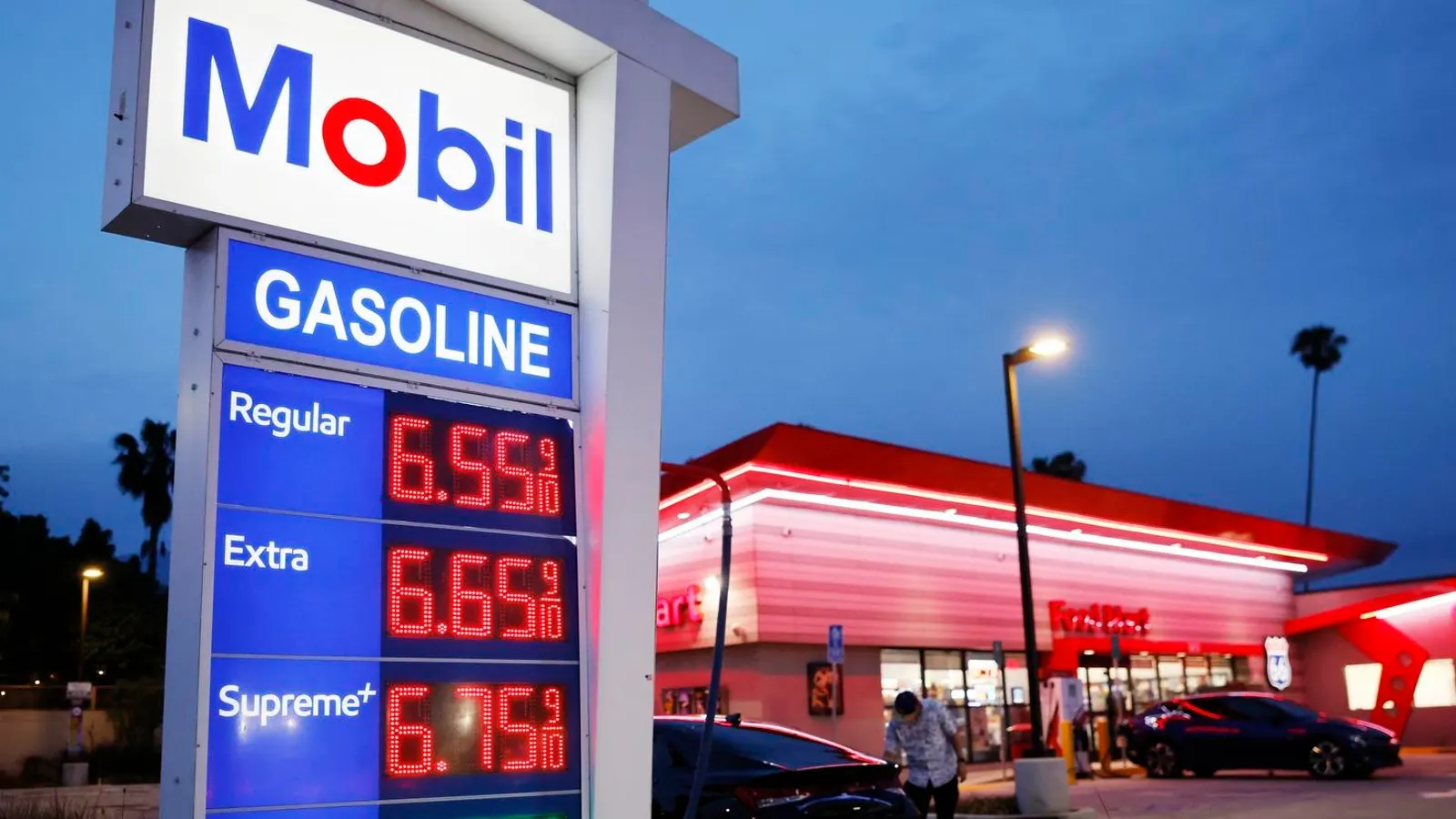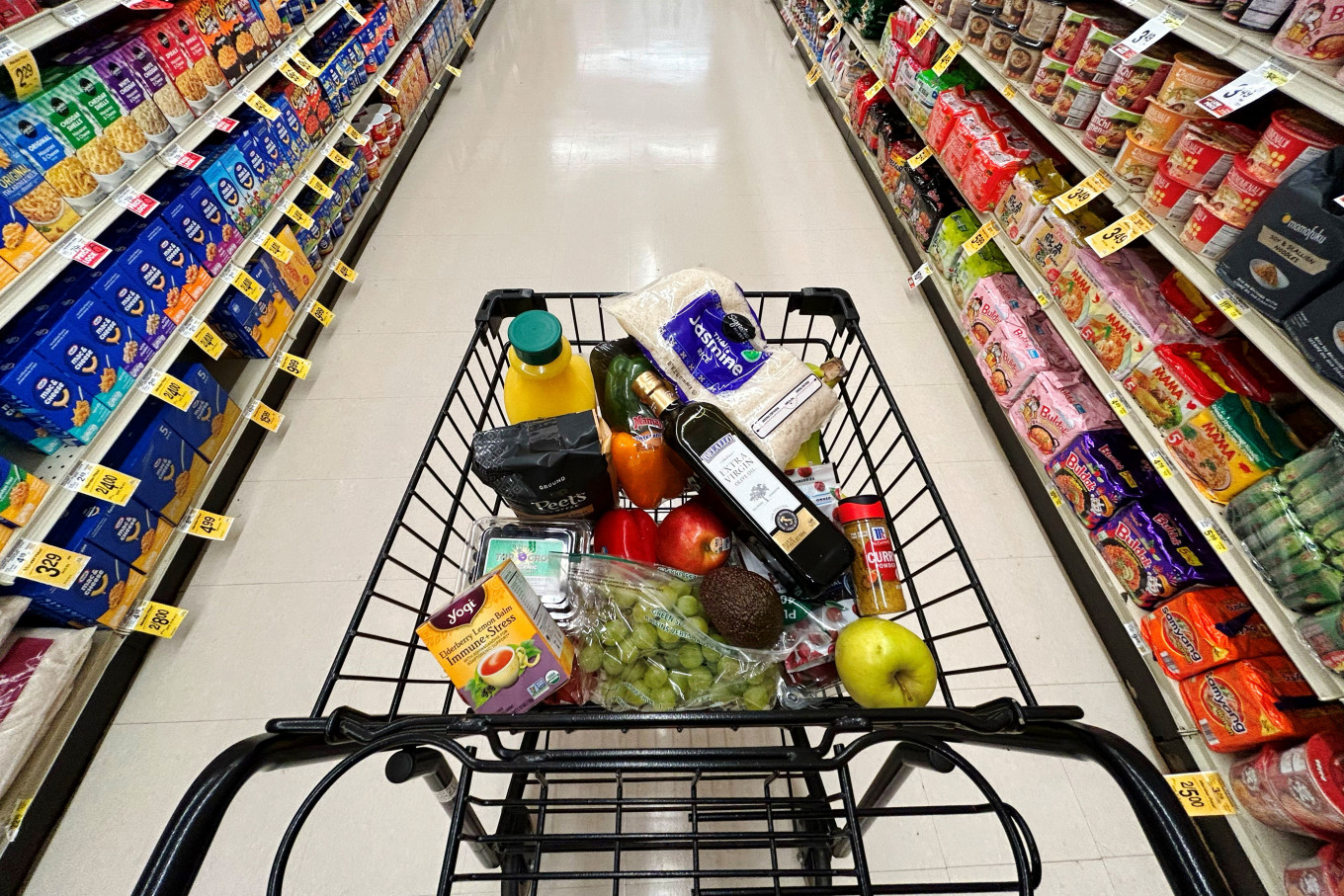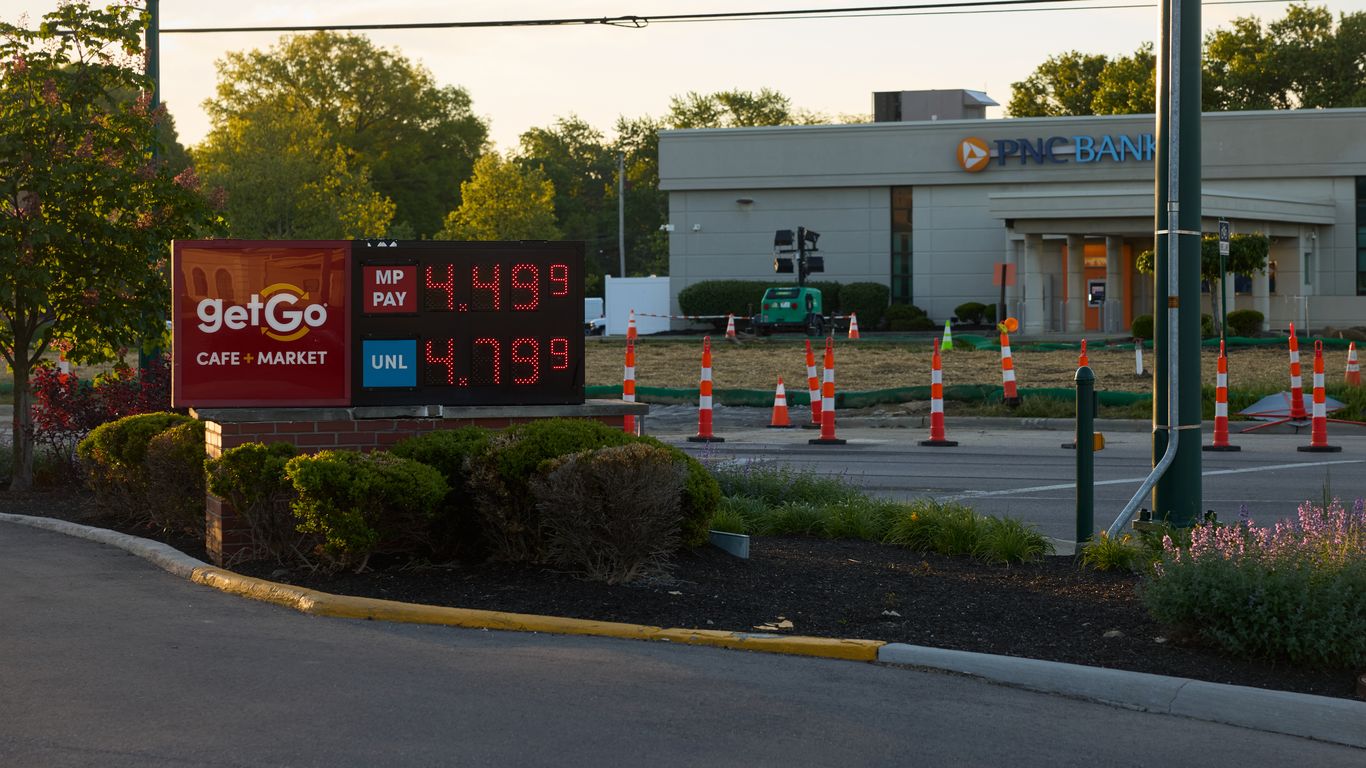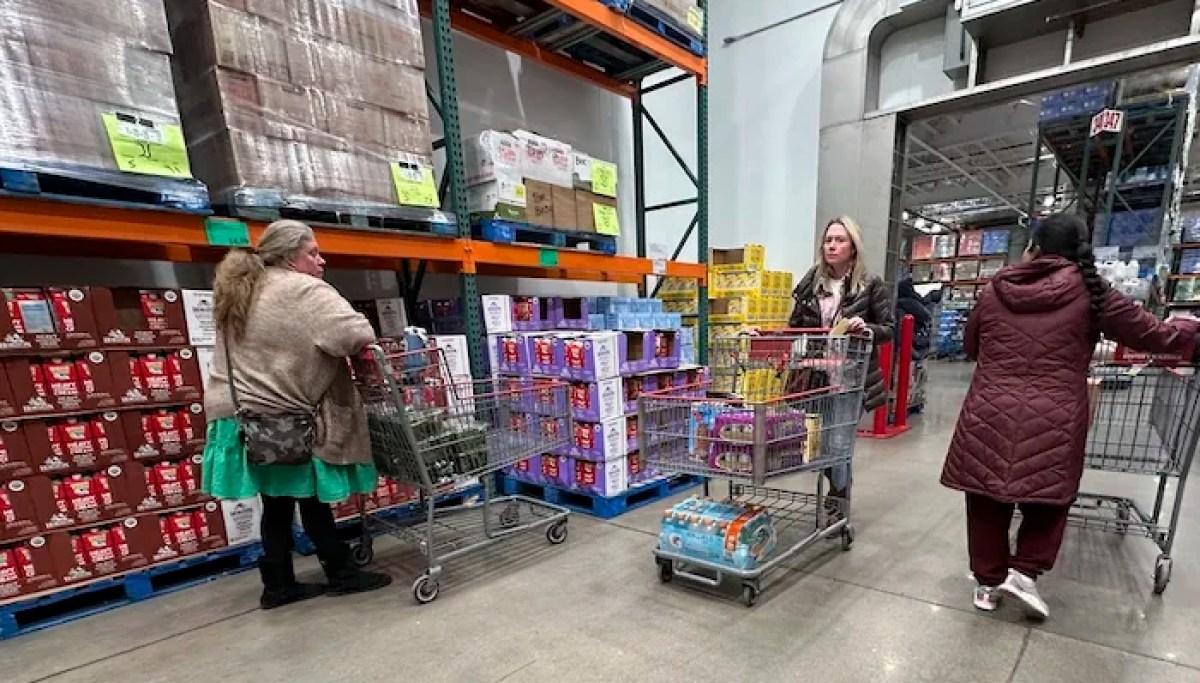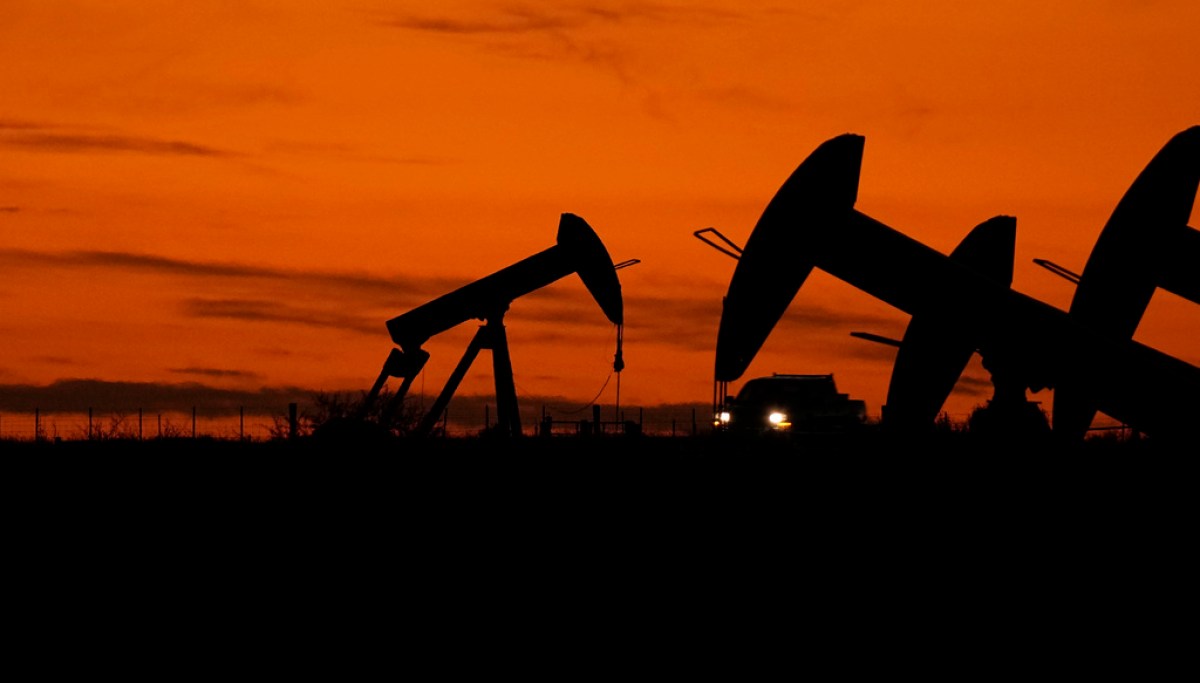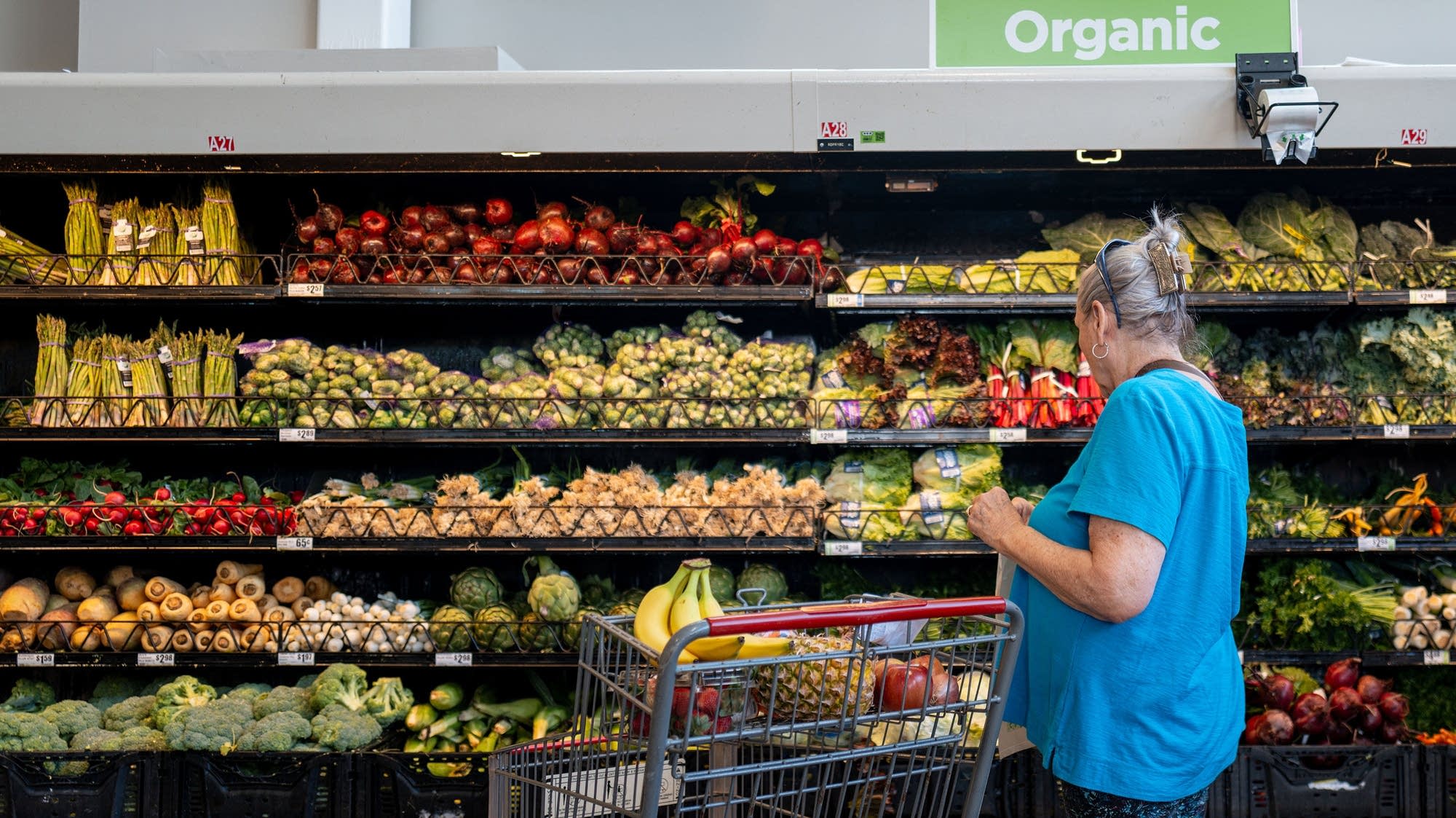
For the second time this week, we got some not-great news on the inflation front. On Tuesday, we learned that the consumer price index showed inflation ran at 3.8% year-on-year in April. That's up half a percentage point from the month before.Then on Wednesday, it was the producer price index causing the agita. It tells us what wholesalers and other businesses charge sellers for goods and services. And, of course, what they charge eventually gets passed on to consumers. It shows that some big price hikes could be in the pipeline.The PPI for April came in way above what forecasters had been expecting: year over year, wholesale inflation spiked to 6%, up from 4.3% the month before. We haven’t seen numbers like that since 2022, during the post-pandemic burst of inflation.When Laura Veldkamp, an economics and finance professor at Columbia University, saw the numbers this morning, the word that came out of her mouth was “Wow.” “That's a large rise in prices,” she noted. The reason for the “wow” is that these are price hikes that we as consumers haven’t even seen yet. “This is above and beyond what we've already felt at the gas pump or on the shelf of the store.”You can probably guess the cause of that jump in prices: “This seems directly related to the war in the Middle East, to the disruption in the fuel supply,” Veldkamp said.Diesel is up 13%, while gas is up 16%. And that’s a problem. “Some of these higher energy prices are starting to feed into other goods and services prices,” said Grace Zwemmer, U.S. economist at Oxford Economics. Some of those other prices are obvious, she said — trucking, freight, and passenger transportation, but energy spikes also sneak into grocery prices too.“They're what drives a lot of farm equipment, but also commercial transportation equipment,” Zwemmer said.Now, producers have already paid those prices. Even if the war ended tomorrow and energy prices fell, Gary Brode, managing partner of Deep Knowledge Investing, said that the producers still have to recoup their higher costs.“If the input costs go up, that has to work its way through the system,” he said.Even though prices feel high now, Brode said it’s a good time to stock up — because they’re only gonna get worse.“Go buy canned tuna fish, canned chickpeas, canned beans, stuff like that,” he said. “So when your grocery bill for really good fresh food skyrockets, you can say, ‘You know what, once or twice a week, we're going to eat out of the pantry.’“Columbia’s Laura Veldkamp warned that consumers have about two to four months before the price spikes in Wednesday’s PPI show up on store shelves.
Jump in producer prices shows more inflation pain on the way for consumers
And the war in the Middle East is to blame.
445 words~2 min read