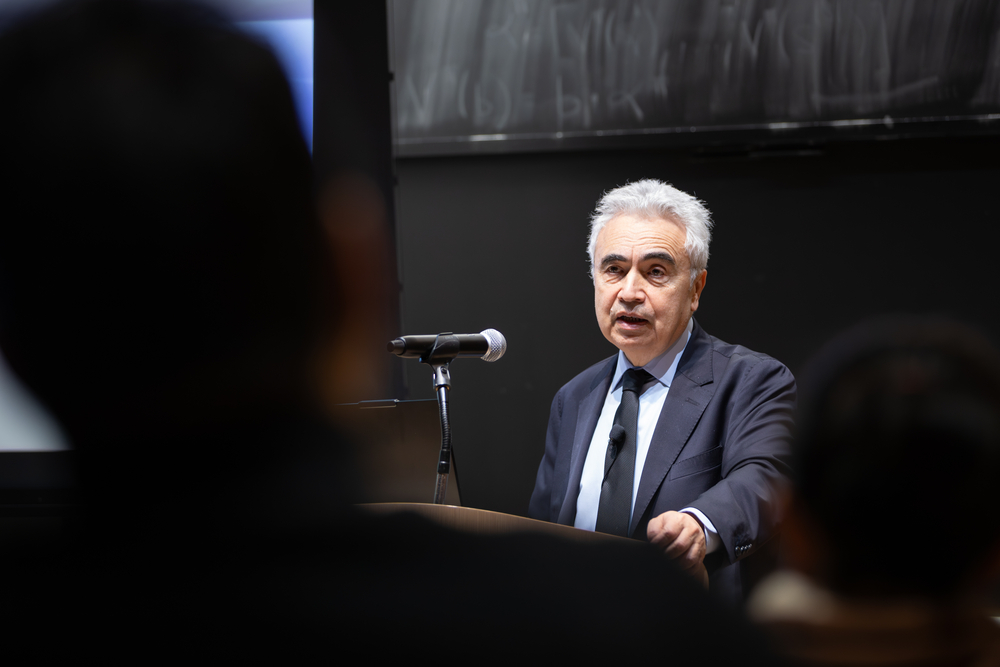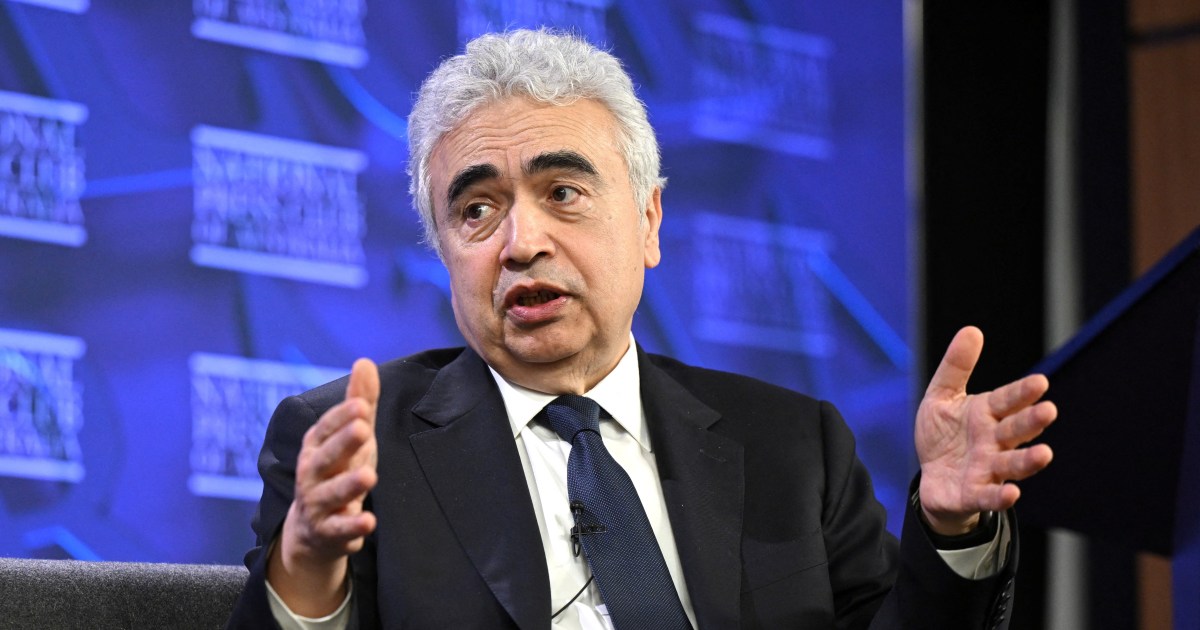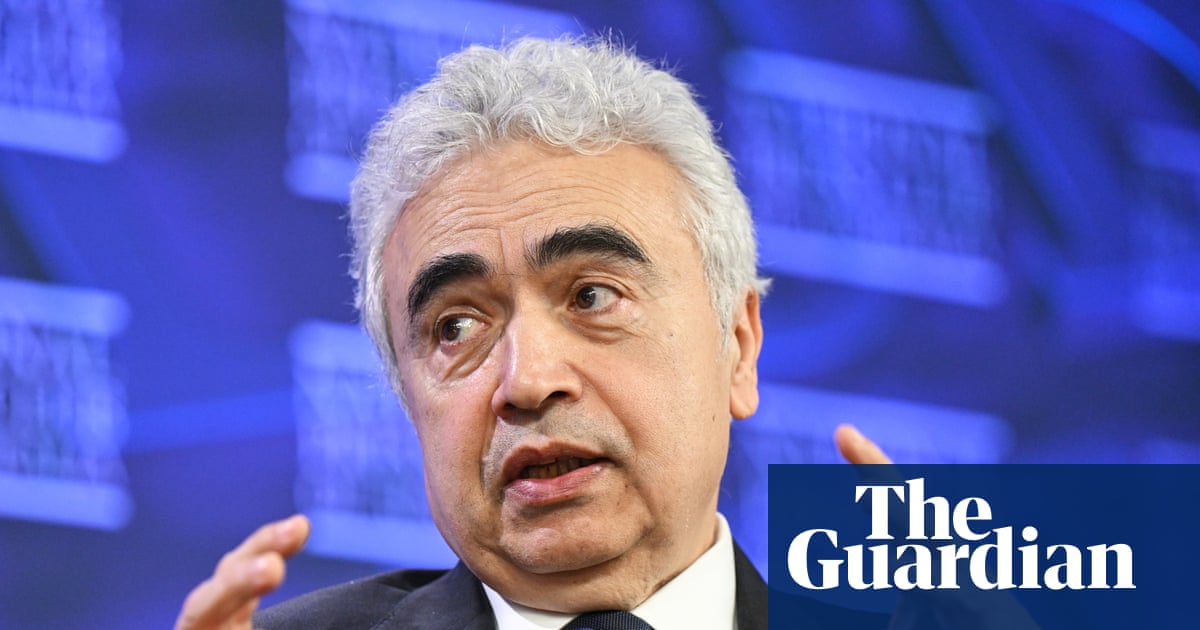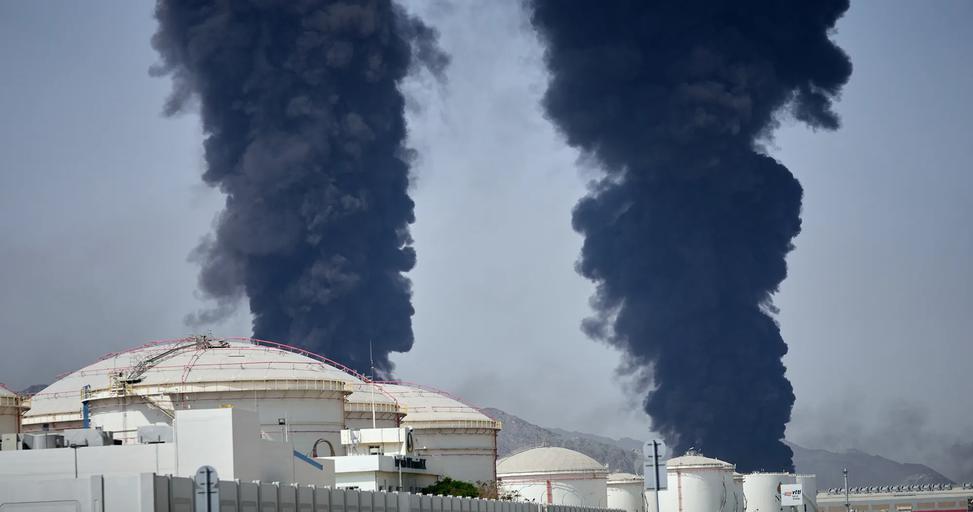
Fatih Birol, the executive director of the agency, stated: "We are in the midst of the largest energy security crisis the world has ever experienced. These conditions will likely reshape global investment strategies, mirroring the transformations that followed the oil shocks of the 1970s."
In the "World Energy Investment" report, he emphasized that both energy-producing and energy-consuming nations are diversifying their trade routes and supply sources.
According to the organization's estimates, global energy investment will reach $3.4 trillion in 2026, slightly higher than the previous year. Out of this figure, approximately $2.2 trillion will be allocated to the development of electricity grids, storage, low-emission technologies, nuclear power, renewables, energy efficiency, and electrification.
In contrast, about $1.2 trillion will be invested in oil, natural gas, and coal.
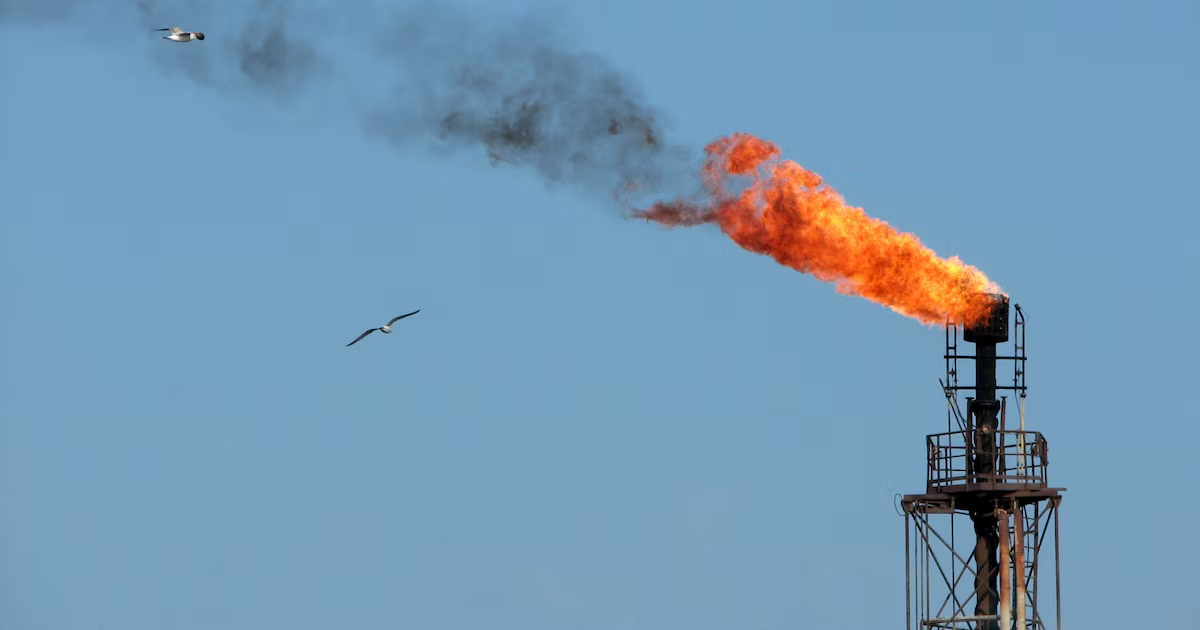
Nevertheless, investment in the oil sector is projected to decline for the third consecutive year, falling below $500 billion despite rising oil prices. The International Energy Agency cited uncertainty over the sustainability of high prices, the time-consuming nature of oil projects, supply constraints, and reduced market capacity for offshore drilling rigs as the primary reasons for this trend.