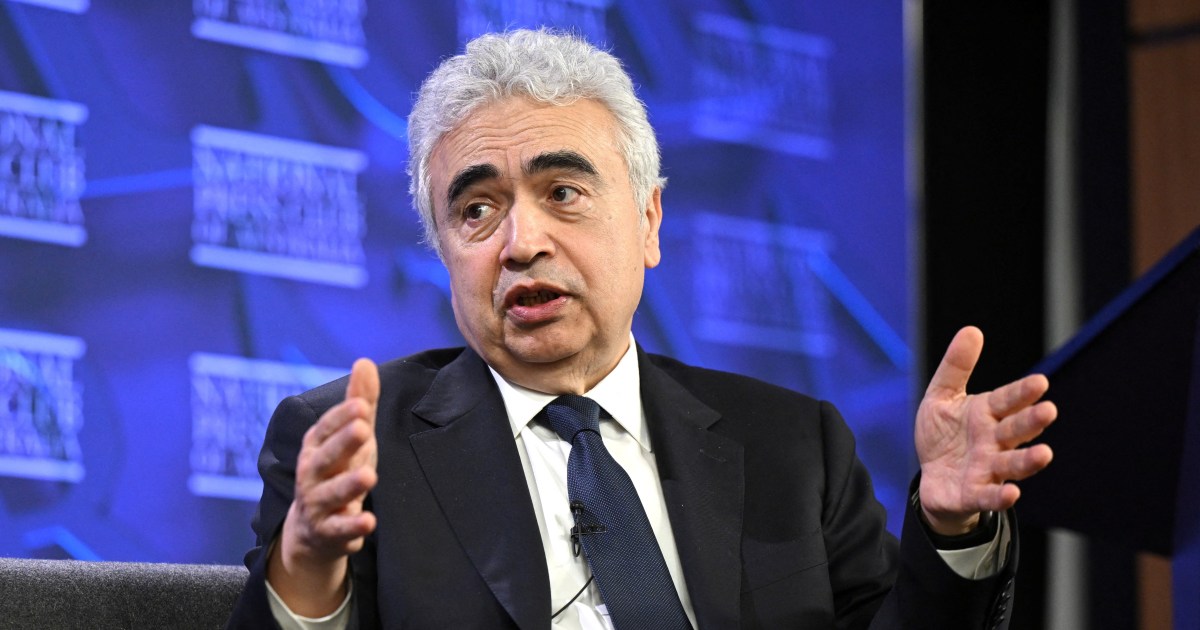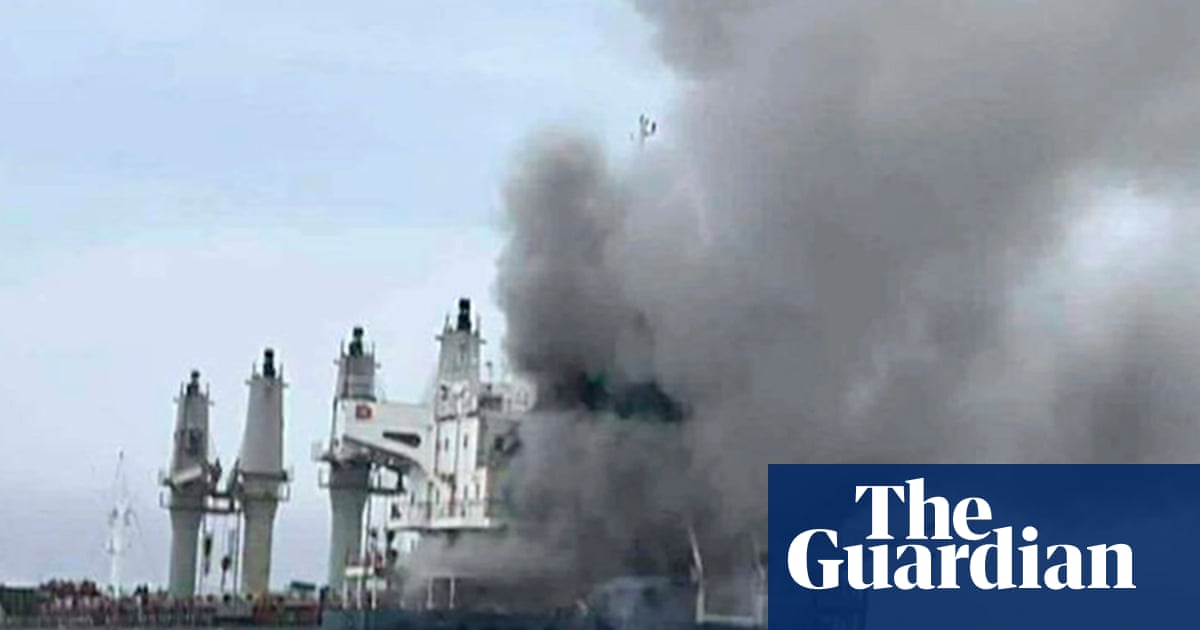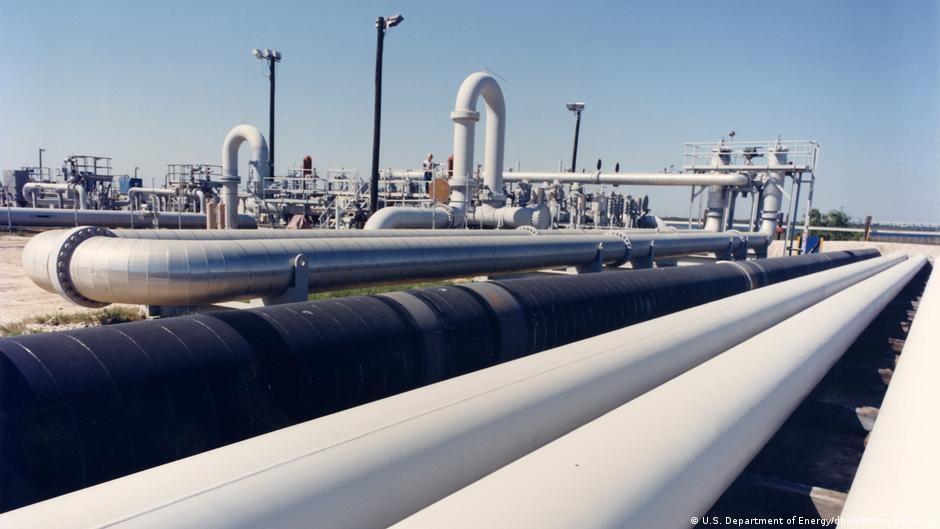
The world is facing the “largest energy security crisis” in history as the Middle East war forces countries to scramble for new supply routes, expand domestic energy production and rethink long-term investment strategies, the International Energy Agency (IEA) said Thursday.“We are in the midst of the largest energy security crisis the world has ever faced -- and I believe this will reshape investment strategies globally, with parallels to the major changes the energy world witnessed after the oil shocks of the 1970s,” said IEA executive director Fatih Birol in the agency’s latest World Energy Investment report.Also read: India may cheer an Iran deal, but peace in Hormuz won’t refill its emptying economic tankThe warning comes as governments and energy companies race to shield themselves from disruptions caused by escalating conflict in one of the world’s most critical oil and gas regions. According to the IEA, the crisis is accelerating efforts to diversify trade routes, build alternative supply infrastructure and reduce dependence on imported fuels.“We are already seeing intensified efforts by both producer and consumer countries to diversify trade routes and energy sources -- such as advancing new pipelines and other supply infrastructure, on the one hand, and turning more to domestically available resources, on the other,” Birol added.The Paris-based agency estimated that global energy investment would rise to $3.4 trillion in 2026, marginally higher than last year, underscoring how the conflict has sharpened concerns over energy resilience and long-term supply security.Of the total investment, around $2.2 trillion is expected to flow into power grids, energy storage, low-emission fuels, renewables, nuclear power, electrification and efficiency measures. Another $1.2 trillion is projected to go toward oil, natural gas and coal.Gas and grids gain momentumWhile oil prices have climbed amid fears of supply disruptions, the IEA said investment in oil production is expected to decline for the third consecutive year in 2026, slipping below $500 billion.The agency attributed the slowdown to uncertainty over how long elevated crude prices will persist, alongside supply-chain constraints, lengthy project timelines and tightening offshore rig markets that are limiting near-term investments outside the Middle East.Natural gas, however, is emerging as a major beneficiary of the crisis-driven energy shift.Investment in gas is “projected to rise to $330 billion, the highest level in a decade, supported by a wave of new LNG export projects, particularly in the United States and Qatar,” the IEA said.Electricity infrastructure is also drawing unprecedented capital as countries seek to strengthen domestic energy systems against future shocks. The IEA expects investment in electricity supply and infrastructure to touch nearly $1.6 trillion in 2026, including roughly $550 billion for power grids alone, while spending on battery storage is projected to cross $100 billion.Also read: Trump appears to threaten to 'blow up' ally OmanCoal comeback amid energy fearsThe report said oil-importing nations are increasingly turning to resources available within their own borders, particularly renewables, nuclear energy and even coal, as governments prioritise energy security over longer-term climate concerns.Renewable energy investment is expected to reach around $665 billion in 2026, including $365 billion for solar power alone. Nuclear investment, meanwhile, is projected to exceed $80 billion annually.But the sharpest signal of the energy-security pivot may be coal’s resurgence.The IEA said investment in coal is expected to climb to $180 billion this year — the highest level in a decade — with China accounting for nearly 70 percent of global coal supply spending.Some Asian countries are also expected to extend the life of existing coal-fired power plants to avoid potential supply shortages and reduce exposure to volatile global fuel markets, the report added.(With inputs from AFP)
World faces biggest-ever energy security crisis as Iran war disrupts fuel flows, warns IEA
The world faces an unprecedented energy security crisis, forcing nations to seek new supply routes and boost domestic production. The International Energy Agency warns this will reshape global investment, mirroring the 1970s oil shocks. While renewables and nuclear power see growth, natural gas and even coal are experiencing a resurgence amid fears of supply disruptions.
596 words~3 min read