K
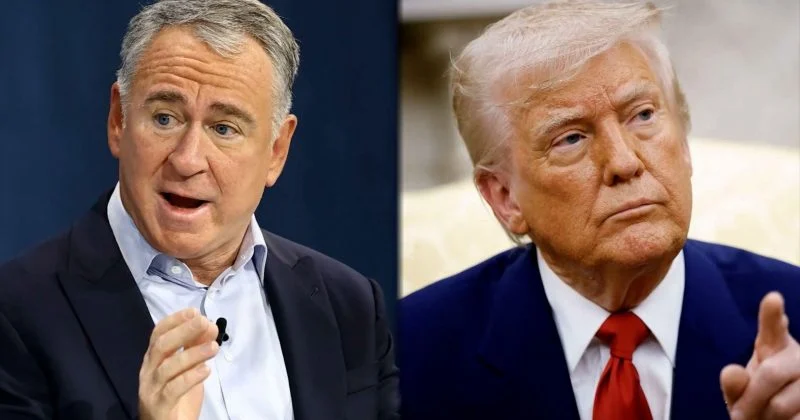
en Griffin wasn’t buying the AI panic. At Davos in January, the billionaire founder of Citadel, the Miami hedge fund giant with $68 billion in investment capital, dismissed artificial intelligence’s output as “garbage.”
Then this month, Griffin did a 180. He watched AI agents do complex work in hours that once took Citadel employees weeks or even months. Citadel’s entire business is built around hiring brainiacs. More than 40% of its employees hold advanced degrees, including about 270 Ph.D.s across 40 fields. These are some of the highest-paid workers in America –the median annual compensation for software engineers at Citadel is more than $500,000– and software that can replace even part of that labor could save firms like Citadel enormous amounts of money. Griffin still said he went home depressed because machines were starting to do work that once only those people could do.
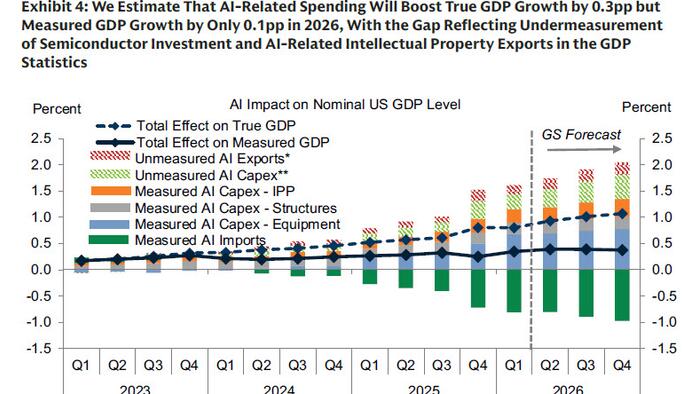
Economists may soon face a strange problem. Businesses grow. GDP rises. Profits stay strong. But the jobs don’t come along for the ride. If AI allows companies to produce more with fewer workers, America could end up looking richer on paper while millions of households feel poorer in real life. An economy with rising GDP and 8% unemployment would have sounded implausible a few years ago. With each passing day, it sounds a little less so. If that’s where the economy is heading, economists may have to rethink whether growth alone still tells us the economy is healthy.