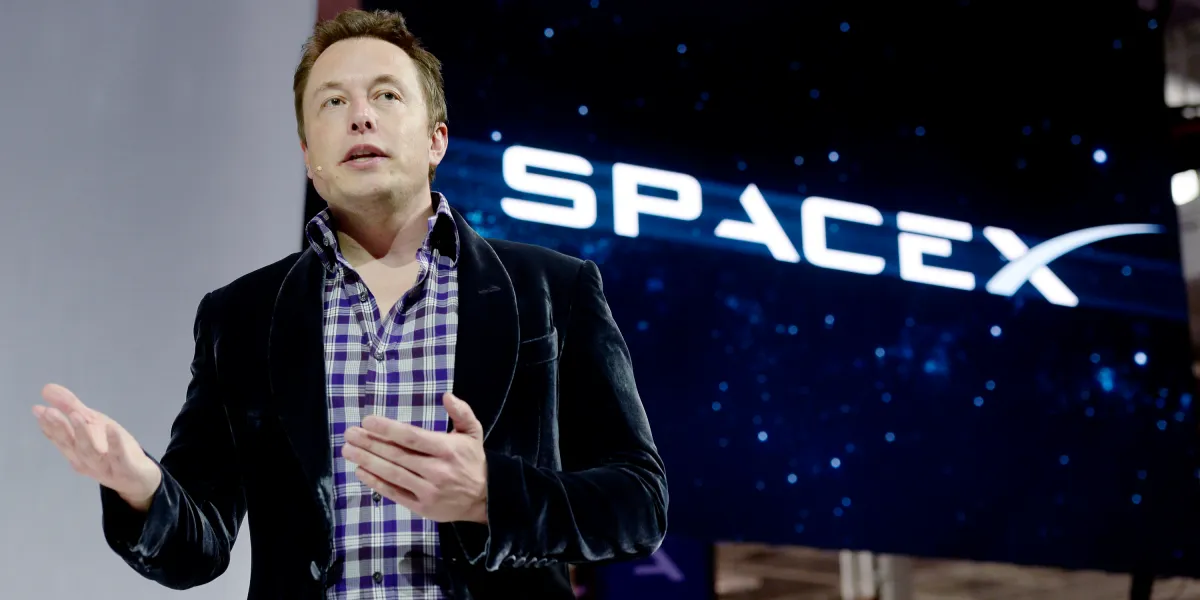
The particular joy of an S-1 is that it cracks open a business long held close.
So, when SpaceX finally and officially filed to go public last week, it was momentous. At long last, there was visibility: We know the company’s 2025 revenue was $18.67 billion, that its losses are also up to nearly $5 billion, and that Elon Musk’s pay package is partially linked to establishing a minimum-one-million-citizen colony on Mars.
But, as a recent note from PitchBook’s Franco Granda pointed out, there’s also a lot we didn’t see, and that even in this wave of disclosures, crucial pieces of information didn’t come to light. Granda wrote that SpaceX’s S-1 isn’t nearly as granular as you might expect when it comes to, say, information around subscriptions, which appear in the business not only in the context of X (formerly Twitter) but Starlink.
This is especially material, as Starlink is clearly the economic engine of the business in so many ways and has stunning margins (an adjusted EBITDA margin of 63%).
“Most major subscription businesses that have gone public (T-Mobile, AT&T, Spotify, Duolingo, Peloton, Chewy) disclose retention or churn metrics, whereas SpaceX does not,” Granda writes. “With 10.3 million [Starlink] subscribers… and aggressive international expansion into lower-priced tiers, investors cannot decompose whether headline subscriber growth reflects durable cohort retention or is masking attrition behind elevated gross adds… This is among the most important metrics for modeling subscriber economics, and its absence is conspicuous.”