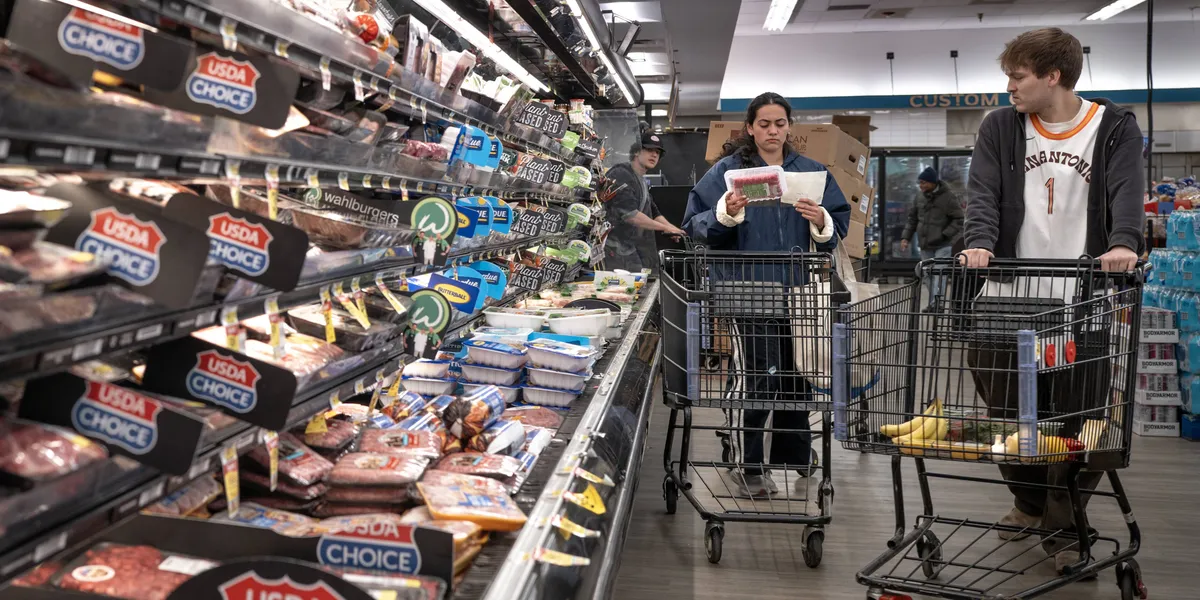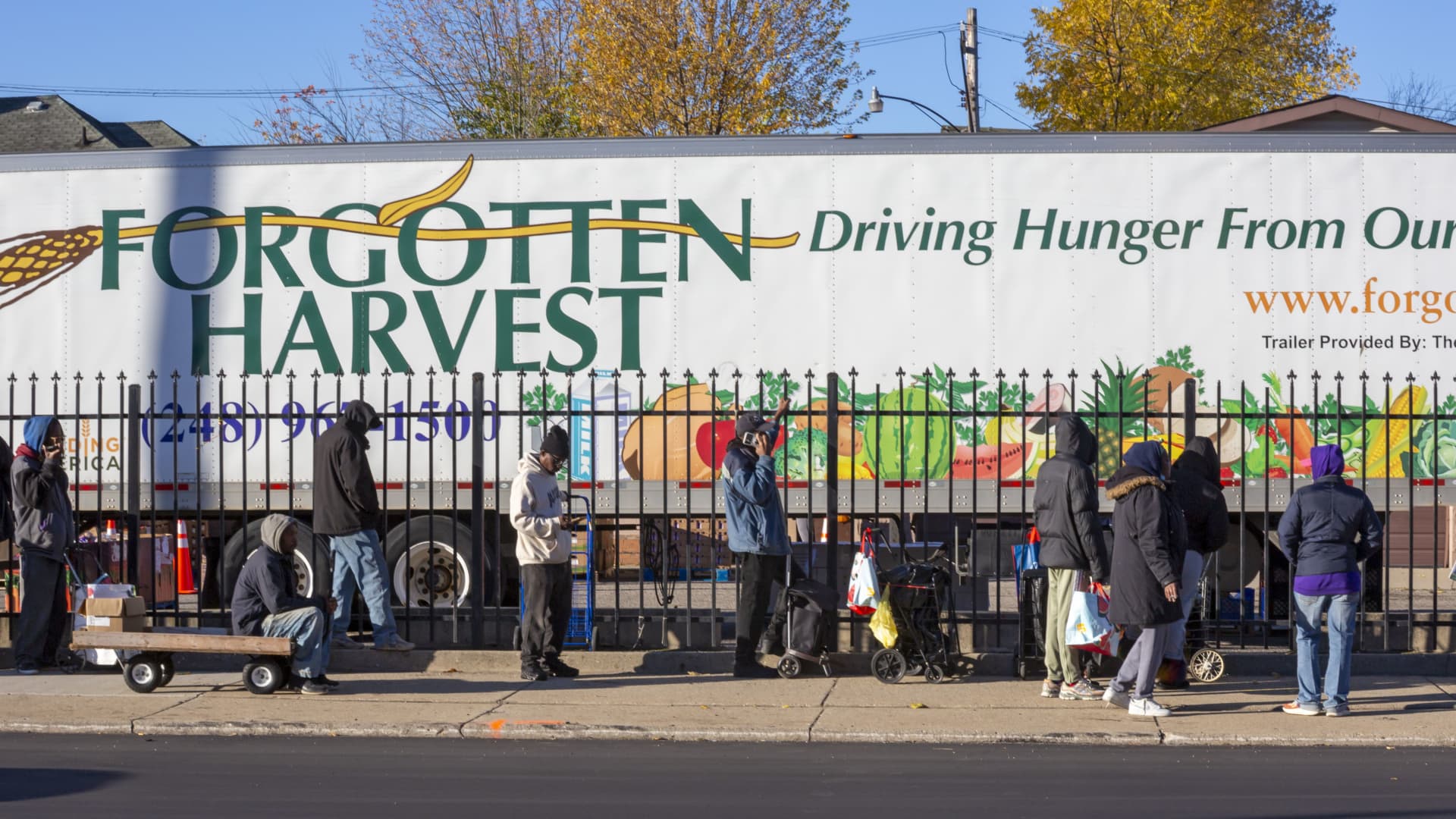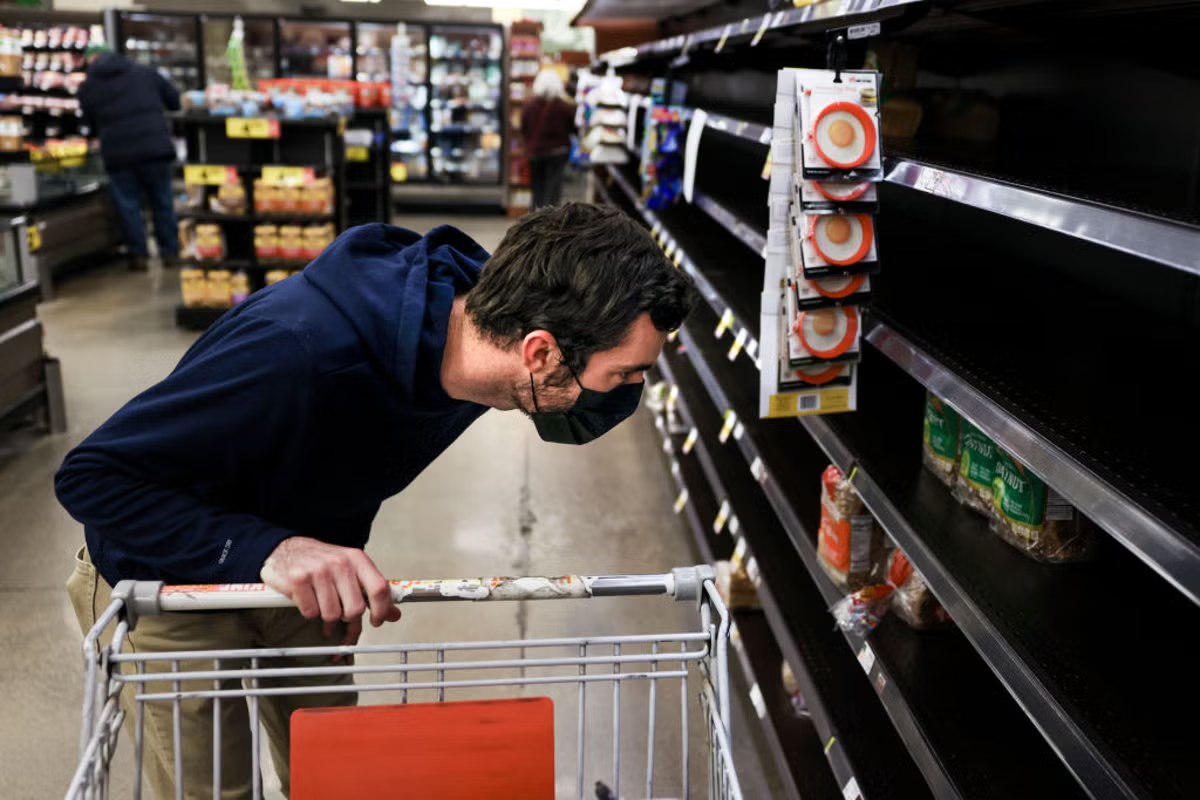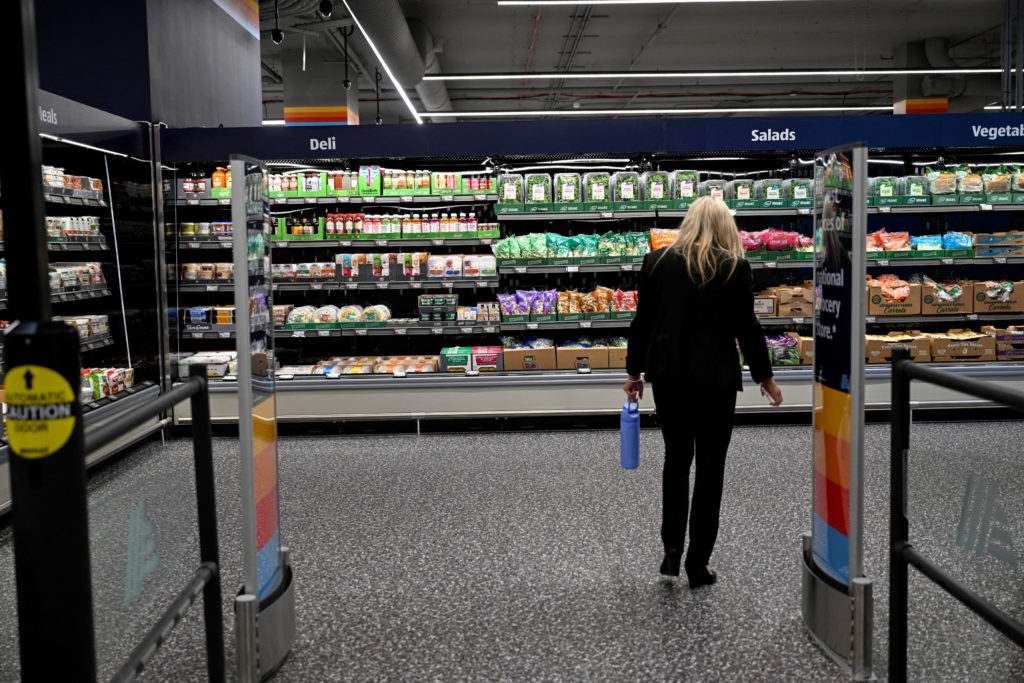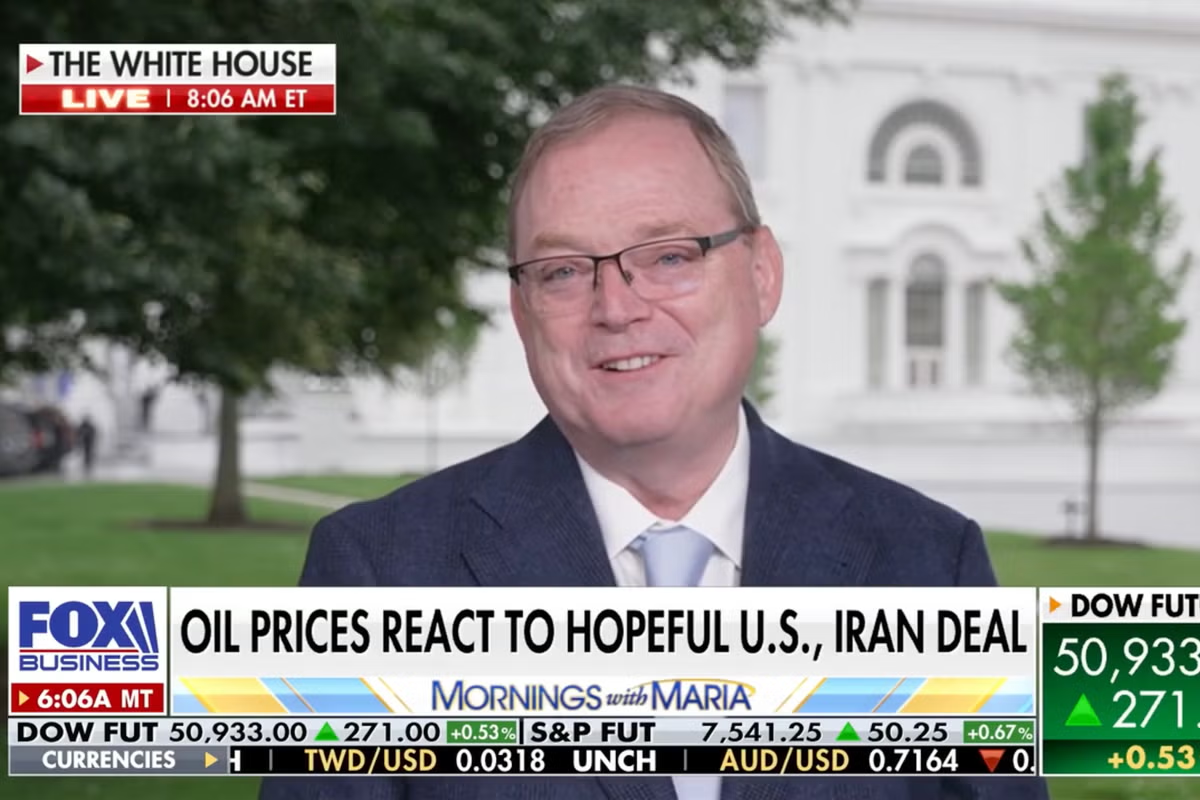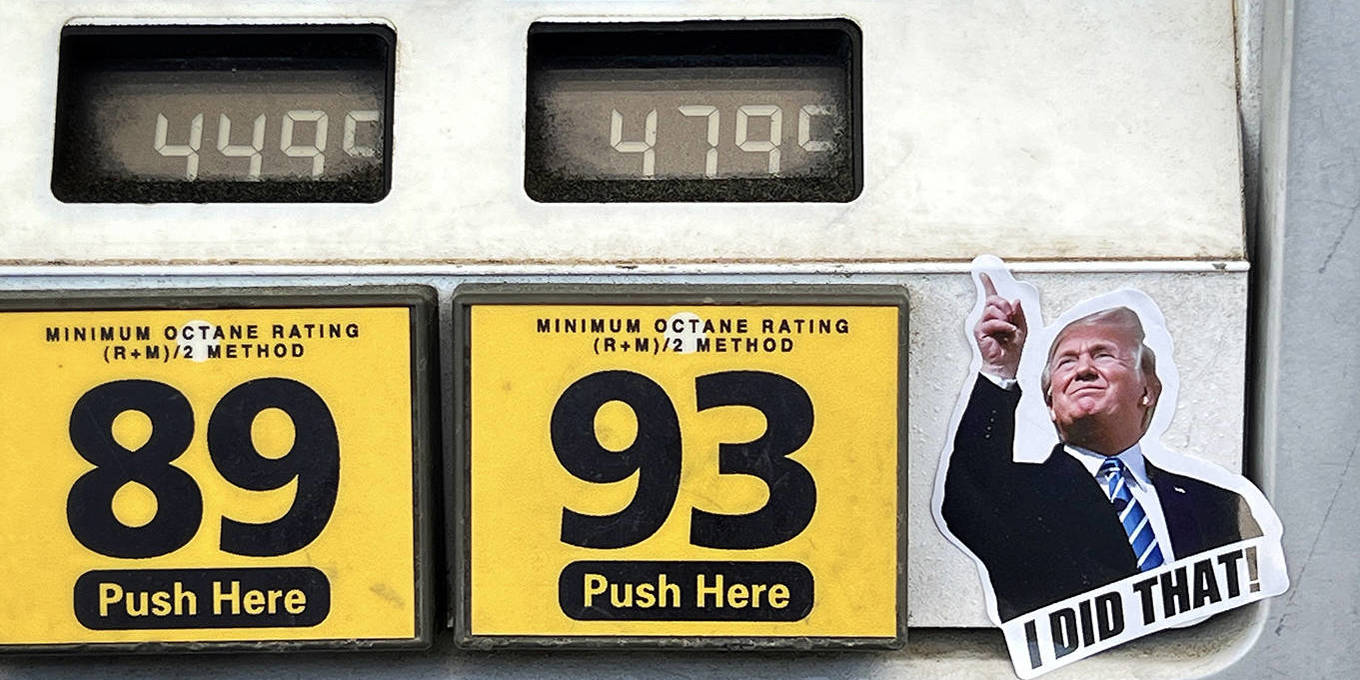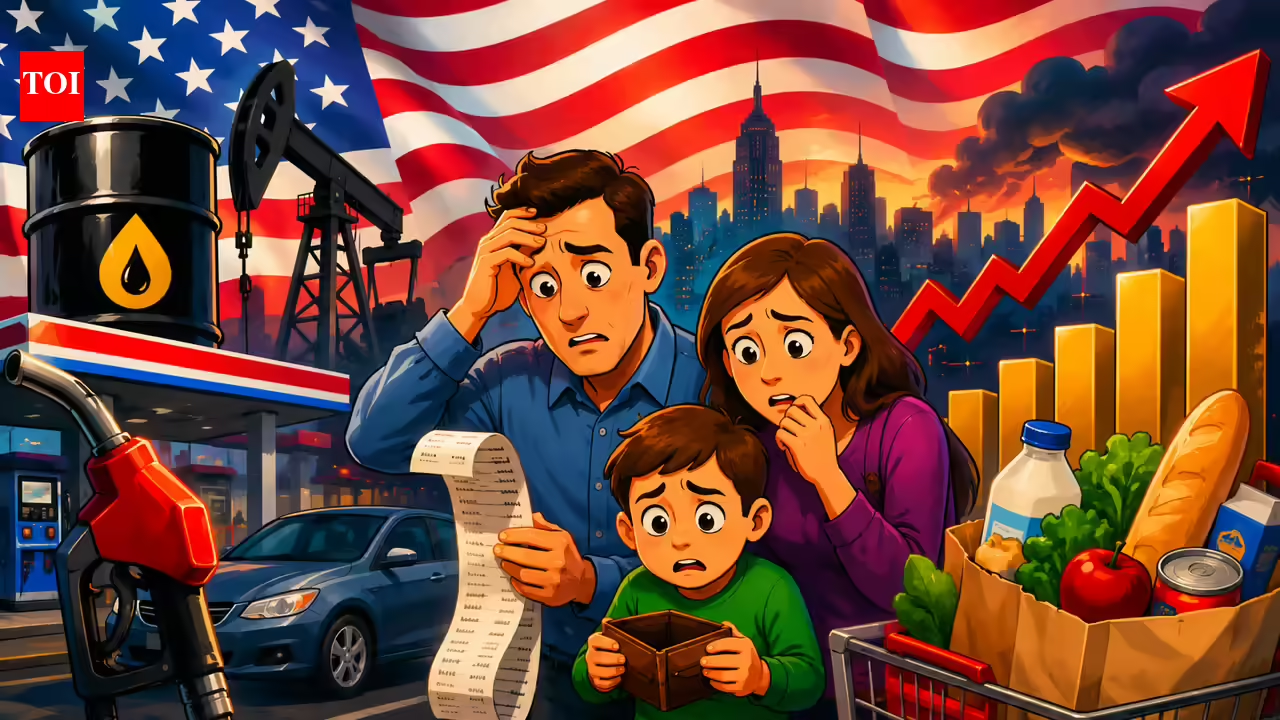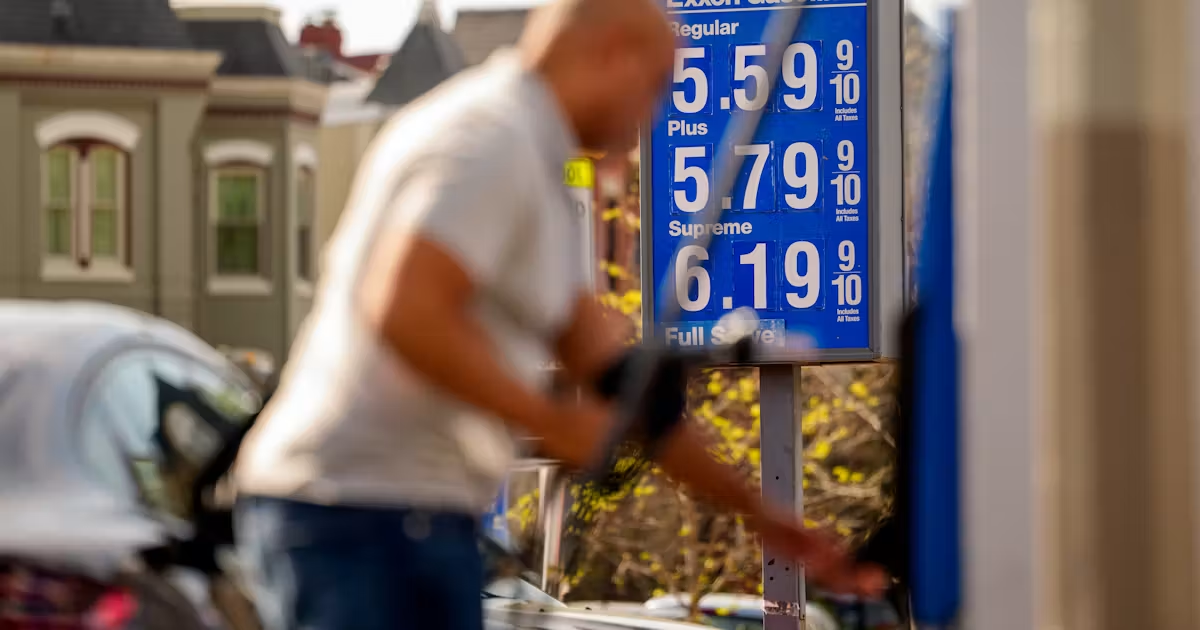
“I should be securely in the middle class,” Kris Massey, a 57-year-old nurse practitioner who lives near Nashville, told CNN. “I should be fine, and I’m not. I can’t be the only one feeling like this.”As that CNN article shows, a lot of people in America are struggling to get by right now, thanks in part to a huge spike in prices caused by President Trump’s war against Iran, which retaliated by closing the Strait of Hormuz. The nationwide average for a gallon of gas is $4.45, per AAA’s tracker. Consumer sentiment just hit an all-time low—worse not only than during the Great Recession the pandemic, and even the oil crises of the 1970s. Since 2021, CNN notes, prices are up more than 25 percent. The high cost of everything played a pivotal role in the 2024 election, dragging down approval of the Biden-Harris administration and boosting Trump’s campaign, which focused on bringing down prices. Now, looking ahead to the November midterms and the 2028 presidential election, the table has turned: Without really doing much of anything—largely because they hold no power in Washington—the Democratic Party is favored to retake at least one chamber of Congress in the fall and will likely be in a strong position to retake the presidency two years later. Affordability politics has become a pendulum, with consumer sentiment driving electoral shifts: Voters punish incumbent parties for high prices and empower minority parties, and then a few years later they reverse course. That’s good news for the Democrats in the near term—but a warning to them as well.There is a temptation to view these electoral shifts as being driven by events—that post-pandemic inflation doomed the Democrats and now Iran war inflation is kneecapping Republicans. That is hard to argue with, but it obscures something else: Affordability politics predates both crises. It is the second most important political trend of the last decade, behind the rise of Trump’s Make America Great Again movement. As The Atlantic’s Annie Lowrey wrote in a shrewd piece last weekend, even many people who are not drowning in this economy still hate it. “People have stopped believing that the economy can be good, and have lost the willingness to admit that they are doing well,” Lowery writes. “That pessimism might be harder to fix than an actual downturn.” That pessimism has also become a stubborn part of our politics, and will no doubt persist in two years—even if the war ends, the Strait of Hormuz reopens, and global commerce returns to “normal.” Democrats need to prepare right now for this political reality—and if and when they retake power, they need to have a plan to deal with what Lowery calls the “permacession.” Here’s Lowery running through the data: Ninety-six out of every 100 Americans who want a job have one. The rate of underemployment is low, and the rate of labor-force participation is high, meaning that there’s no pool of discouraged workers lurking behind the marquee jobs statistics. Young workers are struggling to establish themselves, given businesses’ caution around hiring. Still, the tight labor market has fueled wage gains that have swelled family budgets, even after accounting for inflation. Real disposable personal income, which measures how much spending power Americans actually have, is at a record high. It’s a bit perplexing to read this, given that prices are soaring again, but she’s right. The U.S. economy is, in spite of everything, still quite good—and it looks even better when compared to other countries. The idea that the economy is in good shape, but people still complain about it, was a familiar refrain from Biden administration officials—including the president—and many of their allies. They were perhaps right to be bitter. They had done a masterful job of managing the end of the pandemic and reopening the economy—better than anyone else in the world. They blamed Republicans and, especially, the media for fueling negative feelings, essentially arguing that the press was gaslighting the people, who simply didn’t know how good they had it. That is never a good electoral message, of course, and it was especially lousy coming from a blundering 82-year-old president. But Lowery’s piece offers a better, if frustrating, explanation: Americans are just kind of miserable right now. She offers a number of potential explanations: political polarization, the sticker shock of inflation, declining trust in institutions, phone addiction. There isn’t a clean explanation, but what’s offered is more thorough—and in some ways more dispiriting—than the one offered by Biden. Americans are miserable right now for reasons that aren’t easy to explain, which means elected politicians can’t message their way to success. There’s no easy way to convince people who think the economy is terrible that it’s good—even if it is. That was the Biden plan in a nutshell: to tell people about all the effective things they were doing to steer the economy. But this problem is deeper than the political class has acknowledged, and it’s possibly systemic. As costs rise, so are bankruptcies, delinquencies, and credit card debt. But ending the most immediate driver of high prices—the Iran war—may not make a significant difference in stemming those other trends. Americans probably have been miserable for longer than we realize. Economic anxiety was indeed a factor in the 2016 presidential campaign, even if some on the liberal-left dismissed such claims as whitewashing MAGA’s obvious racism. Bernie Sanders’s insurgent campaign was undoubtedly driven by some of the trends Lowery describes, particularly economic dissatisfaction among young people. In fact, Democrats could look to that campaign as a model for how to deal with the new politics of affordability. It’s not enough to argue that you will be a good steward of the economy, as Biden did. There needs to be a grander message about why people are miserable and how you can fix it—which is something that Sanders offered in 2016 and that other politicians, such as New York City Mayor Zohran Mamdani, are offering today. Will that arrest the misery crisis? Maybe not. But it’s clear that nothing either party is offering right now is working.
Affordability Politics Are Here to Stay
Even if the Strait of Hormuz reopens and gas prices fall, many Americans will still believe that the economy is terrible. Do the Democrats have a solution for this “permacession”?
1,013 words~5 min read