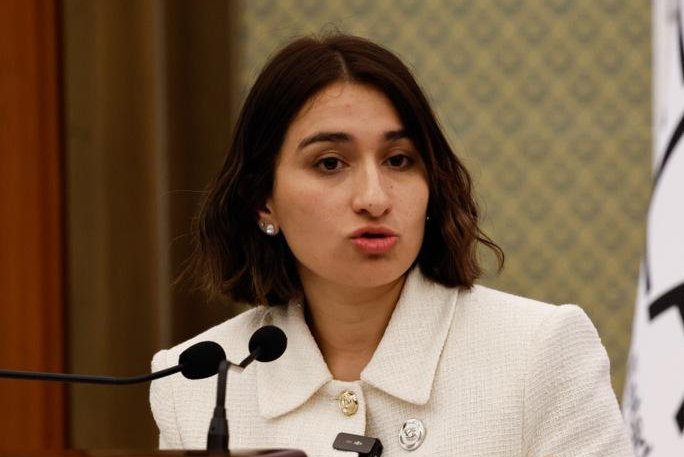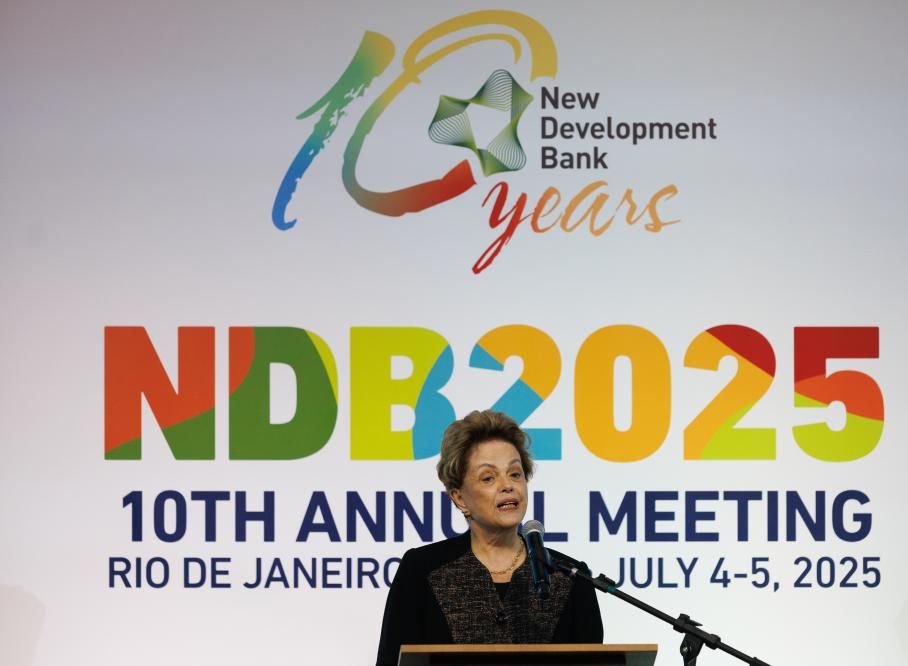
Dilma Rousseff, former president of Brazil and president of the New Development Bank (NDB), speaks during the 10th NDB Annual Meeting in Rio De Janeiro, Brazil, July 4, 2025.
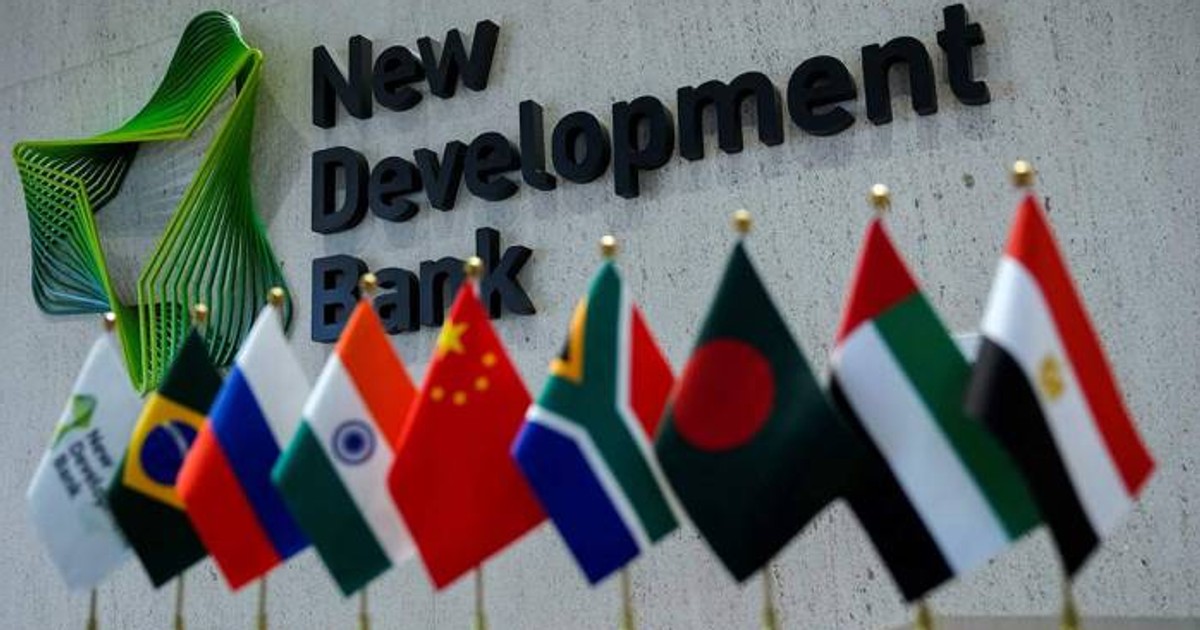
Uzbekistan does not make the front pages very often. It is landlocked, post-Soviet, rapidly urbanising, and home to 38 million people who are largely invisible in Western media unless the subject is gas pipelines or the occasional human rights report. But something worth paying attention to happened in Tashkent last week. President Shavkat Mirziyoyev signed the law formally joining Uzbekistan to the New Development Bank, the multilateral lender founded by the BRICS nations in 2015 as an alternative to the Washington-led financial order.
The NDB has now approved 139 projects worth nearly $42 billion since its founding. It is growing, deliberately and methodically, bringing in new members from across the Global South. Colombia joined. Algeria joined. Ethiopia and Indonesia are in talks. Each membership adds capital, credibility, and reach. And each one is a small but legible signal: the architecture of development finance is no longer a Western monopoly.
For Uzbekistan, the calculation is straightforward. The country is in the middle of one of the most ambitious infrastructure builds in its history consisting of 782 industrial and infrastructure projects planned for 2026 alone, worth $52 billion in total value. Its economy grew at 7.7% in 2025 and is projected to hold around 6.7% in 2026. It needs capital, and it needs it at scale. The Asian Development Bank is present. The World Bank is present. The EBRD has invested nearly $7 billion to date, making Uzbekistan its largest recipient in the region for six consecutive years. Now the NDB will be present too. The point is not to replace any of these institutions. The point is that Uzbekistan is building the kind of diversified financing portfolio that gives a country genuine room to negotiate.