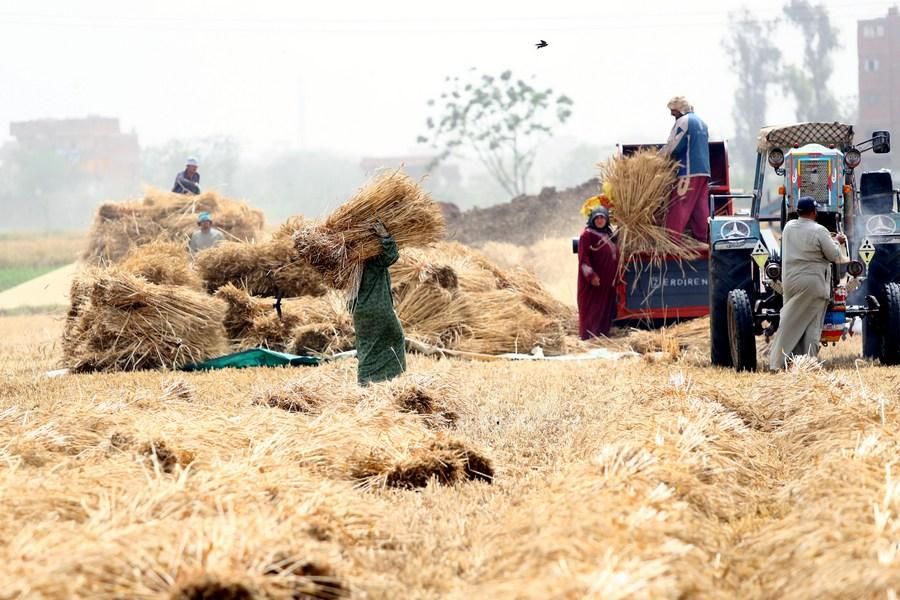
Farmers harvest wheat in a field in Monufia Province, Egypt
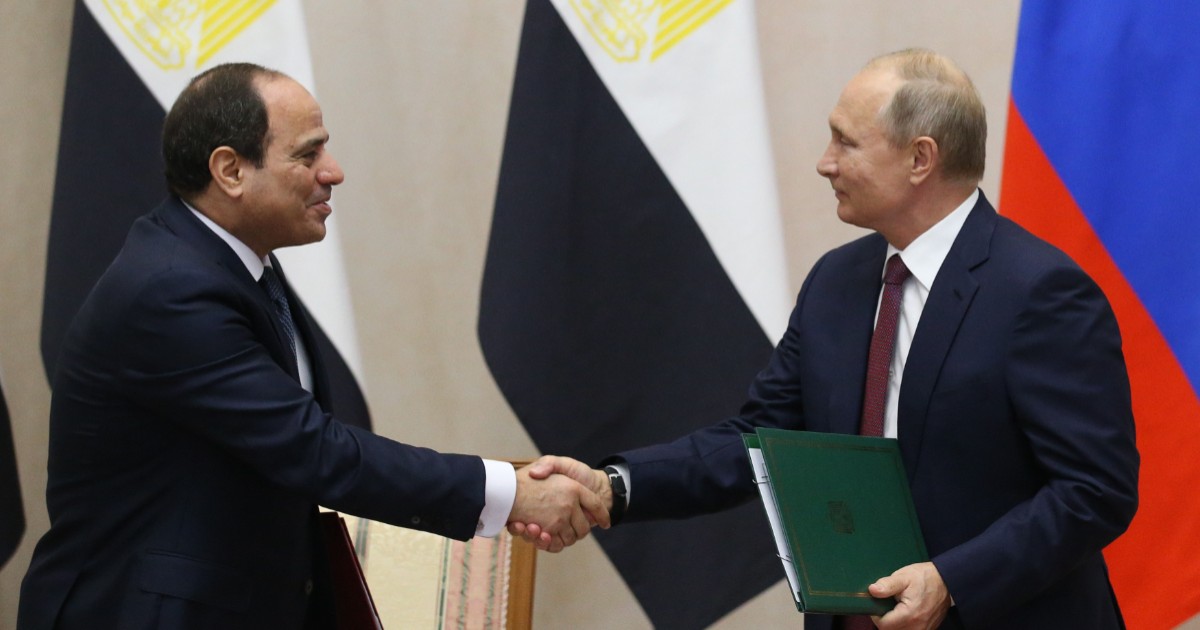
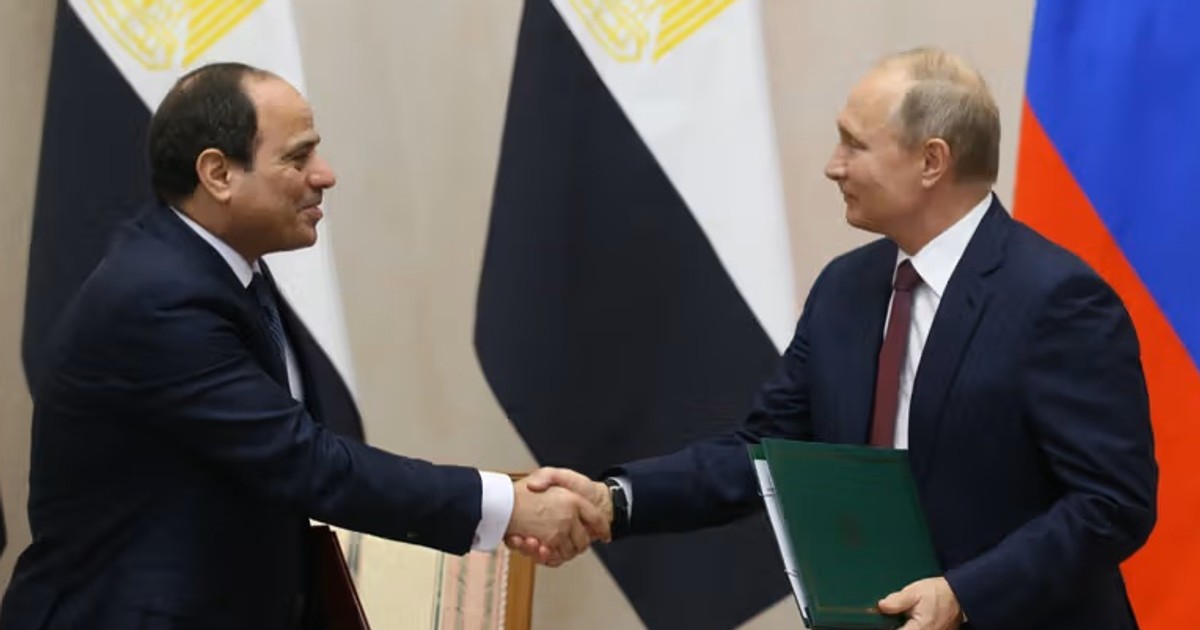
Egypt feeds 112 million people. It cannot grow enough wheat to do it. Agricultural trade between Russia and Egypt grew by more than 15% in the first four months of 2026, announced quietly on the sidelines of a grain industry forum last week. The two agriculture ministers met, shook hands, discussed fertilisers and irrigation technology and student exchange programmes for agricultural specialists. It was framed as routine. It is anything but.
Egypt is the largest wheat importer in the world. It buys somewhere between 12 and 13 million tonnes a year, more than any other nation on earth, to sustain a bread subsidy programme that is essentially the social contract between the Egyptian government and its people. When bread prices spike in Egypt, governments fall. This is not a metaphor. The Arab Spring of 2011 broke out against a backdrop of a fifty-year high in the FAO global food price index. Sisi and every Egyptian leader before him has understood this reality in their bones.
And where does the bread come from? For the last decade, overwhelmingly from Russia. Over the past five years, roughly 60% of Egypt's wheat imports have arrived from Russian ports. Another 22% historically came from Ukraine. The war in Ukraine reshuffled those numbers, but it did not reduce Egypt's dependence on Black Sea grain, it simply deepened its dependence on the Russian side of it.