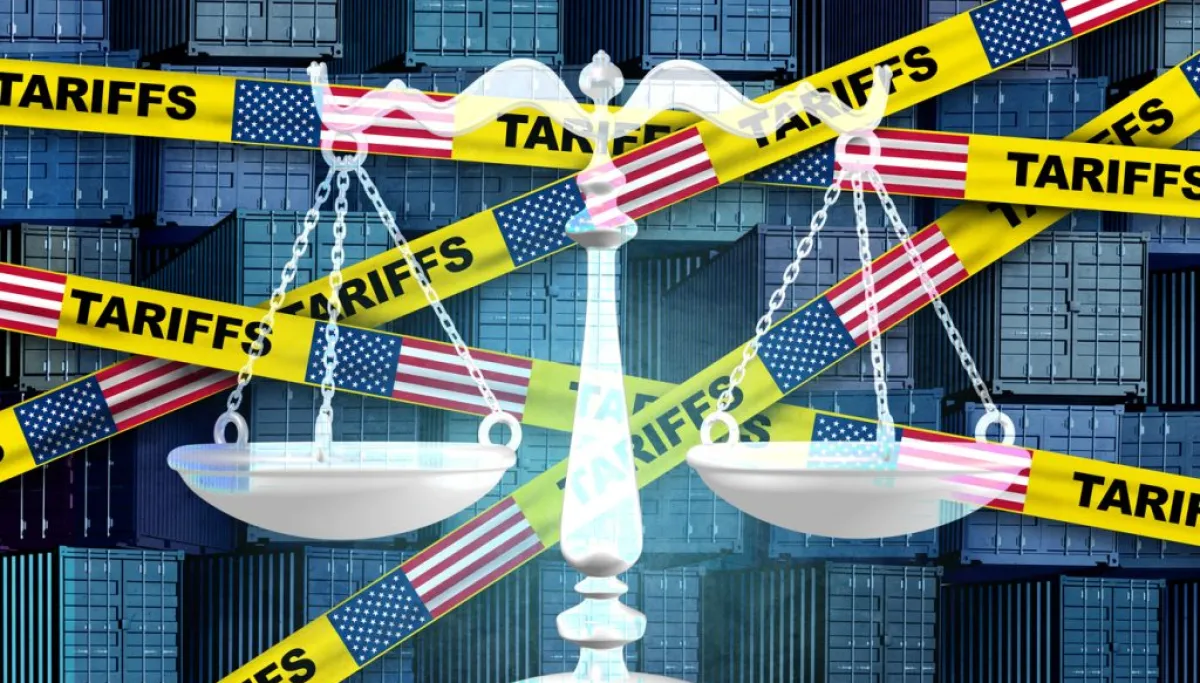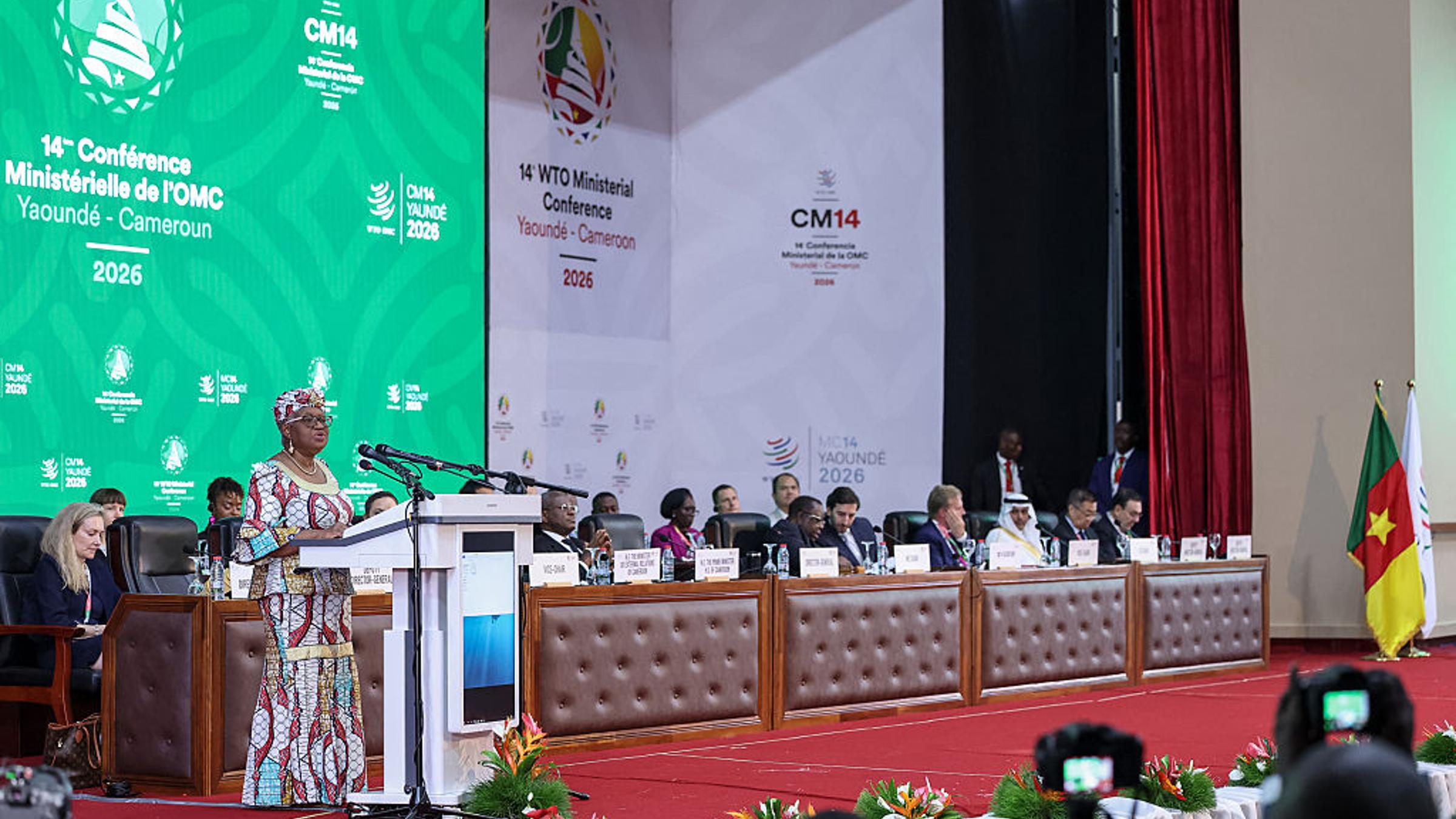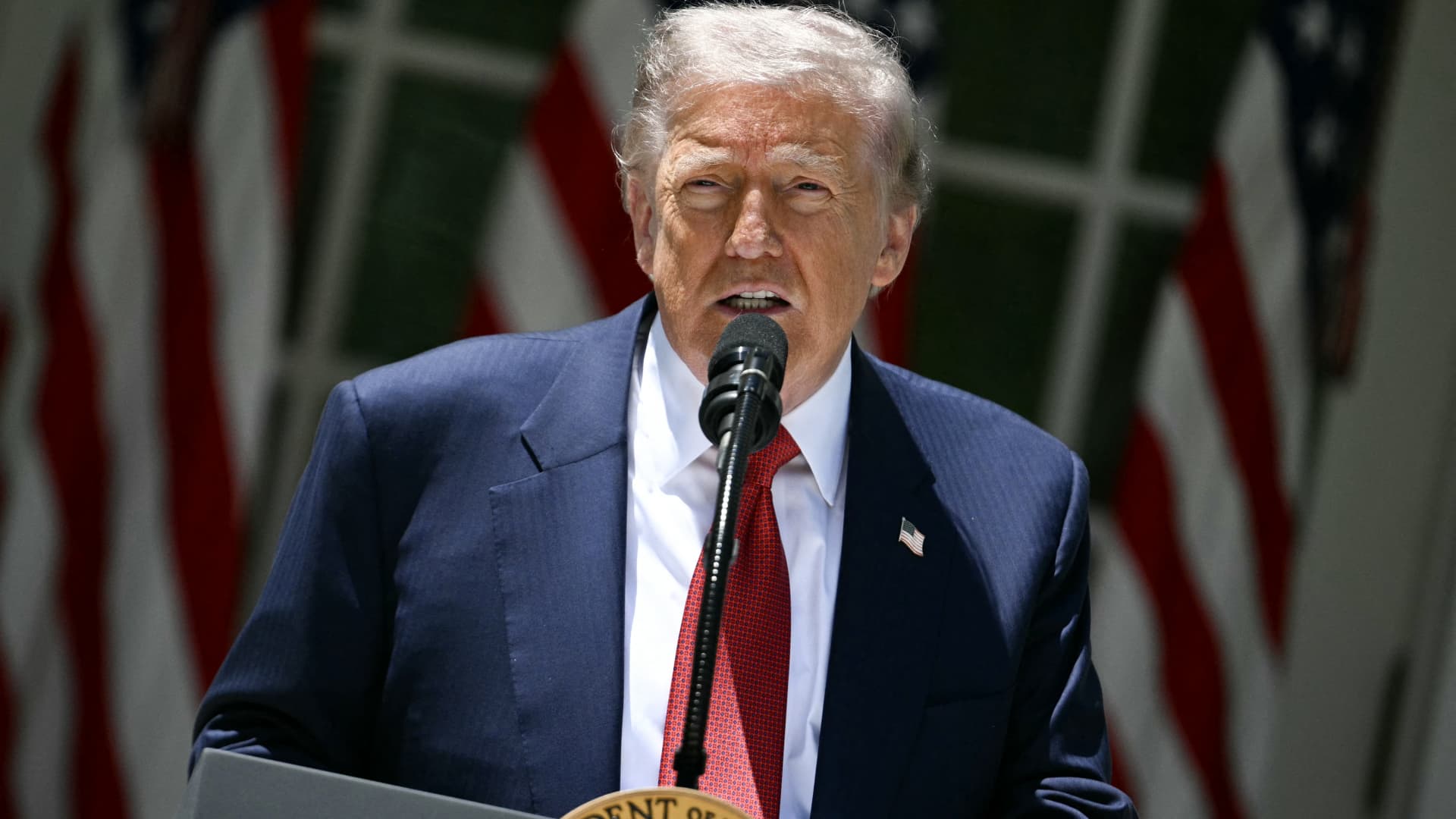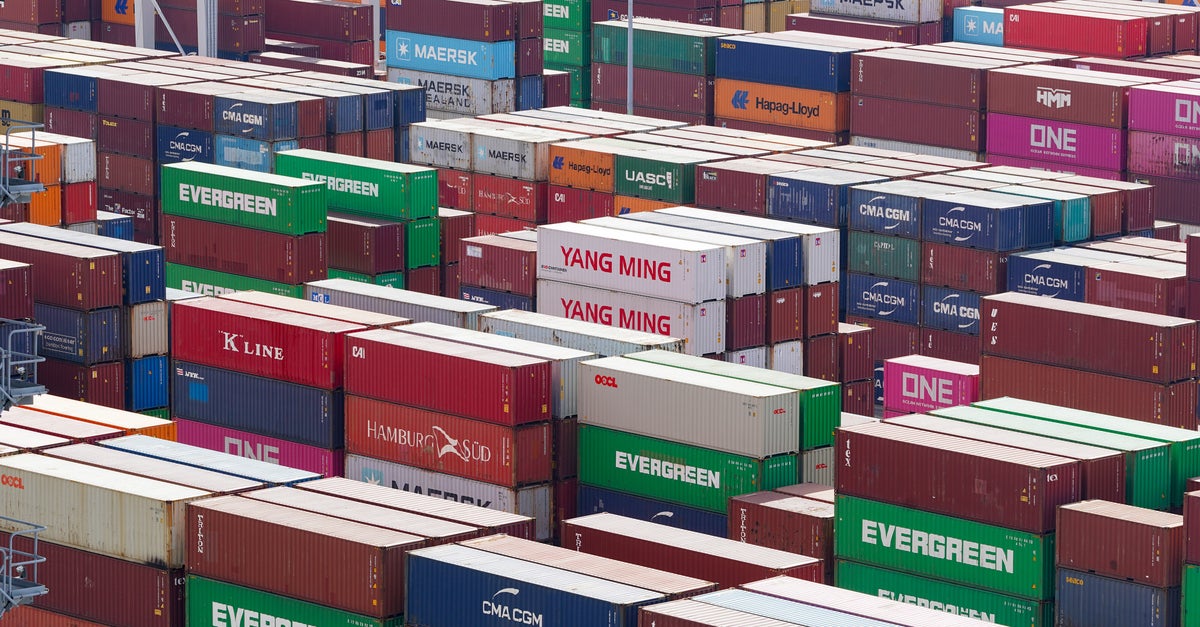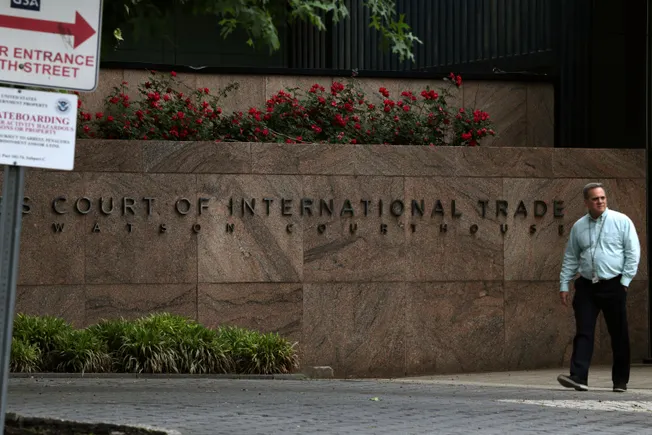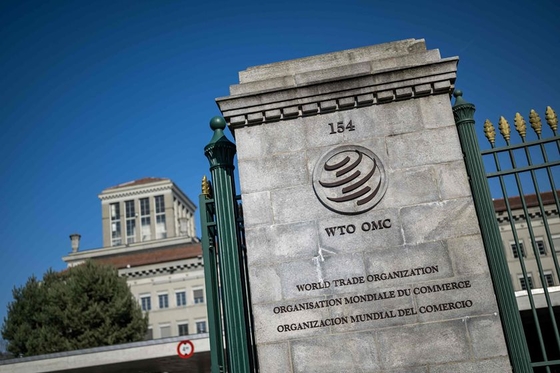
1. The U.S. Court of International Trade (CIT) recently struck down President Donald Trump’s sweeping 10% global tariffs in early May 2025, ruling that the administration overstepped its authority under the International Emergency Economic Powers Act [para. 1]. The administration is expected to pivot by invoking Section 122 or Section 301 of the Trade Act of 1974 to maintain its tariff agenda, while businesses prepare to challenge these new measures in the same court [para. 1][para. 2]. This development highlights the CIT’s growing role as a substitute for the paralyzed World Trade Organization (WTO) dispute settlement system [para. 2].2. The WTO’s dispute-settlement mechanism broke down in 2019 due to U.S. blockades on judicial appointments, leaving its Appellate Body defunct [para. 3]. Without a functioning appellate body, panel rulings become unenforceable—a situation described as “appeal into the void” by former WTO judge Jennifer Hillman [para. 4]. As a result, companies are increasingly turning to the American judicial system to challenge U.S. trade measures, with the CIT becoming the de facto institutional alternative [para. 5].3. A key example is the Section 232 tariffs on steel and aluminum imposed in 2018 under national security grounds [para. 6]. On the international track, a WTO panel ruled against the U.S. in 2022, but the ruling remains unenforceable because the U.S. appealed into the void [para. 6]. On the domestic track, U.S. manufacturers and importers sued in the CIT, arguing that the tariffs drove up costs and represented unconstitutional executive overreach [para. 7]. This domestic track advanced and provided scrutiny that the WTO no longer could [para. 7].4. The deeper cause of the WTO’s paralysis is a fundamental shift in global economic structure away from market-oriented convergence toward state capitalism, subsidies, and industrial policies that widen institutional differences between major economies [para. 9]. Under these pressures, unilateralism and bilateralism have resurged, creating a spiral of tariffs and retaliatory sanctions that political negotiations can only temporarily pause [para. 10]. In this volatile environment, the judicial route offers businesses sustainability and predictability through clear rules and transparent procedures [para. 10].5. The CIT cannot permanently replace the WTO [para. 11]. It is a unilateral court that reviews domestic administrative actions under U.S. law, resolving disputes between private enterprises and the U.S. government [para. 12]. The WTO is a multilateral institution designed to adjudicate treaty obligations between sovereign states, and no domestic court can replicate its role in balancing the rights and obligations of the international community [para. 12].6. However, as artificial intelligence drives a new industrial revolution and reshapes globalization, cross-border supply chains will become more intertwined, increasing the demand for multilateral rules [para. 13]. Until the WTO recovers, the CIT offers a practical, predictable avenue for dispute resolution, serving as a necessary backstop to ensure the rule of law governs the market even in an era of fractured globalization [para. 13].AI generated, for reference only
Commentary: When the WTO Fails, Global Trade Turns to a Little-Known U.S. Court
With the World Trade Organization’s dispute mechanism paralyzed, multinational companies are relying on the American judicial system to rein in executive overreach on tariffs
477 words~2 min read