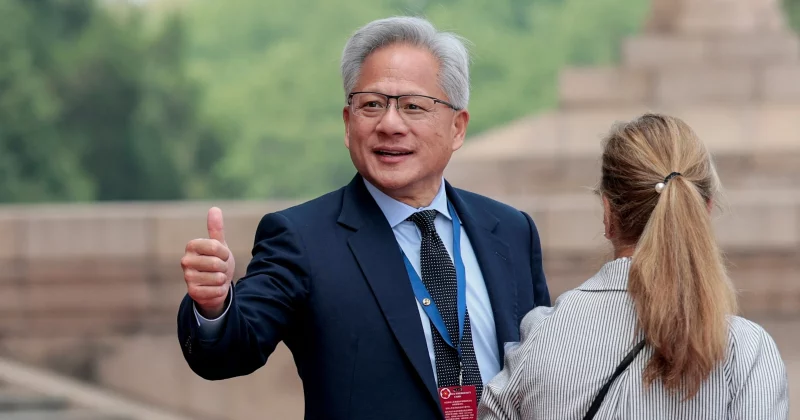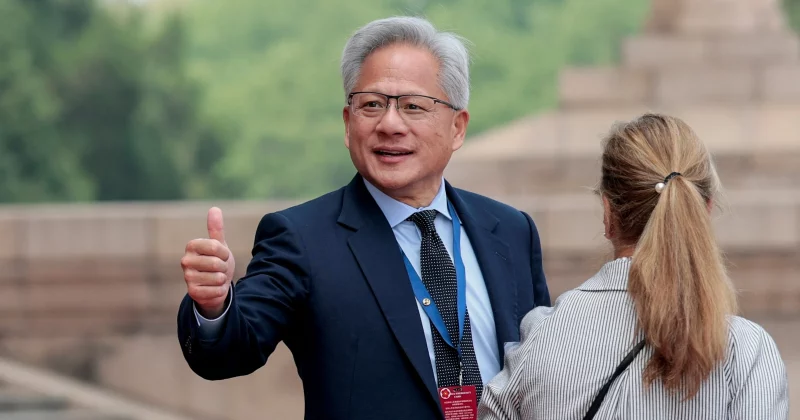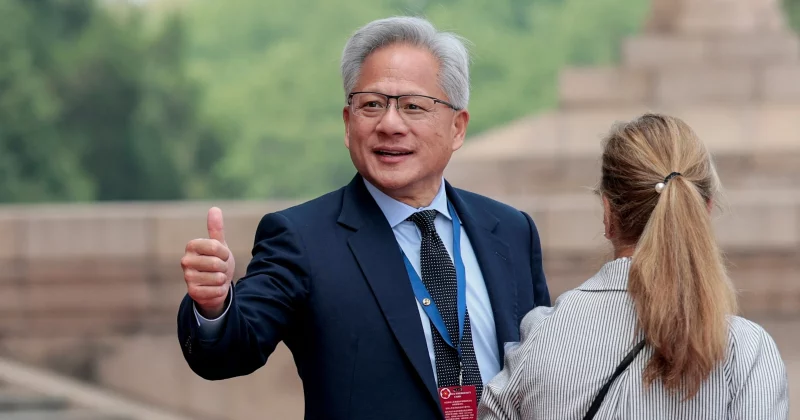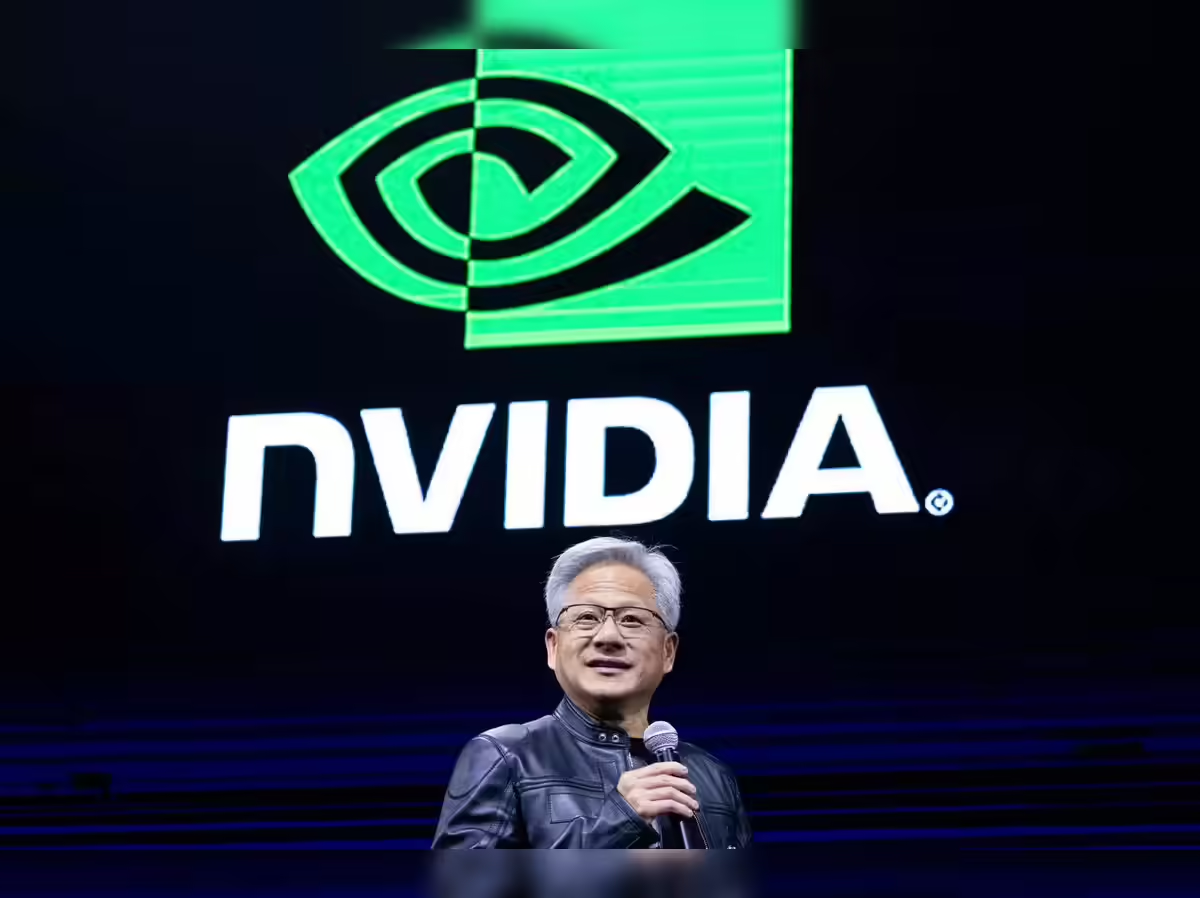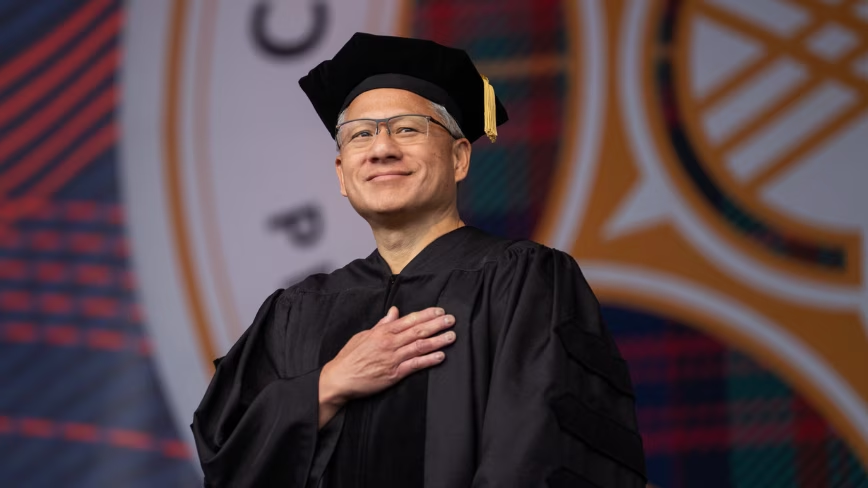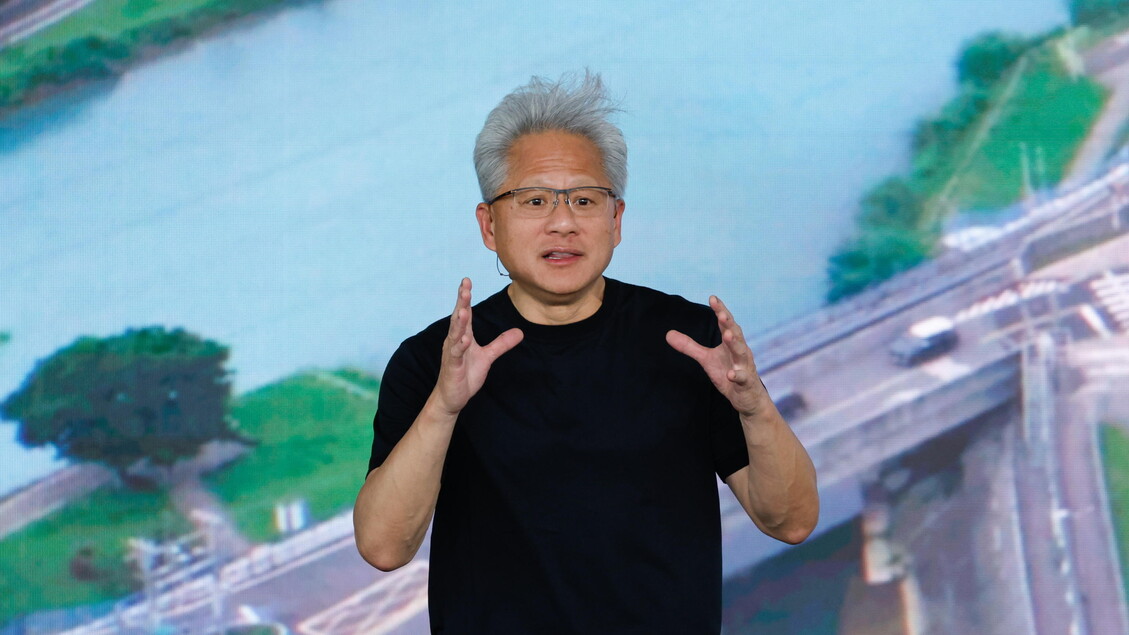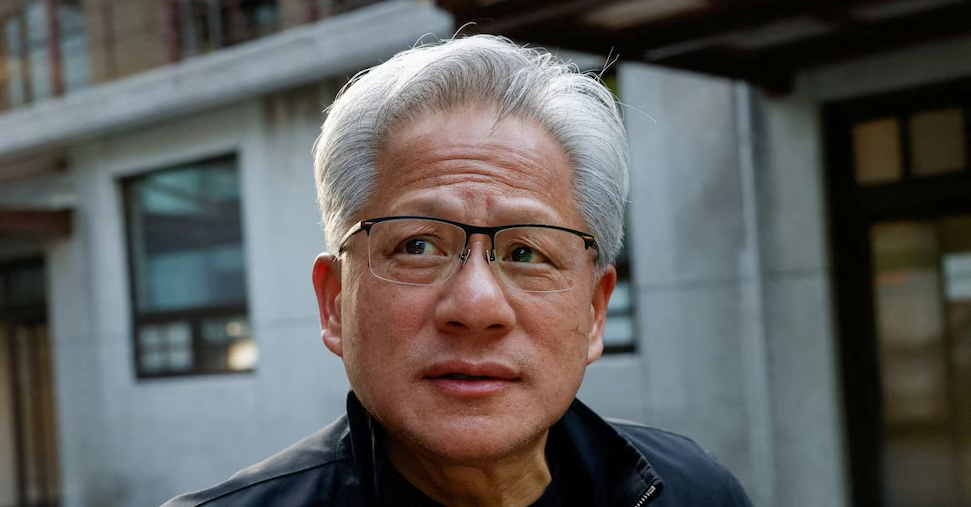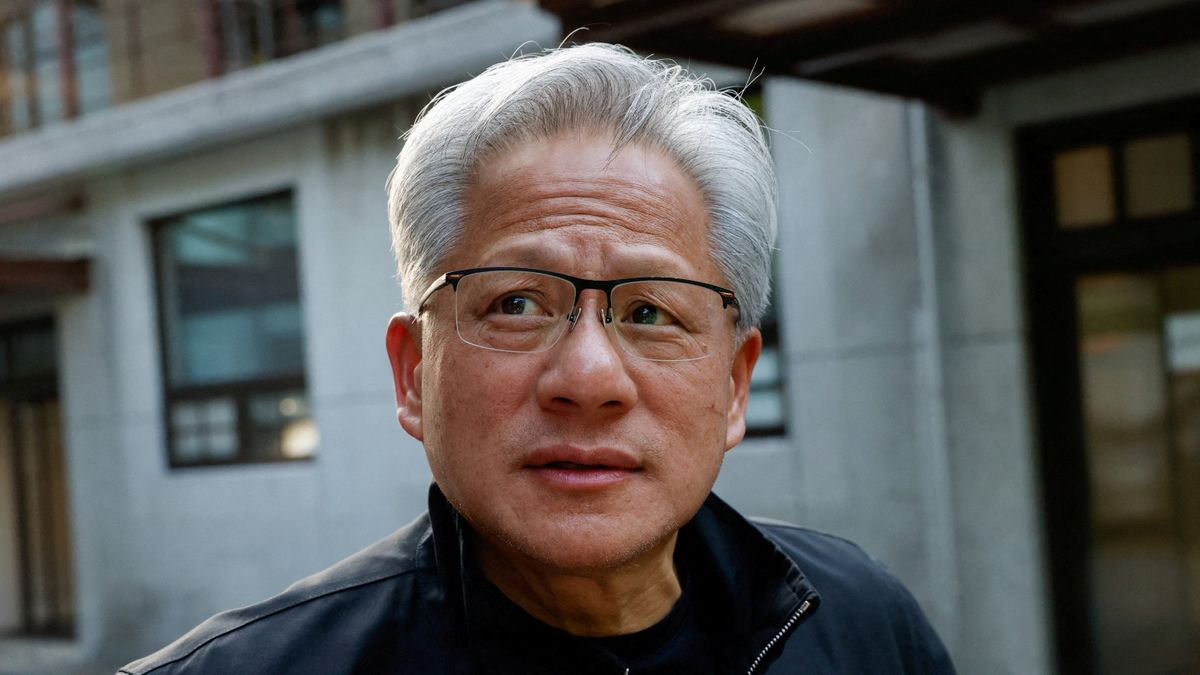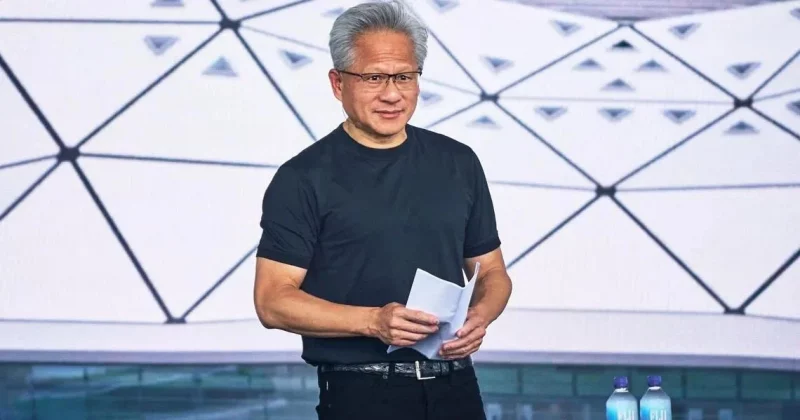
Jensen Huang, the CEO of Nvidia, is joining the advisory board of Tsinghua University’s School of Economics and Management in Beijing. The appointment places him on a panel chaired by Apple CEO Tim Cook, alongside roughly 65 members that include Elon Musk, Microsoft’s Satya Nadella, and JPMorgan’s Jamie Dimon.
The timing is hard to ignore. Huang accompanied US President Donald Trump on a visit to China around May 13-14, and now, barely two weeks later, he’s formalizing an institutional relationship with the country’s most politically connected university. For a company whose advanced AI chips remain subject to US export restrictions targeting China, this is a calculated move wrapped in the veneer of academic collaboration.
The board and what it signals
Tsinghua University isn’t just any school. It’s the institution that has educated a significant portion of China’s political and business elite, functioning as something like a hybrid of Harvard and West Point for the Chinese establishment.
The SEM advisory board, with its roughly 65 members, reads like a who’s-who of global corporate leadership. Tim Cook has chaired it for years, serving as a kind of diplomatic bridge between Silicon Valley and Beijing. Huang’s addition extends that bridge further into the AI chip supply chain, which happens to be the single most contested technology in the US-China relationship right now.