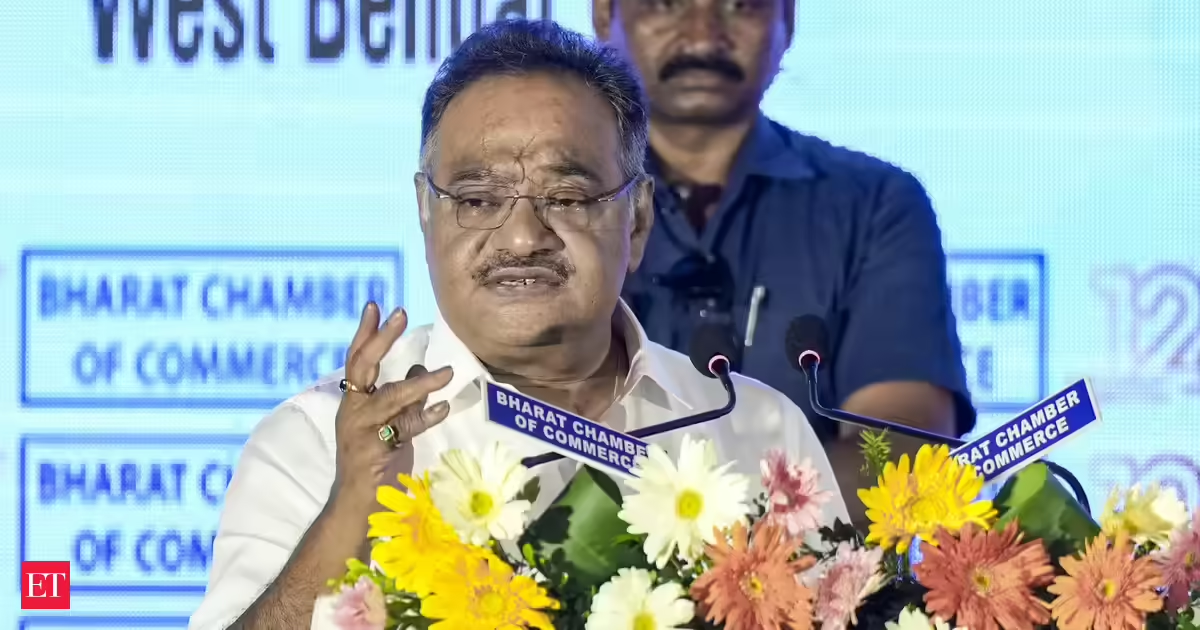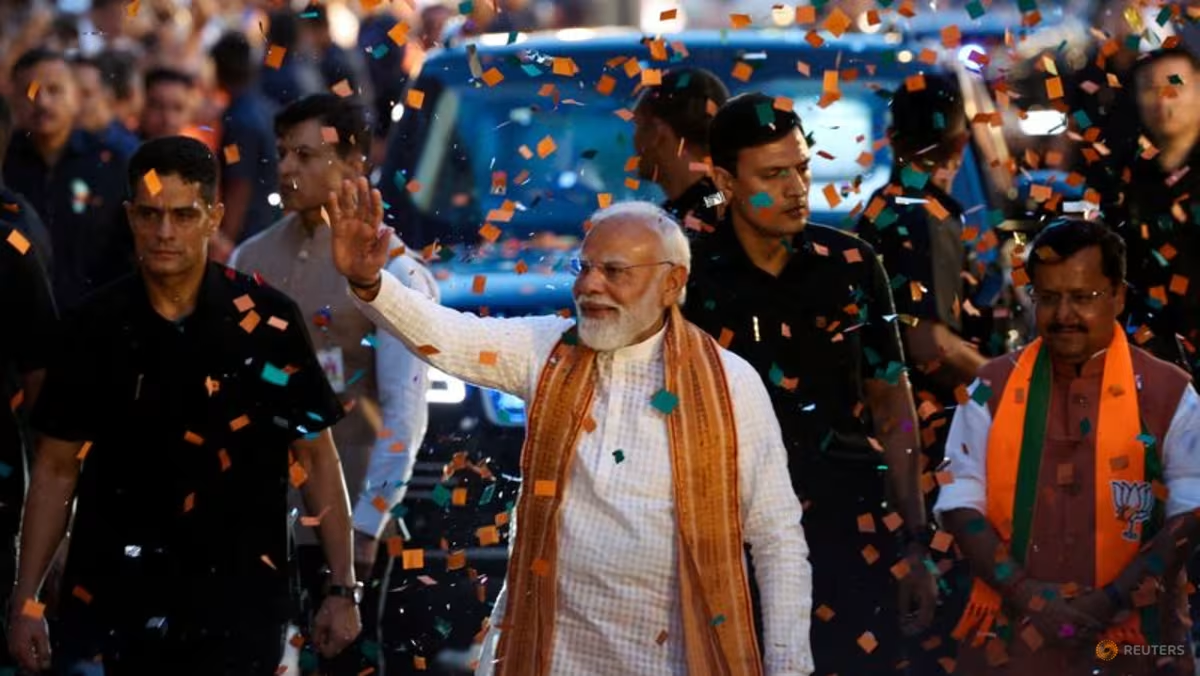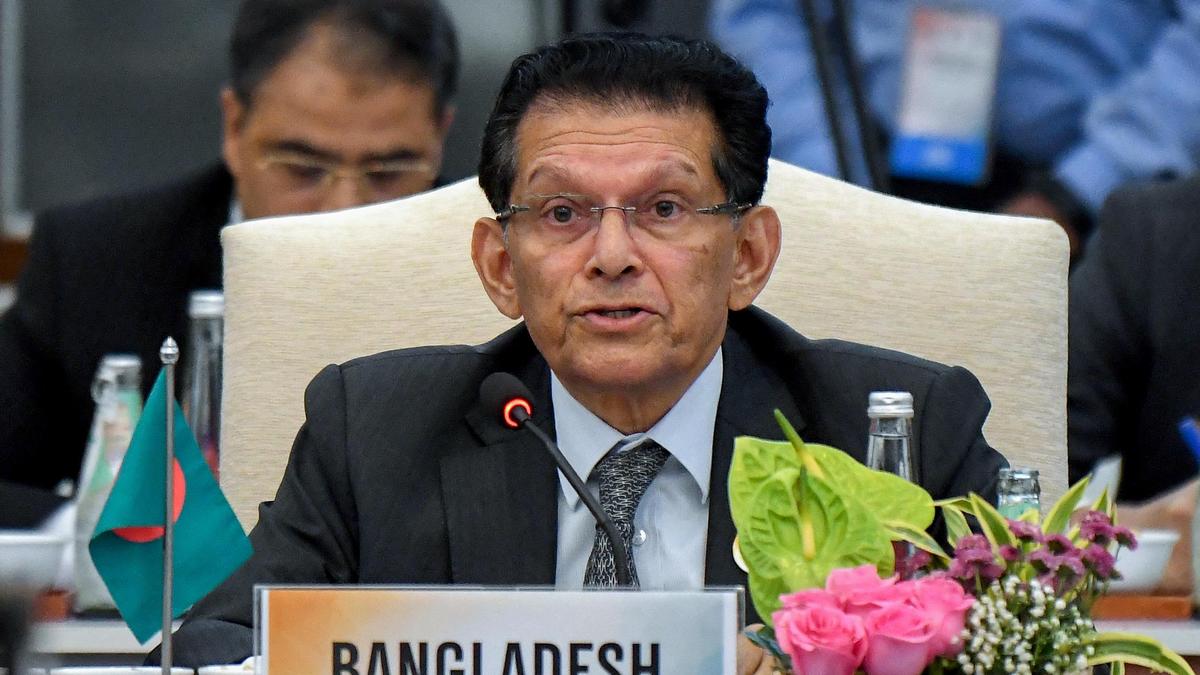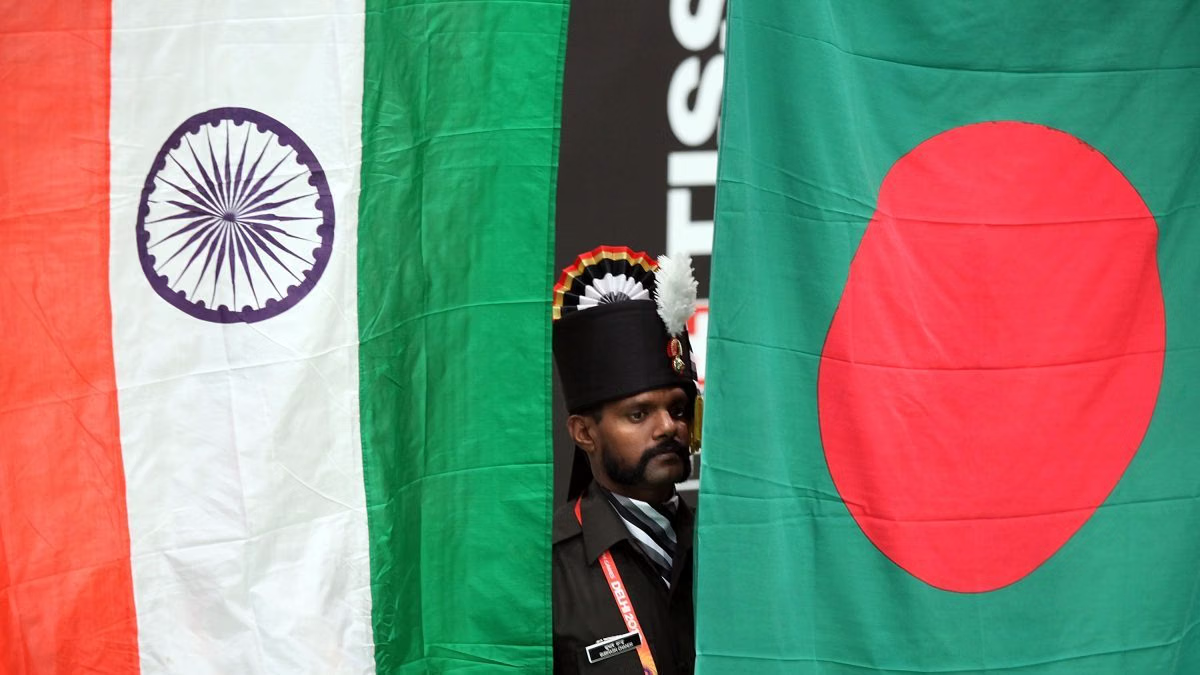
In all the euphoria over the BJP’s massive win in West Bengal, the Modi government should not forget that good ties with Bangladesh are important. It’s not that New Delhi has been asleep at the wheel. Well before the West Bengal results were out, it had chosen Dinesh Trivedi – a politician – as its new envoy to Dhaka, signalling that ties with that country will be parsed through the political prism as well.
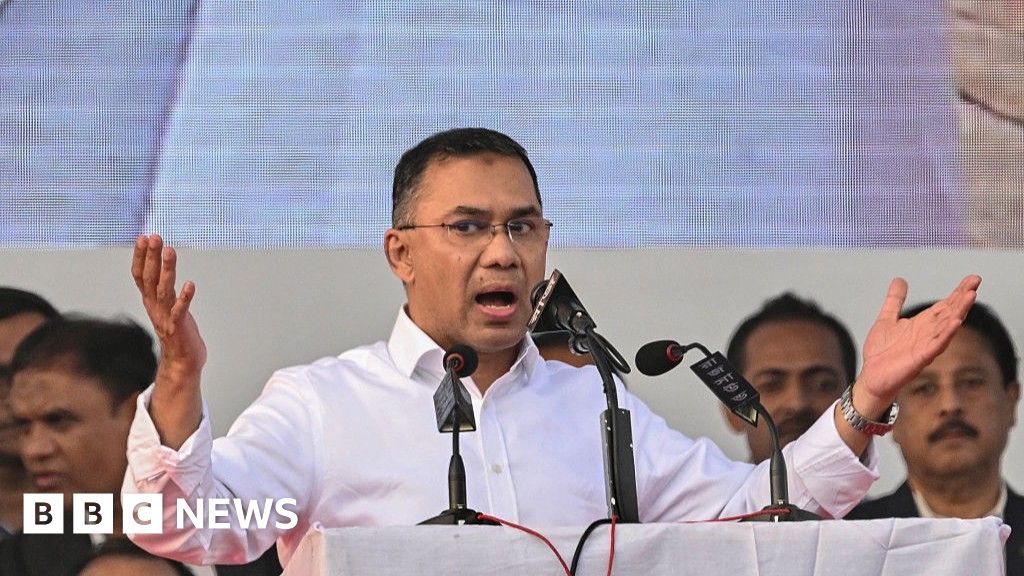
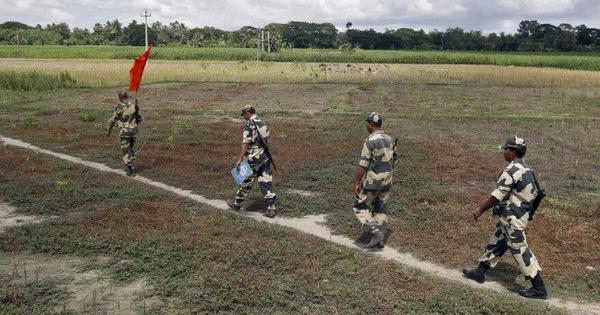
After the disastrous tenure of Mohammad Yunus, who was at the helm as chief advisor to the interim government, the elections last February brought in a new majority government headed by Tarique Rahman of the Bangladesh Nationalist Party. From all indications, Rahman wants to improve ties with India, a country that surrounds it on three sides. Any improvement in Bangladesh’s economic situation depends on cooperation with India. Anti-India elements believe they can also tap American and Chinese investments for growth, but geography says something else.It is in India’s interests to seek to improve ties, and prevent outside powers from being able to build anti-India constituencies inside Bangladesh. The main opposition to Rahman in Bangladesh comes from the Jamaat-e-Islami, a hardline Islamist political party that played a key role in the genocide of Hindus just before the 1971 war that liberated Bangladesh. In a 297-seat assembly, the Jamaat-led front won 68 seats, 51 of which were close to the India-Bangladesh border.