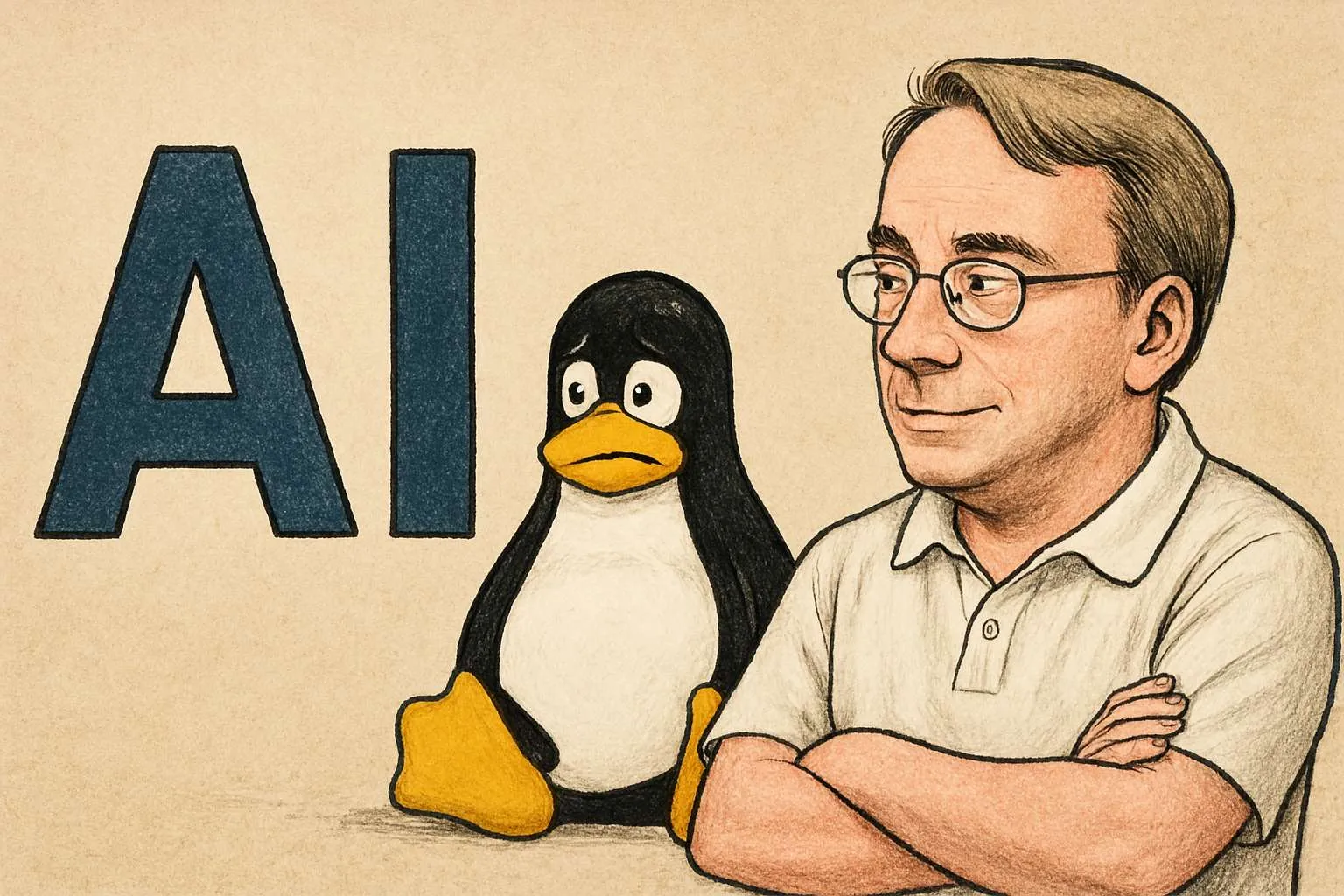
This week, Linus Torvalds shared his latest weekly insights about the fifth release candidate of the Linux 7.1 kernel. For a while now, Torvalds has been telling us that he suspects AI tools are leading to larger patches and that he was OK with this, but in the last two weeks or so, his attitude toward the people using these tools seems to have soured notably.
With the fourth release candidate of Linux 7.1, he criticized people for using these tools to find bugs, but then stopped short of actually submitting a code fix for the issue. They instead palmed the issue off onto other people, essentially inundating them with too much work. With the fifth RC, he said that many of the bug fixes being submitted this late in the cycle can actually wait until Linux 7.2. He has asked contributors to just stick to fixing actual regressions, given that we are three weeks out from the stable release.
While the onslaught of AI-coded patches is causing a headache for Linux kernel maintainers, there is actually a deeper crisis being created. By replacing human comprehension with proprietary, black-box AI models, the kernel is at risk of being polluted by unmaintainable, legally iffy, and opaque bloat.
Using artificial intelligence to help you code can be an immensely valuable tool; it ranges from the human being the primary coder and AI offering some genuinely helpful assistance, to vibe coding, where the human guides an AI coder on what to build. This too can be very useful; with vibe coding, it is not very hard to build a functional product. However, when vibe coding, especially with tools like OpenAI’s Codex, which hides the code from sight, the human instructing the bot is not as familiar with the code that is being written.