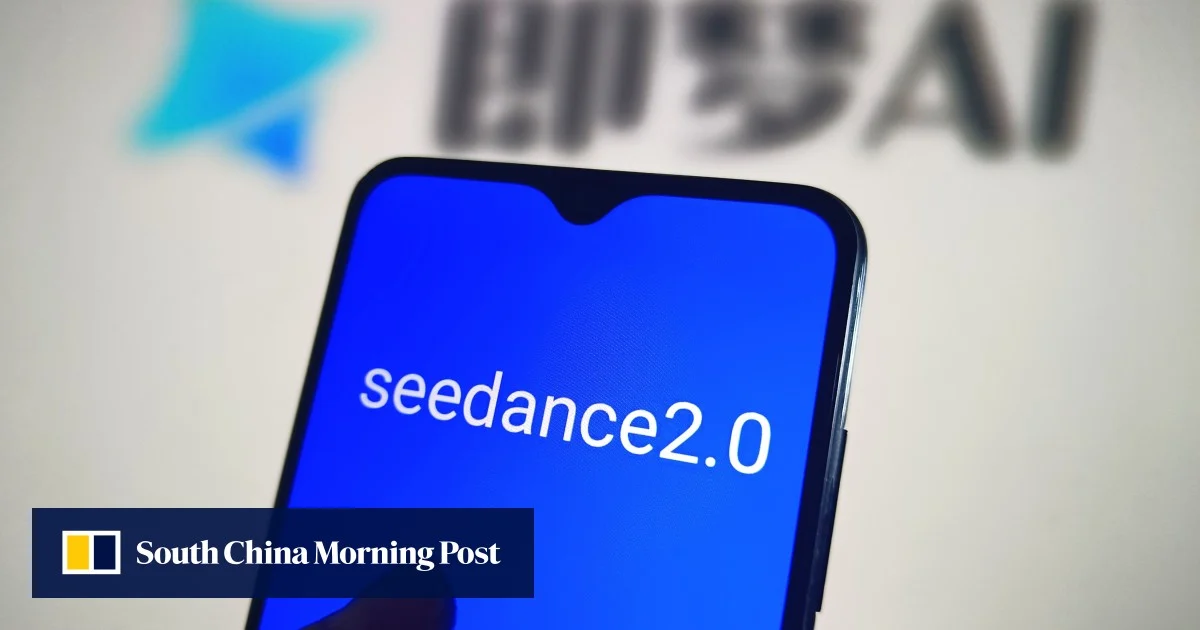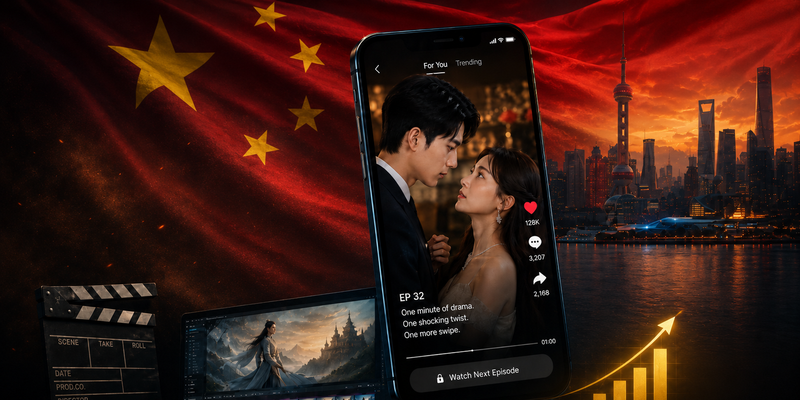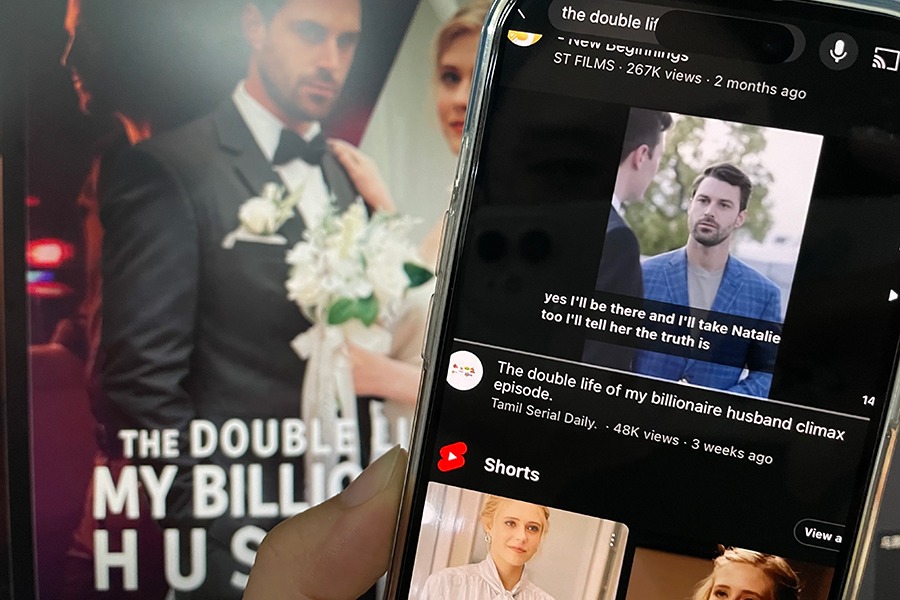
TikTok (Photo by Beata Zawrzel/NurPhoto via Getty Images)NurPhoto via Getty ImagesA week that began with TikTok licensing Indian microdramas and ended with AI-made vertical films circulating around Cannes showed how far the format has moved in a year. Vertical drama is no longer only app-store entertainment. It is becoming part of global distribution.TikTok Tests Indian Microdrama IPThe shift is not just that short dramas are popular. It is that major platforms are starting to license them. Pratilipi-owned Double Tap Films has announced a one-year, non-exclusive TikTok licensing deal for 21 Hindi microdrama titles across the United States, Canada, Brazil and Japan. The slate includes Avnika Ki Shaadi, Apavitra and CEO Se Romeo, distributed in Hindi with localized subtitles. TikTok did not respond to a request for comment.In a company statement, Sharlton Menezes, vice president of IP and key partnerships at Pratilipi and Double Tap Films, called the TikTok deal “the first proof point of what we set out to build: a studio whose IP doesn’t stop at India’s borders.” The shows are adapted from stories that have already found readers on Pratilipi. That changes the commissioning logic: not pilot first, but proven story first.Double Tap is not trying to invent vertical drama from scratch. It is turning Indian-language stories into 9:16 scripted serials, then taking them to markets where diaspora viewers and mobile-first audiences overlap. The deal makes India not just a market for microdrama, but a possible exporter of the format.Lumikai’s State of India Interactive Media Report 2025—the fifth edition of the Indian VC’s annual study—puts India’s microdrama market above $300 million in revenue just over a year after launch, and projects it could reach $4.5 billion by 2030. The same report puts India’s wider interactive media economy at $13.8 billion, across video, gaming, audio, social media and AVFX.MORE FOR YOUNetflix Turns Vertical Video Into DiscoveryNetflix is taking a different route. It has not announced original microdrama commissioning, but in April it introduced Clips, a vertical mobile feed for quick discovery inside its own app. In Netflix’s announcement, chief product and technology officer Elizabeth Stone described Clips as “our new vertical video feed” for “the moments in between, to discover a new title, or a quick laugh.”That makes Clips a discovery tool, not a short-drama business, as I noted at launch. Asked at TechCrunch Disrupt 2025 how seriously Netflix takes TikTok, DramaBox and ReelShort, Stone said the vertical feed “is not intending to copy or chase exactly what a TikTok or others are doing,” because a certain kind of entertainment is “especially valuable to our members.”Cannes Pulls AI Vertical Drama Into The Film MarketCannes supplied the more provocative image: AI-generated vertical work entering the film-market conversation. At the 79th Cannes Film Festival, ByteDance brought its Seedance 2.0 model to the Marché du Film through its Volcengine cloud unit, and a Higgsfield-produced AI feature, Hell Grind, circulated around the festival. Higgsfield’s own materials identify Hell Grind as a Higgsfield original created using Seedance 2.0.The bigger claims around Hell Grind’s budget, turnaround time and Marché distinction came through trade and second-hand reporting; the primary record is narrower. What can safely be said is that AI vertical production has reached the edge of the film market, even if its role is still unsettled.A year ago, vertical drama could still be dismissed as disposable scroll content. TikTok’s Indian microdrama deal shows platforms testing cross-border distribution. Netflix’s Clips feed shows streamers adapting to vertical-video habits. Lumikai’s numbers explain why India sits at the center of the story. Cannes shows the film market is now part of the conversation. The format has not fully entered the mainstream entertainment business, but it is no longer outside it.
TikTok And Cannes Push Vertical Drama Toward The Mainstream
TikTok's first Indian microdrama deal and AI films at Cannes signal vertical drama's move from app-store novelty toward mainstream distribution.
611 words~3 min read