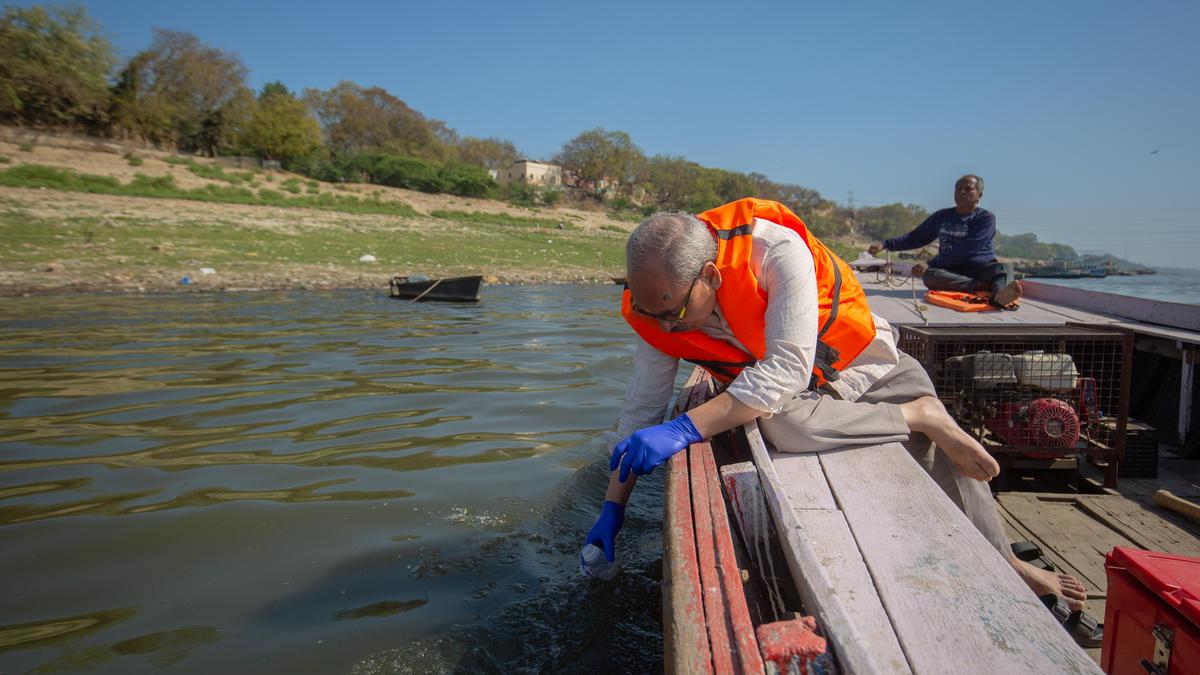
Wastewater surveillance was hailed during the COVID-19 pandemic as a more equitable way to track disease. It provided a system that could monitor entire communities regardless of whether residents had access to a doctor or a test. But a study published in the American Journal of Public Health finds that wastewater surveillance carries its own built-in blind spots, and the communities bearing the brunt are the ones already most vulnerable.
Researchers at the Maxwell School worked with New York State's wastewater surveillance network and found that while the system does a reasonably fair job of including vulnerable populations, it struggles in larger populations when an outbreak is starting, which is when it matters most.
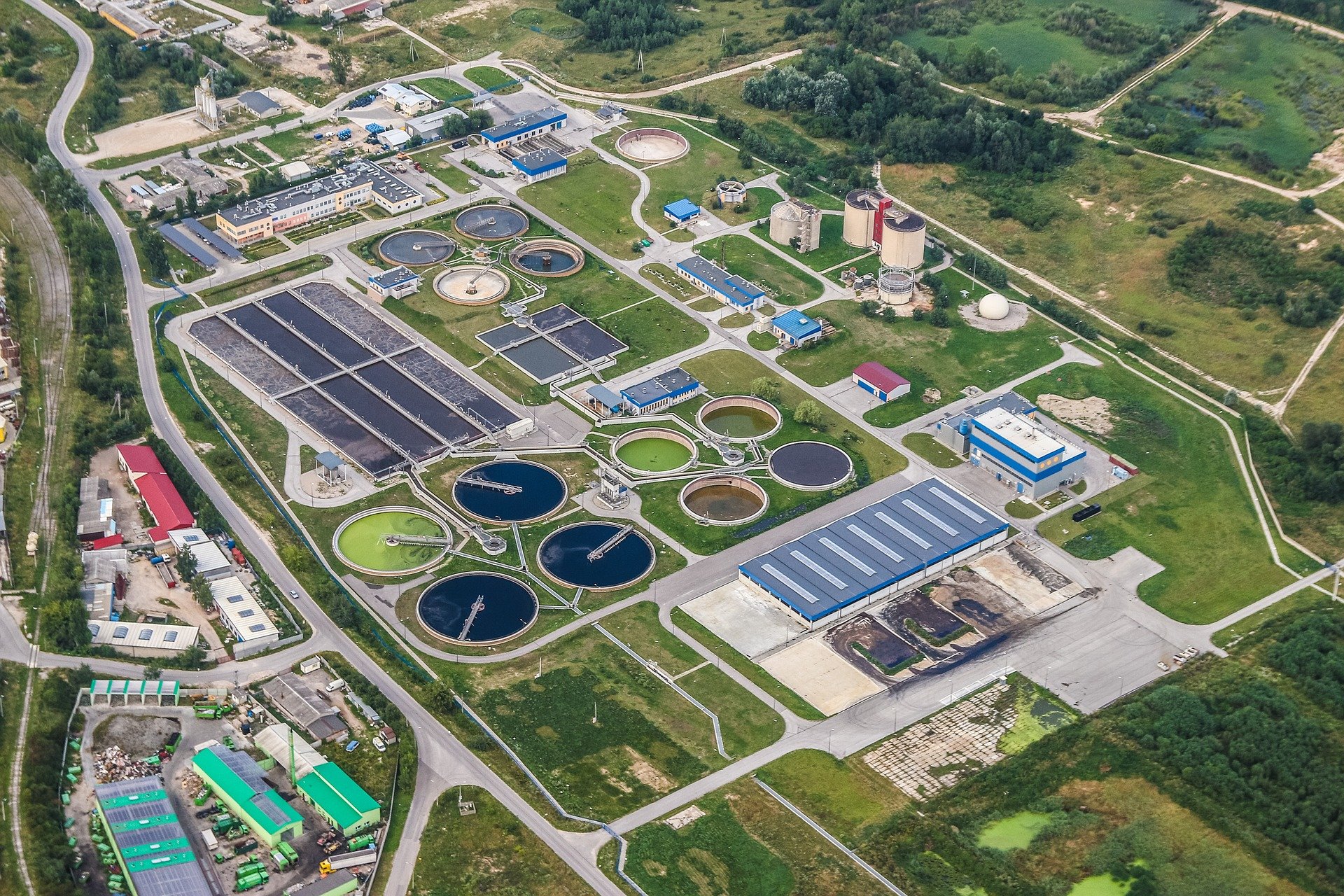
The reason is that vulnerable communities tend to be in cities and are connected to large wastewater treatment plants that serve hundreds of thousands of people. When a single infected person sheds a pathogen, it's diluted across an enormous volume of water. This makes early detection more difficult. Smaller, less vulnerable communities (where wealthier people tend to live) are served by smaller plants where a single case is easier to spot.
"Wastewater surveillance inherently has a high degree of equity in terms of inclusion," according to Professor David Larsen, lead author of the study. "But it also inherently has a high degree of inequity in outbreak detection."