The rise of generative AI (genAI) technology has prompted a growing debate about the future of software-as-a-service (SaaS) business models.
Some of the fears are overblown: enterprises are unlikely to vibe-code their own applications to replace their SaaS suppliers anytime soon, while software vendors have yet to see per-seat sales fall off due to mass automation of white-collar jobs. (In fact, some now predict the opposite will happen.)
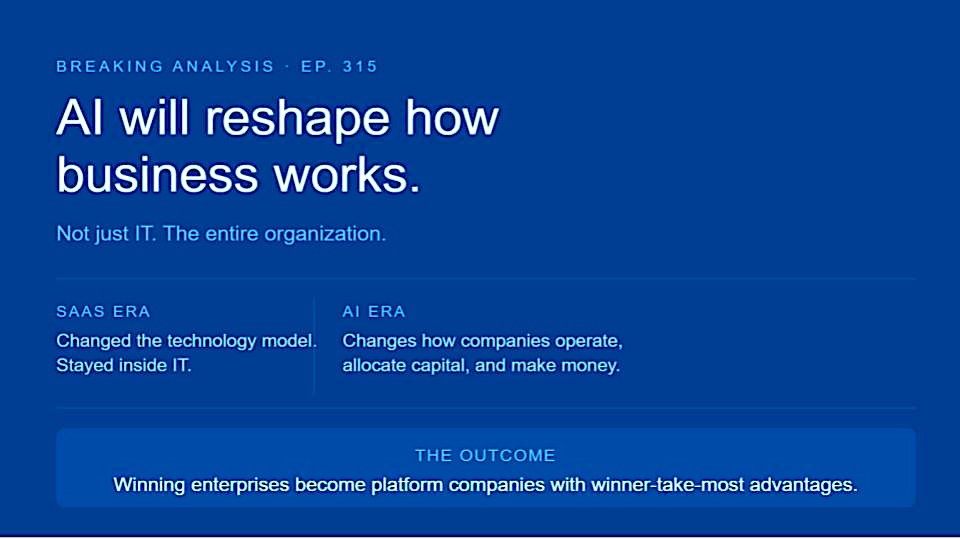
At the same time, AI has the potential to change the way work is carried out, with AI agents empowered to interact with software applications on behalf of users. For software vendors, that could mean a future where applications are accessed less through traditional user interfaces as AI agents connect via APIs.
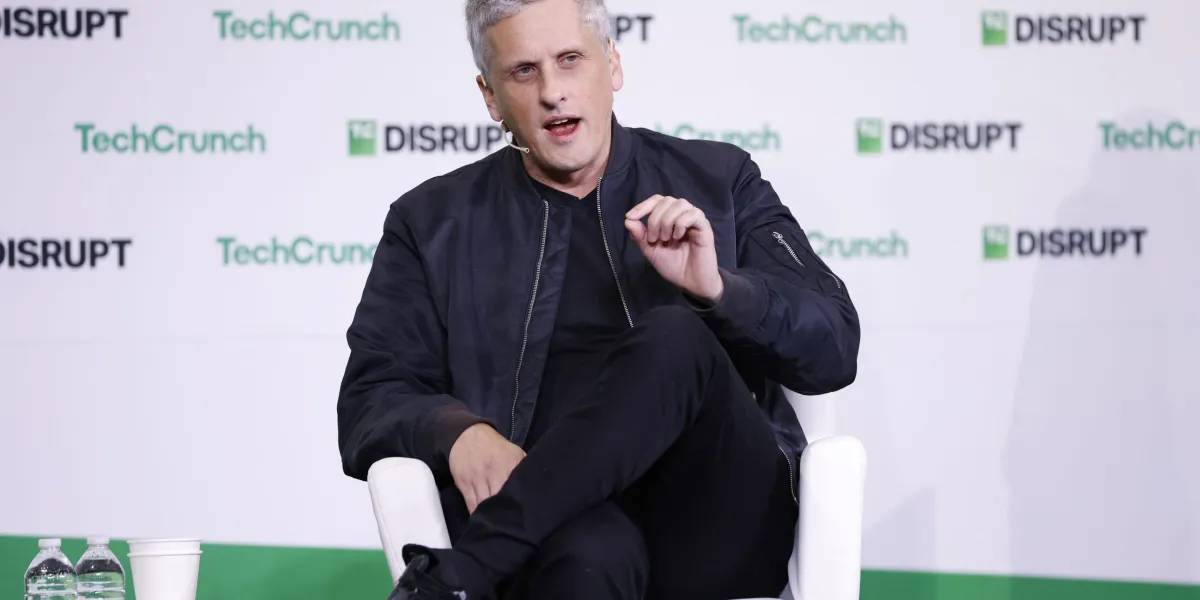
It’s an inevitable shift, says Box CEO Aaron Levie, and one that requires software vendors to adapt their existing products and business models to prepare for agent workflows.
Computerworld recently spoke with Levie about how Box — and other SaaS vendors — can adapt as agentic AI threatens to upend existing business models. (This interview has been edited for clarity.)