A year into office, Lee has put Korea’s diplomacy back on track, but many challenges remain
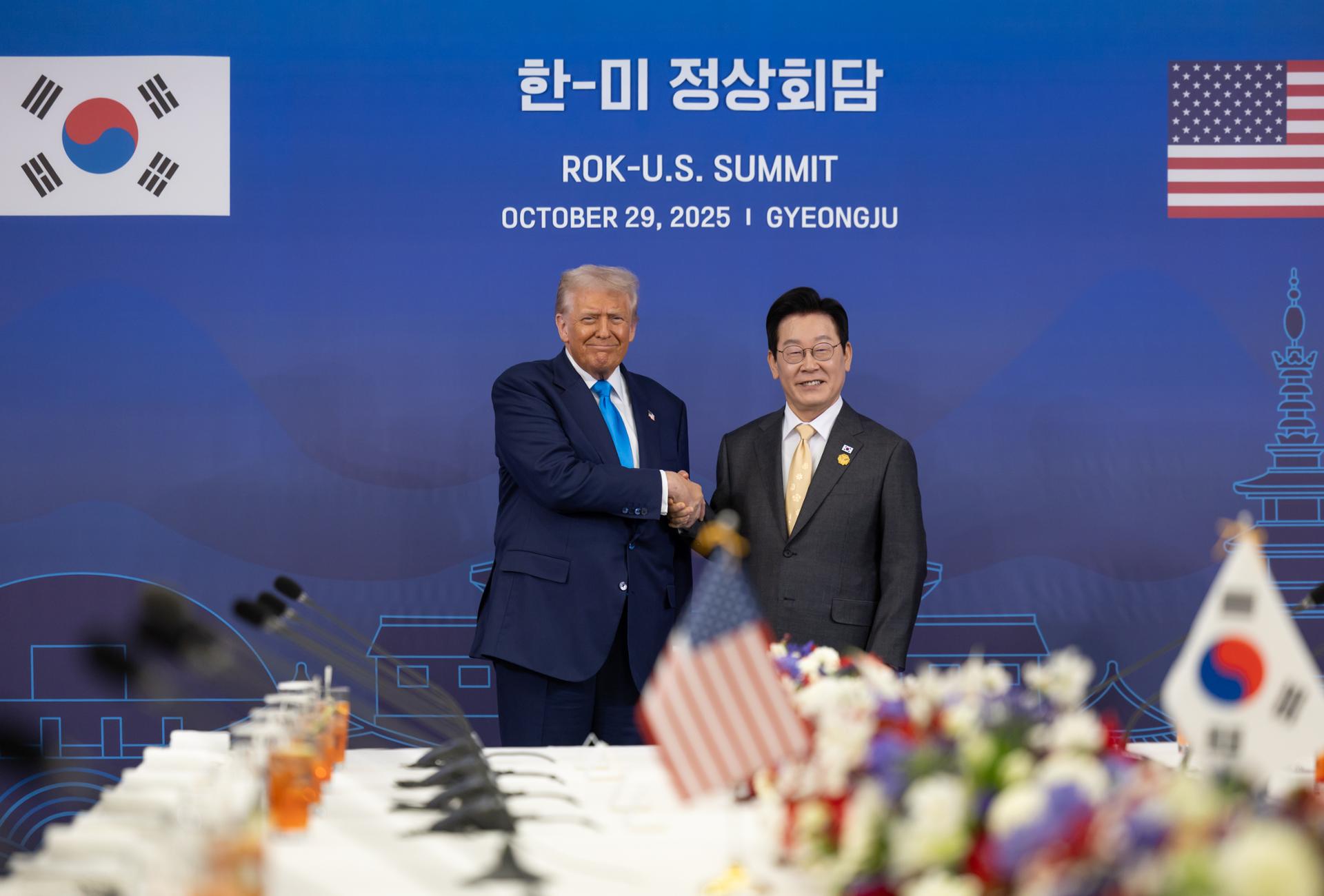
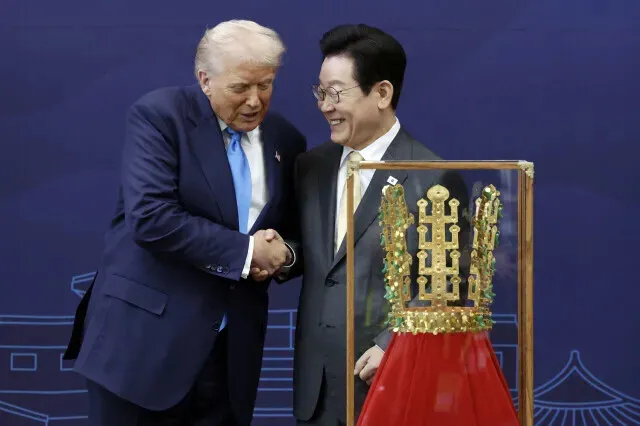
President Lee Jae Myung of South Korea shakes hands with US President Donald Trump after giving him a replica of a golden crown from the Silla Kingdom at a welcome ceremony held at the Gyeongju National Museum on Oct. 29, 2025, ahead of their bilateral summit. (pool photo)
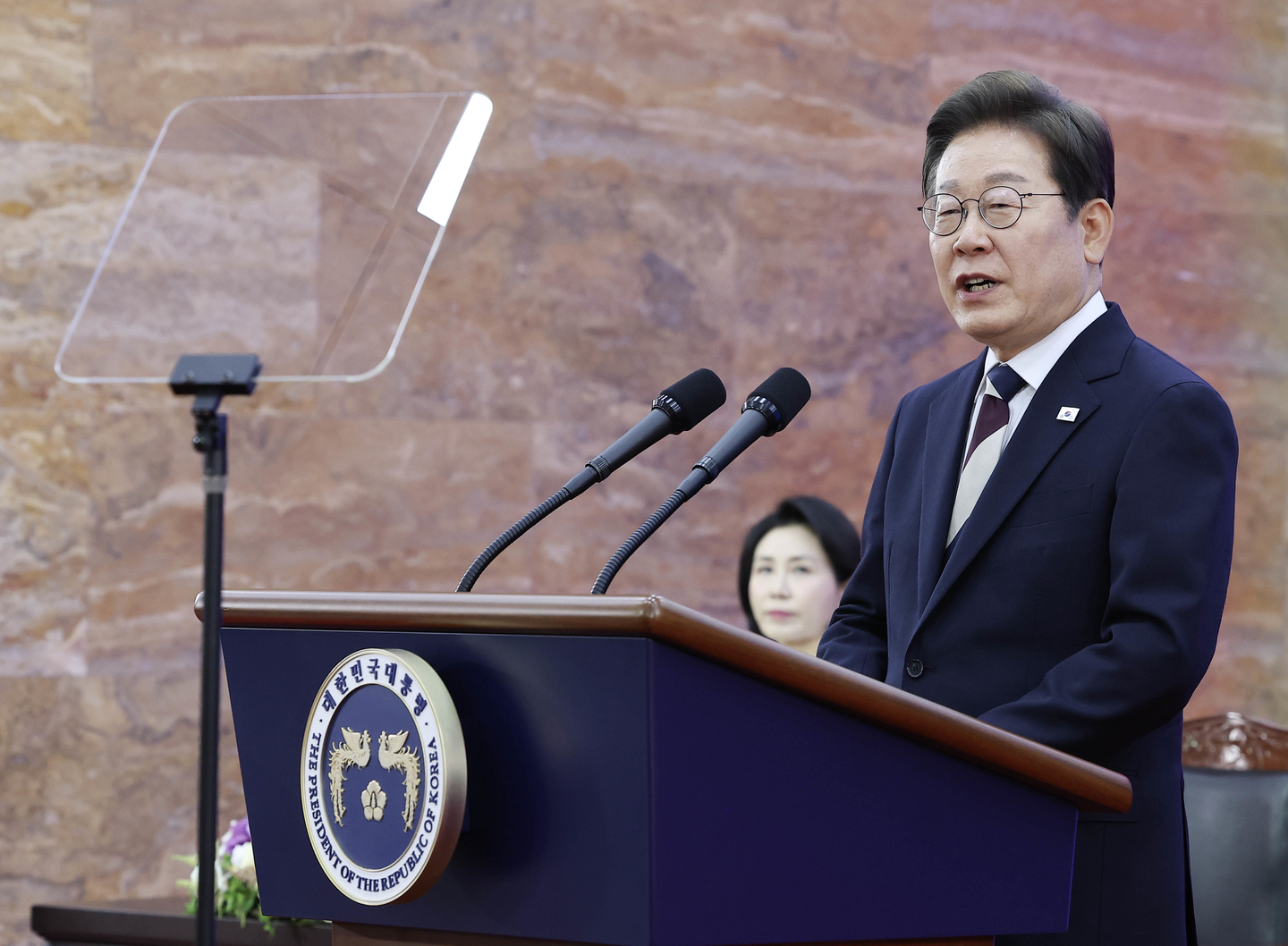
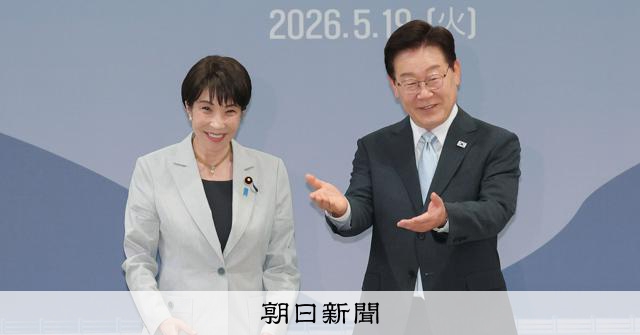
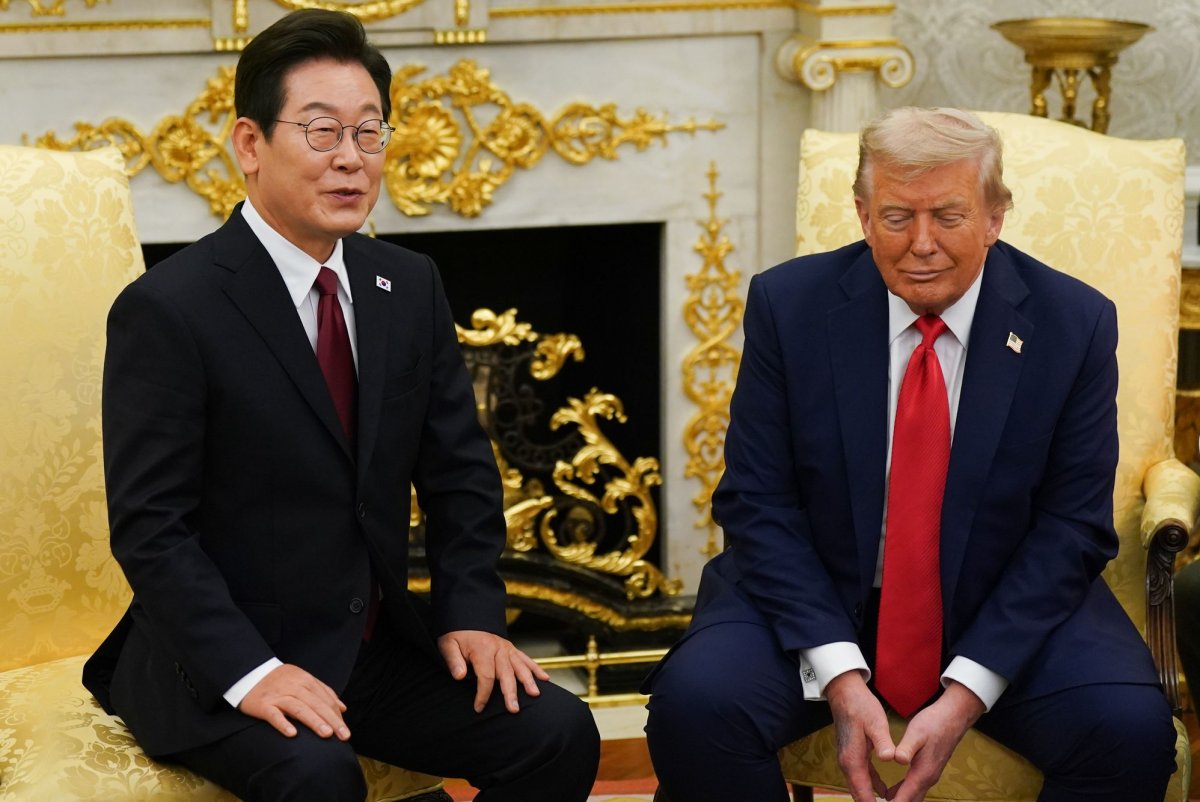
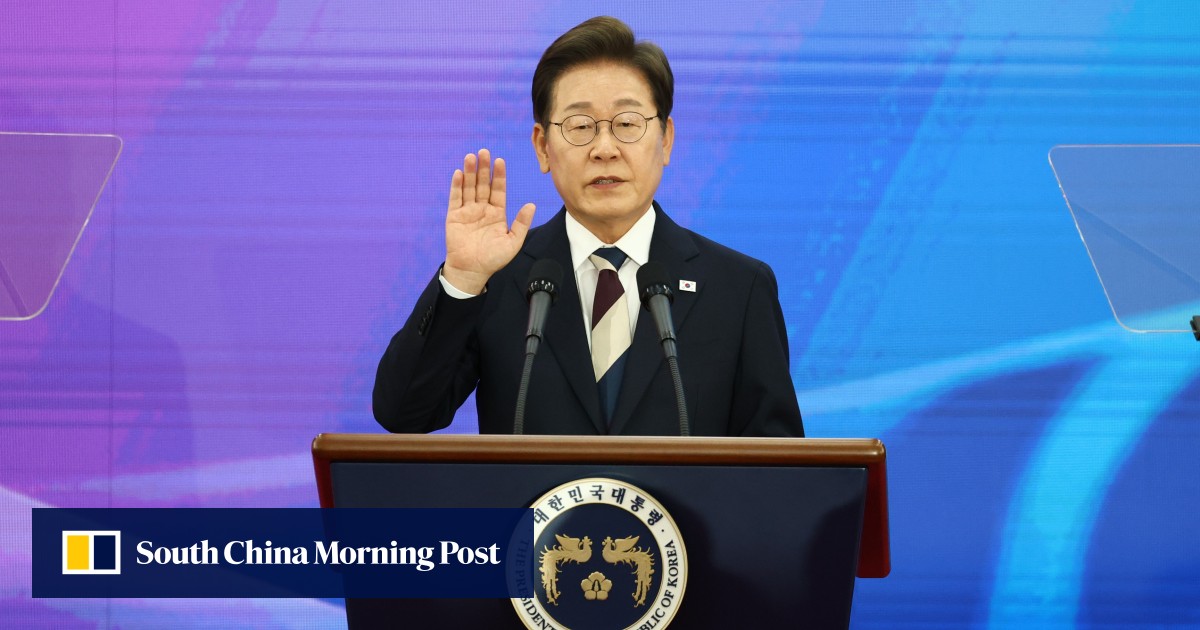
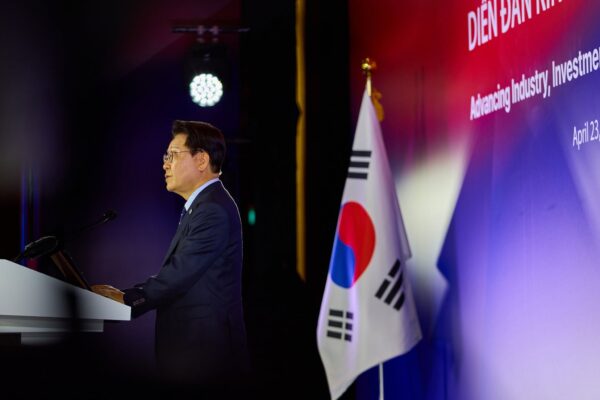
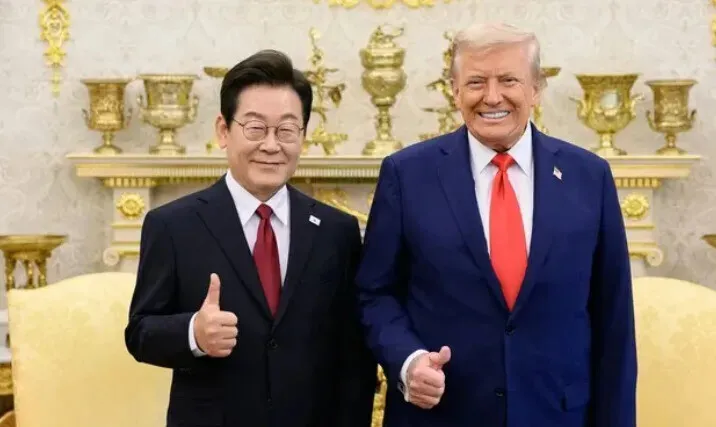
June 4 will mark one year in office for President Lee Jae Myung. His administration launched in a baptism by fire, encumbered by a diplomatic vacuum created by his predecessor’s abortive self-coup in December 2024 and mounting pressure from the second Trump administration’s aggressive tariff policies toward allies.A mere two and a half hours before his first summit with Lee on Aug. 25, 2025, US President Donald Trump threw a curveball meant to rattle Korea, posting, “WHAT IS GOING ON IN SOUTH KOREA? Seems like a Purge or Revolution,” on his Truth Social account. Up until the very last minute, Washington threatened to cancel the meeting unless Seoul agreed to its unreasonable demands regarding investment, security and the economy. However, through summits at the White House in August and Gyeongju in October, the Lee administration designed a new blueprint for South Korea-US relations that took the form of the joint fact sheet adopted by the two countries. South Korea pledged to invest US$350 billion in the US, while the US agreed to allow South Korea to construct nuclear-powered submarines, enrich uranium, and reprocess spent nuclear fuel. The Lee administration is also making a concerted effort to achieve its goal of regaining wartime operational control (OPCON) before leaving office. Relations between South Korea and China, which had deteriorated during the Yoon Suk-yeol administration, began to improve following Chinese President Xi Jinping’s participation in the 2025 APEC summit in Gyeongju in November, a bilateral summit later that month, and Lee’s visits to Beijing and Shanghai in January, which were followed by another summit between the two sides. While centering Korea’s alliance with the US amid the latter’s hegemonic rivalry with China, the Lee administration has made clear that it intends to cooperate as much as it can with Beijing when it comes to economic matters. Lee has proven accusations of bias against Japan to be unfounded by holding six bilateral summit meetings in the first year of his presidency alone, outlining a clear path forward for Seoul-Tokyo relations: South Korea will uphold principles regarding historical issues while strengthening bilateral cooperation amid an uncertain global landscape. The administration has achieved much in the past year, but still faces many risks and challenges. Despite the deals inked in the joint fact sheet, discussions on South Korea-US security consultations, which would cover the issues of uranium enrichment, reprocessing, and nuclear-powered submarines, are yet to get off the ground as the US raised concerns over delays in South Korea’s investment in the US, clashes over “discrimination” against American companies like the US-headquartered Coupang, and regulations on online platforms. A US delegation will visit South Korea in mid-June to launch a working group on bilateral security matters, but it remains to be seen how much substantive progress will be made. The government underscored its commitment to making headway on the project on Tuesday by announcing its goal of launching its first nuclear-powered submarine by the mid-2030s. Another challenge is the issue of balancing strengthened South Korea-US security cooperation with South Korea-China relations. As clashes continue between those advocating for autonomy and alliance proponents, many are calling for the administration to clarify the role of the government’s top foreign and security officials. And with North Korea amending its constitution to officially recognize the two Koreas as separate and distinct states while it focuses on strengthening its nuclear and conventional military capabilities, the task of achieving peace on the Korean Peninsula is more daunting and crucial than ever. By Park Min-hee, senior staff writerPlease direct questions or comments to [english@hani.co.kr]Related stories· South Korea expected to broach historical issues with Japan at this week’s summit· South Korea’s Lee affirms respect for ‘one-China’ principle ahead of summit with Xi· South Korea and China take first step toward thawing ties, but challenges remain· The real test of Lee’s pragmatic diplomacy comes after APEC· Will Korea’s Lee succeed in walking the tightrope between the US, China?광고Editorial・opinion[Editorial] Head of USFK continues to cross the line with inappropriate political remarks[Editorial] A disgraced former president like Park Geun-hye has no place on the campaign trail[Editorial] Korea’s online hate problem calls for platform regulation and anti-discrimination law[Reporter’s notebook] Trump’s primary purge of ‘traitors’ won’t win him anything[Guest essay] Moscow-Pyongyang ties are rewriting security in NE Asia[Reporter’s notebook] Trump’s primary purge of ‘traitors’ won’t win him anything[Column] An incompetent ally is worse than no ally at all[Editorial] Samsung’s tentative bonus deal highlights need for profit-sharing rules[Editorial] Crisis averted at Samsung, but society must continue chip profit-sharing debate[Editorial] Seoul and Tokyo should focus on pragmatic cooperation, not countering China