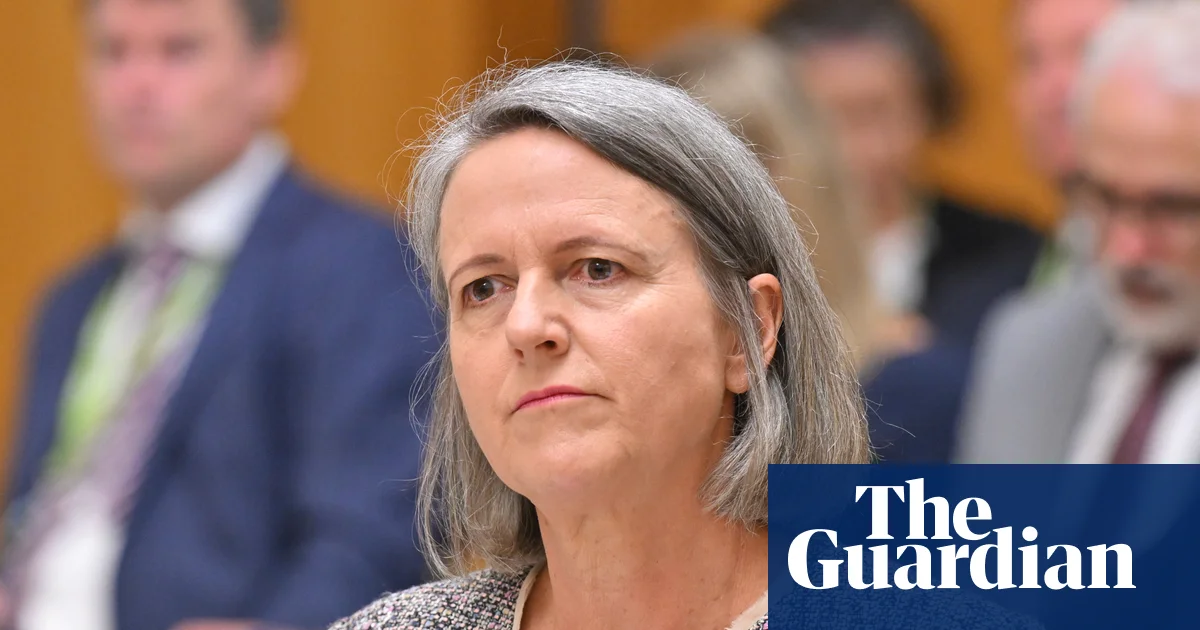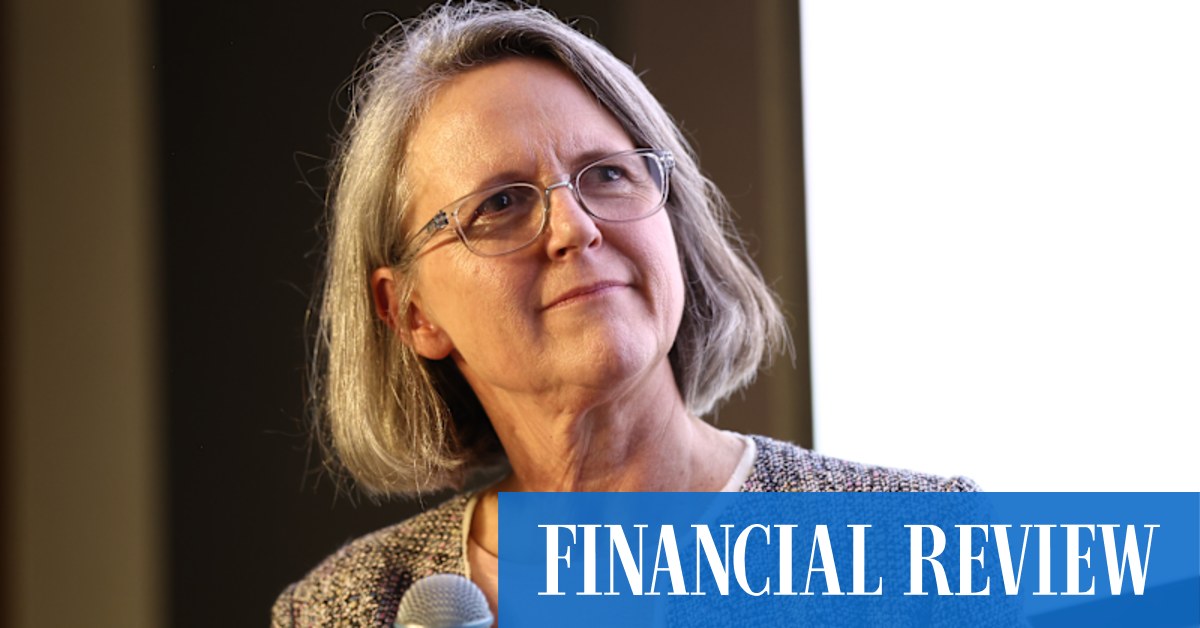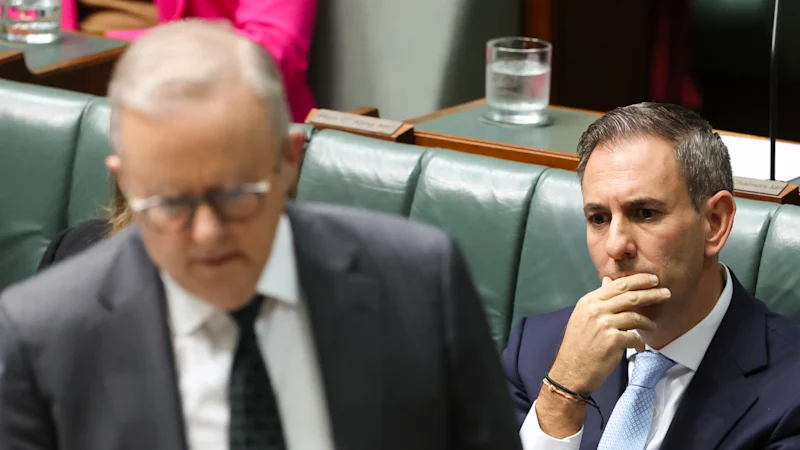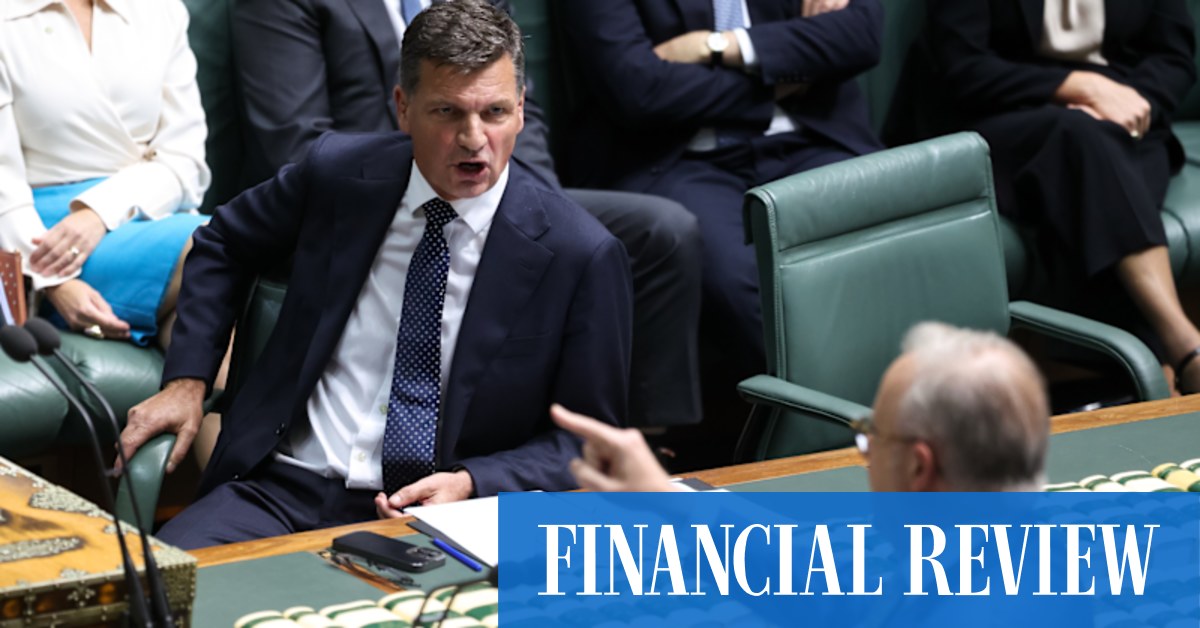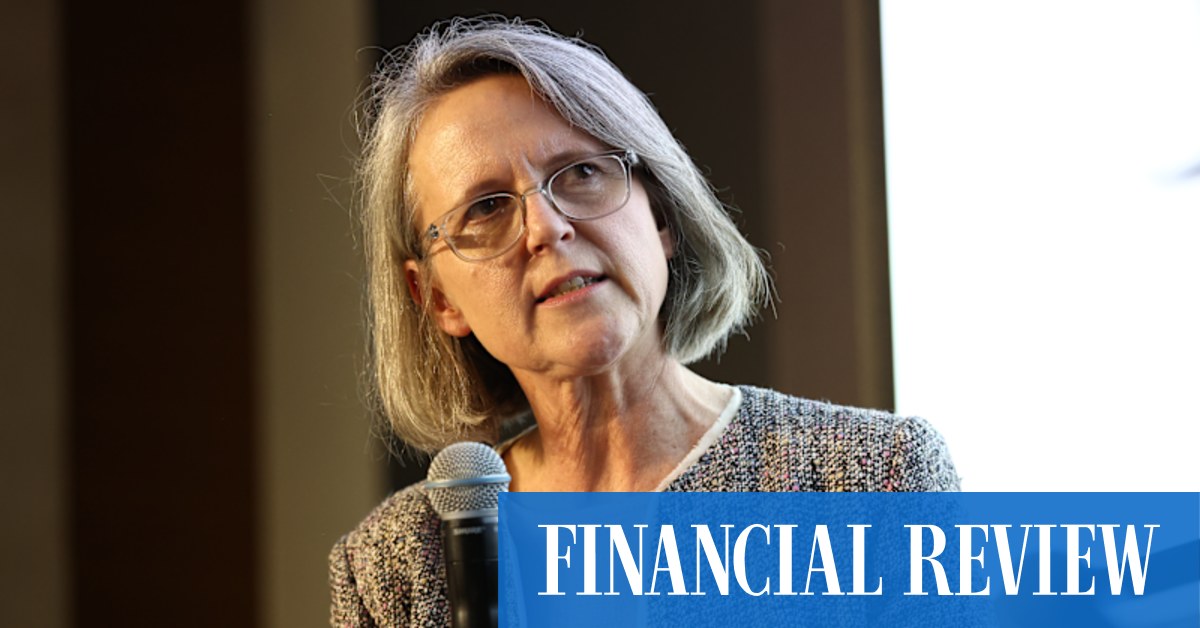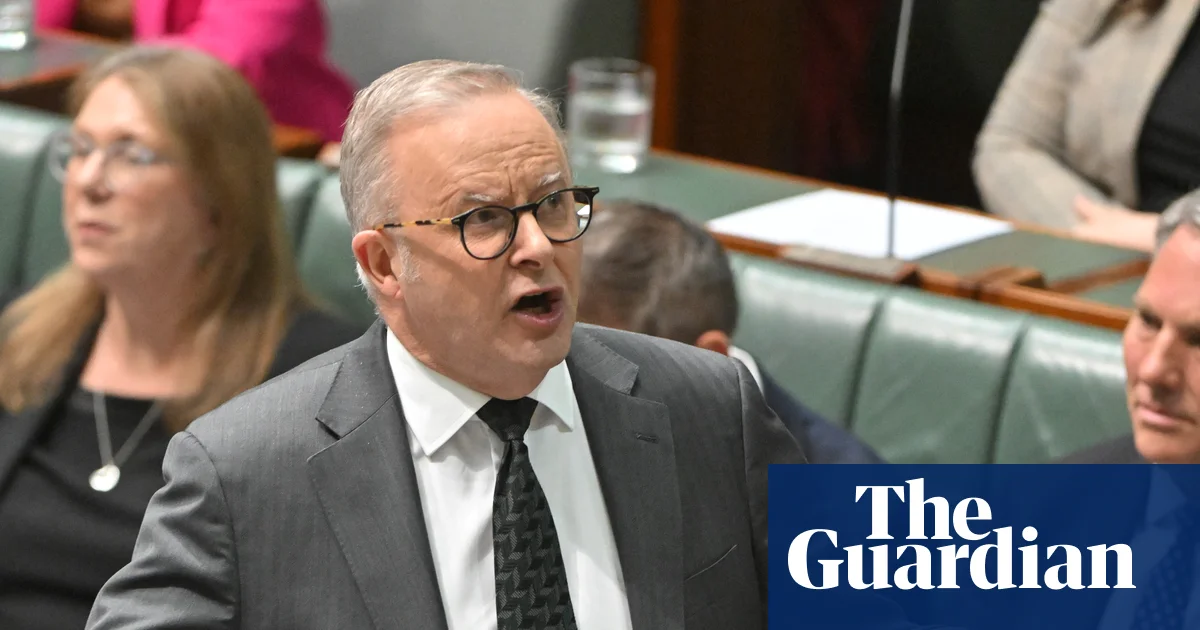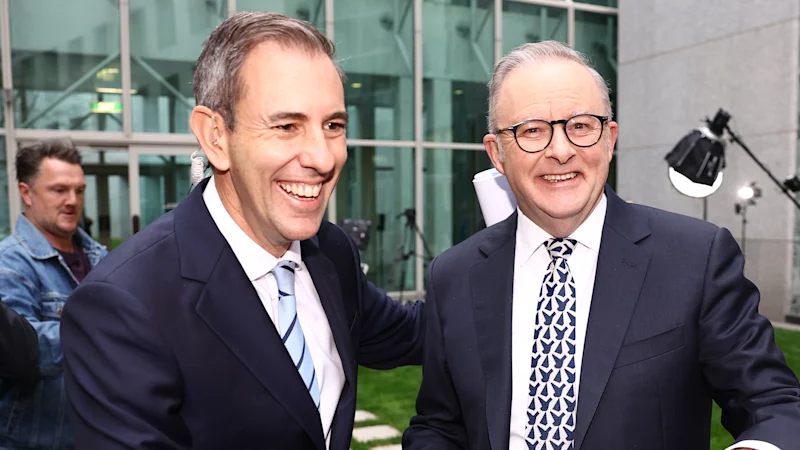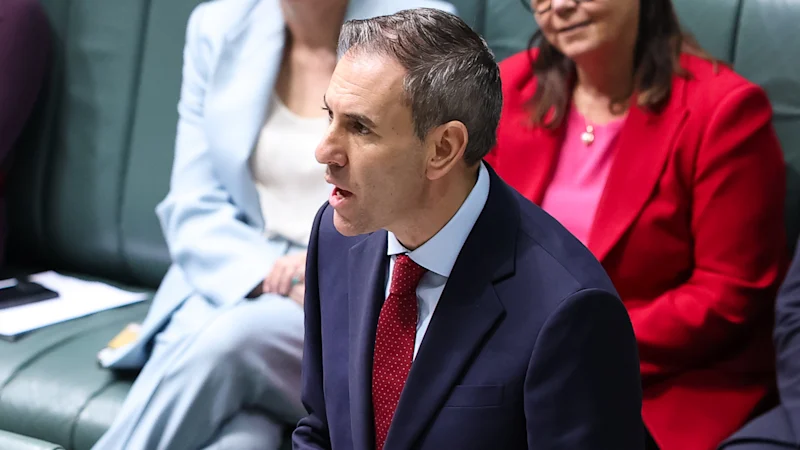
Updated May 28, 2026 — 6:29pm,first published 12:14pmNine in 10 young Australians will be better off financially under the federal government’s tax overhaul, according to newly released Treasury modelling that Labor will use to defend its contentious laws as they are pulled apart by a parliamentary inquiry.The top 1 per cent of income earners would lose about $400,000 worth of tax concessions over their lifetime, Treasury secretary Jenny Wilkinson revealed on Thursday, arguing her department had drafted the most consequential tax changes in 25 years but “revenue has to come from somewhere”.Wilkinson’s defence of the budget with fresh figures will add fuel to the political brawl over Treasurer Jim Chalmers’ tax package, which will continue when a Senate inquiry next month heaps more pressure on the government amid a broadening business backlash.Treasurer Jim Chalmers reads the bill into the House of Representatives on Thursday morning.Alex EllinghausenLabor tried to wedge its opposition by grouping all elements of the budget tax package into one bill – the $250 income tax offset and $1000 instant deduction for workers, as well as curbs on negative gearing and capital gains tax concessions – and had all but secured Greens support in the Senate.So the government appeared surprised on Thursday when its laws were automatically referred to a Senate committee after passing the House of Representatives. This was because the Senate passed a motion earlier this month to require that substantive new laws commencing on July 1 be probed by an inquiry by June 22.The business community will prepare submissions, while the Greens said they would take the fresh opportunity to push the government on why existing property investors were keeping their tax breaks under grandfathering arrangements.Greens economic justice spokesman, Nick McKim, said the bill was a “missed opportunity to finally put people ahead of profits and make the ultra-wealthy pay their fair share”.It sets up a second fight for Labor – this time over whether the concessions are too generous – when the party is already meeting fierce resistance from the Coalition, start-ups and the business sector over its decision to extend capital gains tax changes to non-property assets.The Greens are still likely to pass the laws, although they could use their leverage in the Senate to negotiate on other issues. But the three-week reporting period is unlikely to satisfy the Coalition, which has been pushing for a proper inquiry to probe the impact on Australian businesses.Thursday’s question time exposed deep passions in the debate as Opposition Leader Angus Taylor called Prime Minister Anthony Albanese an “arrogant prick” – a comment he withdrew – and Coalition MPs displayed papers spelling “Labor lies” on their desks to circumvent a crackdown on using the accusation in parliament.As Nationals leader Matt Canavan demanded Labor call an election to take the changes to the public, Taylor was scathing. “Labor should have taken this to the people, and their refusal to do so says they are cowards, they are liars, and they are sending Australian small businesses down the stream,” he said.“We’re having discussions with anyone who will work with us to fight these toxic taxes, taxes that didn’t go to the Australian people, taxes which the government itself doesn’t even understand.”The Coalition has mobilised a counter-attack – promoting its own policy for indexing income taxes to avoid bracket creep, while arguing that the government’s new method for taxing capital gains will deter investment and risk-taking as businesses are slugged with higher taxes.Treasury releases data to justify budget decisionsBut Wilkinson countered the opposition and business community’s argument about investment on Thursday. “OECD research suggests there is not clear evidence to support favourable treatment of capital gains to promote investment, beyond compensating for inflation,” she said.“The proposed CGT treatment more accurately adjusts for inflation and should improve the efficiency of capital allocation on this account.”Treasury analysis released by Wilkinson on Thursday also showed that 90 per cent of people under the age of 30 would benefit up to thousands of dollars from the combined tax changes, including the offset. That assessment did not include the impact on housing, which the Treasury believes will become more affordable over coming years.Wilkinson conceded some young people who made high returns on investments would pay more tax, but they would still make high after-tax returns and benefit from cheaper homes.She compared the budget’s tax changes to those introduced by Paul Keating in 1985 and John Howard in 1999, describing them as the “most significant reforms to the tax system in a quarter century”.But she conceded they were attracting opposition. “In some instances, this may largely reflect the fact that individuals are sensitive about paying additional tax, which is understandable,” she said.“Our assessment is that these reforms will contribute to arresting the decline in home ownership rates, improve the efficiency of the taxation of capital, and support a modest reduction in the tax burden on labour income.”Wilkinson said there were problems with the current tax system around income and capital. She said under current tax settings, about 10 per cent of people with incomes more than $300,000 face an average tax rate closer to someone earning $50,000 a year.Since 2000, the first year the 50 per cent CGT concession was operational, the average person in the top 1 per cent of total income over their lifetime gained more than $700,000 in tax subsidies. Someone on a median income gained just $5700.According to Wilkinson, if the CGT, negative gearing and trust changes had been in place since 2000, the top 1 per cent’s taxpayer subsidy would be around $300,000. Sixty per cent of the extra tax raised by the changes would come from the top 10 per cent of all income earners.Treasurer Jim Chalmers has defended his decision to extend capital gains tax changes to all assets, not just property, as Labor MPs share their jitters about a business backlash in their electorates this week.“It doesn’t make a lot of sense to replace one big distortion with another big distortion,” he told MPs in a closed-door meeting.Cut through the noise of federal politics with news, views and expert analysis. Subscribers can sign up to our weekly Inside Politics newsletter.From our partners
Nine in 10 young Australians to be better off under tax changes: Treasury data
But the top 1 per cent of income earners would lose about $400,000 worth of tax concessions over their lifetime, Treasury secretary Jenny Wilkinson revealed on Thursday.
1,024 words~5 min read