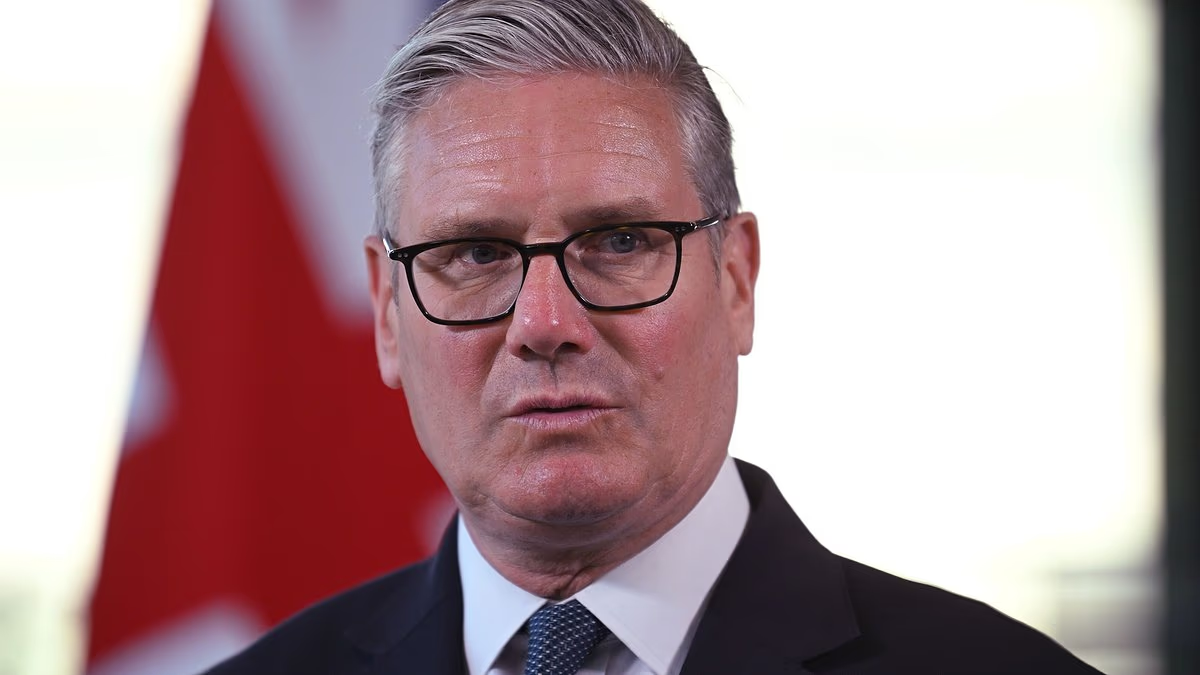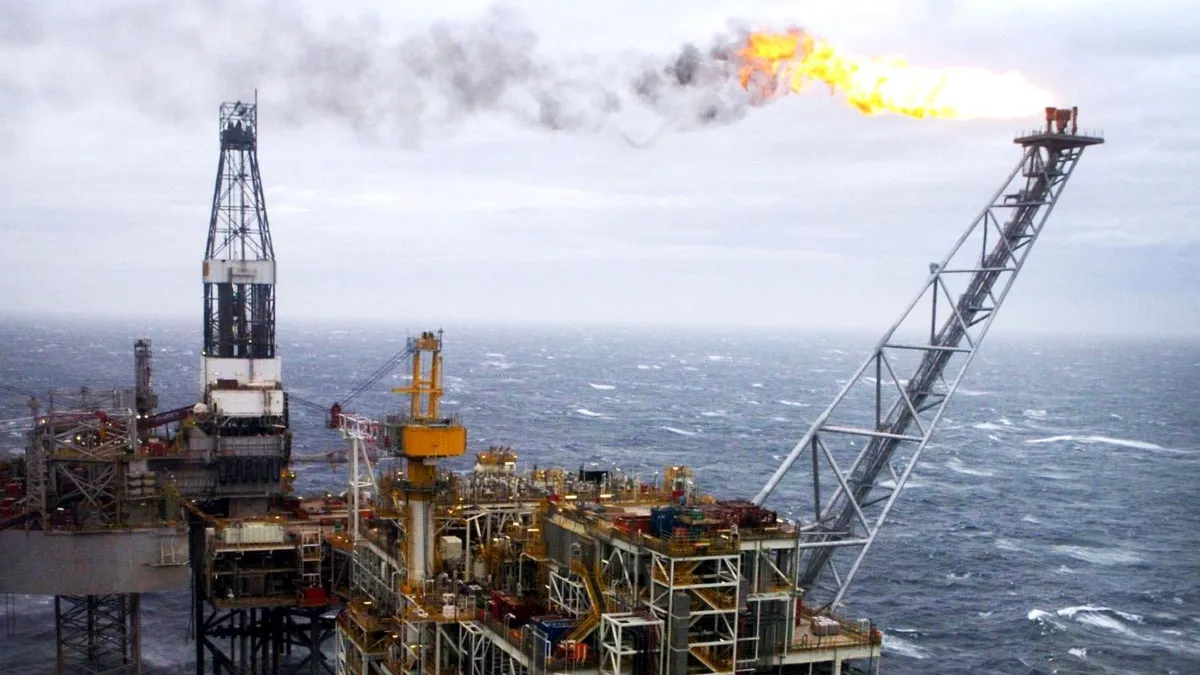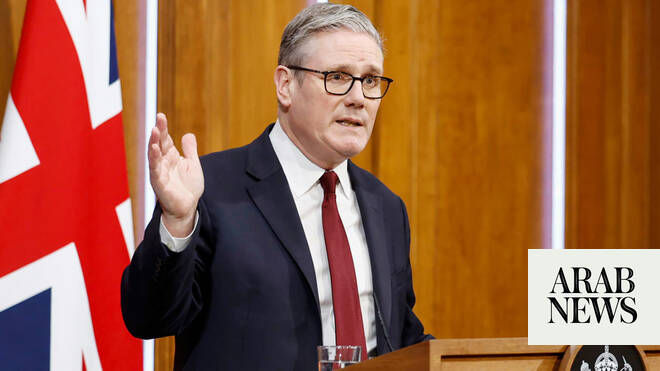
Sir Keir Starmer is said to be under pressure from cabinet ministers to rethink his opposition to new North Sea drilling amid growing economic pressure from the war in Iran. It comes after Sir Tony Blair launched a major intervention on Tuesday where he urged the prime minister to tear up key green commitments. Sources told The Times that ministers are warning the government risks ignoring wider economic benefits that could come from domestic oil and gas production. While Sir Keir has argued that new drilling in the North Sea would not reduce domestic oil prices because they are set internationally, some ministers and industry figures are now thought to be challenging this claim, instead arguing that boosting domestic oil and gas production could strengthen the pound and lower costs across the economy.Sir Keir Starmer is under pressure to rethink his opposition to new North Sea drilling (PA)One Whitehall source told the newspaper: “People keep saying that it ‘won’t take a penny off’ bills. But if it improves your balance of payments, it helps your currency, potentially letting you get more for your money on all sorts of goods. Even small changes make a difference at scale. It might get us a few more solar panels and batteries for the same price too.”A second source said: “There’s a growing feeling that we’ve boxed ourselves in with a line that’s technically true but politically useless. People hear ‘it won’t cut bills’ and assume there’s no economic benefit whatsoever.”Labour promised to issue no more new licences to explore new oil fields in its 2024 manifesto, arguing that such a move would "not take a penny off bills, cannot make us energy secure, and will only accelerate the worsening climate crisis.”But pressure to rethink the position has only grown after energy costs were sent rocketing higher by Iran’s move to block the crucial Strait of Hormuz shipping route, through which a fifth of the world’s oil and gas is carried.However, numerous climate experts told The Independent last month that drilling the UK's remaining gas and oil reserves won't lower prices or boost energy security, branding it a "total red herring”. Dr Anupama Sen, from Oxford University's Smith School of Enterprise and the Environment, told The Independent: "Oil and gas are priced on international markets, wherever they’re produced – so the idea that more North Sea extraction will bring down bills is misleading.”Meanwhile, Professor Gavin Bridge, fellow of the Durham Energy Institute and UK Energy Research Centre Researcher, described the North Sea as a "highly mature basin", which is now "in long-term decline". "It has been drilled for over half a century, so available new supply is now very small relative to overall market demand," he said. "Squeezing additional output from the North Sea will have a negligible impact on prices or the UK cost of living."In a 5,000 word essay published earlier this week, Sir Tony Blair reiterated calls for Labour to expand drilling in the North Sea, saying the war in Iran has exposed the UK’s “structural vulnerability” to global fossil-fuel shocks.The Tony Blair Institute said the conflict should be seen as part of a wider energy crisis facing the UK and calls for a broader “reset” of its energy strategy, arguing that Britain’s approach is increasingly out of step with global competitors.Asked whether he was proposing the prime minister tear up Ed Miliband’s net zero targets, the former prime minister told Times Radio: “Yes, I am, and I’ll tell you exactly why... Britain’s emissions are under 1 per cent of global emissions, we can’t solve climate change, and to impose costs on our own businesses and consumers in order to accelerate net zero when the rest of the world is not doing so – I don’t understand the logic behind it, or shutting down our own oil and gas industry in circumstances where, again, I don’t know another country in the world that’s doing that.”Earlier this month, Ofgem announced that its price cap is to rise by 13 per cent from July 1 driven by the ongoing conflict in the Middle East. The jump will equate to a rise of £18 a month for the average household using both electricity and gas, with households seeing an increase of 24 per cent on their gas bills and 5 per cent on their electricity bills.The Department for Energy Security and Net Zero has been contacted for comment.
Starmer ‘facing calls to rethink approach to North Sea drilling’
While Sir Keir has argued that new drilling in the North Sea would not reduce domestic oil prices because they are set internationally, some ministers and industry figures are now thought to be challenging this claim
734 words~3 min read