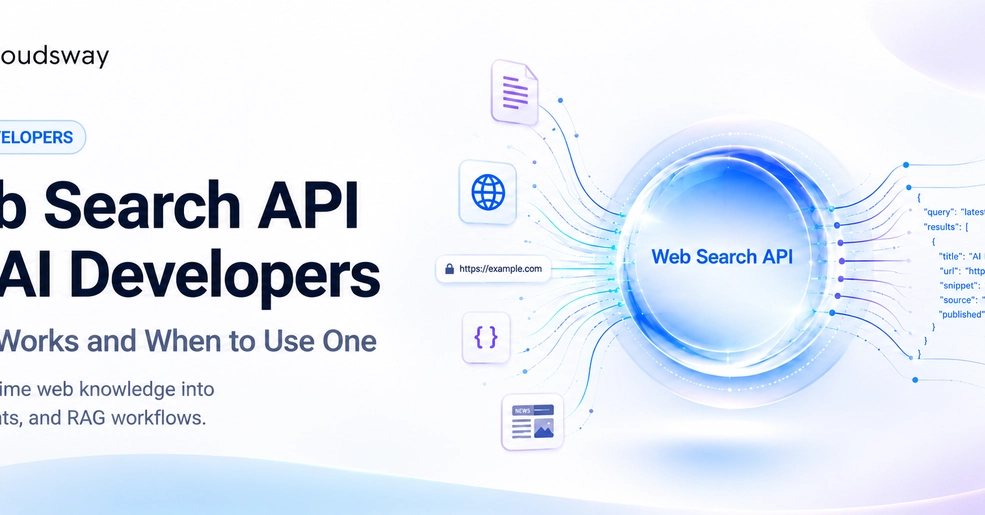
In today's landscape where AI applications (especially RAG architectures and AI Agents) are exploding, getting real-time, accurate web search data has become an absolute necessity for developers. In the past, we might have just whipped up a simple Python + BeautifulSoup script or hooked into the free Google Custom Search JSON API to get the job done. But stepping into 2026, the technological environment has fundamentally shifted.
According to Google's official developer documentation, the Google Custom Search JSON API will be completely retired on January 1, 2027 (and already stopped accepting new users back in 2025). This means thousands of projects relying on these legacy endpoints must complete their migration this year. Simultaneously, with search engine anti-scraping strategies upgrading exponentially and AI reshaping search engine results pages, the modern SERP API industry is undergoing a profound shake-up.
This article will take you on a deep dive into the four core trends of the SERP API industry in 2026 and provide a hardcore tool-selection guide for developers.
Track Bifurcation: AI-Native Endpoints vs. Traditional SEO Tools
The 2026 market is no longer a "one scraper fits all" scenario. SERP APIs have clearly split into two major camps: