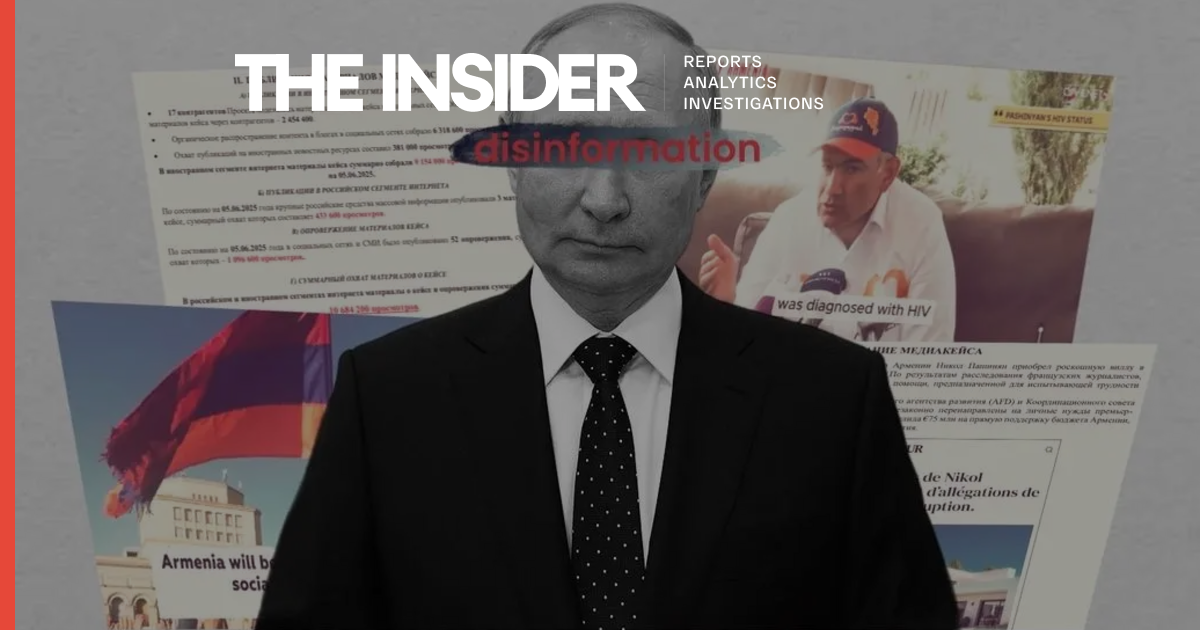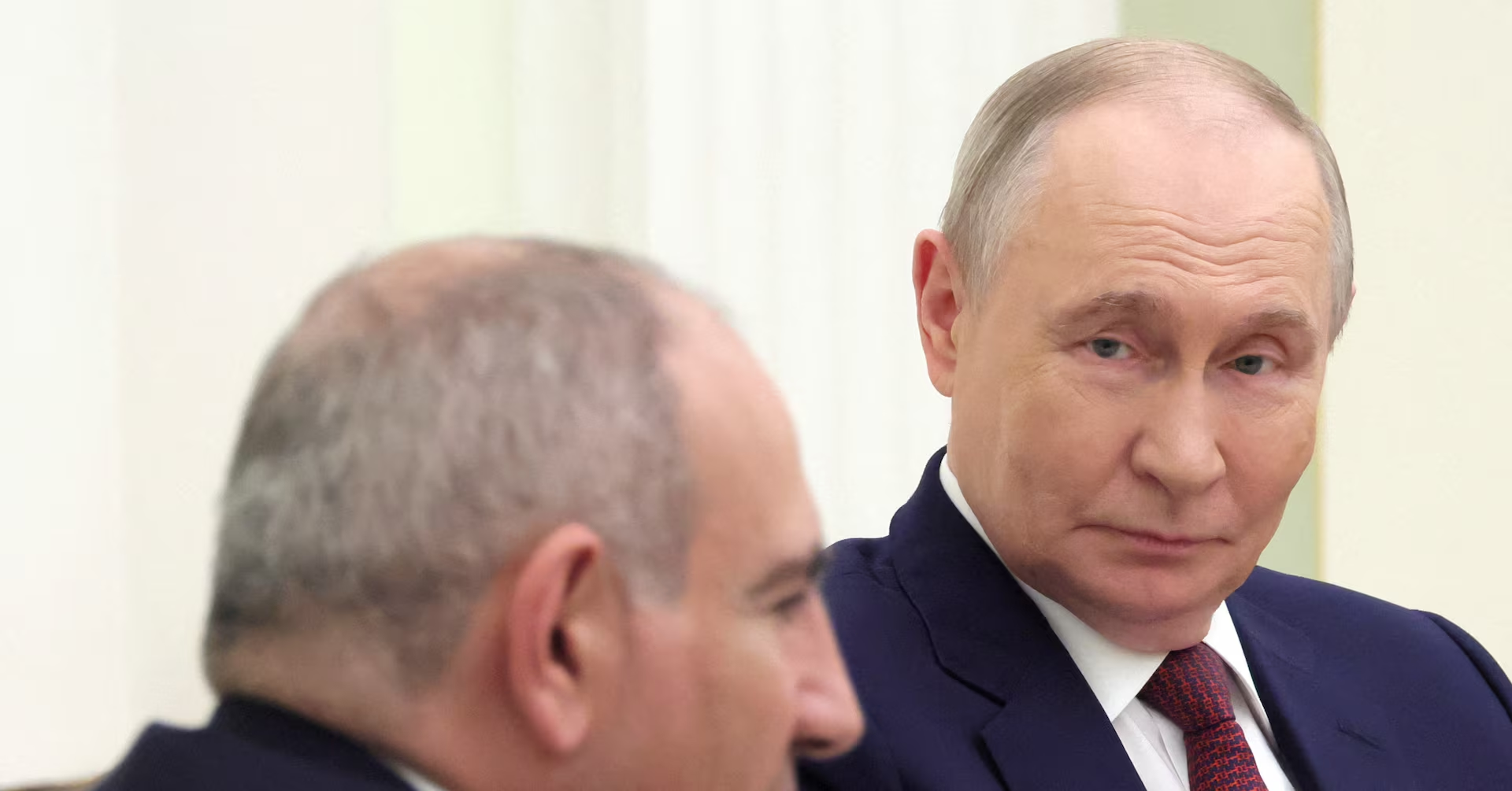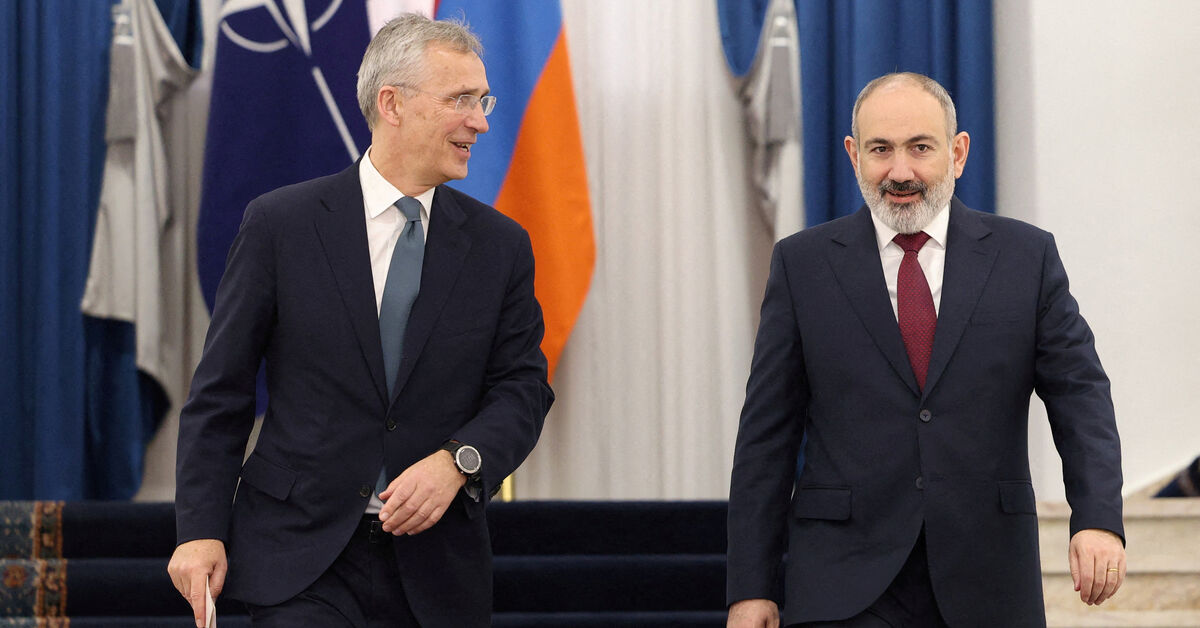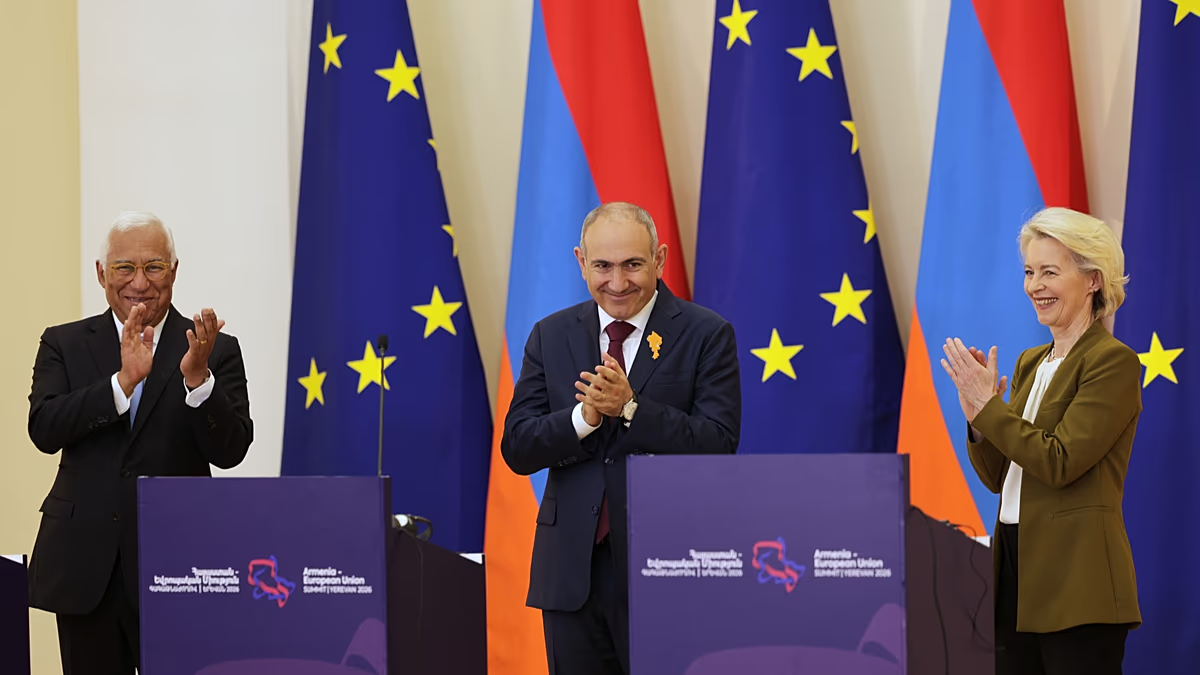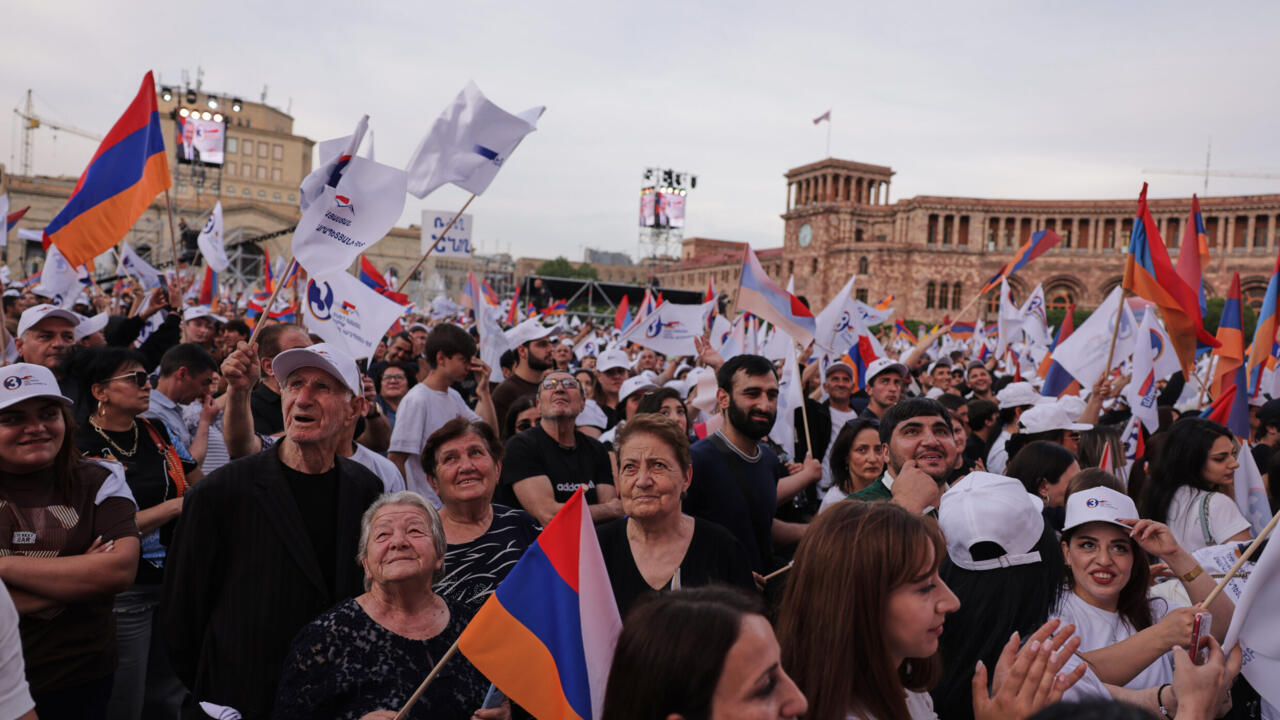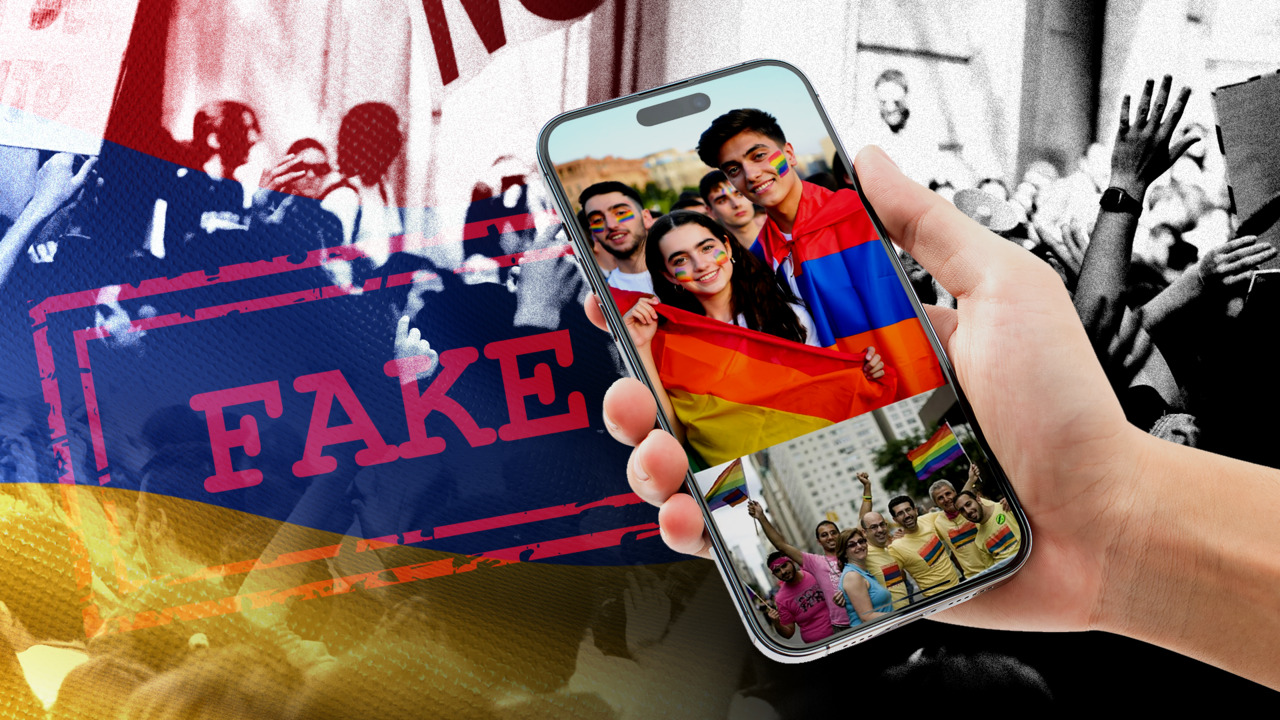
For years, an Armenian news outlet called MediaNews has been publishing content from fake social media accounts that either support Prime Minister Nikol Pashinyan or target opposition parties. Many of the accounts were obviously fake because they had very few pictures, except for AI-generated images or random photos of real women taken from online. For example, one fake account that went by the name Sasha Simonyan used a photo of US actor Sasha Alexander. Until recently, no one knew who was behind the group, which has almost 100,000 followers on Facebook. A new investigation by fact-checkers at Civilnet, an Armenian news channel and media site, has linked it to one of Pashinyan’s top aides: Taron Chakhoyan. While this type of misinformation is not new in Armenia, there has been a “significant escalation” in the lead-up to the parliamentary elections on June 7, according to Artur Papyan, the director of Armenia’s Media Diversity Institute. “Everyone is disseminating fake news, everyone is disseminating AI-generated fake videos,” said Ani Grigoryan, the head of the fact-checking team at CivilNet. Read more'They are stealing the election': How Armenia became the next Russia-EU battlefield 'Tenfold increase' Journalists were able to connect MediaNews to Chakhoyan because he used his personal contact details, including his phone number, address and email, to register the website before he entered politics. He has denied any involvement. Other sources of misinformation have been harder to trace. According to Papyan, these campaigns include “anonymous Telegram channels, TikTok humour videos and AI-generated or manipulated visual content designed to bypass traditional verification mechanisms quickly”. Since the start of May, there has been a “tenfold increase” in this type of content, which “directly coincided with major diplomatic events”, he said, including the first-ever EU-Armenia summit on May 4-5. Experts have identified both domestic and foreign sources of this fake content, including Russia. A recent leak from the Social Design Agency, a Russian digital marketing firm, points to a coordinated effort by the Kremlin to create misinformation campaigns in multiple countries – including Armenia in the lead-up to its election. One campaign alleged that Pashinyan bought a multimillion-euro luxury mansion in Marseille in southern France. The prime minister made no such purchase, but the story nevertheless spread across social media, and posts about it gained more than 10.6 million views, according to FIP, an Armenian fact-checking platform. The misinformation campaigns have taken many forms and go beyond the government, targeting the opposition or vice versa, Grigoryan said. Another investigation by her team at Civilnet found that AI-generated vox pop interviews on TikTok have often been created by different opposition parties targeting each other in their bids to gain seats in parliament. Fake Pride Some of the narratives in these campaigns aim to “weaponise local vulnerabilities, historical traumas and existential identity issues”, Papyan said. “The dominant narrative seeks to portray the current Armenian authorities (Pashinyan’s Civil Contract party) as entirely hostile to Armenian history, identity and the Church.” One example of this was the creation of a fake organisation called the “Armenian Queer Union”. Emails from this fake group were sent to Armenian local media in early May, claiming that a series of LGBTQ+ focused events were taking place in the country. The fake group even claimed that this was being sponsored by Pink Armenia, the country’s largest LGBTQ+ organisation. Homophobia is widespread in Armenia, and anti-LGBTQ+ sentiment that circulated during the last election led to a years-long rise in violence against the community that led to the murder of a trans woman, according to Hripsime Kizogyan, Pink Armenia’s executive director. “The campaign started to frame the current prime minister and the government as [supporting] so-called LGBT propaganda, so they are endangering our national values,” Kizogyan said. It claimed that the current government “is pro-LGBTQ+ … so that means that they are not good for the future of Armenia”. AI-generated images of Pashinyan at a fake Pride event in Yerevan were also circulated online.
Fake Pride, masked men and a surge in misinformation ahead of Armenia’s election
There has been a “tenfold increase” since the start of May in misinformation circulating online in Armenia ahead of the June 7 parliamentary elections, according to Artur Papyan, the director of Armenia’s…
1,124 words~5 min read