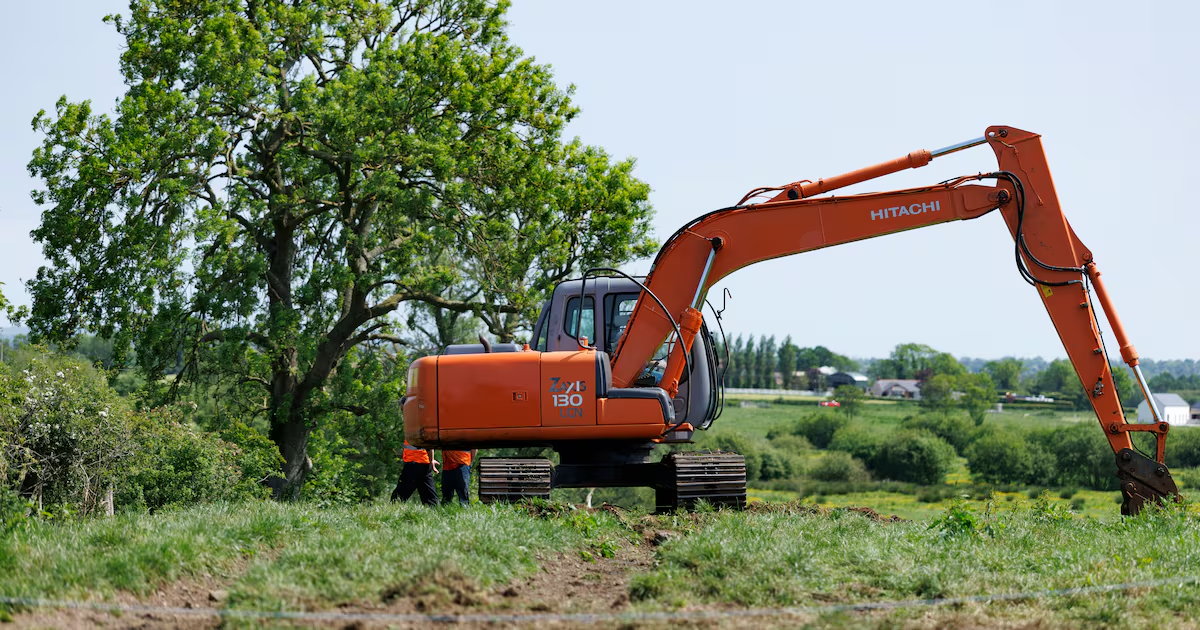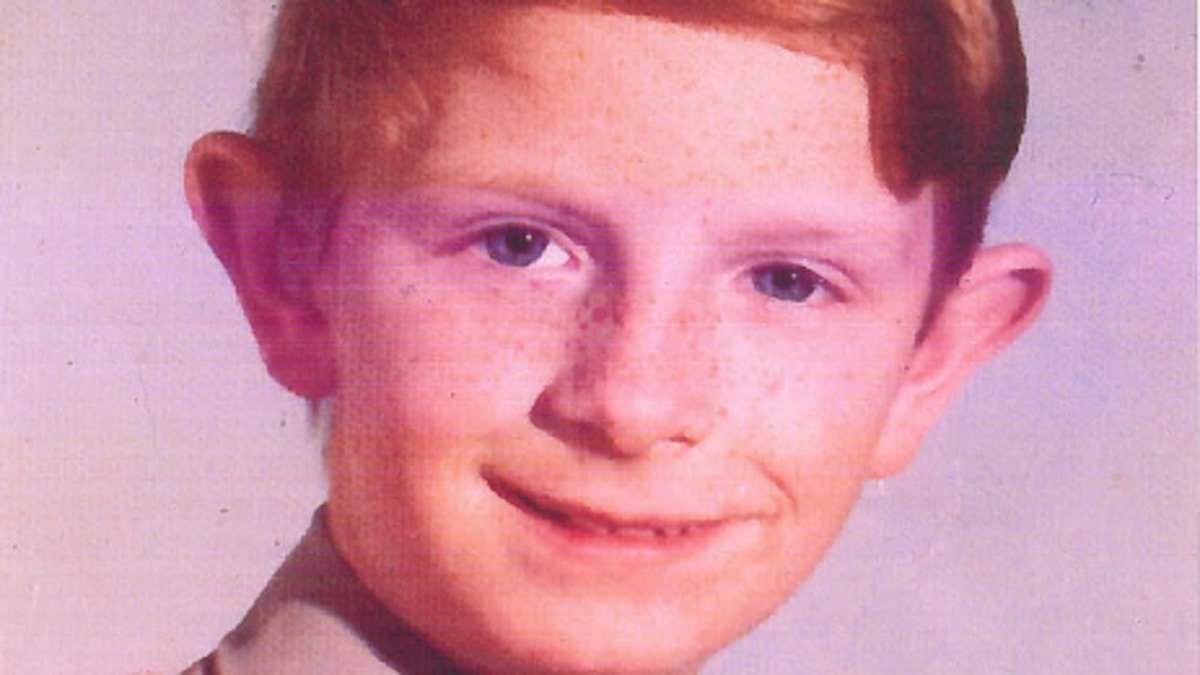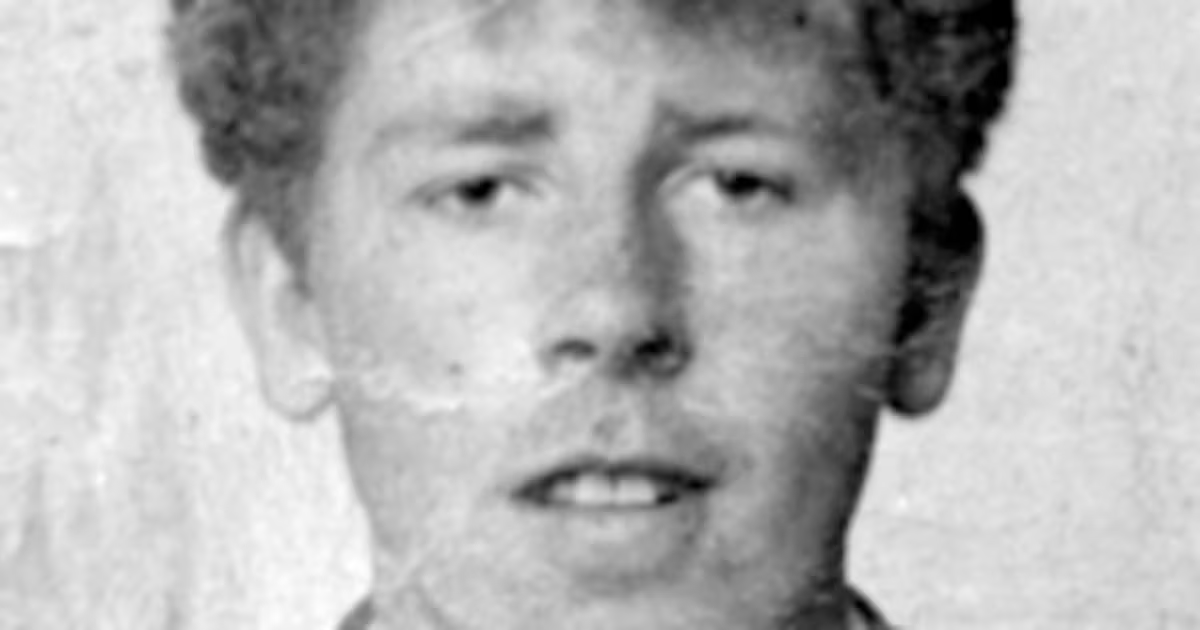
Catholic man last seen by his family in 1970s was added to the list of Disappeared in 2022Seamus Maguire was 29 when he went missing in the early to mid-1970s Thu May 28 2026 - 06:00 • 5 MIN READTroubles past intrude on a sunny day close to the shore of Lough Neagh in Co Armagh this week as the search begins for local man Seamus Maguire.Maguire’s was the last name to go on the list of the so-called Disappeared – people who were abducted, murdered and secretly buried by republicans during Northern Ireland’s conflict.Today there is early summer birdsong in the hedges, the sun is blazing and a group of people are sunbathing beside the lough. About half a mile from the lapping waters a young woman is cheerfully wheeling two babies in a buggy along the Derryclone Road. Then she notices the excavators and storage containers placed in the field adjoining that narrow country road. “Oh my,” she says, surprised by all the activity.“You wouldn’t think anything like that would be happening here.”A Catholic married to a Protestant, she has lived in the area for several years and knew nothing of the disappearance of Seamus Maguire. “I do hope they find his body. Every family should be able to bury their loved ones,” she says.In the field 75-year-old Thomas Kirk surveys the work being carried out under the supervision of Eamonn Henry, lead investigator with the Independent Commission for the Location of Victims’ Remains. The search is taking place on his land.[ ‘A momentous day’: Search begins for man believed ‘disappeared’ by IRA 50 years agoOpens in new window ]He has no issue with allowing the work on the two-acre site, part of his 100-acre farm that he has leased out for many years, with some of the heavier machinery being lifted by crane over the hedgerow and the telephone wires on to his field. Kirk remembers Seamus Maguire’s grandmother. “She lived just over the road and often helped us about the house,” he says.Kirk also recalls Maguire’s late mother May but couldn’t place Seamus, although they would have been close in age. Seamus Maguire, a Catholic, was from Aghagallon, a couple of miles from Derryclone, while Kirk, a Presbyterian lived about 30 miles from the farm in Ballinderry. Had he not been abducted, murdered and disappeared Maguire would be aged 79 now. “I hope they will be successful in their dig,” says Kirk.Locals remember May Maguire going to extremes trying to locate her son after he went missing in the early to mid-1970s.A forensic scientist at the scene in Derryclone, Co Armagh, where a search is under way for Seamus Maguire. Photograph: Liam McBurney/PA Wire Here there is a degree of confusion. Several years ago some locals notified the commission that Maguire possibly should be added to the list of the Disappeared but it was only in 2022 that officially he was put on that sad roll. That was after the Police Service of Northern Ireland (PSNI) provided information that republican paramilitaries were suspected of his killing.It was initially thought that Maguire went missing in 1973 and 1974 but about a year ago it was “established” that he spent time in Manchester and that he may have returned in 1976 when he was 29. This week, however, the commission is more uncertain, now saying it was “subsequently suggested” that after spending time in Manchester he may have returned to Northern Ireland and was then killed.Local sources say May Maguire seemed to have been put on false trails in her search for her son. Some say that based on information she received she travelled to London but then would be told that he had moved to somewhere like Birmingham to work on the buildings. Sources also say that some veteran IRA members in the area knew the true story but did not assist her in her torment.[ Searching for Northern Ireland’s disappeared: ‘As the years went on, it just became life’Opens in new window ]One nurse remembers in the late 1970s how May, gravely ill in hospital, was in a terrible state of distress. The nurse thought it was from the physical pain of her illness but then deduced it was the mental anxiety over her missing son. The commission is unsure whether the killing was carried out by the Provisional IRA or the Official IRA, both of which were active in the area during that period. At a press conference on Tuesday Eamonn Henry indicated that some people with IRA pedigree finally had provided some information to the commission. “There are a lot of lines of inquiry that have pointed to and indicated that this is the likely place that he has been interred in after his murder between 1973 and 1976,” he says.The Official IRA had members in the Derryclone area where the search is taking place but local sources suspect it was more likely that the Provisional IRA was responsible. That was because he was believed to have been abducted in Lurgan where the Provisionals were dominant.In February 1973 two RUC officers were attacked in an ambush at Aghagallon with 26-year-old William Raymond Wylie from Armagh killed at the scene and 43-year-old Reserve constable Ronald Macauley badly injured. Macauley, who was from the area and popular – “he was like a local bobby”, says one source – died from his injuries a month later.Disappeared: (from to right) Columba McVeigh, Joe Lynskey and Robert Nairac. Photograph: PA Photo. Two Provisionals from Lurgan and a man from Tipperary were convicted of the murders and given life sentences. There has been no direct link to Maguire’s murder and the murders of the officers and subsequent convictions, although there is some local speculation to that effect. There has been no republican statement explaining why he fell foul of the IRA.“We were always told that Seamus Maguire was last seen arguing with IRA men in North Street in Lurgan and after that he was never seen again,” says one source.There are local reports that he was taken from Downings Bar in Lurgan, where he was a regular, by a Provisional IRA unit from the town. Punches were exchanged as he tried to resist his attackers but eventually he was subdued and overcome. It is also suggested that he was then handed over to another IRA unit, possibly from south Armagh who may have carried out his murder. A number of local sources characterise Maguire as being “harmless” or “innocent in ways”. One man who attended Derryclone national school with him says: “I would describe him as being impressionable and a bit brash. I don’t think he was a member of the IRA; I don’t think they would have had him, but he was a ‘wannabe’, if you know what I mean.”There are local suggestions he may have boasted about his republican connections and that he engaged in “loose talk” that would have angered local IRA commanders. Workers at the Derryclone site are carefully digging their way through grids of 20 sq m each staked out in the field. First, as Eamonn Henry explains, under the supervision of an archaeologist the top sod and topsoil is removed in case the body is in a shallow grave.If that is not the case, a more “invasive” dig will continue. Then they will be searching for what is called “the cut”, an indication of “sharp edges” of clay where a grave may have been dug. Even 50 years on, he says, the distinction of such dug clay can be evident in the soil.As the Maguire family hope and pray for some form of finality Henry again appeals for public assistance in locating the remaining of the 17 Disappeared: Maguire, Co Tyrone teenager Columba McVeigh, British army captain Robert Nairac and former Cistercian monk Joe Lynskey.IN THIS SECTION
Who was Seamus Maguire and why was he murdered and secretly buried during the Troubles?
Catholic man last seen by his family in 1970s was added to the list of Disappeared in 2022
1,303 words~6 min read