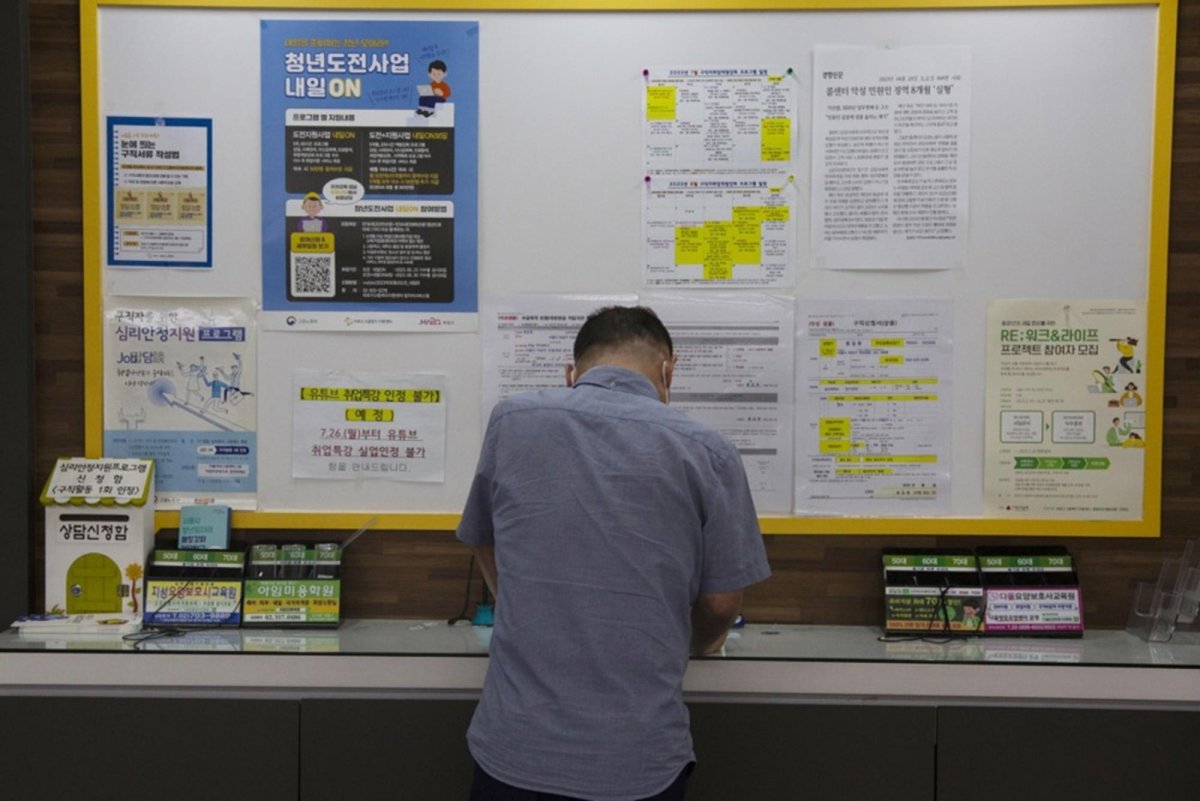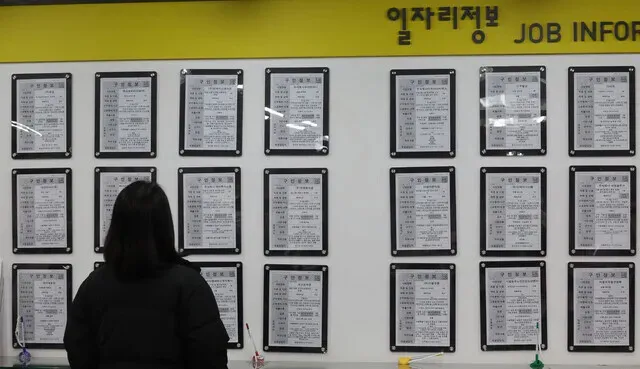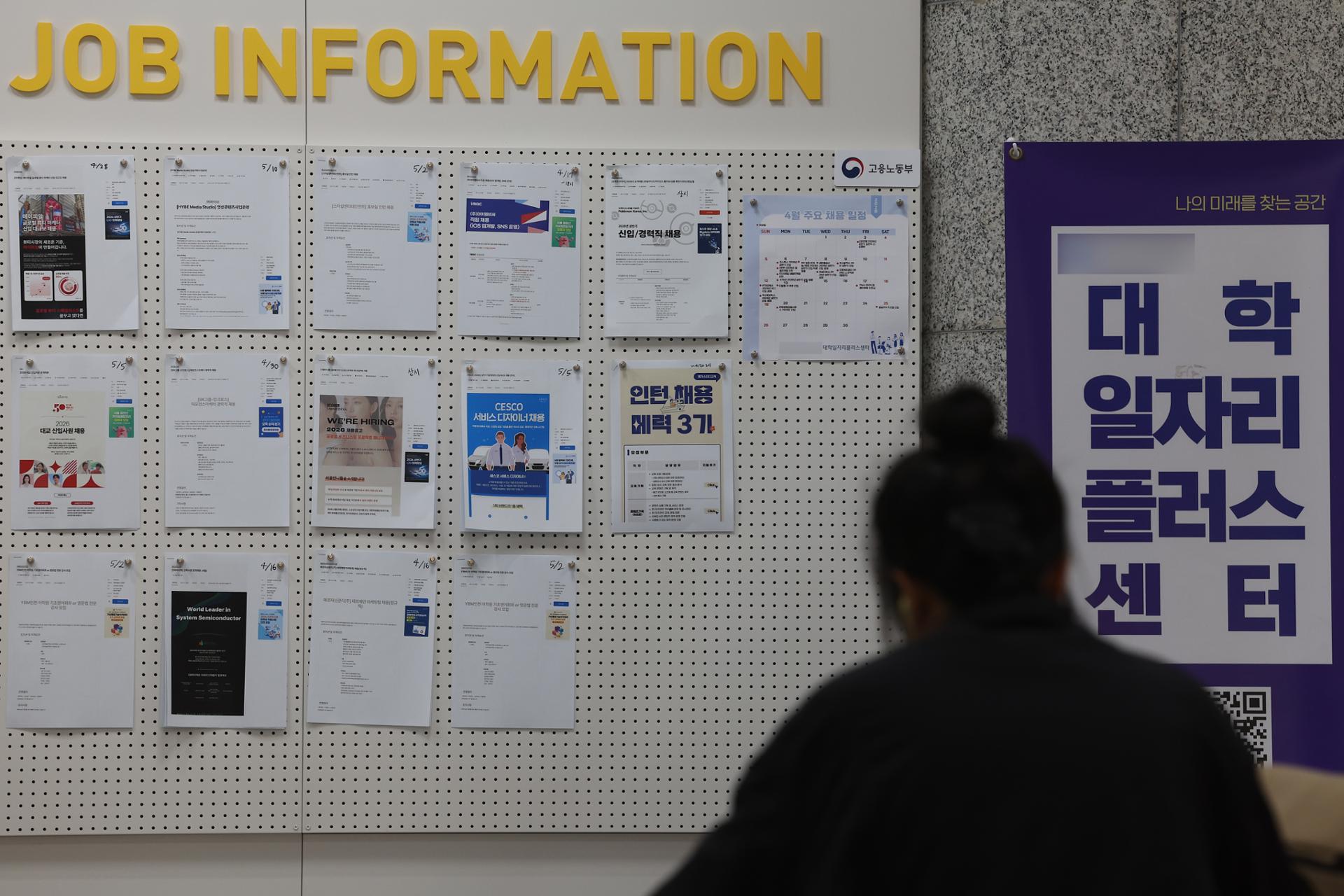
A student walks past a bulletin board at a job information center at a Seoul-based university on May 13. (Yonhap) South Korea saw the sharpest April increase since 2020 in the number of people in their late 20s who were neither working nor looking for work, even as the country’s population in that age group continued to shrink, government data showed Thursday.The economically inactive population aged 25 to 29 reached 784,000 in April, up 37,000 from the same month in 2025, according to the Korean Statistical Information Service.The last time Korea saw such a steep rise in economically inactive people in their late 20s was in April 2020, when the number increased by 174,000 from a year earlier amid the COVID-19 pandemic.The increase came despite a sharp decline in the overall population of people aged 25 to 29, which fell by 72,000 from April 2025 to April this year. The figures suggest the deterioration in youth employment may be sharper than the headline figure indicates.The economically active population in the age group, referring to those who are employed or actively looking for work, fell by 109,000 from a year earlier. The year-on-year drop for April was the largest since 2013.Much of the increase in young adults neither working nor seeking work was attributed to those classified as “resting,” a category referring to people who are not working despite having the ability to do so and who are not engaged in education, childcare, housework or other activities that would keep them out of the labor force.Around 228,000 people aged 25 to 29 were classified as resting in April, up 31,000 from the same month last year. This was also the largest year-on-year increase for April since 2020, when the figure rose by 96,000.The data also showed that the number of people in the age group attending educational institutions rose by 13,000 from a year earlier, suggesting that more young Koreans are staying in school longer instead of entering the job market.Reports show that younger Koreans are taking longer to land their first jobs than previous generations.According to a report released last month by the Korea Enterprises Federation, those born between 1995 and 1999 took an average of 12.77 months to secure their first jobs. That was more than two months longer than the 10.71 months recorded for Koreans born between 1975 and 1979.
Growing number of Koreans in late 20s giving up on work
South Korea saw the sharpest April increase since 2020 in the number of people in their late 20s who were neither working nor looking for work, even as the coun
393 words~2 min read