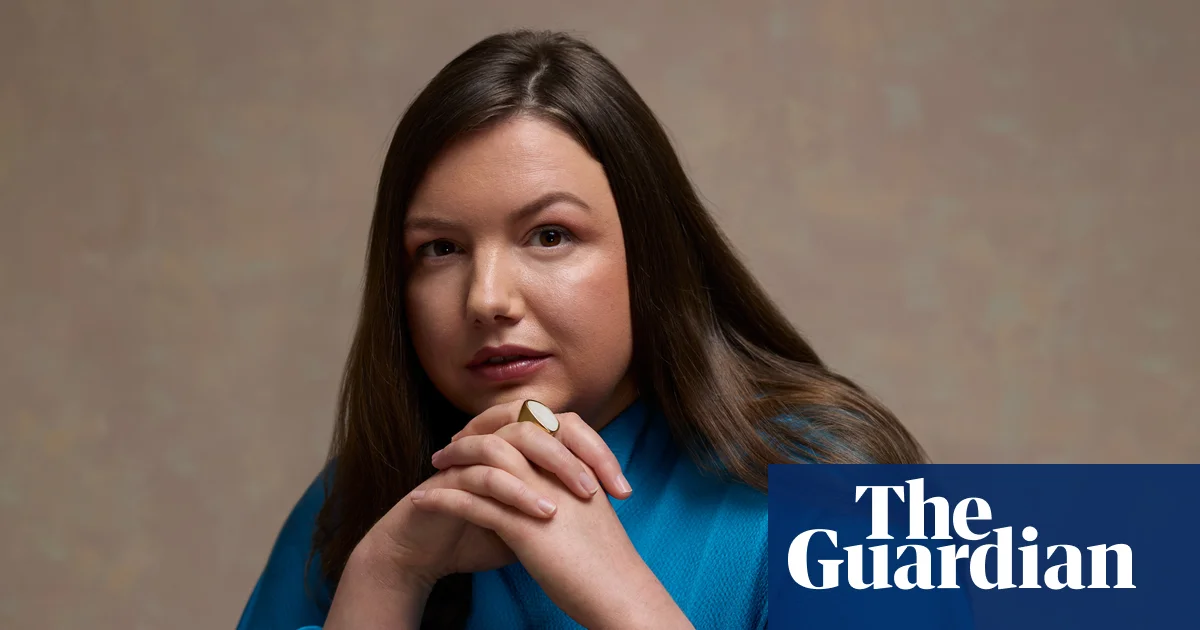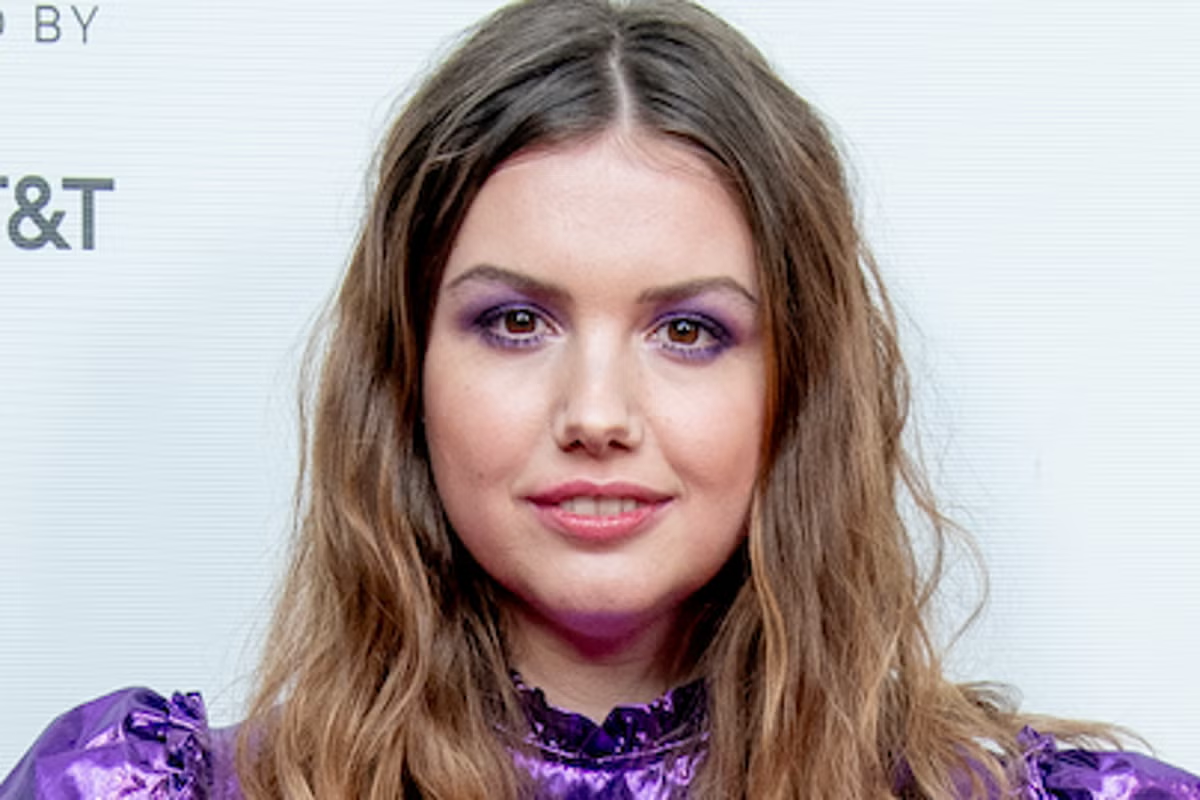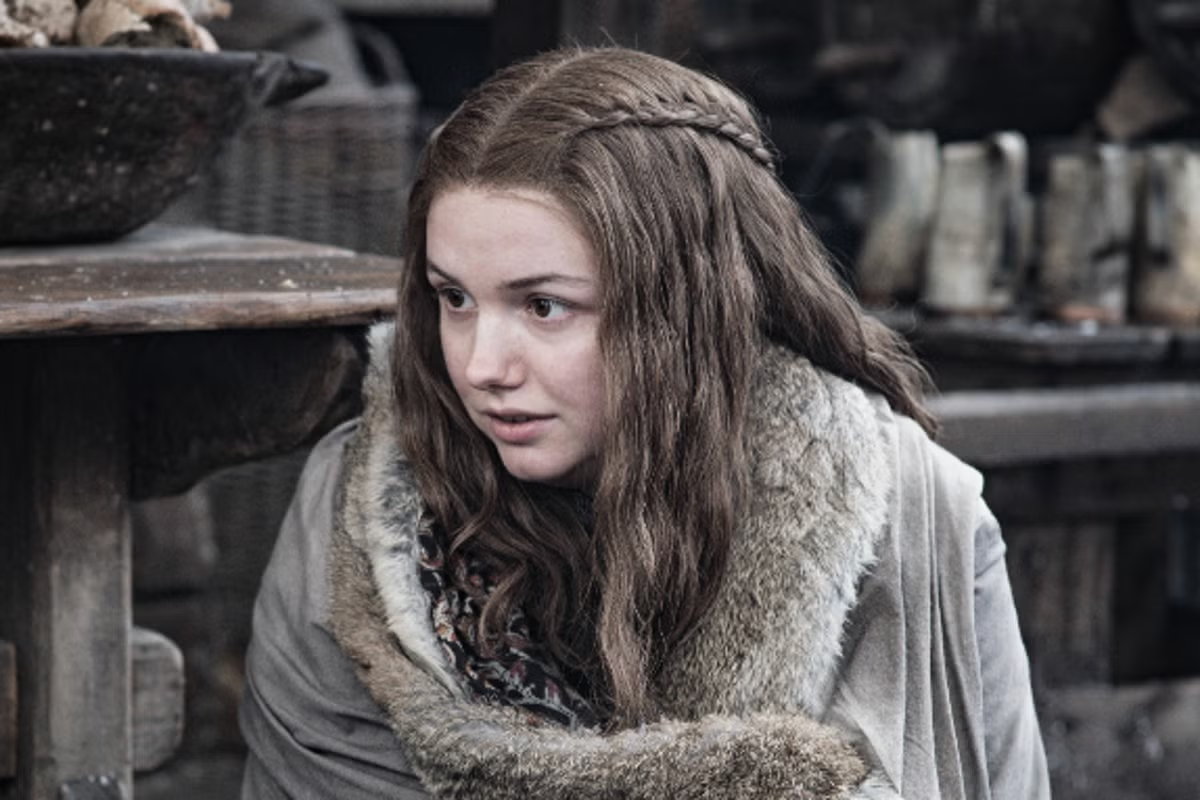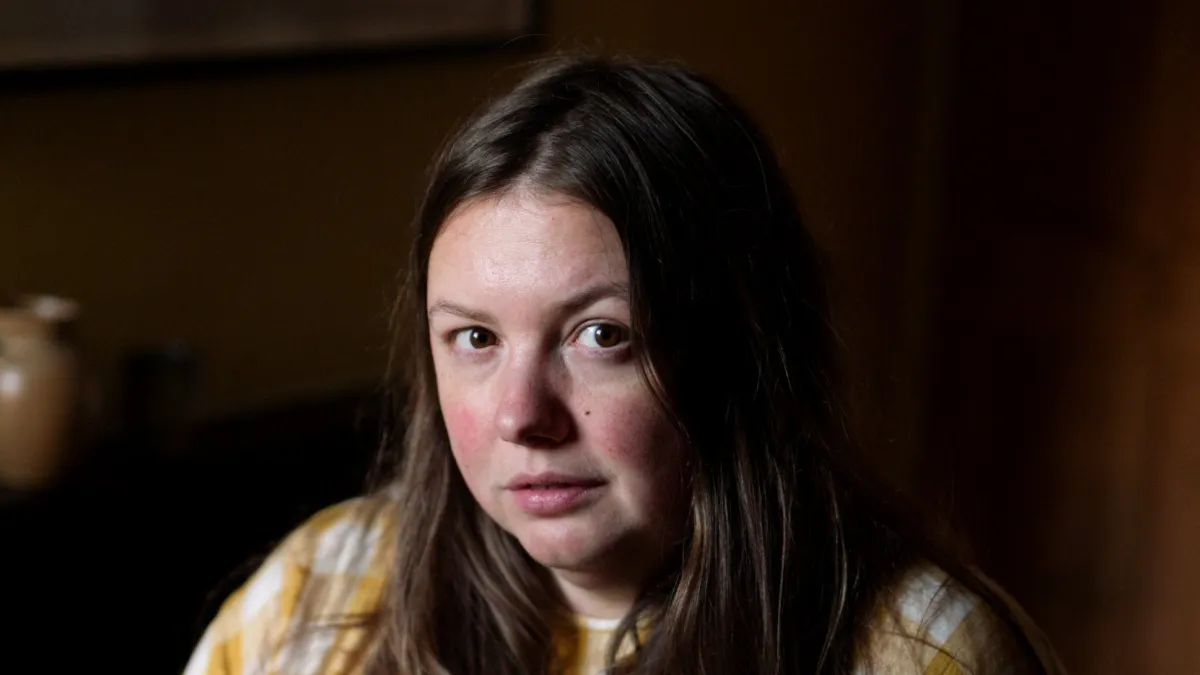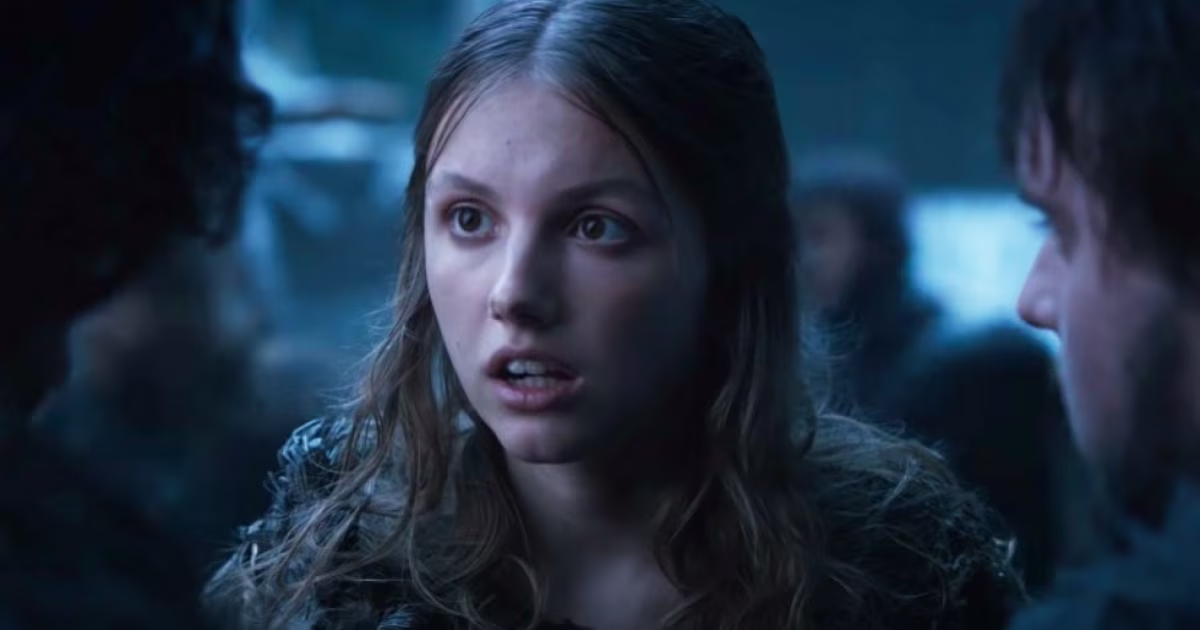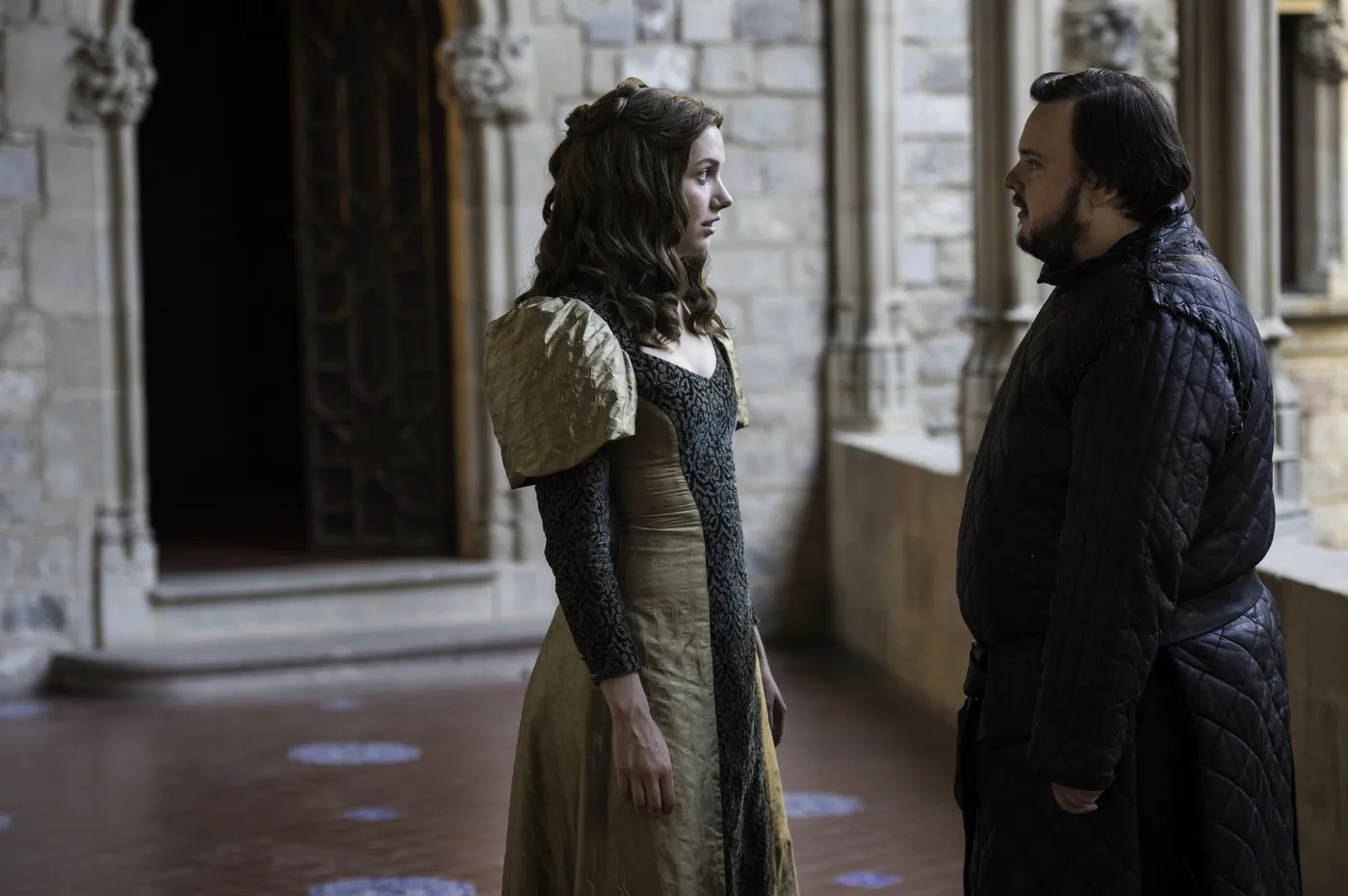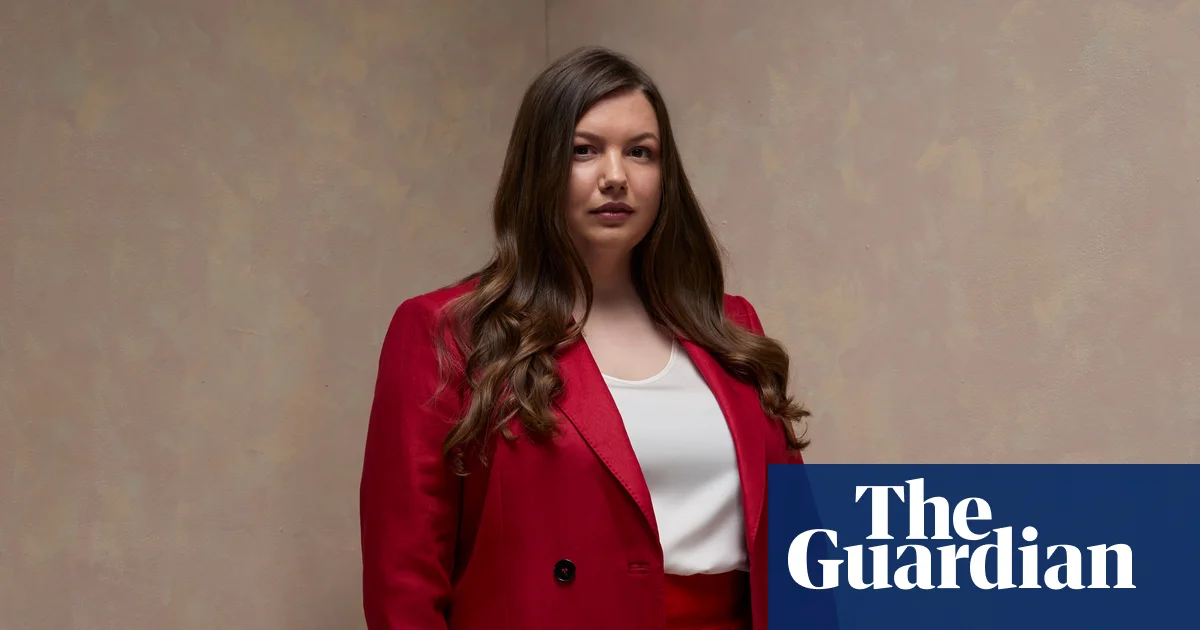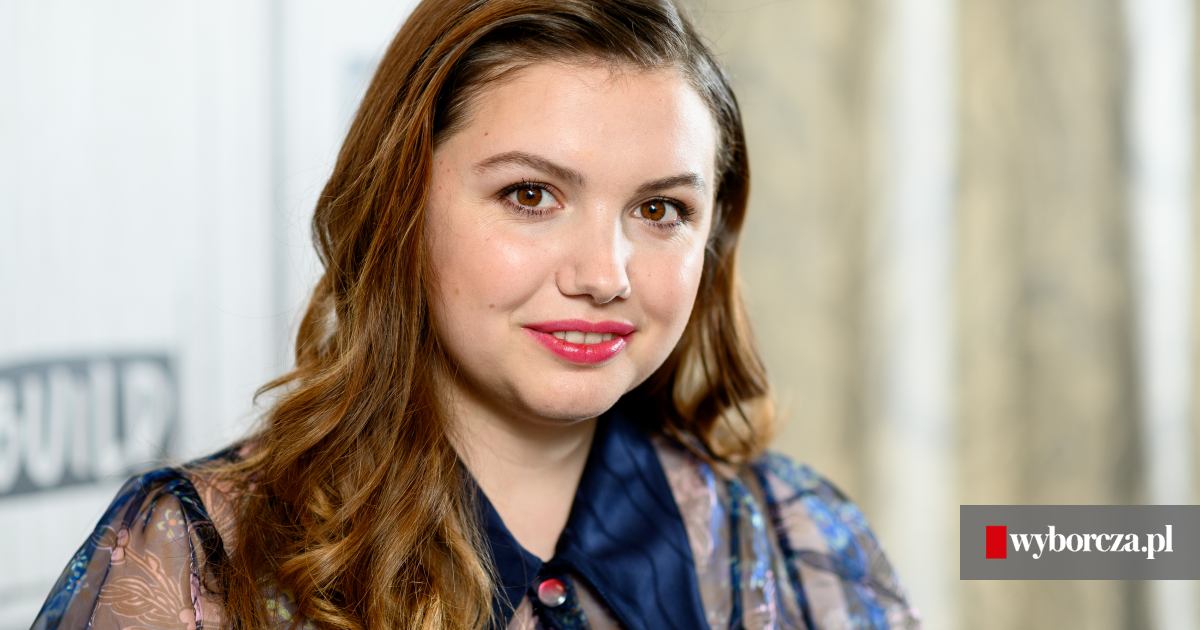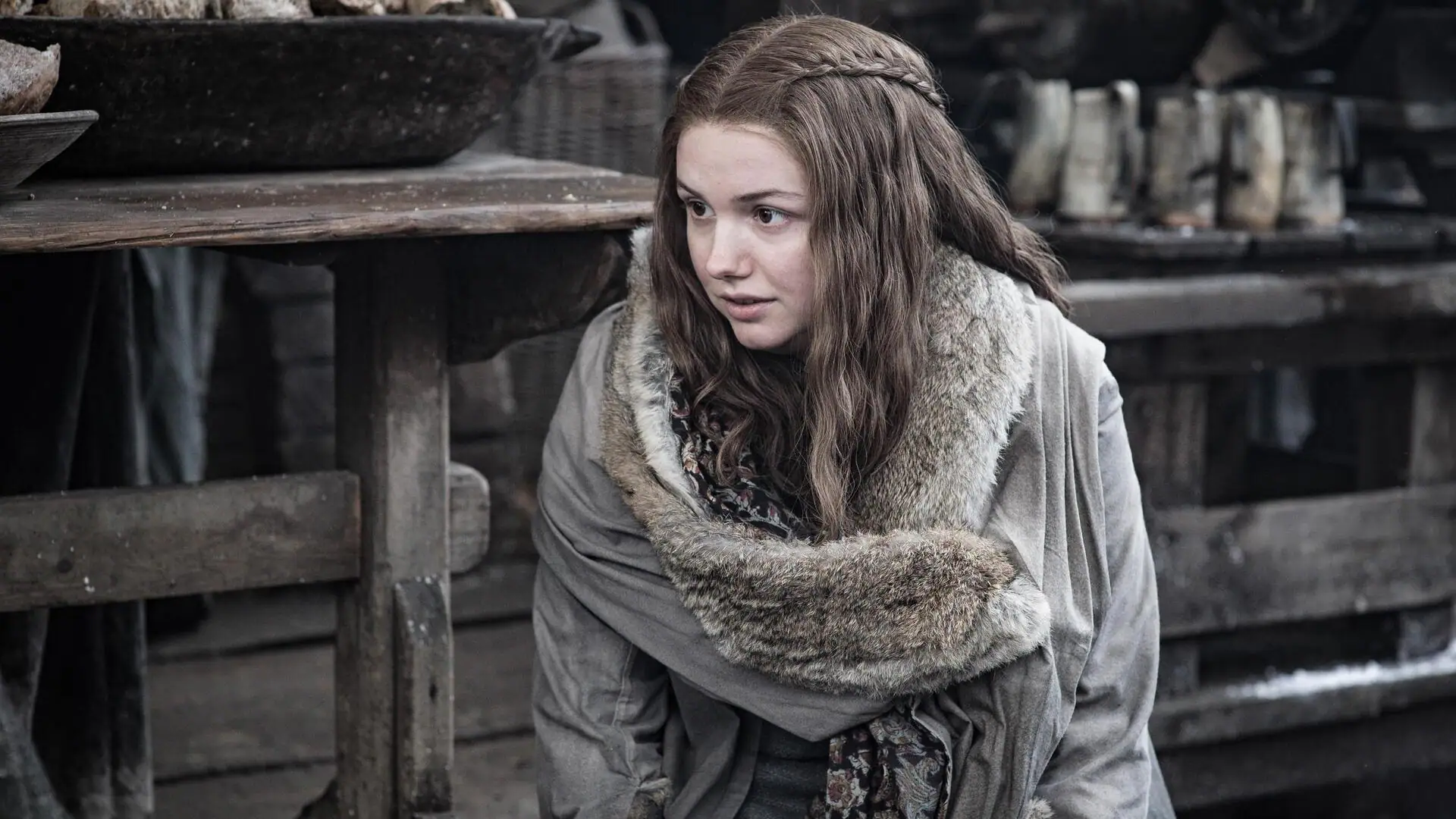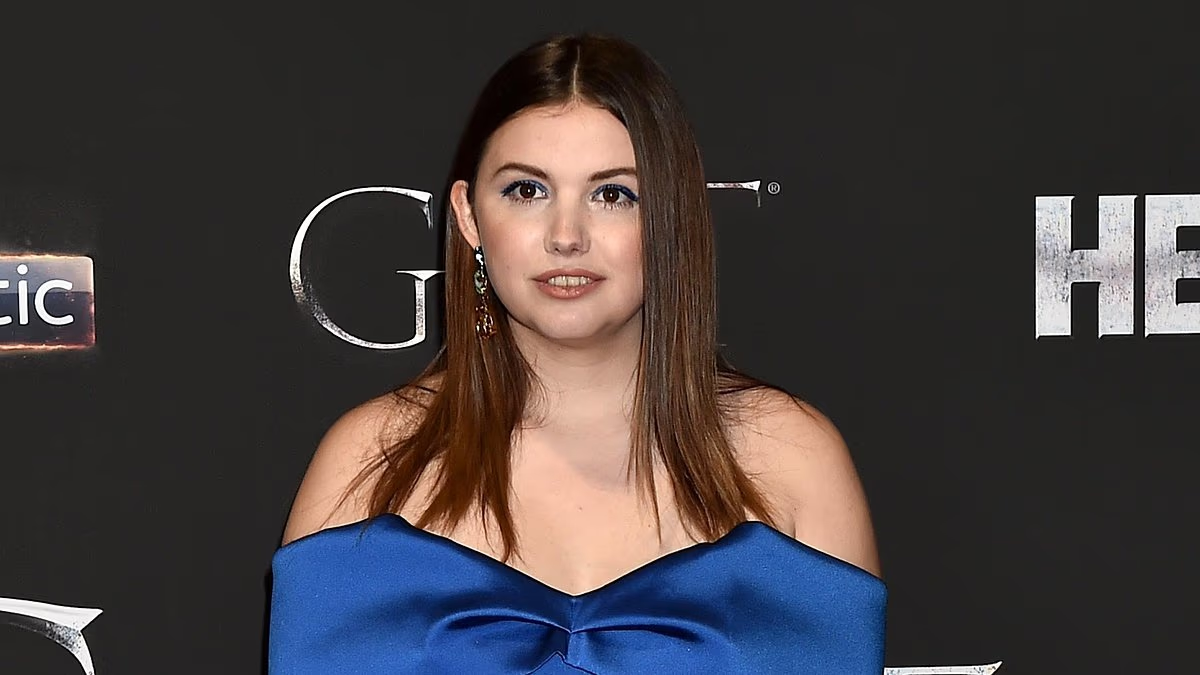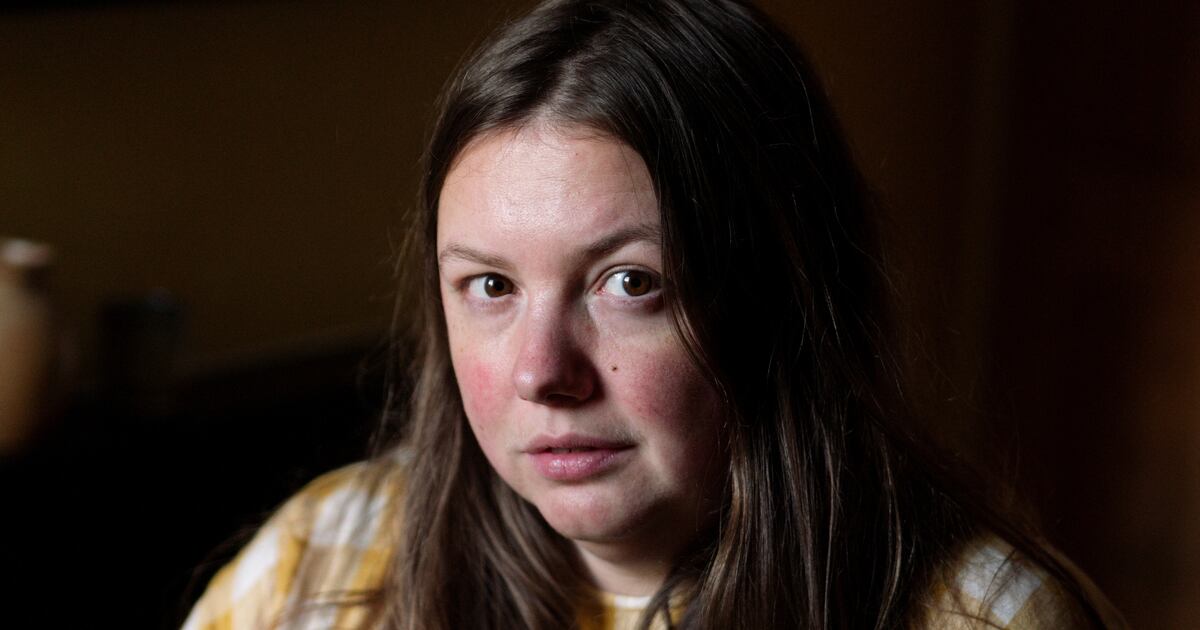
After an acting career of more than a decade that included fan-favourite roles in Skins and Game of Thrones, Hannah Murray is accustomed to talking to the media. This time, however, it’s her own story she’s sharing.“I didn’t realise how different it would be,” she says. “Game of Thrones had such a huge cast. You would always be in little pairs or little trios doing press together, and if you didn’t want to answer a question you just looked to someone else.”The Make-Believe: A Memoir of Magic and Madness, the remarkable first book by the English actor turned writer, reveals how her grasp on reality shattered at the age of 27 after she got involved in a cult-like “wellness” organisation that promised to heal her through ancient knowledge and elaborate rituals invoking higher selves, astral projection and magic wands.Murray, who was later sectioned and diagnosed with bipolar disorder, relives these events in propulsive, pain-laden and often drolly humorous prose so skilful that it suggests the new career she hopes to have as an author will be as compelling as her performances on screen.If her most recent interviews have been a more solitary experience than the ones she used to do, they have also felt more rewarding.“Because of how personal it is, and how proud I am of it, and the years of work that went into it, the conversations I’m having about this book are so much more interesting to me than the conversations I had to promote a lot of the projects I did. You know, I can go deeper.”When The Make-Believe begins, Murray is in Boston working on Detroit, Kathryn Bigelow’s film about real-life police brutality, and feeling “not quite well” after shooting a scene in which her character’s dress is ripped from her body. In search of solace, she listens to an “energy healer” who promises to help her become her true self. Murray soon believes she has purged her inner psychic pain, that magic is real and that nothing bad will ever happen to her again.Back home in London, struggling mentally and desperate to regain this “amazing” feeling, she concludes it’s her destiny to sign up to the unnamed organisation’s many courses. A meeting with its charismatic leader leaves her rapt, quelling flickering suspicions that he just wants her money, but while she’s waiting for an “initiation” in a hotel basement, her world becomes a “kaleidoscope of hell”.There was a huge amount of drama in my 20s, and to some extent I think I kind of liked that— Hannah MurrayWith her head in agonising pain, she locks herself in a toilet cubicle and has the psychotic episode that leads to an enforced stay in a psychiatric hospital.This crisis point in March 2017 was the hardest part to write, Murray says. “The first time I wrote about that, I wrote for about three hours straight. I didn’t know how I was going to be able to put that into words, and then suddenly there were words. I think I slept for the rest of the day, because I was exhausted from getting it out.”The next chapters, which cover her time in hospital, were also “emotionally and technically tricky”, and the words did not flow the same way. “Initially, I was writing quite vague stuff, because I didn’t quite want to go there.”She worked on The Make-Believe for seven years, starting in 2018, about six months after relocating to Los Angeles. “I thought I would completely move on because I was in a new place, and I wouldn’t have to think about it any more.”When that didn’t work she took her laptop to a coffee shop and her vivid, detailed memories spilled out. She thought she might fictionalise the story, turning it into a novel or screenplay, but when she read it back later she thought, “Oh shit, it’s a memoir.” Back home, she enrolled on the prestigious MA in creative writing at the University of East Anglia, submitting the hospital chapters as her dissertation.“The fact that it’s a real book now is still kind of stunning to me,” she says.The Make-Believe is very strong in showing that recovery is not immediate. Murray writes that she entered hospital “extremely psychotic and left somewhat less so”. Even after she receives medical help, she doesn’t break with the organisation straight away.“It wasn’t neat; it wasn’t linear. It was very much two steps forward, one step back,” she says. The organisation’s leader insists she was possessed by a demon from the set of Detroit. A psychiatrist has another explanation. When she tells him about her drug use, heavy drinking and periods of lying in bed for days or weeks, and also the “moments of euphoria, flashes of something infinite and sublime” she felt, he says everything she has told him sounds like bipolar disorder.This was “not a total surprise”, and she was mostly relieved to hear it, Murray says now. “It made so much of my mental, emotional landscape from my early teens onwards make sense to me.”Skins: Hannah Murray as Cassie. Photograph: Channel 4 The acting lifestyle masked the condition, she thinks. It seemed rational to be depressed when she was out of work. It seemed normal, given the nomadic life she and her peers led, for chaos to reign.“Everyone’s going through these highs and lows, having these extremely wonderful days where their careers are going fantastically, and these awful days where they think they’re total failures. I was in a group of friends in London. There was lots of partying. It never seemed that my behaviour was abnormal.”Indeed, the “sad edge” to her days felt like part of her creativity. “From quite a young age I really bought into that sort of tortured-artist stereotype. I thought my pain would fuel my work. I thought that being a good actor meant being unhappy on set or throwing myself into roles so intensely I was coming home covered in bruises and all that sort of stuff. I thought that was what being an artist was.”Although Murray understands now that good work comes from a place of safety and stability, when she was starting out, aged 17, on the first series of Skins, she had no way of knowing that, she says. “I just thought that if I’m miserable and I’m playing a miserable person, that’s the best way to access this role.”Murray is from Bristol, home to Skins, the vibrant ensemble teen drama that lured a young audience to E4, Channel 4’s sister station, from 2007. She was cast as Cassie, a smart but vulnerable girl who receives treatment for anorexia and is prone to dreamily saying “Oh wow” as a means of coping with overwhelming thoughts.Seven years after this startling debut, with Murray having studied English at Cambridge University and continued to act in the meantime, she gave an interview about a sunnier role in Stuart Murdoch’s band-formation film God Help the Girl in which she wondered if she perhaps had “a natural floatiness” that came through her characters.“I can vaguely remember saying that. When I was a teenager, before I started acting professionally, I was so disconnected from my body. My memories at that time in my life are almost of walking around like this gigantic kind of floating head.“I was so in my imagination. I was so in my thoughts, in my intellectual side, but also my fantastical side, and I didn’t have any connection to my body, really. I didn’t have any understanding of that being an interesting element of being a human, and so I think that carried into the way I performed, particularly in those earlier roles. “I was a bit floaty, a little bit disconnected, maybe from reality, but definitely from the physical.”If Murray hadn’t had her destructive encounter with the organisation, she would have received her diagnosis eventually, she thinks. “There was a kind of storm brewing. My experience with the organisation, and then all the events that transpired, meant it was more than a storm – it was a kind of hurricane, a tsunami. It was such a big, big rift in my psyche. But throughout my 20s it was a case of the highs getting higher and the lows getting lower.”Murray carried on acting for a while. Her hospitalisation occurred between the filming of the seventh and eighth seasons of Game of Thrones, in which she played Gilly, a “wildling” who has had her father’s child. But, back in Belfast for that final season in late 2017, she still felt lost.Astonishingly, her next part was the lead in Charlie Says, an independent film about the Manson family directed by Mary Harron and written by Guinevere Turner. Sent the script by her US agents, Murray won the role of Leslie Van Houten. Still in the process of weaning herself away from the organisation, she prepared to portray a cult follower.In one sense this was coincidental. It just happened to be the job she was offered. In another way it wasn’t. Harron later told Murray that she had “effortlessly” made her lines feel true in her audition. It is a deeply empathetic performance.Charlie Says: Marianne Rendón, Hannah Murray and Sosie Bacon in Mary Harron's film. Photograph: IFC Films “I desperately wanted to work with Mary and Guinevere, and I was so excited that they were doing this project. But a friend did ask me not that long ago why on earth I did a film about that subject after what I had gone through. “There were so many practical reasons why I wouldn’t have turned it down, but also I did have an incredibly strong emotional connection to the material and that character.”The decision to stop acting “came in stages”, Murray says.“I enjoyed filming Charlie Says in some ways, and in other ways it felt a bit scary to me, to play a role of that nature, with those kinds of scenes. I felt nervous about the material in a way I had never felt nervous about heavy, dark material before. “I’d always completely leaned in, thrown myself in, and now I couldn’t in quite the same way, and that made it less interesting, to be kind of frank about it.“But also, because of the medication I was on, I had gained weight. I’d moved to Los Angeles, which was quite a different version of the industry to what I’d known before, and auditioning and having meetings there, and I felt very demoralised by it. I was going into those rooms not feeling my best mentally or physically.”After Charlie Says and the final run of Game of Thrones were released, Murray told her agents she needed a break.Game of Thrones: Hannah Murray as Gilly. Photograph: HBO “That break never stopped. That break is still ongoing. I think I needed to frame it at that point as a break rather than giving up, because giving up felt bigger and more significant and almost like a failure. It was easier to tell myself it’s just on pause.”She remains on pause. She has only just changed her membership of the Screen Actors Guild (Sag) to “honourable withdrawal” status, a task that had been on her to-do list for ages. “Like, I know I don’t want to be a Sag member, because I’m not looking for work and, yeah, I very much think of myself now as a writer, not an actor.”Stepping away from the industry was “like a veil lifting”, Murray says. She is now able to both critique the “unpleasant moments” that shouldn’t have happened and be thankful for the positive experiences. “I can look back on a body of work that I’m proud of, whereas when I was in it, it was always like, well, what’s the next thing?”The next thing for Murray is fiction. She is open to screenplays, but books are her first love. Writing The Make-Believe has given her the capacity to look back on her own story with more compassion and empathy, less judgment and shame, while the supportive response of family and friends has “meant more than anything”. People in her life who didn’t know exactly what she’d gone through have recently sent her messages that are “painfully lovely to read”.And she is “a lot better now”, she says.“There was a huge amount of drama in my 20s, and to some extent I think I kind of liked that. I thought that was what an exciting, glamorous adult life should be. Now my life is maybe comparatively boring, but I’m so much happier.”The Make-Believe: A Memoir of Magic and Madness, by Hannah Murray, is published by Hutchinson Heinemann on Thursday, May 28th
Game of Thrones’ Hannah Murray on joining a wellness cult and being diagnosed bipolar
The Skins and Game of Thrones star has written a memoir about her involvement in a cult-like ‘wellness’ organisation and her bipolar diagnosis
2,103 words~10 min read