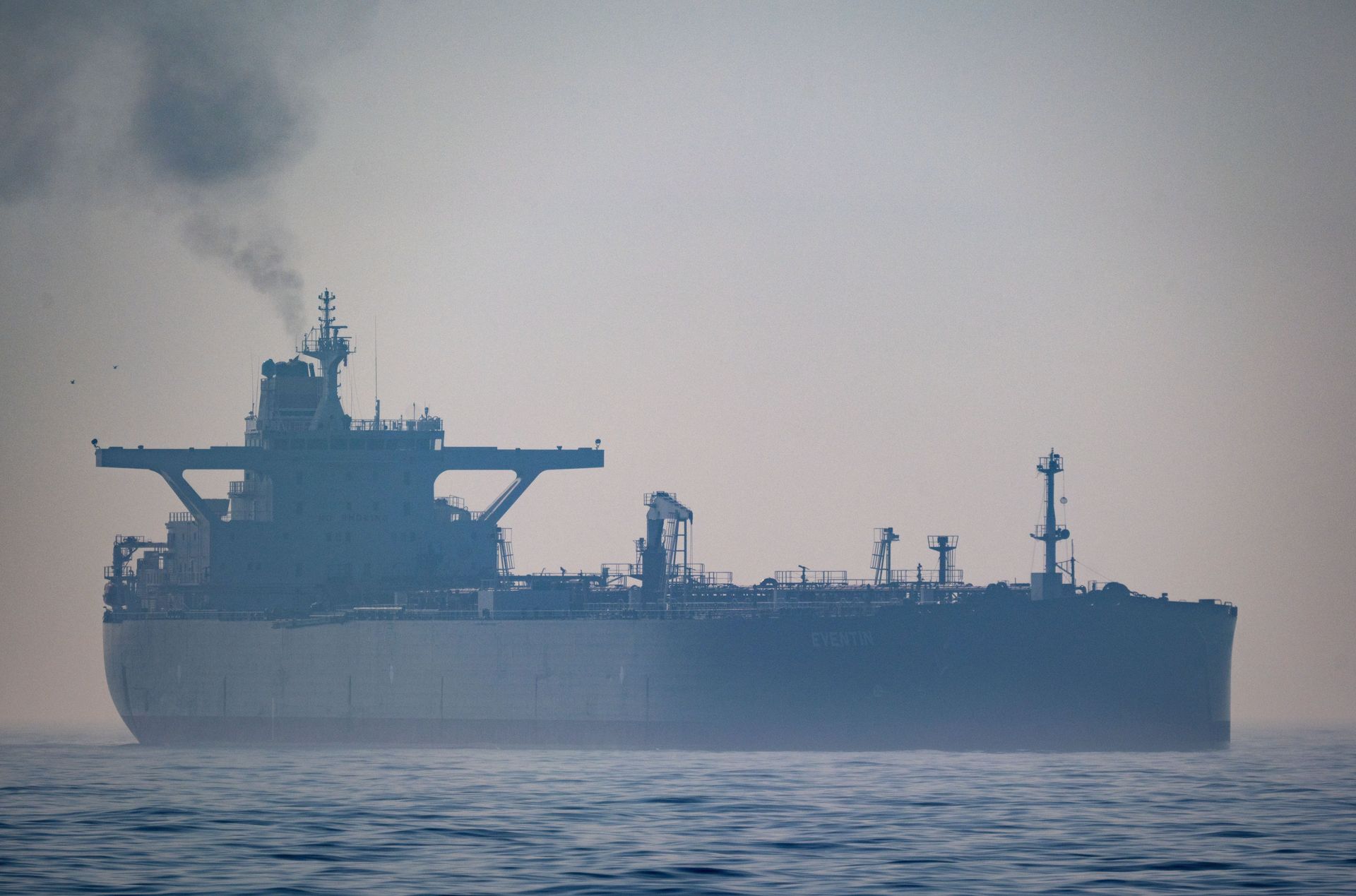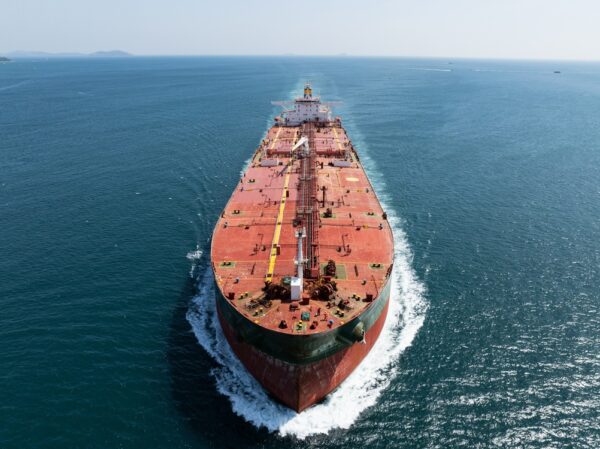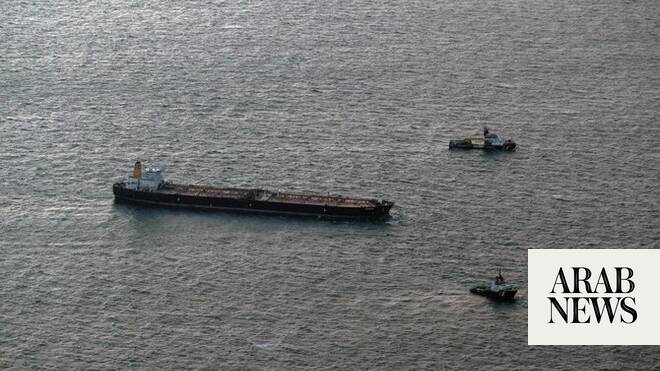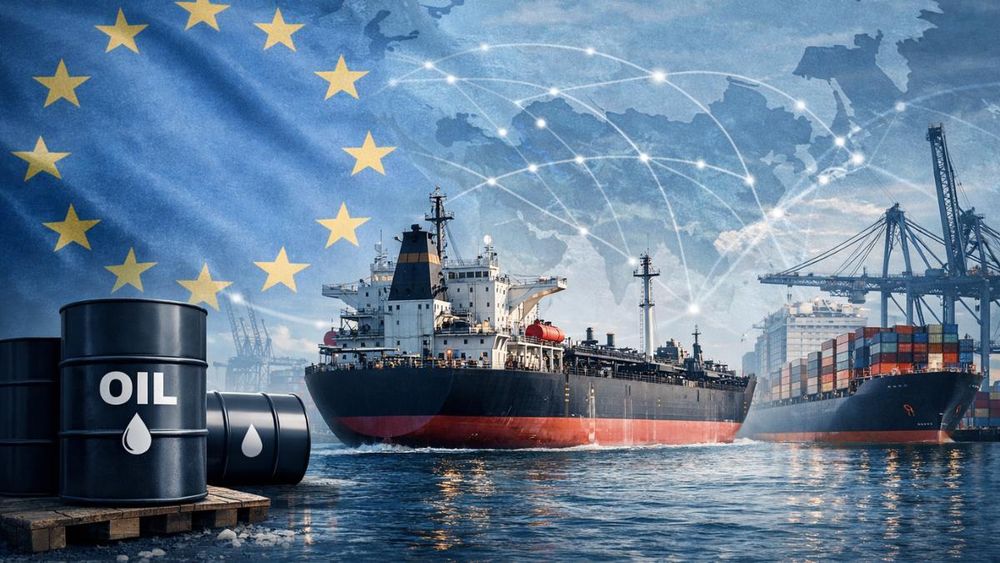
A Russian-linked oil tanker navigates increasingly complex global shipping routes as Western sanctions on Moscow’s maritime sector trigger wider disruptions in energy markets, international trade, and food supply chains — with ripple effects felt from Europe to Africa.
IN recent years, the geopolitical landscape has been drastically reshaped by the imposition of economic sanctions by Western nations against Russia.
Designed to curtail Moscow’s ability to finance military operations and influence global markets, these sanctions have targeted a range of sectors, including energy exports, banking, and critical elements of Russia’s maritime capabilities.
Notably, restrictions imposed on Russia’s fleet at sea have not only inhibited Moscow’s commercial and military maritime activities but have also set in motion a series of unintended consequences.
These “boomerang effects” have reverberated throughout the Western economies and disrupted international trade networks. This essay examines the sanctions’ dual impact — how Western efforts to pressure Russia have curbed its strategic maritime operations while also negatively affecting the sanctioning states and global commerce.