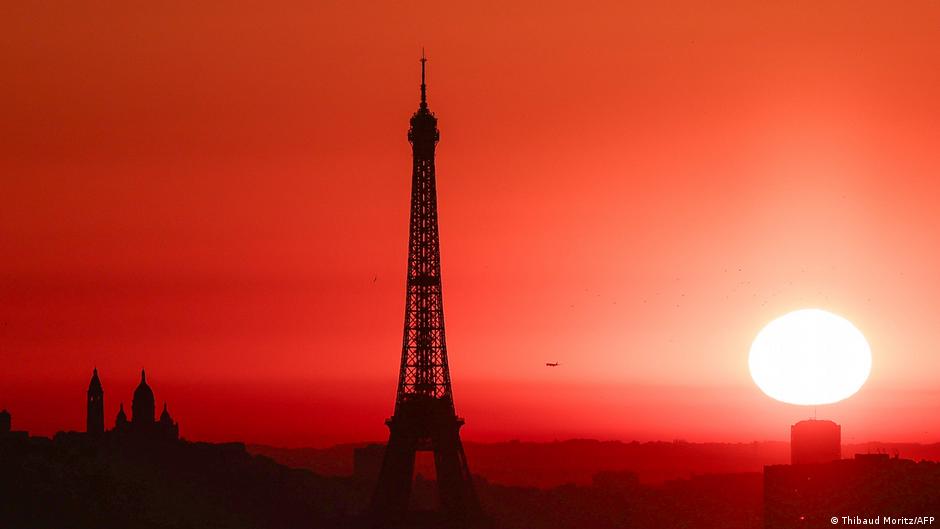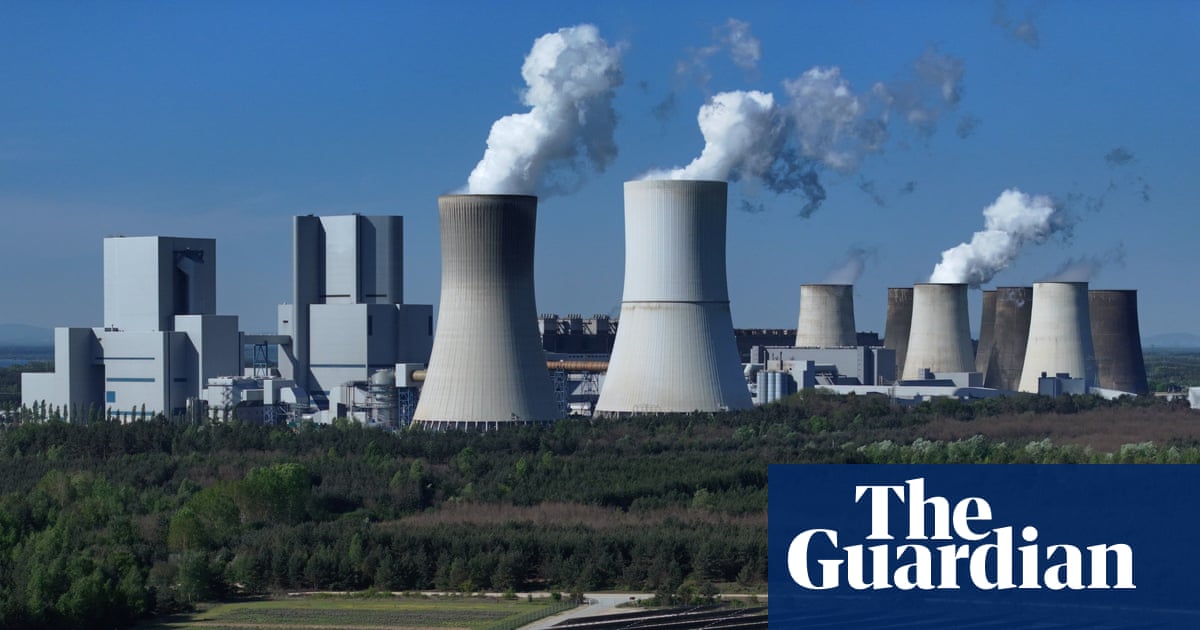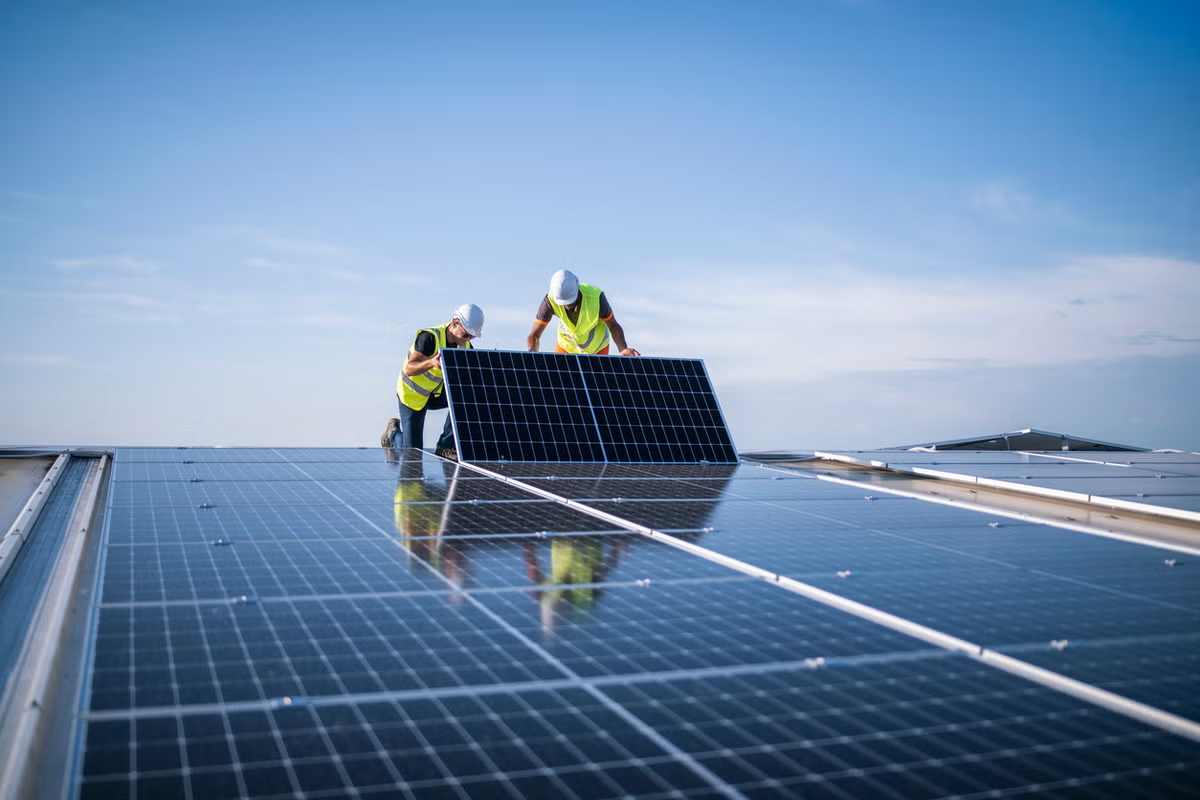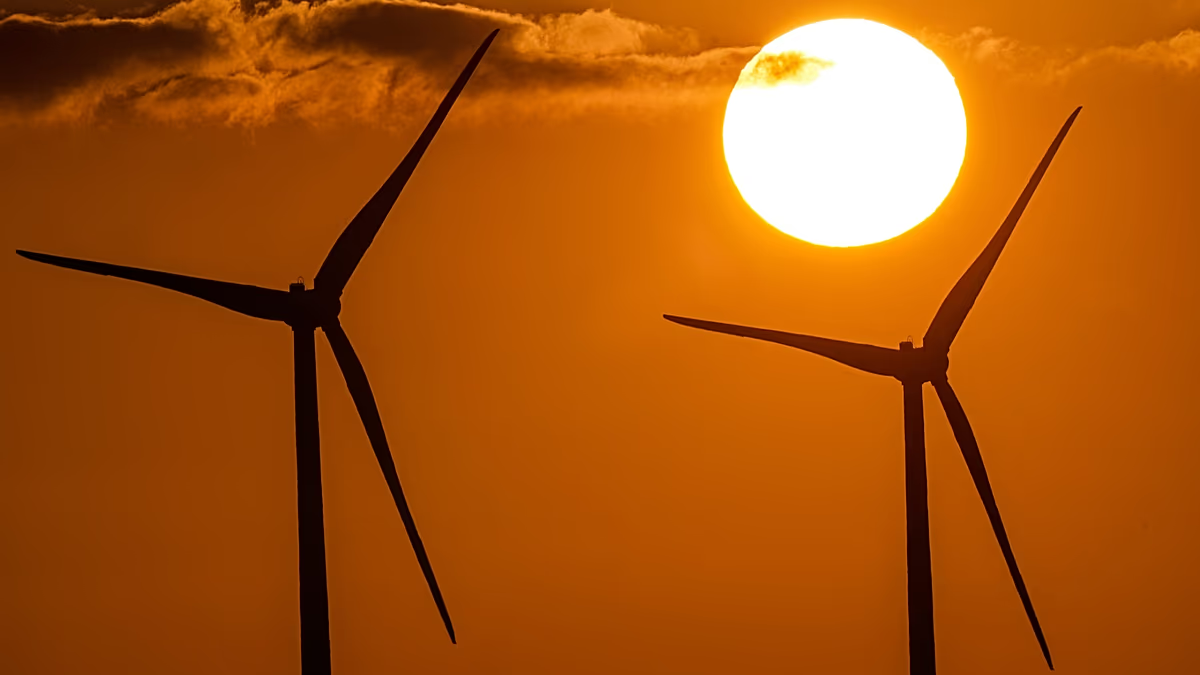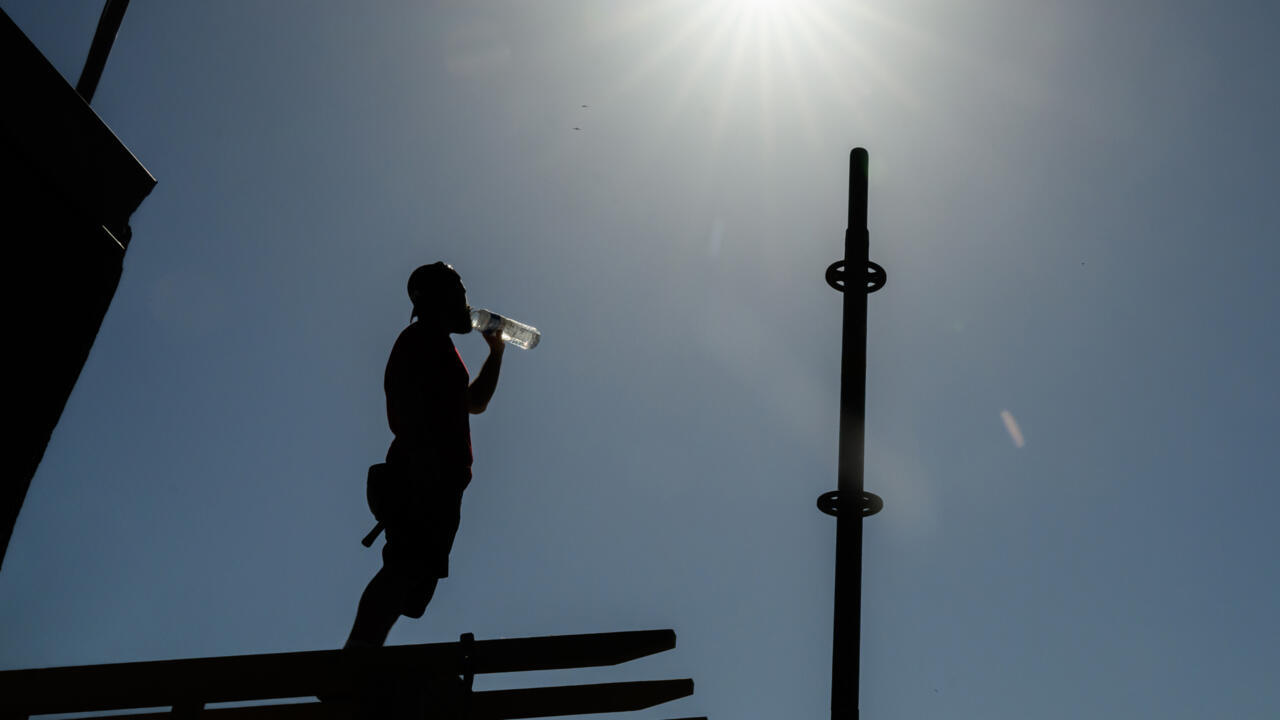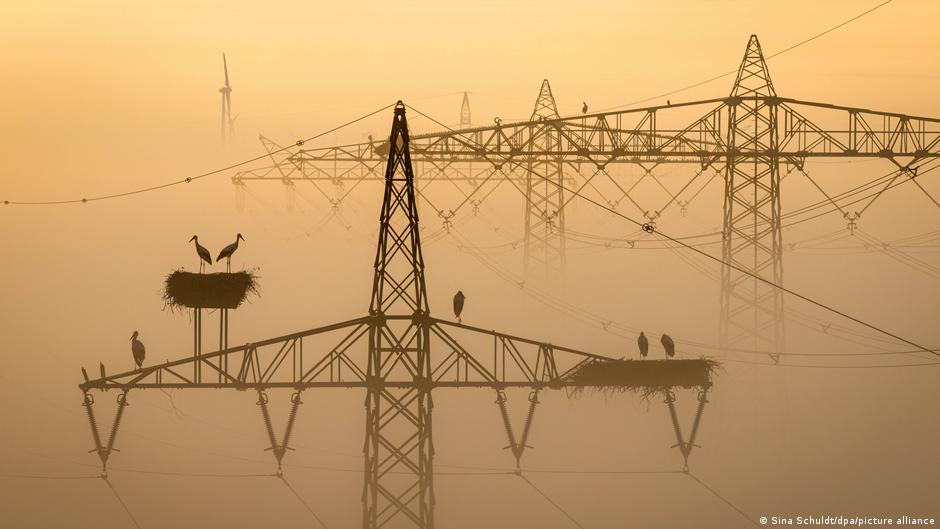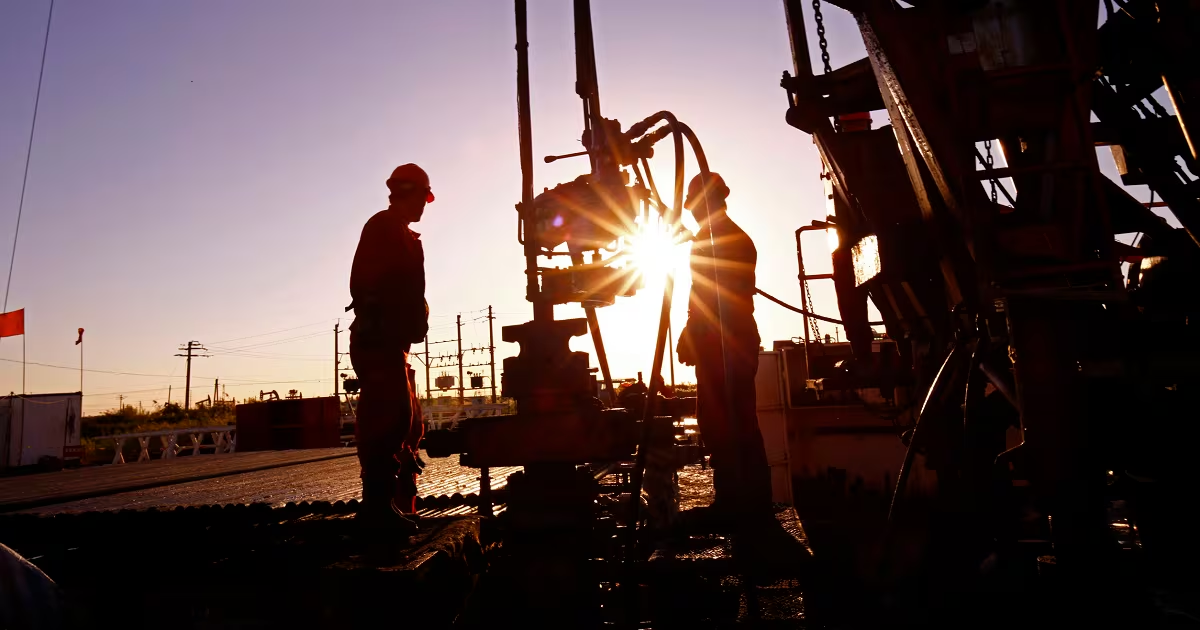
I’ve been preparing for a trip to Europe, and it’s been a relief of sorts to watch Europeans react really badly to the significant heatwave washing over the continent. They argue there just as bitterly as we argue here. On French social media the insult crétin is widely used, both by climate change sceptics who argue May’s record high temperatures merely herald the arrival of an early summer, and by defenders of climate change orthodoxy who find their worst fears being confirmed. Everyone has a plan though, just as we have a plan down here. It’s the Integrated Resource Plan, which gets updated every now and then and, by and large, while every iteration in the past has whipped up outrage and disbelief, the current 2025 one has come to be fairly well-regarded. It takes seriously the future of renewable power ― of the 105,000MW planned, wind power, solar, private solar playing back into the grid and batteries will account for nearly 84,000MW by the end of 2039. Some coal will survive, and the government is actively looking for some 5,200MW of nuclear ― more than double what is now available from Koeberg ― which, if it is affordable and actually gets built, will be a good thing. Nuclear is clean and safe and a little more would do no harm at all. But outside of the mere provision of electricity, the wider South African energy discussion seems to me to be a little demented. Partly this is because one minister, Kgosientsho Ramokgopa, runs electricity and quite another, Gwede Mantashe, runs mining and “petroleum resources”. He takes as an almost personal insult the fact that we have no current “petroleum resources” to speak of. He wants to drill for oil and gas offshore and frack for both in the Karoo, and he firmly believes the US-Israeli war on Iran and its disastrous effects on fuel prices make the case for South Africa to develop its own oil industry more important than ever. He is quite wrong though. The high fuel prices are an argument for limiting our need for oil, not for spending a fortune and decades looking for our own. In probably no other area of industrial economics is the threat to a traditional technology as clear as electric vehicles (EVs) are now to cars and trucks that consume refined oil. Bloomberg New Energy Finance, a research organisation in the Bloomberg empire, reckons that by 2030 ― just more than three years from now ― solar and wind energy will be the number one and two biggest sources of power in the world. And just this month the International Energy Agency said it believed that this year 30% of all cars sold in the world would be electric. While large car markets such as the US are still overwhelmingly dominated by fuel-powered engines, it should be no comfort to Mantashe and friends. US President Donald Trump briefly turned the climate change debate on its head when he returned to office in January last year. Banks were suddenly financing oil prospecting again and petrol prices were low. The climate debate almost disappeared. But he has single-handedly demonstrated how vulnerable we all are to oil shocks. Who would now buy a diesel-powered vehicle? The July petrol price increases here are going to be epic as the fuel levy subsidy ends. There’s an argument too that vehicle manufacturing in South Africa will in future mainly serve the wider African continental market, and so we needn’t worry too much about making electric vehicles here, which the government has gone out of its way to prevent. But there are two problems with that:Morocco has already overtaken South Africa as the biggest car producer in Africa. We have a policy problem ― no surprises there ― in that the government has been so reluctant to incentivise the purchase of EVs in this country that sales here actually fell last year, while rising in the rest of the world. Africa’s population growth is explosive. By 2050 one in every 10 children born in the world will be Nigerian. This young and ambitious population isn’t going to settle for noisy, polluting cars, public transport and dirty shipping while the rest of the world looks after itself. The case for oil here, much like the case for natural gas, is not what it once was. For sure, both will be around for a long time, but they long ago stopped being the fuels of the future, and it would help investment if the state did not allow itself to go off on expensive tangents like domestic oil and gas explorations that’ll do little more in the long run than fuel corruption.• Bruce is a former editor of Business Day and the Financial Mail.
PETER BRUCE | Oil and gas are no longer the fuels of the future
Solar and wind energy could be the number one and two biggest sources of power in three years
795 words~4 min read