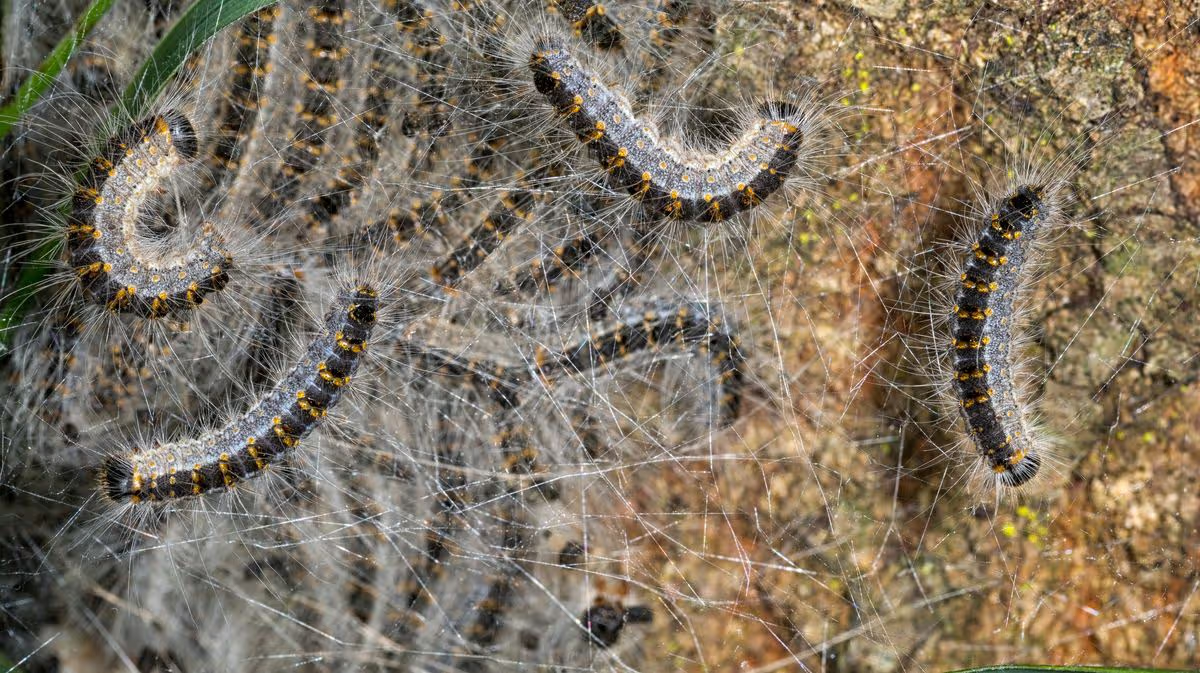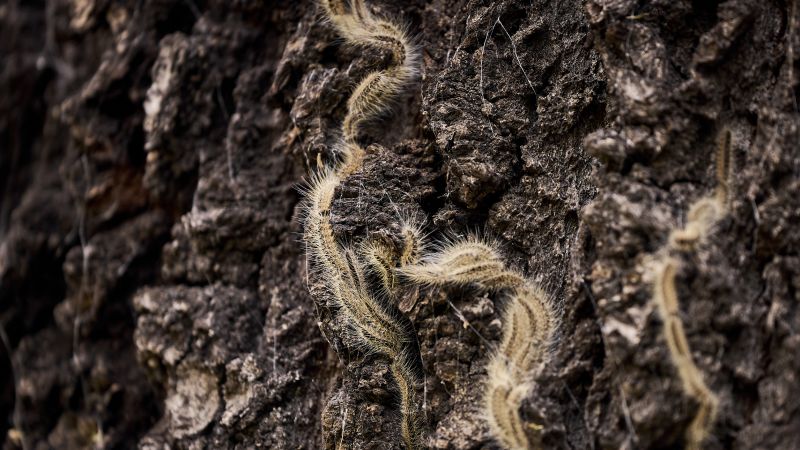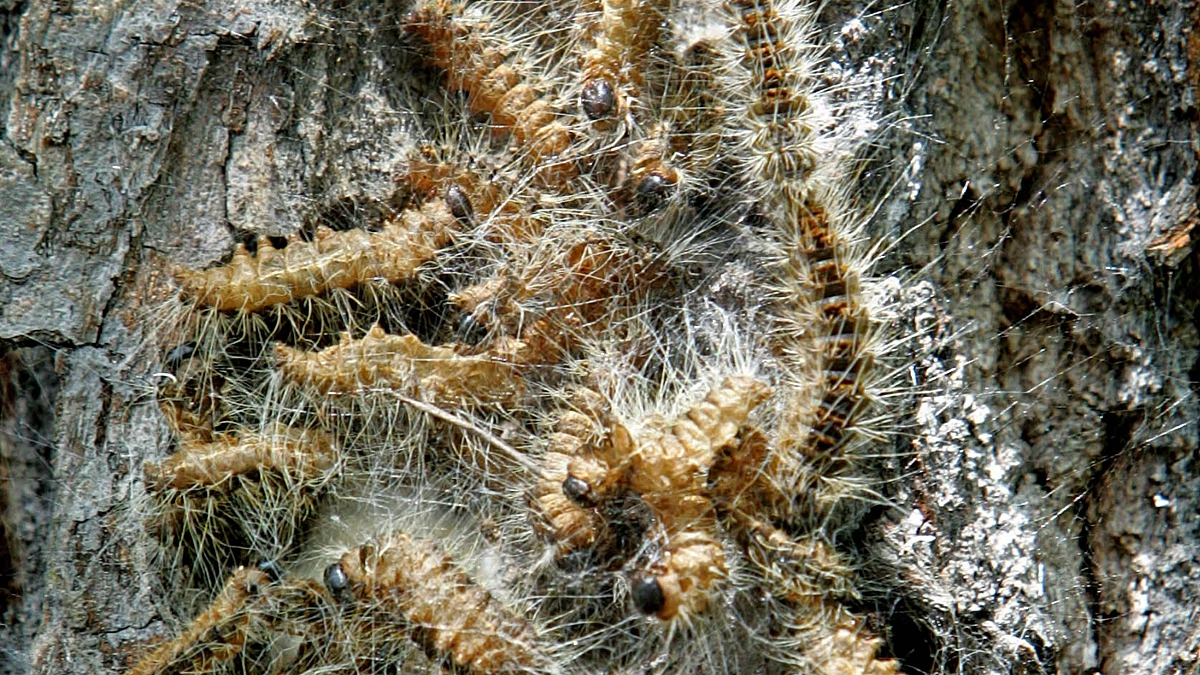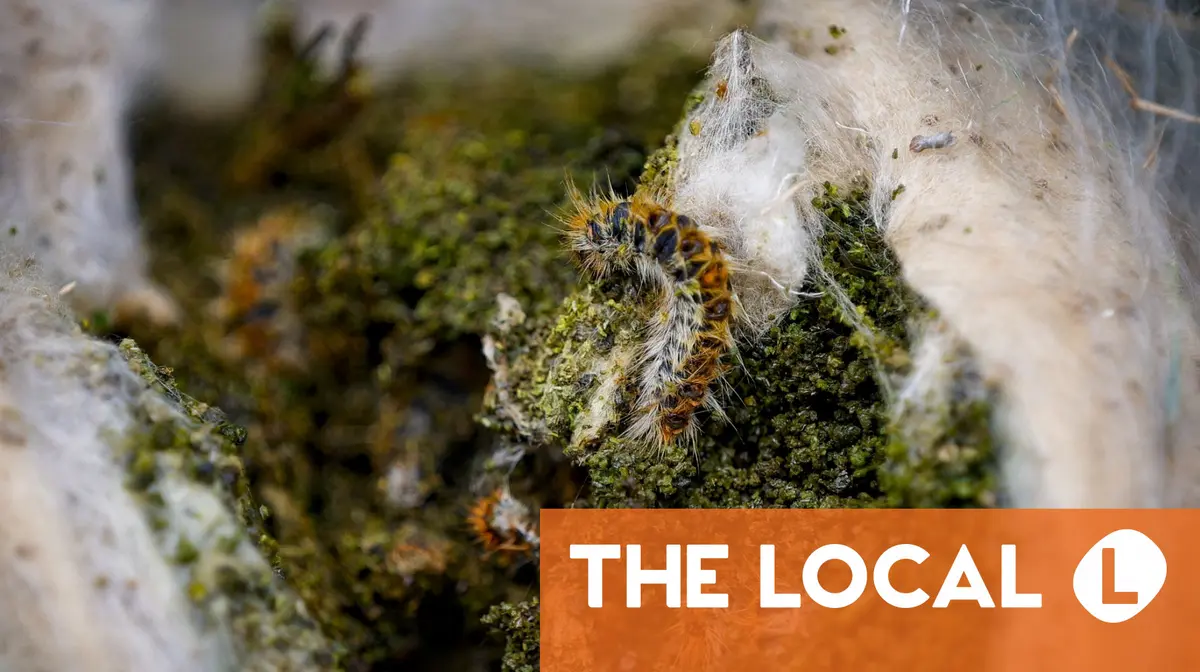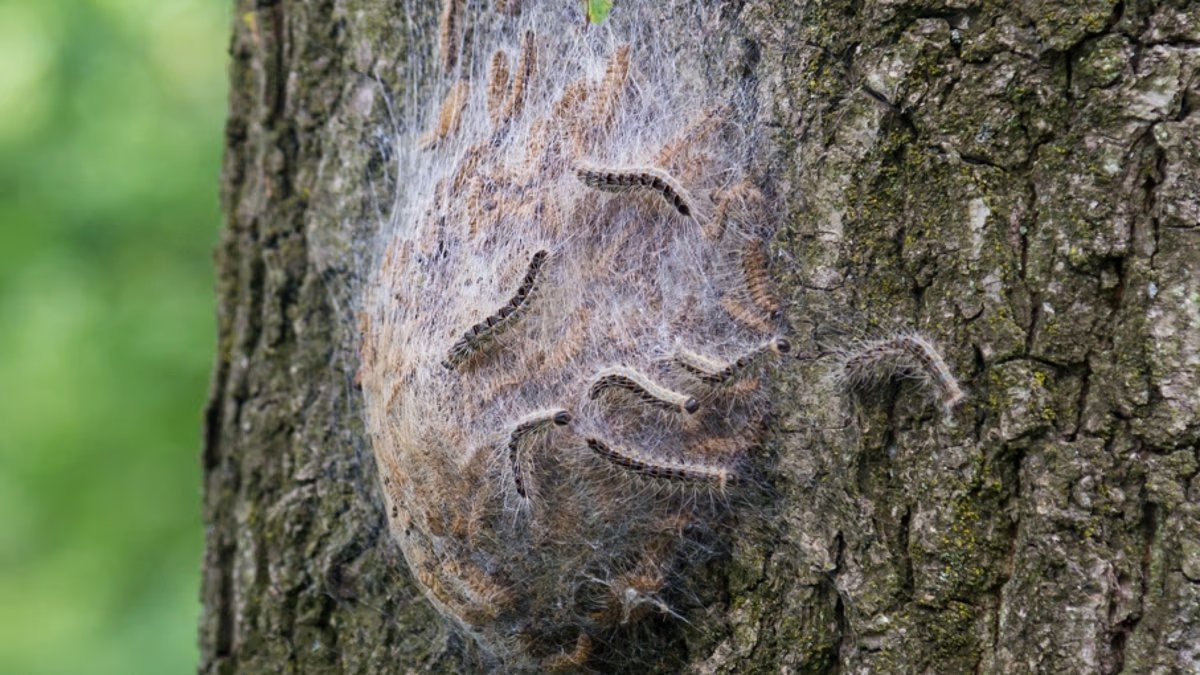
Brits are being urged to be on the lookout for a toxic caterpillar known to take over gardens and woodlands - and are a risk to humans and pets. Residents living in Surrey have been warned to 'stay vigilant' after oak processionary moths were sighted in areas such as Woking, Weston Green and Ditton Common.The insect, which nests on oak trees, can cause humans skin rashes, eye irritations, sore throats and breathing difficulties - but is somewhat rarely seen on British soil.It was first introduced accidentally to the UK during the early 2000s and, usually, only appears during the late spring before councils scramble to eradicate the bug using insecticide.But, in 2023, panic was sparked after what was described as an oak processionary moth 'invasion', with sightings in Kent, Berkshire, Surrey, Essex and Hertfordshire.And it appears as though the pest is back this summer, with residents living in leafy Surrey warned to 'avoid contact' with the hairy bugs. Last month, Elmbridge Borough Council asked locals to avoid certain parks, cricket clubs and green spaces after a number of nests were discovered. Residents living in Surrey have been warned to 'stay vigilant' after oak processionary moths (pictured) were spotted in areas such as Woking, Weston Green and Ditton CommonThe insect, which nests on oak trees, can cause humans skin rashes, eye irritations, sore throats and breathing difficultiesA spokesperson for the council said at the time: 'For your own safety, we ask that you avoid the affected areas while spraying is taking place. 'We will do our best to keep disruption to a minimum and will clearly signpost all spraying areas in advance.' The bug was however this week also spotted in Woking, around 30 miles west of Weston Green, sparking fears it could be set to spread beyond Surrey.Residents of Woking were warned by their local council to 'avoid contact' with the insects, and immediately report them if they are sighted. It is thought that when the bugs first entered Britain more than two decades ago, they could have arrived on a shipment of oak trees delivered from their native southern Europe. Each caterpillar is covered with thousands of hairs that can be carried in the wind, all containing a toxin called thaumetopoein.The caterpillars are incredibly small but their toxins, particularly from older bugs, have been known to pose a danger to human health. Speaking to the Daily Mail when the moths invaded the UK in 2023, oak processionary project manager at Forestry Commission, Andrew Hoppit explained: 'It's a little brown moth, which flies at night-time, and is jolly difficult to find. 'Please do not approach the caterpillars – especially children who can become rather interested in the processions and especially the hairy nature of them.'They look cute but unfortunately they can cause nasty rashes and conjunctivitis.' The caterpillars are predominantly found in south-east England, including London, and feed on leaves from oak treesThe caterpillars are predominantly found in south-east England, including London, in the UK and feed on leaves from oak trees. Their nests are made of distinctive white webbing and contain hairs that can cause itchy rashes, eye and throat irritation. Speaking last year, the UK's chief plant health officer Nicola Spence said: 'The oak processionary moth is an insect pest of oak trees and poses a threat to both plant and human health.'The government takes the management of the moth very seriously and has a robust programme in place to reduce the level of pest prevalence and protect oak resource, whilst supporting landowners to manage the risks associated with the moth in the areas where it has been identified.' The Department for Environment, Food and Rural Affairs were approached for comment by the Daily Mail.
Brits warned to keep an eye out for toxic caterpillars in gardens
Residents living in Surrey have been warned to 'stay vigilant' after oak processionary moths were spotted in areas such as Woking, Weston Green and Ditton Common.
617 words~3 min read