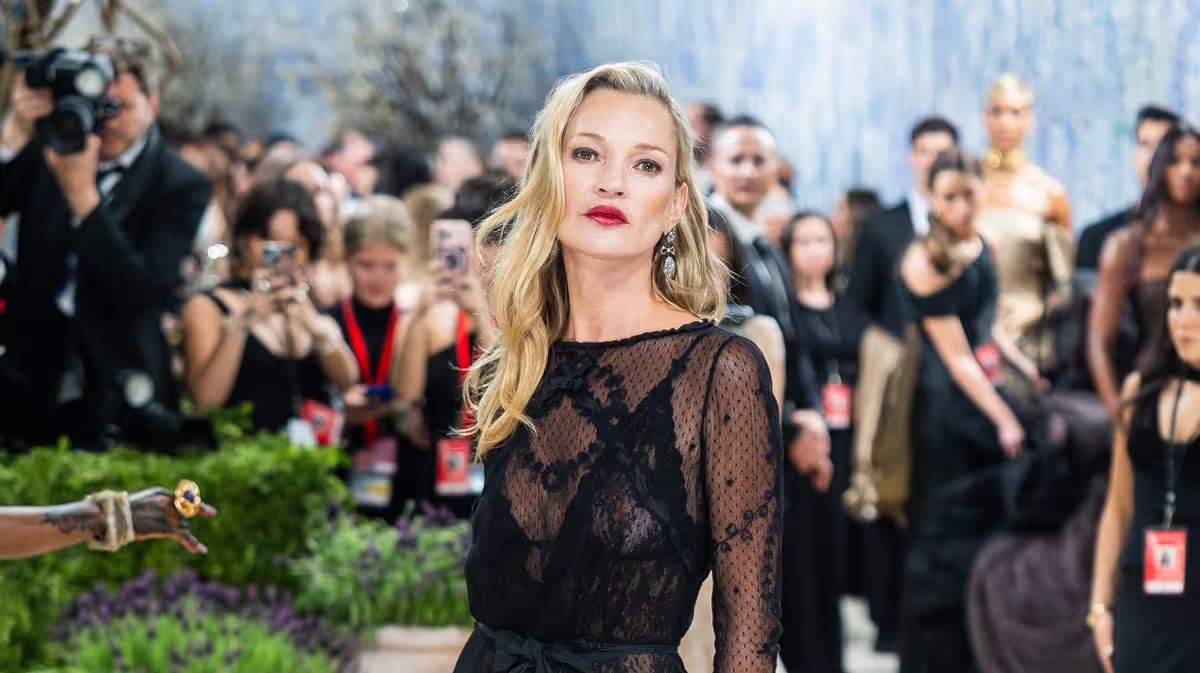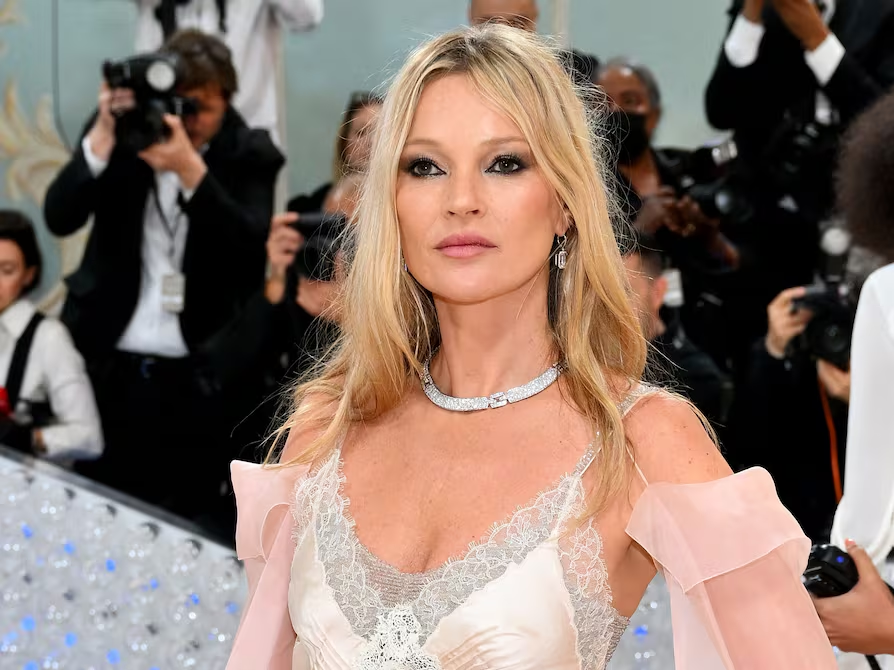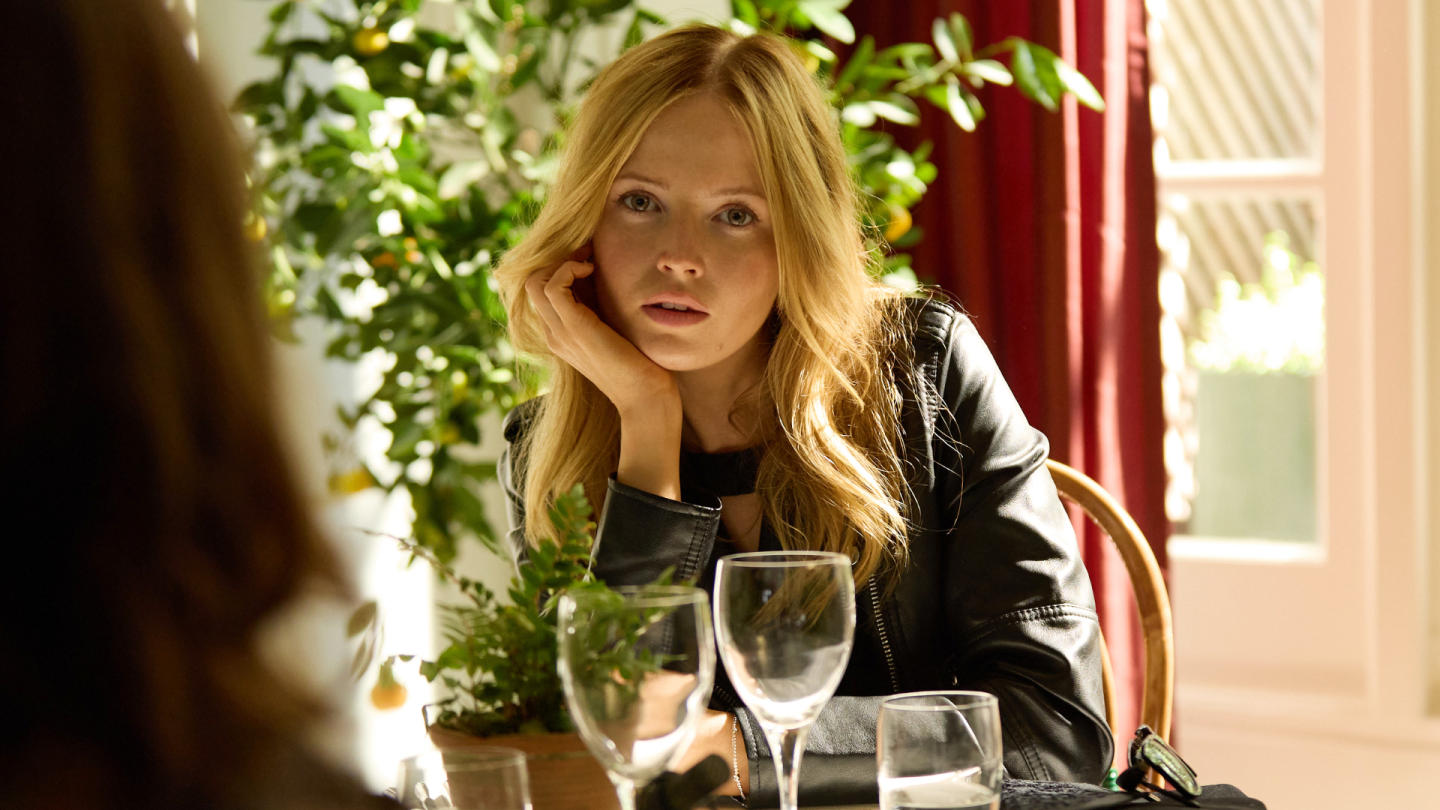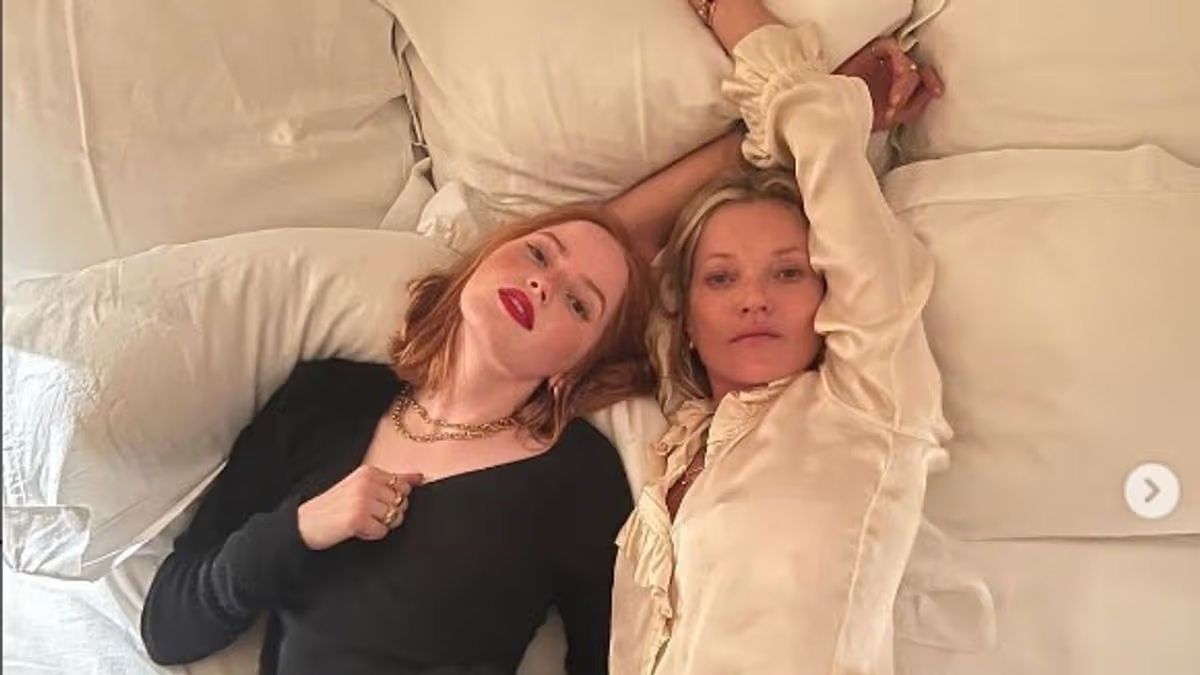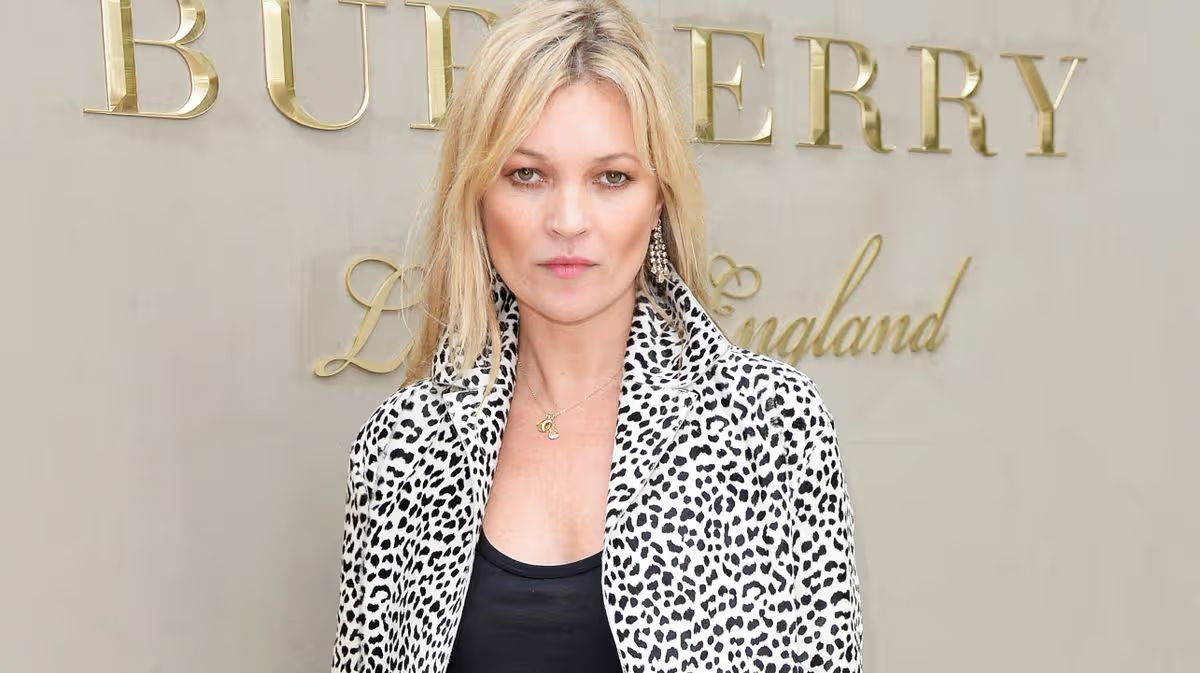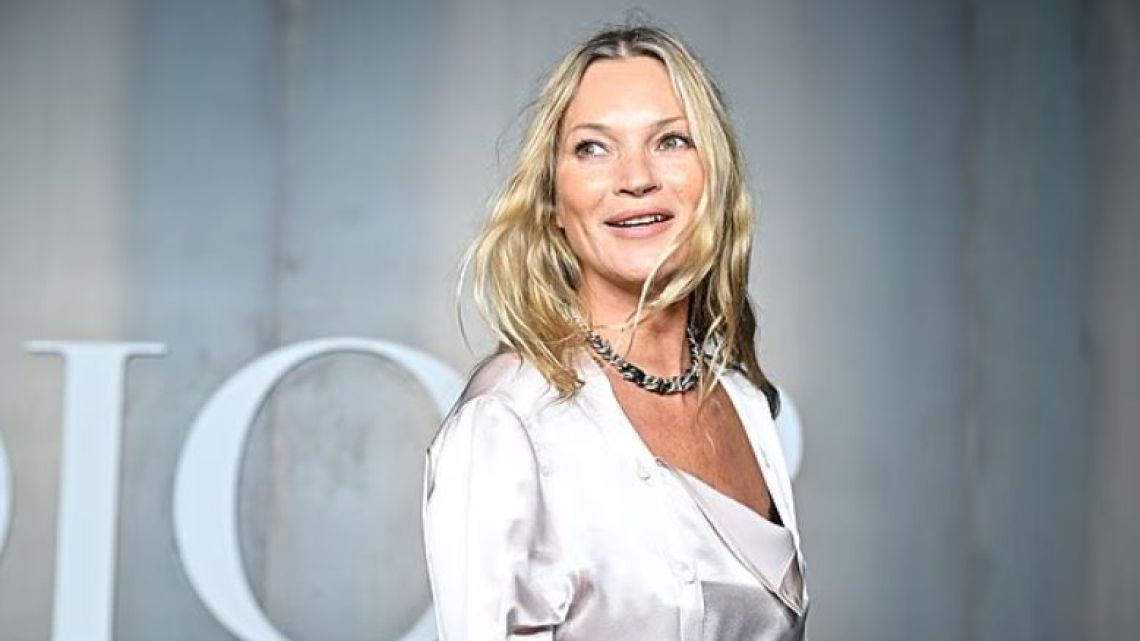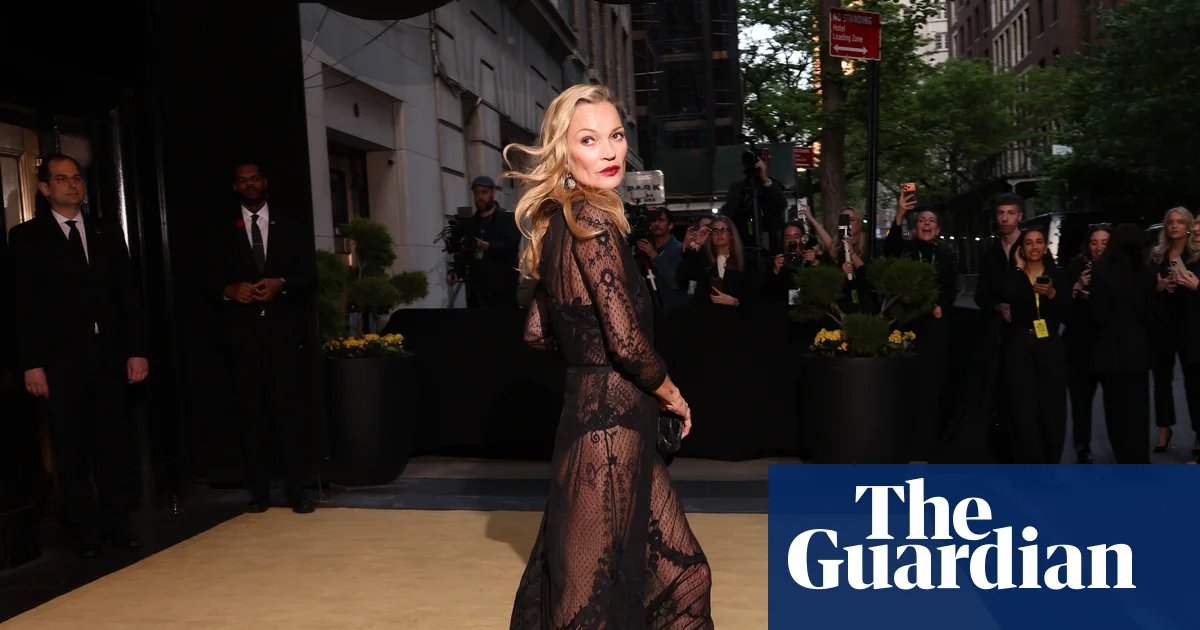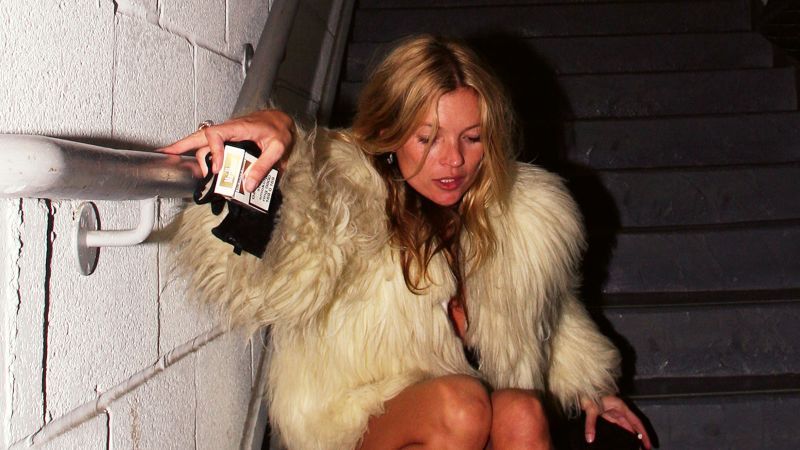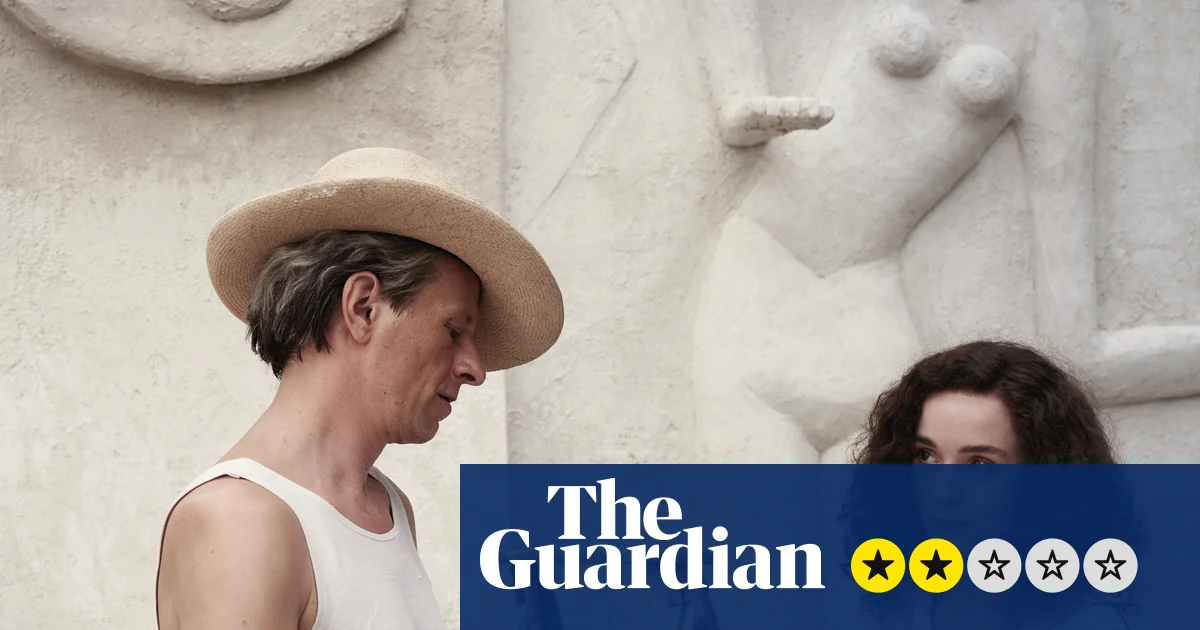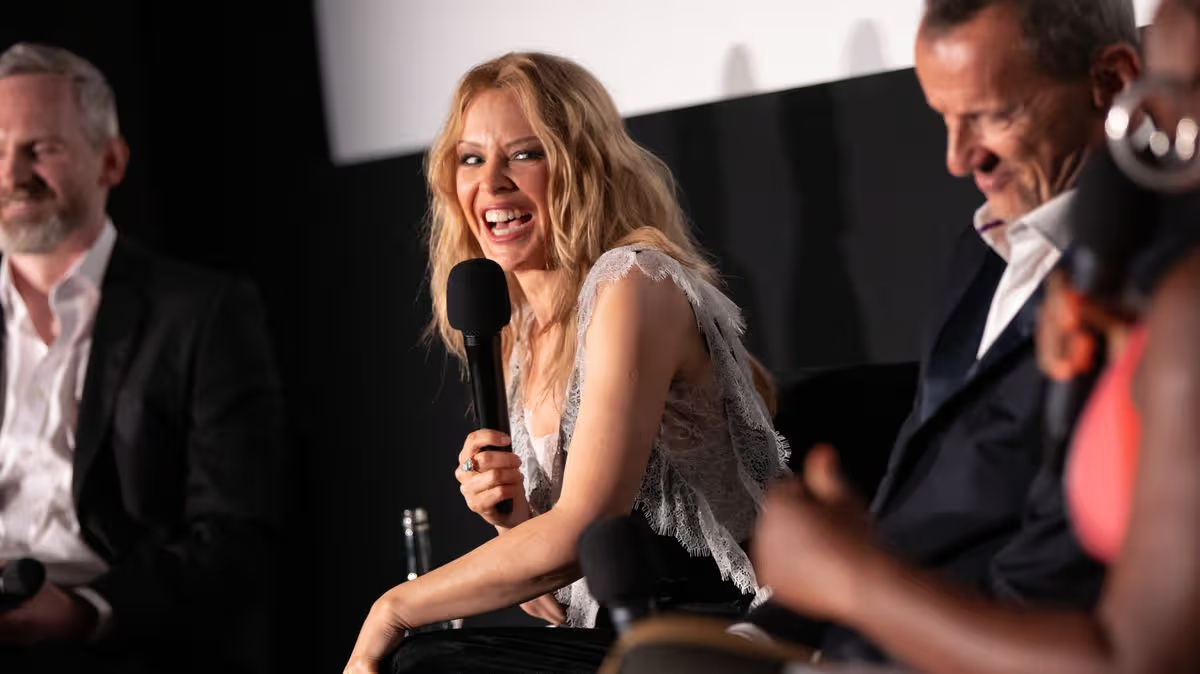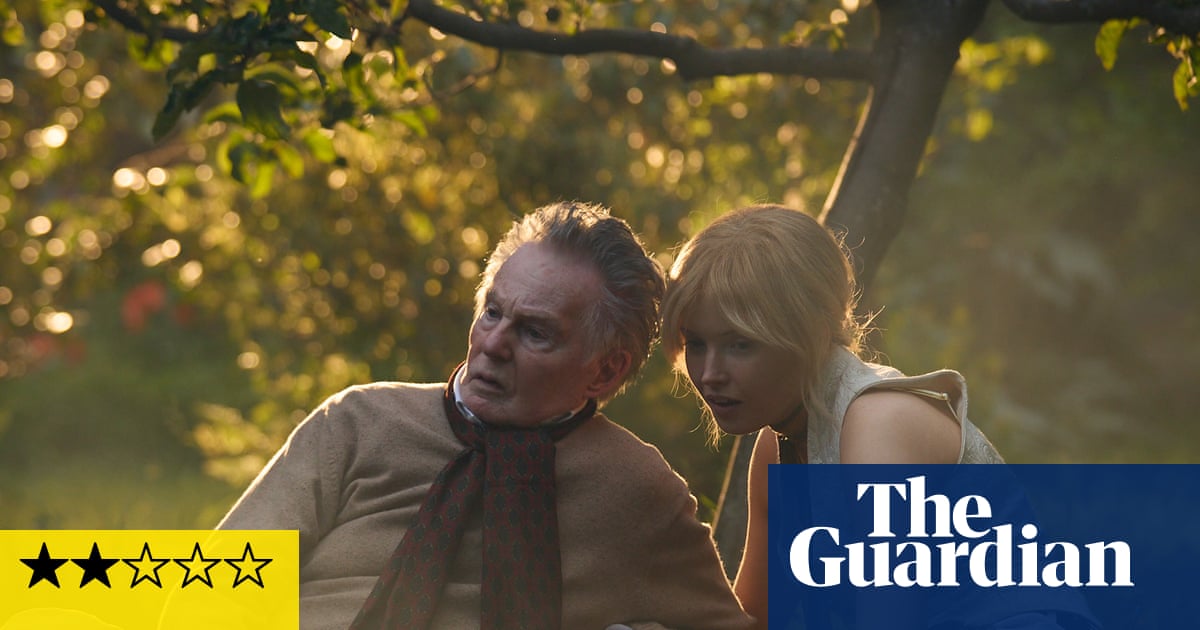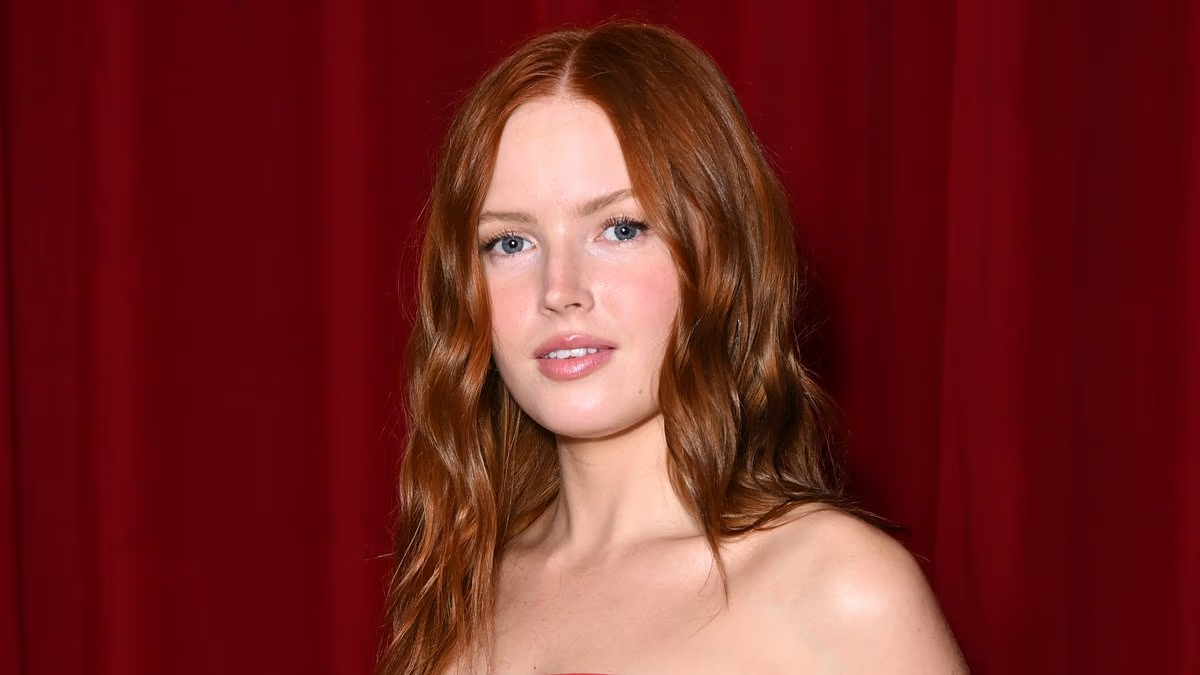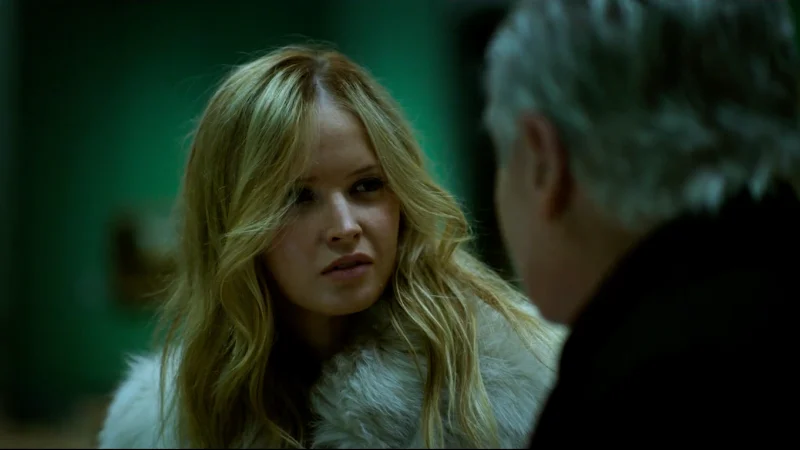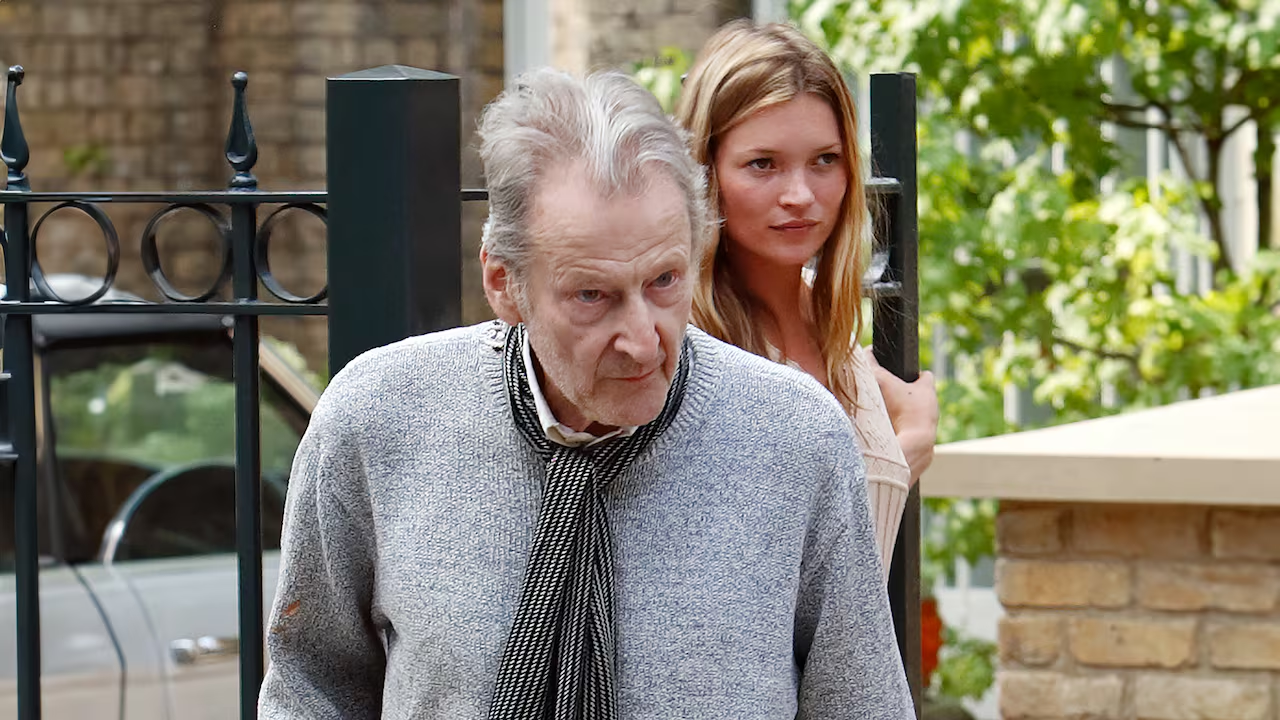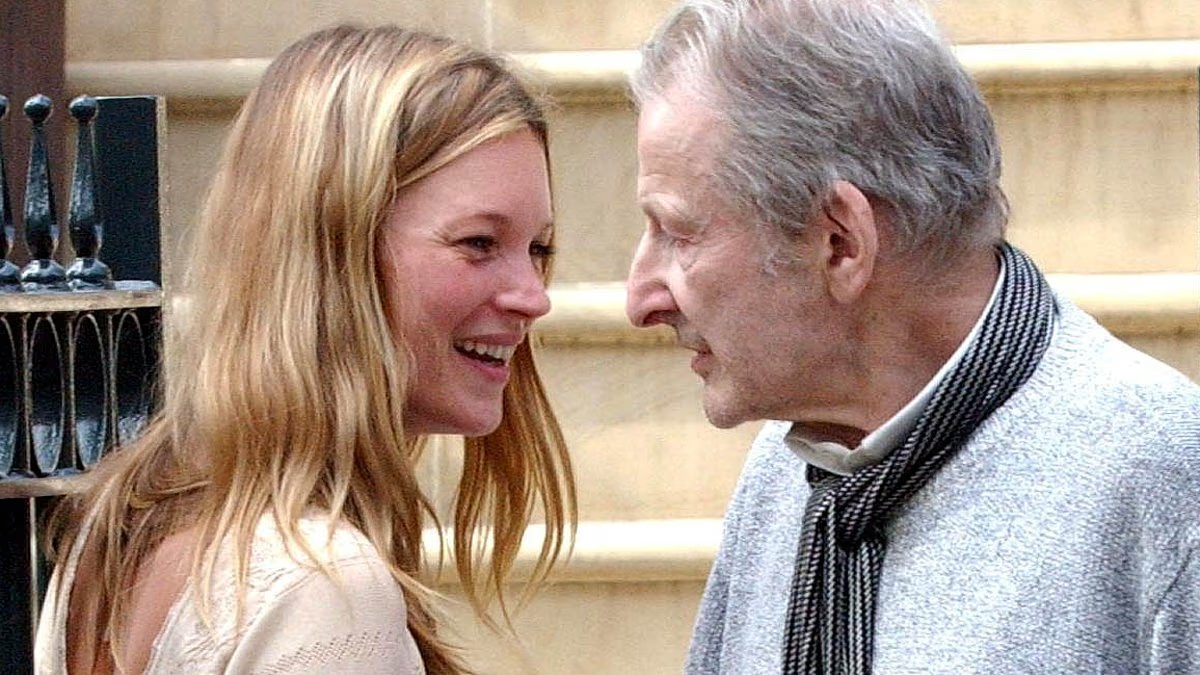
I had very low expectations for Moss & Freud, the new film about Kate Moss and artist Lucian Freud. Biopics of charismatic figures are hard to pull off because the qualities that make them so special are almost impossible for an actor to capture.And the thought of any actress attempting to be Kate – not just one of the great models of her age (someone I put on 37 covers during my tenure as Editor of Vogue), but a woman whose mix of beauty and personality transcends the role of clothes horse – seemed an especially high bar.But from the opening shots of Ellie Bamber as the model, driving her open-topped vintage car crazily around a country road at dawn, chain-smoking, music blaring, mobile ringing, it was obvious she was going to make a jolly good fist of it.As she totters in impossibly high spiky black heels across the hushed rooms of the National Gallery, dressed in the shaggy, vintage white fur, Bamber could have been Kate. The model had pulled an all-nighter to meet Freud, who was allowed to visit the hallowed space outside opening hours whenever he wished.The scene, like many in the film, was a true event. Freud had learnt from his daughter, the fashion designer Bella Freud, that Kate wanted to be painted by him and it is while standing in front of Titian’s masterpiece Diana and Actaeon, that one of the most acclaimed British artists offers the supermodel the opportunity to sit for him. On the strict proviso that she turn up three evenings a week, with religious punctuality – that she takes the process of creating art as seriously as he does.Kate prevaricates over this commitment and we see her continue her crazy life, ending up miserable in an S&M club in Berlin. The thought of any actress attempting to be Kate seemed a very high bar, writes Alexandra Shulman. But in this film Ellie Bamber pulled it off brilliantly (Pictured: Bamber in Moss & Freud) During Alexandra's tenure as Editor of Vogue, she put Kate on 37 covers (Pictured: 19-year-old Kate Moss on her first Vogue cover, for the March 1993 issue)Kate’s hectic existence of shoots and catwalk shows, usually a disaster when fictionalised in film, is brilliantly captured by the cinematography of Maria Ines Manchego, who uses a speeding kaleidoscope of images to convey the model’s febrile existence.The fast-moving camera work also helps in making Bamber believable, giving us an essence of Kate which compensates for the fact there is so much about her that just can’t be captured.For the fact is, while there are many beautiful models and many high-voltage personalities, there isn’t anyone quite like Kate.From the age of 14 when the Croydon schoolgirl first began her career as a slightly bandy-legged waif, who went on to strut the catwalk alongside glamazons Naomi Campbell and Linda Evangelista, she has owned her appearance entirely. She didn’t and doesn’t, even at the age of 52, look like anyone else.Which was why, in 1993, I chose her for what would be her first Vogue cover. She epitomised the shift in fashion towards the new grunge movement, which I headlined ‘London Style’.Kate, once described as possessing an ‘insolent beauty’, is intriguing. No actress could mimic that, but there is enough about Bamber’s portrayal of the model that taps into Kate.She has her mocking, South London throaty cackle of a voice down pat. She succeeds in showing the contradiction between the person who hates to give interviews but is the first to dance on the tables at a party. She does well in displaying Kate’s lack of trepidation around other famous people and ability to lure anyone she wishes into her orbit.Over the years I’ve spent time with Kate in numerous situations. As a model, she would sit in hair and make up, entertaining everyone on set with anecdotes from the previous evening. Then once in front of the camera, she’d morph into whomever she was required to be – a Hollywood heroine, a Twenties vamp, a Sixties babe.It is her magnetism that has attracted artists over the years to choose Kate as their muse. Artists, who – just like Freud – have never been interested in making portraits of celebrities.Back in 2000, I commissioned a collection of the then fashionable Young British Artists to capture Kate for a special issue of Vogue. Marc Quinn – who famously recreated his head with ten pints of his own frozen blood – sculpted her in ice; Tracey Emin sketched her nude; Sam Taylor-Wood, as she was then known, photographed her as a vestal virgin in a leather jacket. Sarah Morris’s shot of Kate as a pop icon, drinking Coke from a paper cup through a white straw and wearing a diamond necklace Johnny Depp had given her, became the cover.Good artists are not interested in beauty but what else they can extrapolate from their subject or project onto them. And because Kate is this curiously compelling character, never quite pin-downable, never ready to conform to expectations of behaviour, capricious and loyal, canny, witty and sometimes impossible, there is much there for artists to mine. 'When Lucian Freud was seated at restaurants, his cold stare made it crystal clear he did not want to be spoken to. But, like Kate, his presence was impossible to ignore,' says our columnistIn his portrayal of Lucian Freud, Derek Jacobi fails to pull off Bamber’s success. Although the film manages to demonstrate how much more important the art was to Freud than any subject – as is frequently the case with the best artists – he comes across like a doddery Quentin Crisp.At no point do we get the quality of vulpine danger which made him so fascinating as a person and, like Moss, so attractive.While I didn’t meet Freud in any meaningful way, I remember staying in a friend’s house in Tuscany one summer. Freud would telephone every afternoon.There was only one person he wanted to speak to and he never asked for them by name. He could tell by your voice that you were not her and would he would simply put down the receiver.Similarly when he was seated at his regular tables in The Wolseley restaurant in Piccadilly or Clarke’s in Kensington, his cold, penetrating stare made it crystal clear he did not want to be watched or spoken to. But, like Kate, his presence was impossible to ignore.The film has benefited from Kate’s role as executive producer. She gave the costume designer access to her wardrobe, including the John Galliano Union Jack jacket she wore on an open-top bus at the Queen’s Platinum Jubilee. There was the vintage sequinned gown she wore to her notorious Beautiful and the Damned 30th birthday party, which Bamber wears in the film.And since Kate was given editorial control it suggests she was happy with the sometimes overwrought emotional narrative; the feeling of pointlessness in her life before she agrees to commit to the portrait, a daft opium-laced dream scene and most crucially her devastation when the final Naked Portrait is revealed. It was about her as real person not a model and the finished result was not what she was expecting.She was pregnant with her daughter Lila Grace and it fails to show that. She hates how Freud sees her and is horrified by Freud telling her he was trying to capture her ordinariness. ‘I don’t usually want people to see the real me,’ she announces in distress.How much of the real Kate is revealed in this film will no doubt be the subject of much debate. But we have to assume that, given she had the power to veto what she didn’t like, it’s a version of herself that she is happy for us to see.
I know the REAL Kate Moss - here's my honest review of her biopic
I had very low expectations for Moss & Freud, the new film about Kate Moss and artist Lucian Freud. Biopics of charismatic figures are hard to pull off...
1,295 words~6 min read