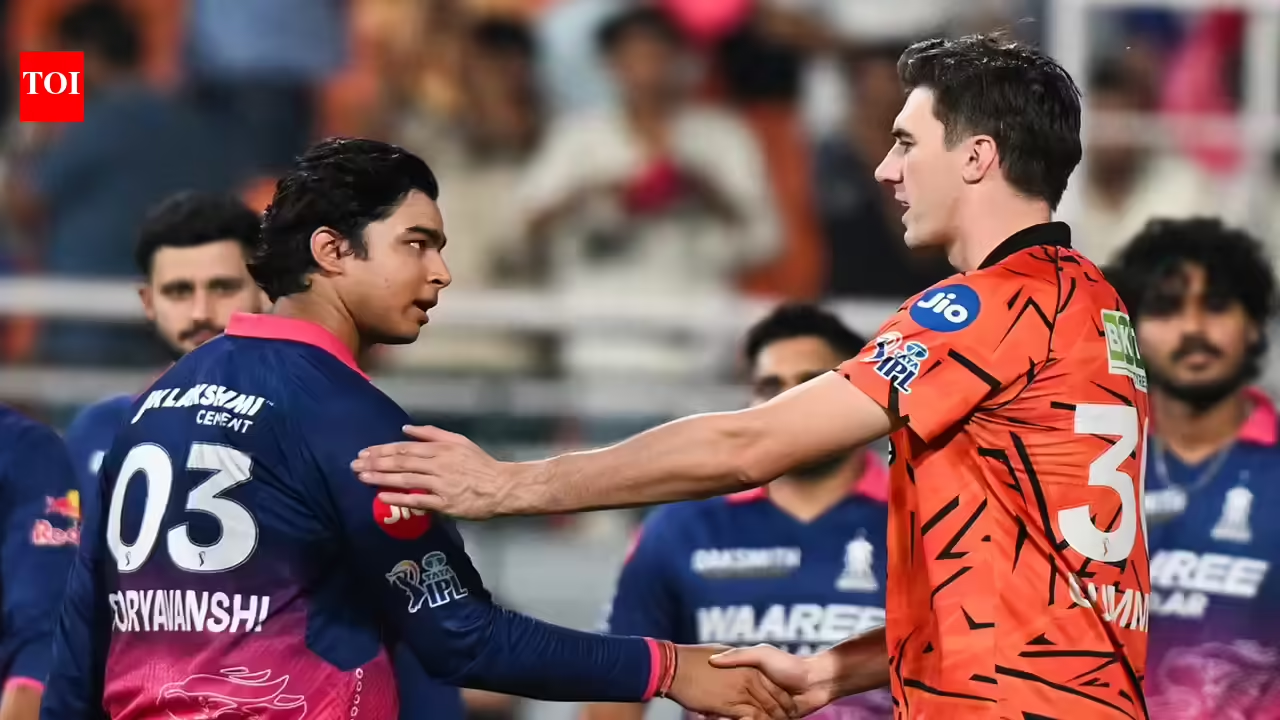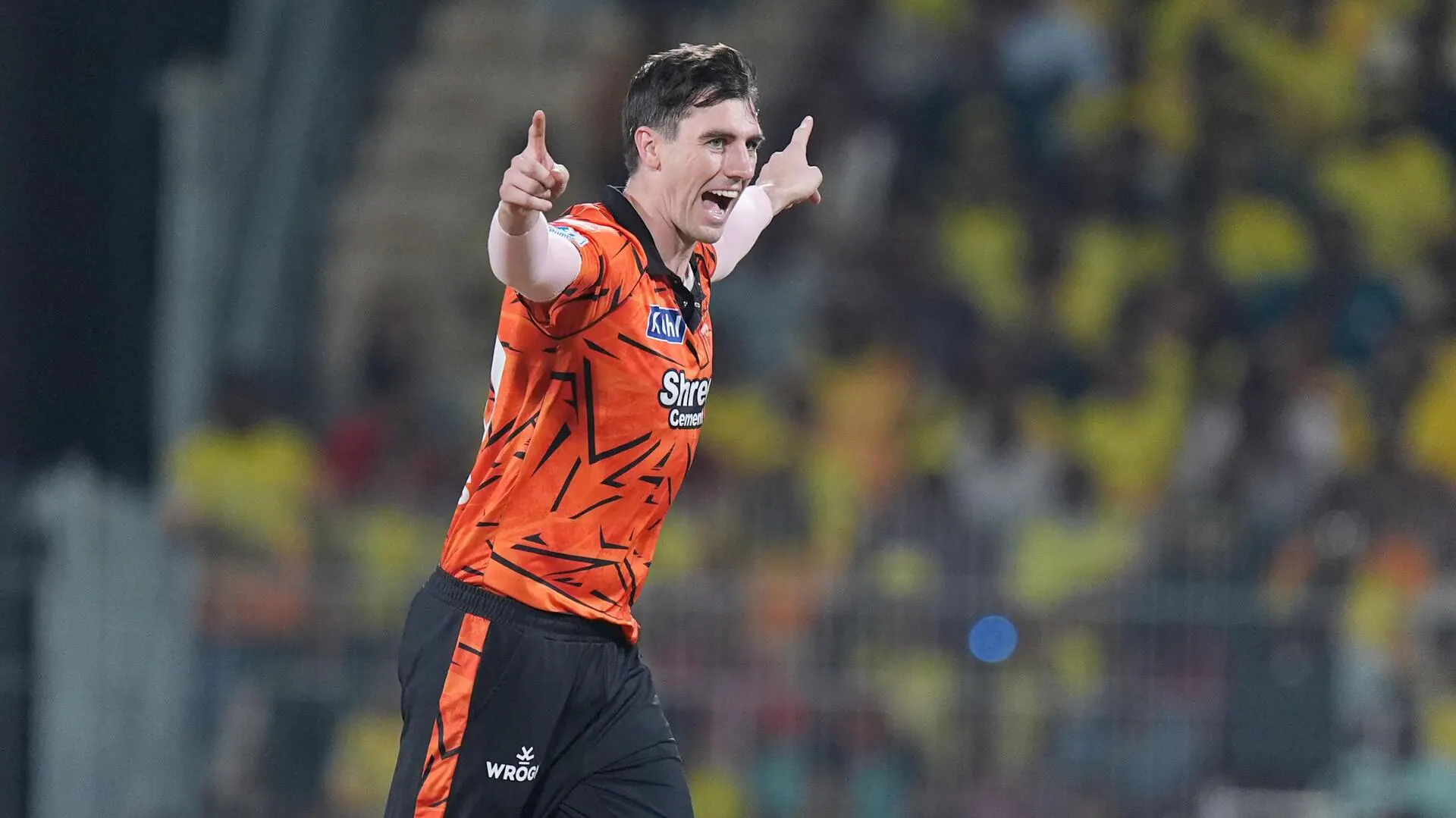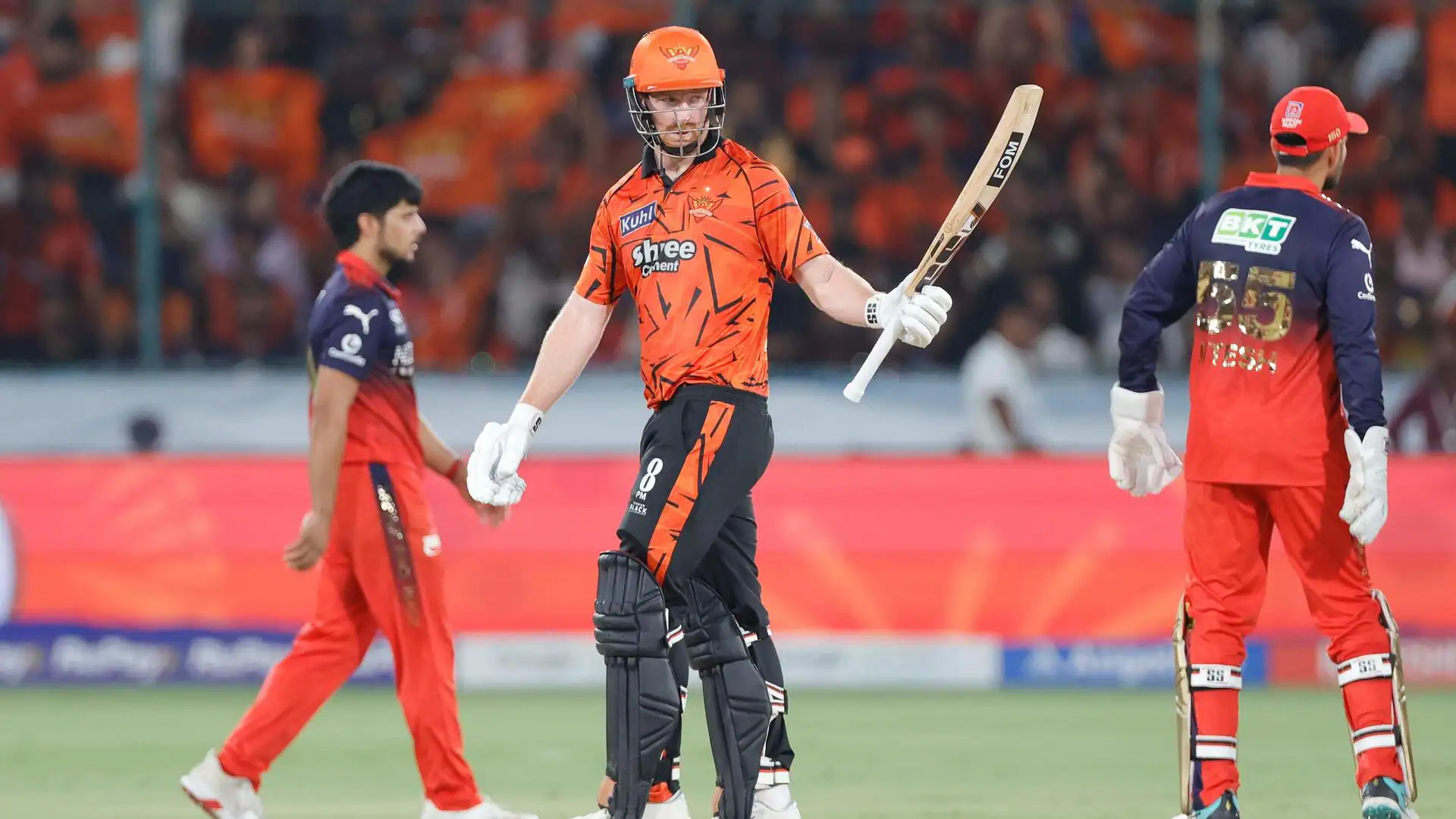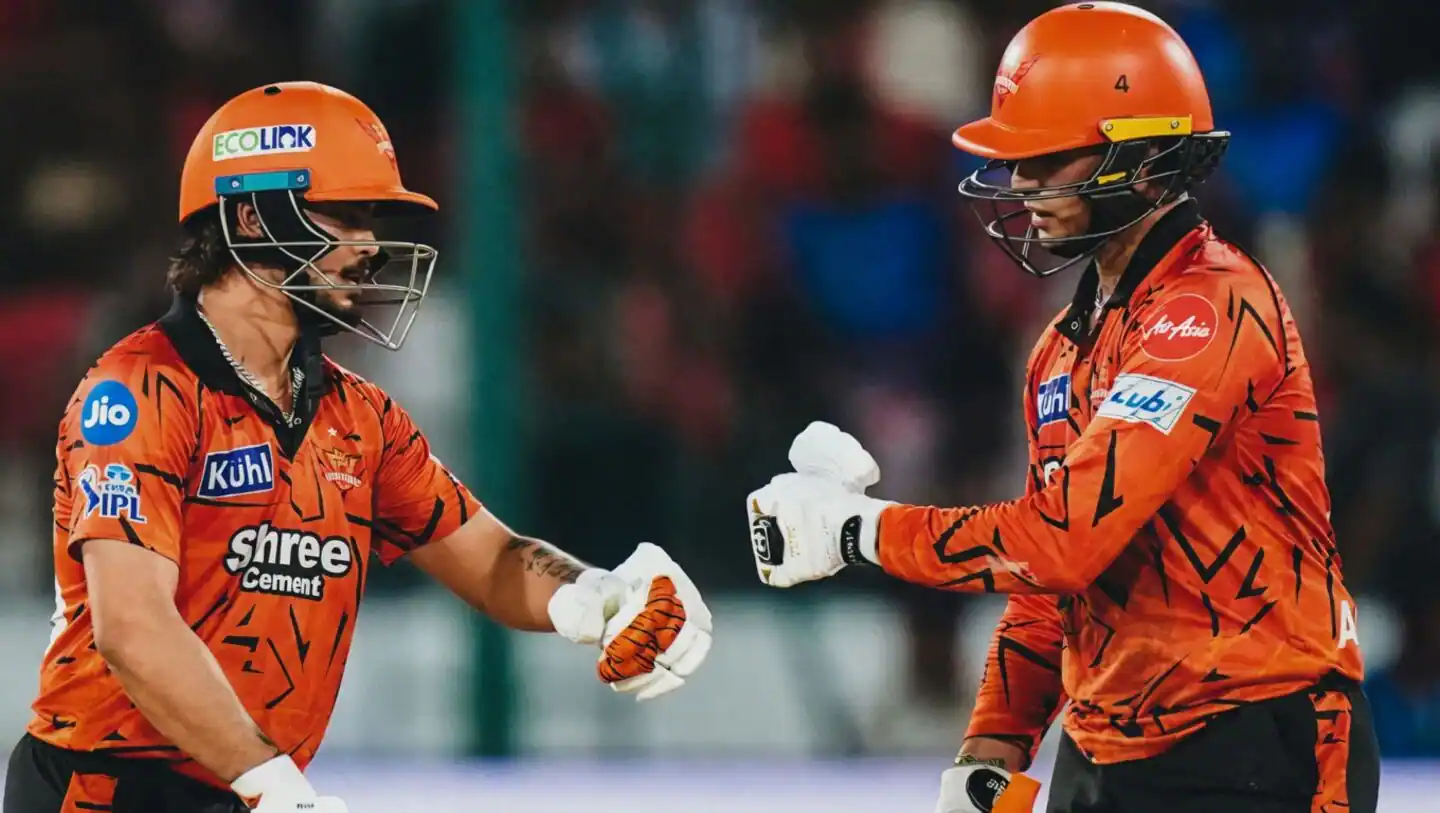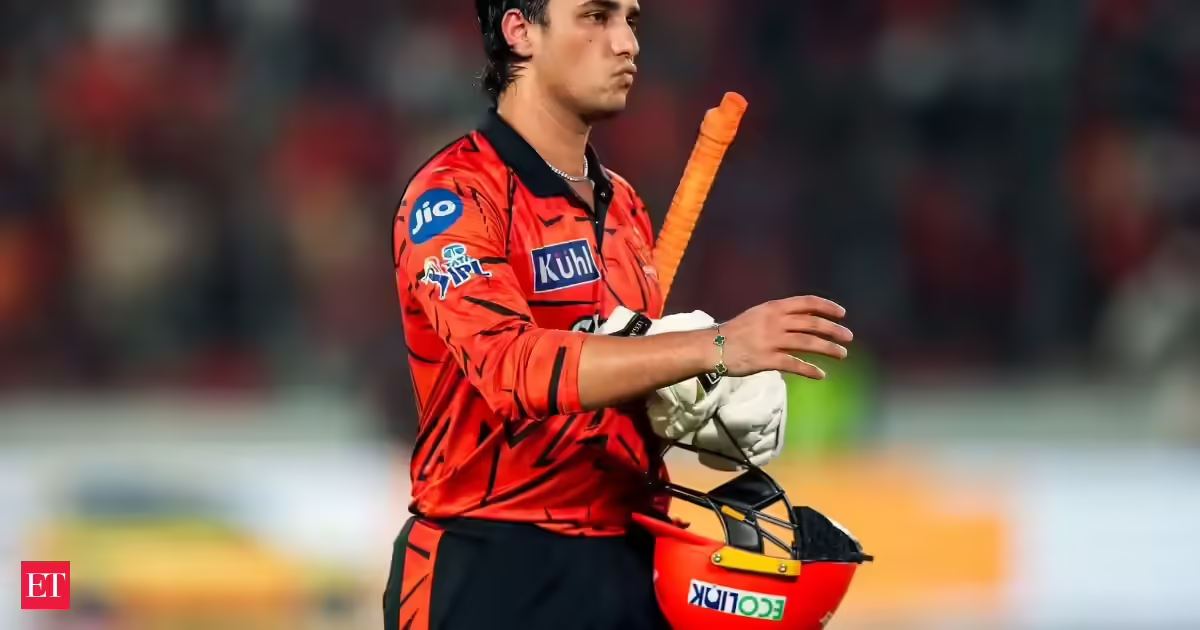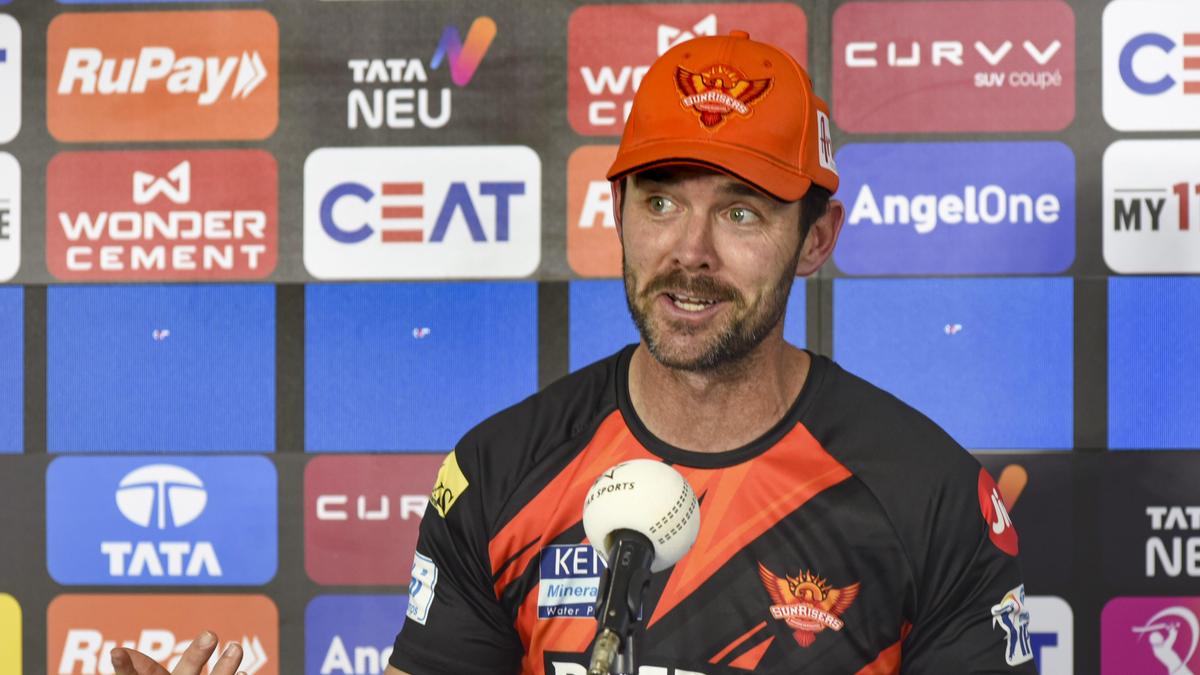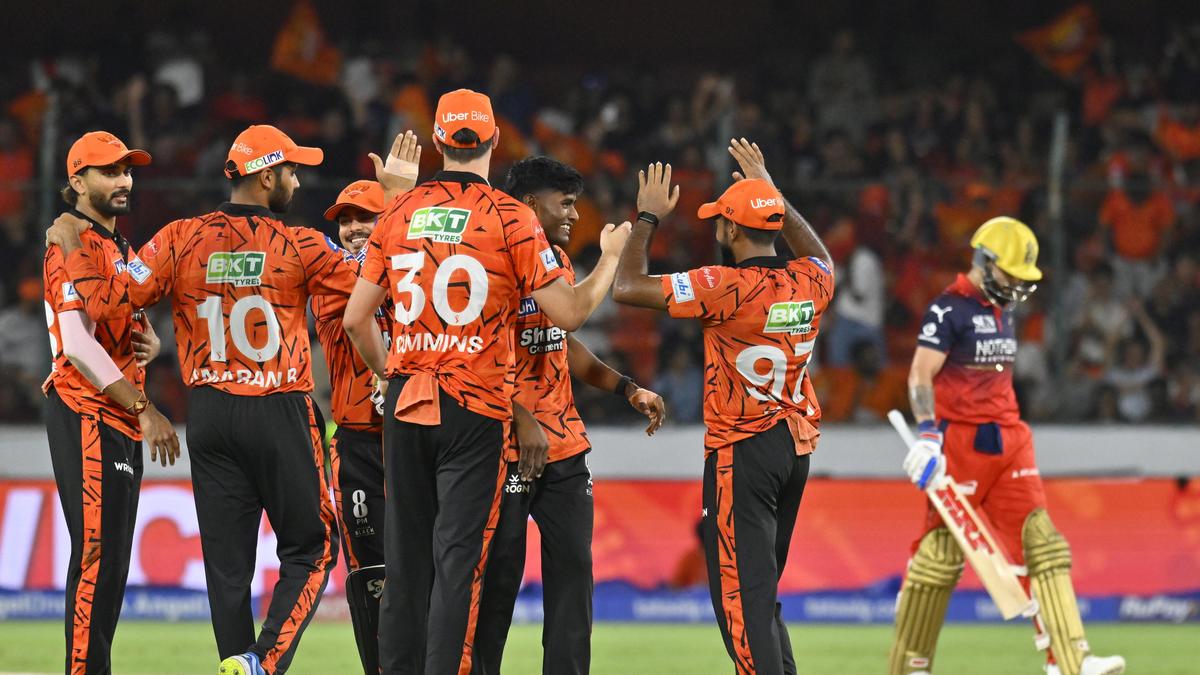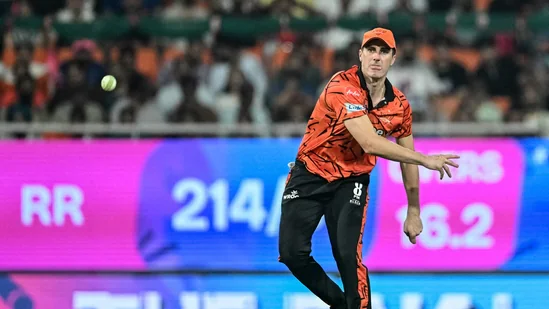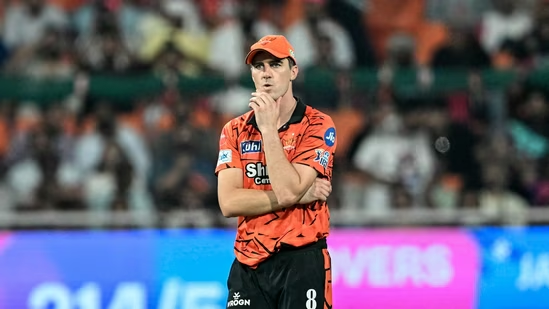
Sunrisers Hyderabad entered IPL 2026 as a team with something to prove. After slumping to sixth place in 2025, they came back under Pat Cummins' captaincy and backed some of the same names that had taken them to the 2024 final. It did not start smoothly - Cummins missed the first seven matches through injury, leaving Ishan Kishan to hold the fort as stand-in captain, and SRH lost three of those first four games.Pat Cummins during the Eliminator match against the Royals. (AFP)Once Cummins returned, they steadied, and by the end of the league stage, they had clawed their way to the playoffs as the third seed with 18 points, qualifying alongside RCB and Gujarat Titans. But the Eliminator in New Chandigarh on May 27 was cruel and quick. Vaibhav Sooryavanshi made sure of that, smashing 97 off 29 balls to power Rajasthan Royals to 243/8. Jofra Archer then dismantled SRH's top order in the chase, Kishan's counterattacking 33 and Nitish Kumar Reddy's fighting 38 not enough as Hyderabad folded to 148/7 and a 47-run exit.The season is over. Now the books are open.The Headline NumberAgainst a full auction investment of ₹116.30 crore, on a season-complete basis, every rupee committed, SRH generated ₹161.95 crore in match impact value. That is a net surplus of ₹45.65 crore, a cost recovery of 139.25%. On a ten-team grid where only four squads made the playoffs and most big spenders bled money, this is a genuinely strong return.But the number flatters the composition. Five players accounted for the bulk of the surplus. Below them, the ledger turns patchy, and two expensive overseas signings were outright disasters.The Men Who Made the MoneyIshan Kishan (+ ₹24.13 crore) is, without question, the financial spine of this SRH season. On a ₹11.25 crore contract, he generated over three times his value. His seven-match stint as stand-in captain while Cummins recovered from injury added a further ₹6.96 crore on top of his individual batting returns, a remarkable contribution given the circumstances. Kishan was SRH's most consistent performer across the competition: 15 appearances, and the team's most productive player by the widest margin in the squad.Nitish Kumar Reddy (+ ₹11.45 crore) on a ₹6 crore contract is the second story. The young Andhra allrounder has been building toward something for two seasons. This year he arrived. His impact across batting and pace bowling over 14 matches placed him comfortably in the 'elite surplus' tier, and at 22, SRH will know they have a long-term asset at a bargain price - at least for now.Eshan Malinga (+ ₹9.01 crore) is the number that will raise eyebrows. The Sri Lankan seamer cost ₹1.20 crore, finished as SRH's highest wicket-taker with 20, and generated nine times his cost in value. That is not a typo. On a per-crore basis, no one in the SRH squad came close.Abhishek Sharma (+ ₹8.83 crore) was SRH's most prolific run-scorer in the league stage. The left-hander's 563 runs, including a half-century in the thumping win over RCB, were central to SRH's surge up the table. His ₹14 crore retention looks astute in hindsight.Heinrich Klaasen (+ ₹3.08 crore) spent ₹23 crore and returned a modest profit. But for a player priced so high, it is very difficult to go well above cost. He scored 624 runs in the season at an average of 48, while maintaining a strike rate of over 160. Though the net profit may not be high, the fact that he generated a total worth of over INR 26 crore is a revelation of his performance.Also Read: Vaibhav Sooryavanshi misses fastest IPL 100 by a whisker but mows down hat-trick of records with 12 breathtaking sixesWhere the Money Was LostLiam Livingstone (− ₹12.51 crore) is the single worst financial outcome in SRH's season, and arguably one of the worst in the entire IPL 2026 by absolute loss. He cost ₹13 crore, played two matches and generated ₹0.49 crore. An injury-disrupted season, but devastating on the balance sheet.Harshal Patel (− ₹8.42 crore* could not justify his ₹8 crore retention price in only five appearances. His impact value came out negative, an output so poor it almost defies the investment logic that brought him back. His 2025 wicket tally had been sufficient to retain him; 2026 asked harder questions.Pat Cummins (− ₹4.02 crore) cost ₹18 crore and returned ₹13.98 crore. His captaincy across six matches after returning from injury generated ₹8.18 crore in leadership value, better than his bowling returns of ₹5.79 crore, but neither justified the full investment.Travis Head (− ₹1.79 crore) is a minor loss on paper but a significant disappointment in context. SRH paid ₹14 crore for a player capable of taking any chase apart. He managed 15 appearances and struck in patches, but his consistency across the competition never matched the 2024 version that took them to a final.The Final ReckoningTen profitable players against five who lost money. A squad recovery rate of 139.25%. By those metrics, SRH ran an efficient operation. But the construction was unbalanced - four players priced above ₹13 crore delivered a combined loss of ₹19.10 crore, while the six players priced below ₹2 crore delivered a combined surplus of ₹31.48 crore. The real SRH in 2026 was built from the bottom up.Methodology NotePlayer values in this analysis are derived from a Win Probability Added (WPA) impact model trained on ball-by-ball IPL data, with manual ratings applied to account for match context. The model outputs an Impact Index (0–100) per appearance, converted to monetary value at ₹2 lakh per impact point. All costs are charged at full auction price, reflecting a complete season.All monetary values and P&L figures are model outputs based on the author's proprietary ball-by-ball impact framework and do not represent official BCCI, IPL, or franchise financial data. Player performance assessments are based on quantitative impact modelling and should be read as analytical estimates, not definitive financial accounts. Auction prices are sourced from publicly available IPL records.
INR 19 crore loss by big names: Sunrisers Hyderabad's balance sheet exposes a broken build after exit
Sunrisers Hyderabad, under Pat Cummins, rebounded from a poor 2025 season to finish third in IPL 2026. | Cricket
990 words~5 min read