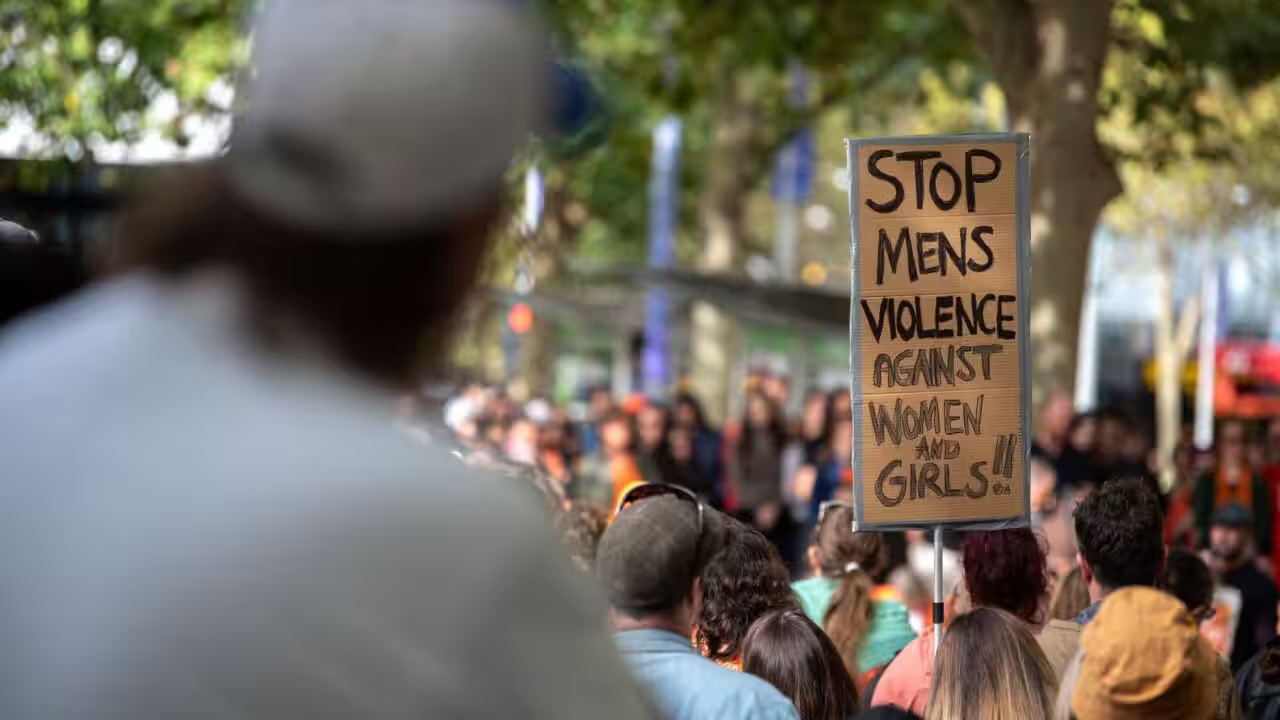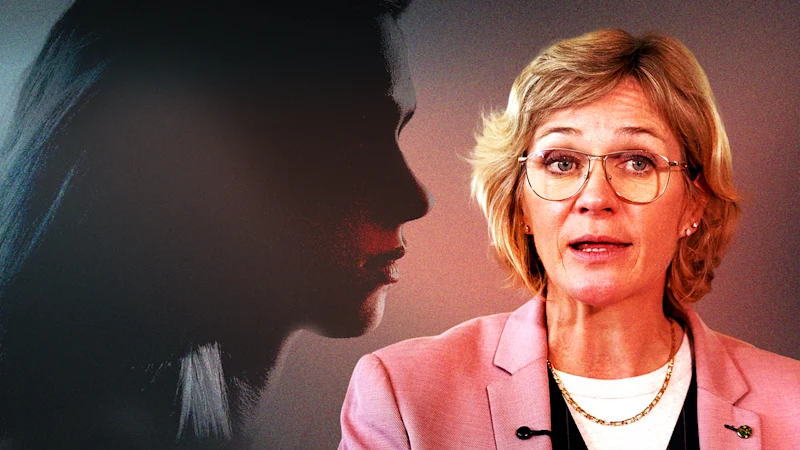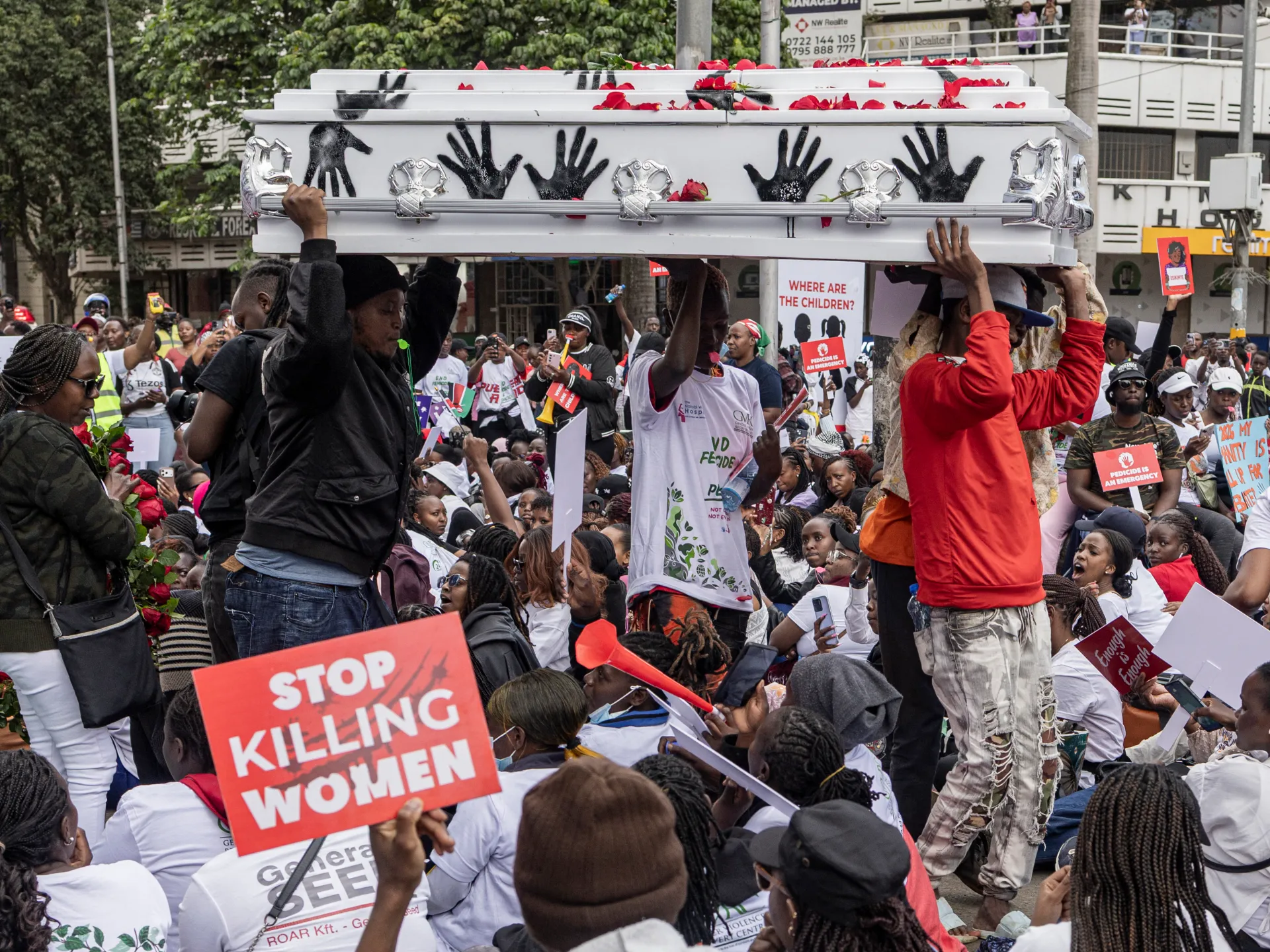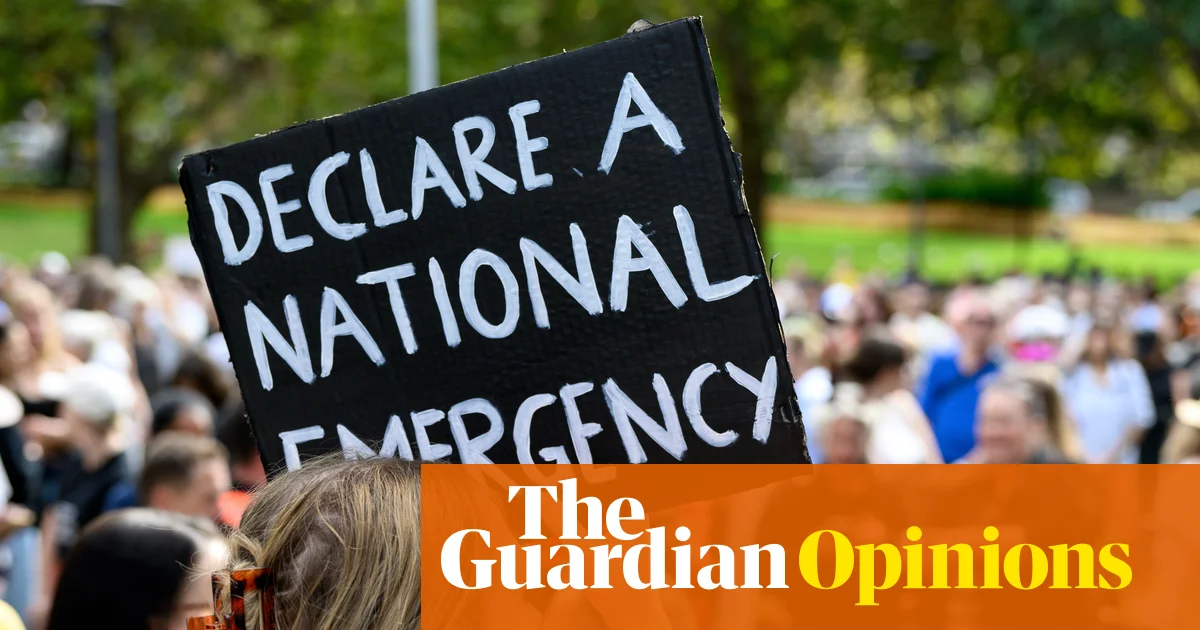
When a social crisis becomes too big to ignore, governments reach for their most powerful instrument: the royal commission. It compels decision-makers to testify, forces institutions into the open, and produces sweeping blueprints for reform. It suspends business-as-usual politics and focuses the nation’s attention on injustice and institutional failure, establishing what went wrong, who was responsible and what must change. Few other mechanisms so publicly expose injustice or centre the voices of people who’ve been harmed.Over the past 50 years Australia has held more than 130 royal commissions, placing a powerful microscope on some of the most intractable areas of social injustice: Aboriginal deaths in custody, institutional child sexual abuse, predatory banking practices, violence against people with disability. Governments called them because institutions routinely failed and caused significant harm.We’re at that point now with domestic, family and sexual violence. More than 15 years after Australia first implemented a national plan to end gender-based violence, public frustration has reached a boiling point. Progress has been significant in some areas, but it remains painfully slow in others, and the level of harm is alarming. More than 110,000 people have signed a petition calling for a federal royal commission into femicide, organised by advocate Sherele Moody from Australian Femicide Watch. For these signatories, it’s clear that only a royal commission will expose the systemic failures that repeatedly lead to the killing of women and children, and only a process of this scale will force governments to take it seriously.The prime minister – rightly or wrongly – has become a lightning rod for this anger and frustration, and his visible annoyance when asked about it (“What does a royal commission do besides fund lawyers?”) does not inspire confidence. Royal commissions aren’t just cash cows for lawyers; they can be extraordinarily powerful processes that trigger seismic changes and reduce harm, as we saw with the royal commission into institutional responses to child sexual abuse. But they can also end up being vehicles for cathartic truth-telling that leads to little or no actual change.The boiling frustration in this petition is justified. While men continue to murder, maim and terrorise women and children, too many professionals whose job it is to protect them – particularly in policing and the courts – fail again and again to do their jobs. Across Australia, victim-survivors seeking help face not just a postcode lottery, but a front-desk lottery: the same story told to officers at the same police station can elicit radically different responses. One officer may act with urgency; another will look bored: What do you expect us to do about this? The same inconsistency plays out in the courts – where a victim-survivor’s safety, and that of their children, depends on who is on the bench and whether their lawyer knows how to present the case. In 2026, victim-survivors still routinely say they wish they had visible bruises, so at least they would be believed. And for First Nations women, the risks are even higher: will help-seeking lead to punishment, or to losing their children?How is this acceptable to governments? Would we tolerate a health system where a patient’s survival depended on whether their surgeon was competent enough to carry out the operation? State governments pour hundreds of millions of dollars into policing gender-based violence – a crime that consumes at least 40-60% of police time – but fails to insist on consistent standards. They protect police and the courts from scrutiny, instead of insisting on basic levels of professional competence in matters of life and death.Broken trust: how police failed Hannah Clarke and other women they were supposed to protect – videoAnyone who works in this area boils with rage over this procedural injustice, and with systems that keep victim-survivor adults and children trapped. As frontline workers often say, the vicarious trauma doesn’t come from hearing stories of violence; it comes from feeling powerless as systems perpetuate the abuse they are meant to stop.With the right terms of reference, a royal commission could expose institutional failings across multiple systems – state and federal. It could spell out exactly what the states and territories must do to reform policing and the courts, and make them accountable. But it would also likely affirm what coronial inquests, domestic violence death reviews, parliamentary inquiries and the recent rapid review into prevention has already recommended. The solutions aren’t a mystery. The problem is that governments refuse to act on them.The question that haunts me is: if the federal government did hold a royal commission into femicide, what would compel it, as well as the leaders of eight states and territories, to accept its recommendations? Would the pressure of a royal commission be enough for them to disrupt the cosy relationship between premiers, police ministers and police commissioners, and finally establish the civilian-led accountability mechanisms that multiple inquiries have already called for?Because while the federal government is a lightning rod for public anger, the states and territories bear much of the responsibility – and even when they make promises, they don’t always follow through. In national cabinet’s response to the rapid review into prevention, for which I was a panel member, leaders agreed on four major focus areas. One was tightening regulations on alcohol, a significant risk factor for gender-based violence and domestic homicide. At the September 2024 national cabinet meeting, every state and territory committed to returning with proposals to review their liquor laws and prioritise violence prevention. In the 18 months since, only South Australia and the ACT have followed through, and there’s very little the federal government can do to compel the others to act.The situation is not hopeless. At the federal level, ministers Tanya Plibersek and Katy Gallagher, and assistant minister Ged Kearney, are strong allies – listening, ambitious and impatient for change. They also recognise that real progress requires other ministerial departments – like health, education, finance and Treasury – to treat domestic, family and sexual violence as a core priority. Consultations begin this week for the second action plan – the specific actions that federal, state and territory governments will take to end violence against women and children within a single generation.Here’s the reality: in this term of government, a royal commission will not happen. The focus for all governments will be the second action plan, and no amount of media pressure will change that.But this is a pivotal time – and campaigners can have an outsized impact on this second action plan, if they are strategic and focused. Identify where and how systems are failing, name the decision-makers responsible, and be explicit about the changes you want. Keep up the pressure.Those 110,000 signatures should put all governments on notice. Next May, Treasurer Jim Chalmers will hand down a budget for the second action plan – and treasurers in every state and territory must do their part.And if they don’t, then yes: we should march in the streets for a royal commission. Jess Hill is an Australian journalist and educator on coercive control. She is the author of See What You Made Me Do: Power, Control and Domestic Abuse In Australia, domestic and family violence counselling is available from Full Stop Australia on 1800 385 578. In the UK, call the national domestic abuse helpline on 0808 2000 247, or visit Women’s Aid. In the US, the domestic violence hotline is 1-800-799-SAFE (7233). Other international helplines may be found via www.befrienders.org
Australians want a royal commission into femicide. What haunts me is wondering if it’ll be enough to make leaders act
The solutions to ending gender-based violence aren’t a mystery. The problem is that governments refuse to act on them
1,233 words~6 min read