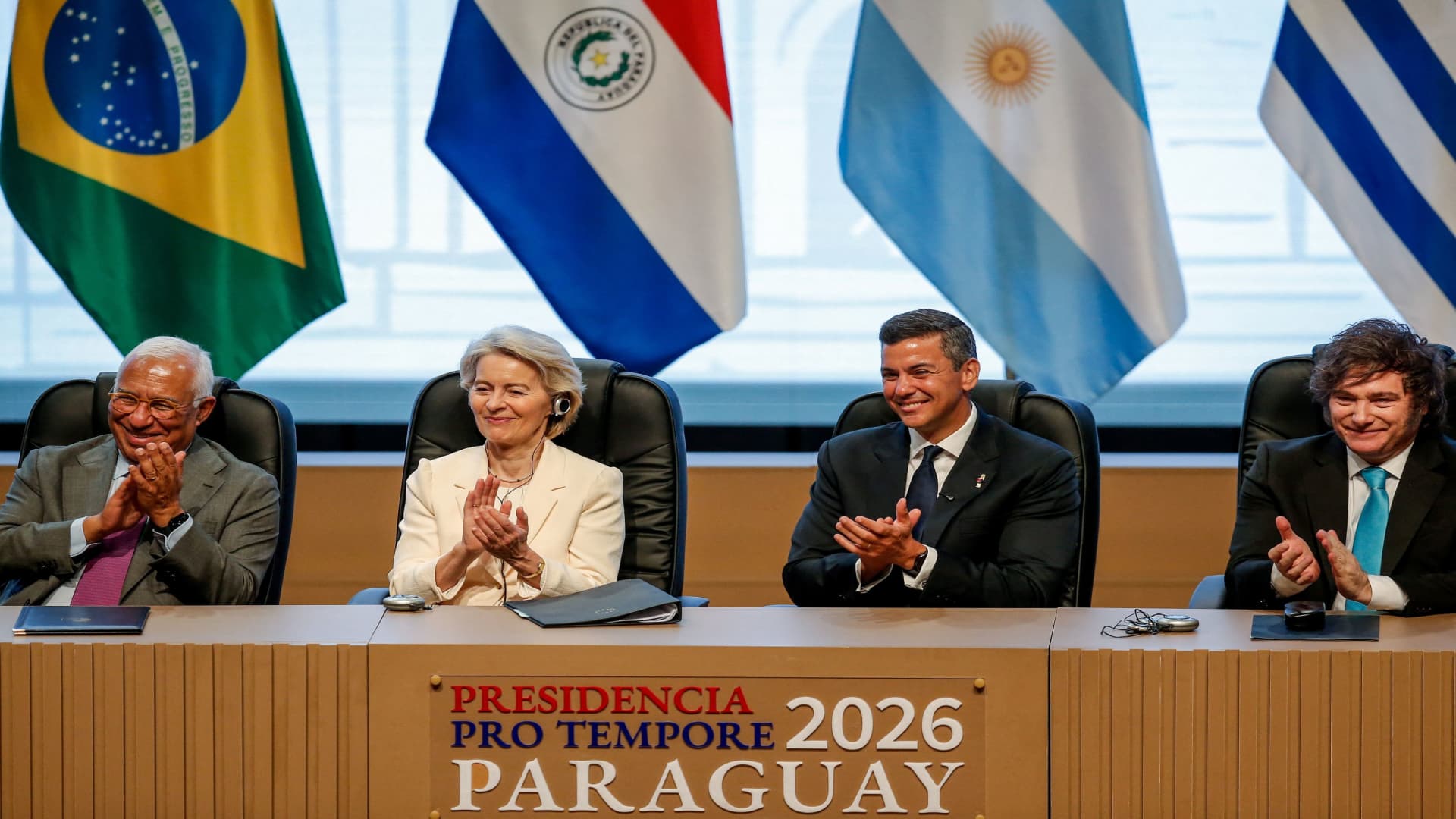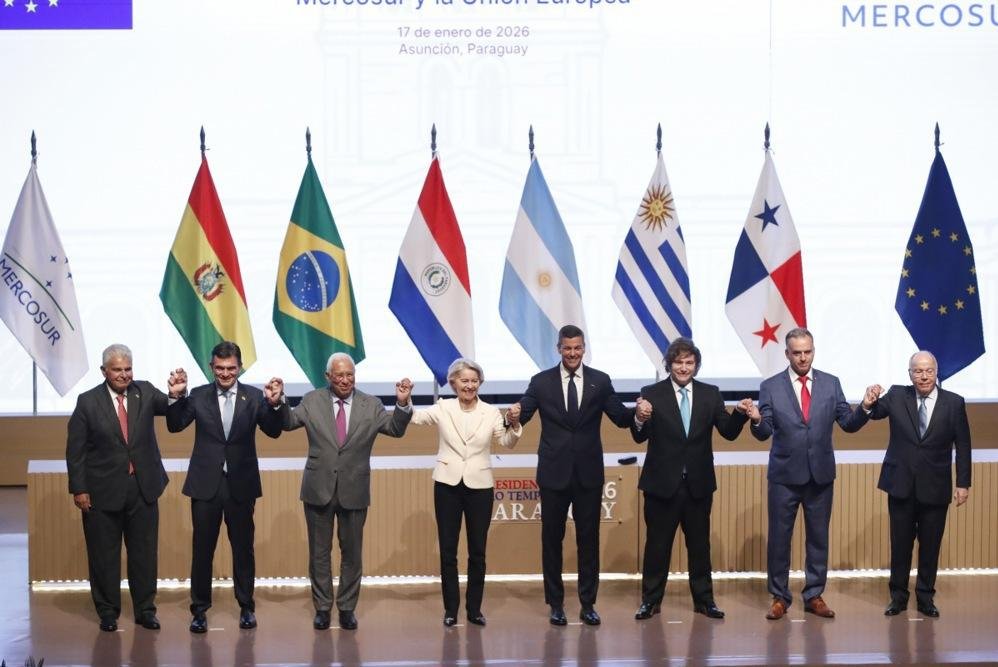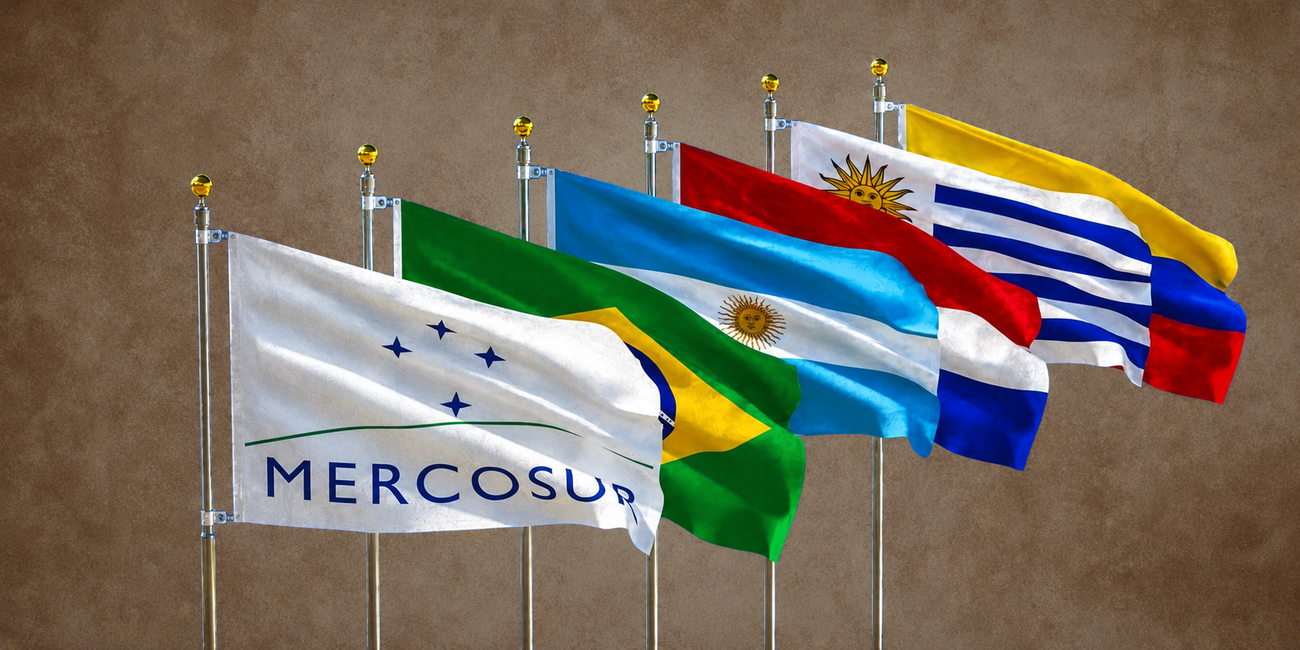
The South American bloc Mercosur — made up of Argentina, Brazil, Uruguay, and Paraguay — is going through an unprecedented opening to trade. Paradoxically, that’s largely thanks to cooperation between Javier Milei and Luiz Inácio Lula da Silva, two governments at opposite ends of the ideological spectrum.
For most of its existence, Mercosur avoided seeking new trading partners outside South America. The bloc’s last free trade agreements (FTAs) were signed back in 2007 and 2010, with Israel and Egypt, respectively.
That has started to change. In September 2025, Mercosur signed an FTA with the European Free Trade Association (EFTA) — which includes Switzerland, Norway, Liechtenstein and Iceland — and in January, it did the same with the European Union, the biggest deal in the South American bloc’s history.
On top of that, an FTA with Canada is widely expected to clear this year, while talks continue with Singapore, Japan, Indonesia, South Korea, the United Arab Emirates, Vietnam and El Salvador.
What changed?