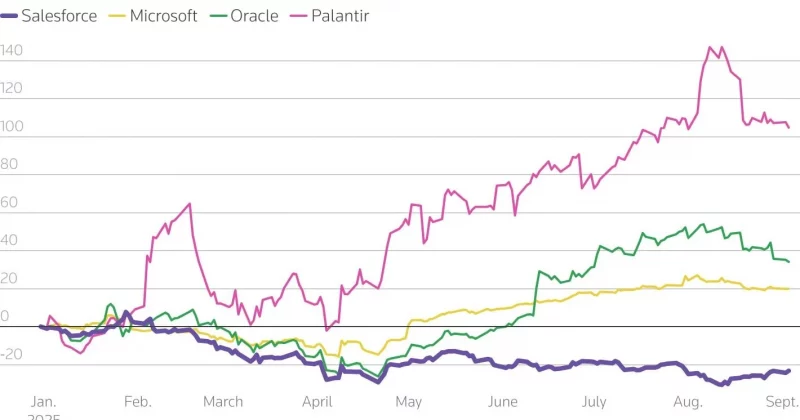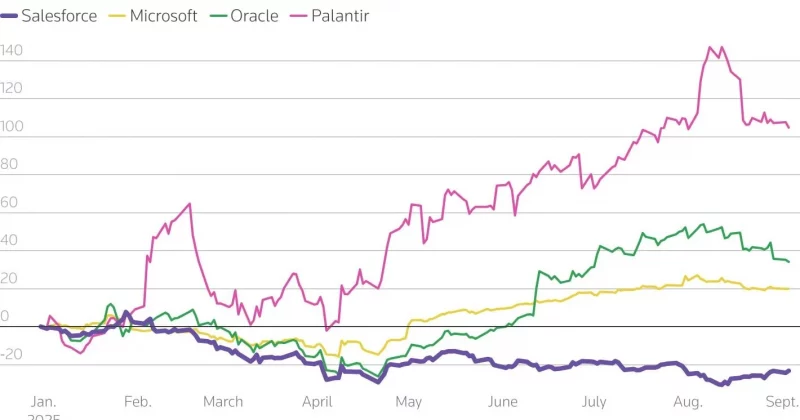
Salesforce just reminded Wall Street that spending billions on AI doesn’t automatically translate into revenue growth. Shares of the enterprise software giant fell nearly 8% on September 4, 2025, after the company issued a soft revenue outlook for its third quarter of fiscal year 2026.
What happened and why investors bailed
The nearly 8% single-session decline came during the aftermath of Salesforce’s earnings release, where the revenue guidance fell short of what analysts were expecting.
Salesforce has been aggressively marketing its AI capabilities, particularly through its Agentforce platform for autonomous agents and its Einstein AI suite. The pitch to customers is compelling on paper: let AI handle more of the repetitive CRM work so your sales team can focus on closing deals.
But investors are increasingly asking a pointed question. If autonomous AI agents can do much of what Salesforce’s traditional software does, why would enterprises keep paying premium subscription fees for legacy platforms?