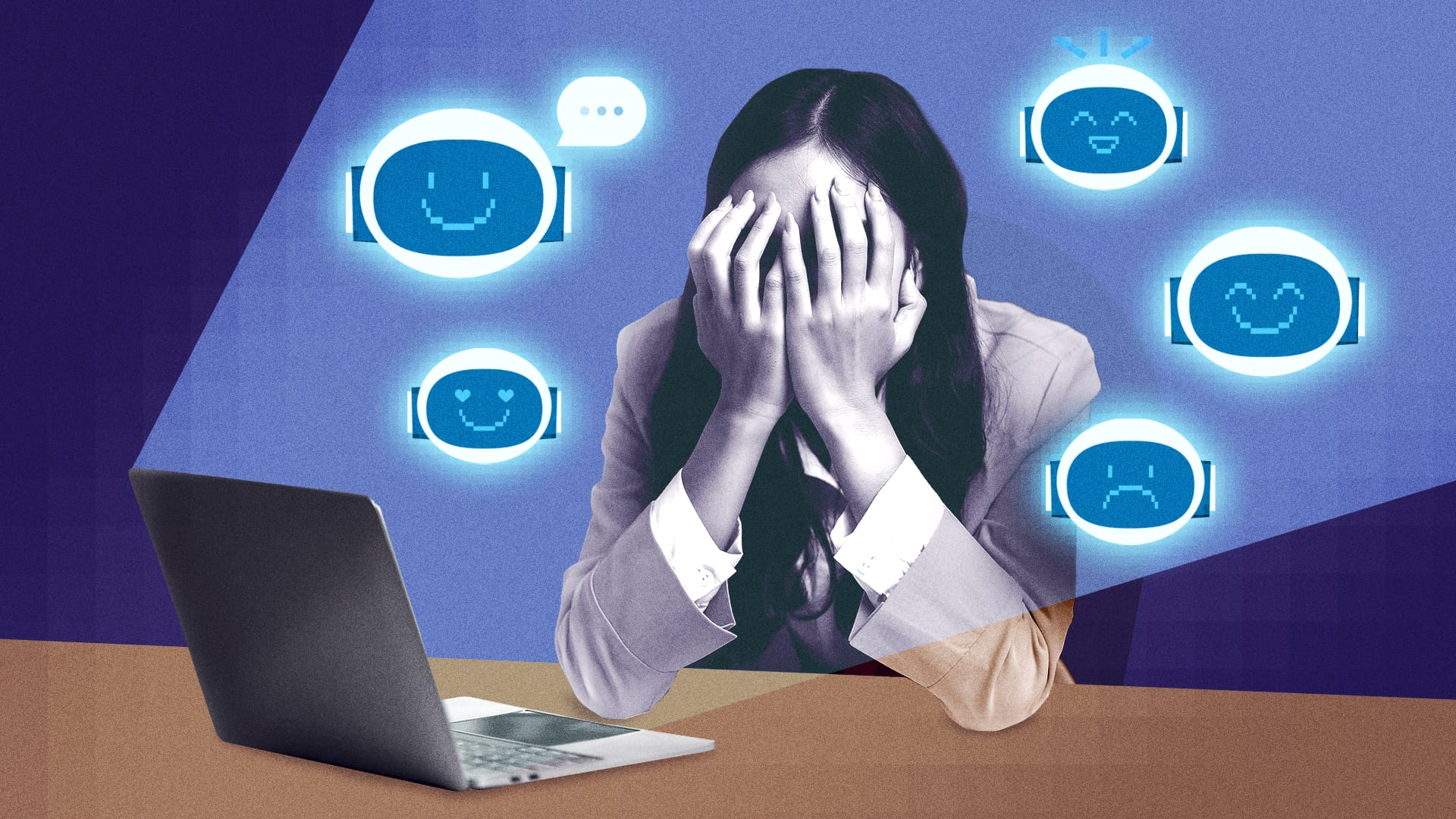
It’s now a common experience to receive an AI-generated email that’s robotic and hollow, or get a stream of useless chatbot responses when you just need some help from customer service.
Worse yet, some people will dose up entire slide decks and project documentation with AI slop. Then there are the infamous cases of hallucinated references in a report by consulting firm Deloitte and in dozens of papers at a top AI research conference earlier this year.
The jagged frontier of AI continues on its paradoxical route. On the one hand, there’s increased adoption. On the other, increased concern about the limitations and risks posed by the technology.
While “slop” – in the context of poor quality AI content – was Merriam-Webster dictionary’s word of the year for 2025, tech executives are still keen for us to think differently, to view AI tools as cognitive enhancers.
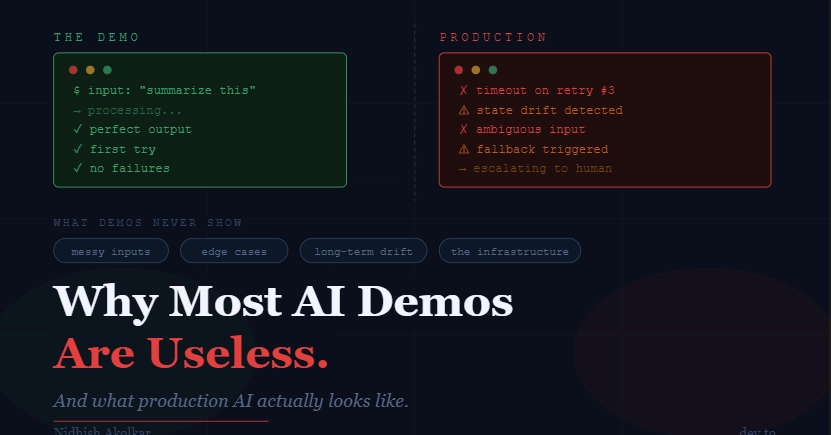
But the industry doesn’t just facilitate slop. It’s also rife with “nothingburgers”. These are AI non-events that were wildly promoted and highly anticipated, but failed to deliver as expected in the real world.