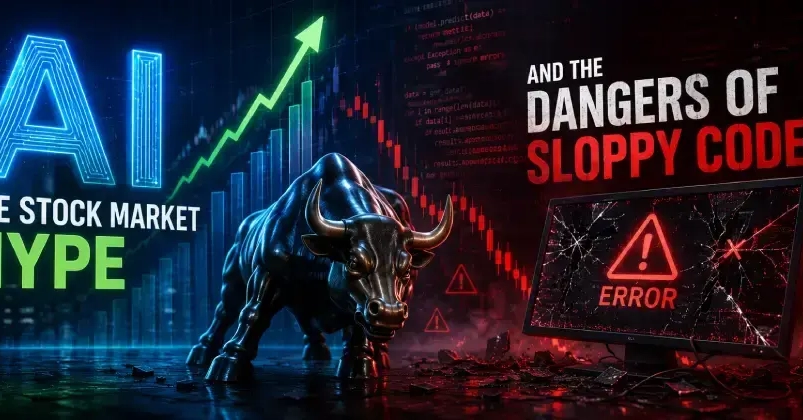
Across corporate earnings calls, investor presentations and marketing pitches, “artificial intelligence” has become the buzzword of choice. Yet a troubling pattern lies under the hype. Many claims vastly overstate actual AI sophistication, misleading people about true capabilities, future outcomes and potential harms.
A case in point is the recent 600% share price surge of Allbirds, after the once-trendy sustainable footwear business issued a vague announcement in April 2026 that it would pivot to AI. In the coming months, the company plans to rename itself NewBird AI and give up its status as a public benefit corporation.
As a scholar who studies corporate sustainability, I see parallels between this “AI washing” phenomenon – when companies oversell the benefits of AI while glossing over the risks – and the greenwashing trend in the recent past, when companies claimed to commit to sustainability but didn’t enact fundamental change. Widespread deception was rampant, with businesses spending far more on green marketing than on actual sustainability improvements. And those efforts often backfired on both the companies and the communities they served. Even more worrisome: AI washing’s rapid rise and widespread adoption will likely eclipse the greenwashing trends.