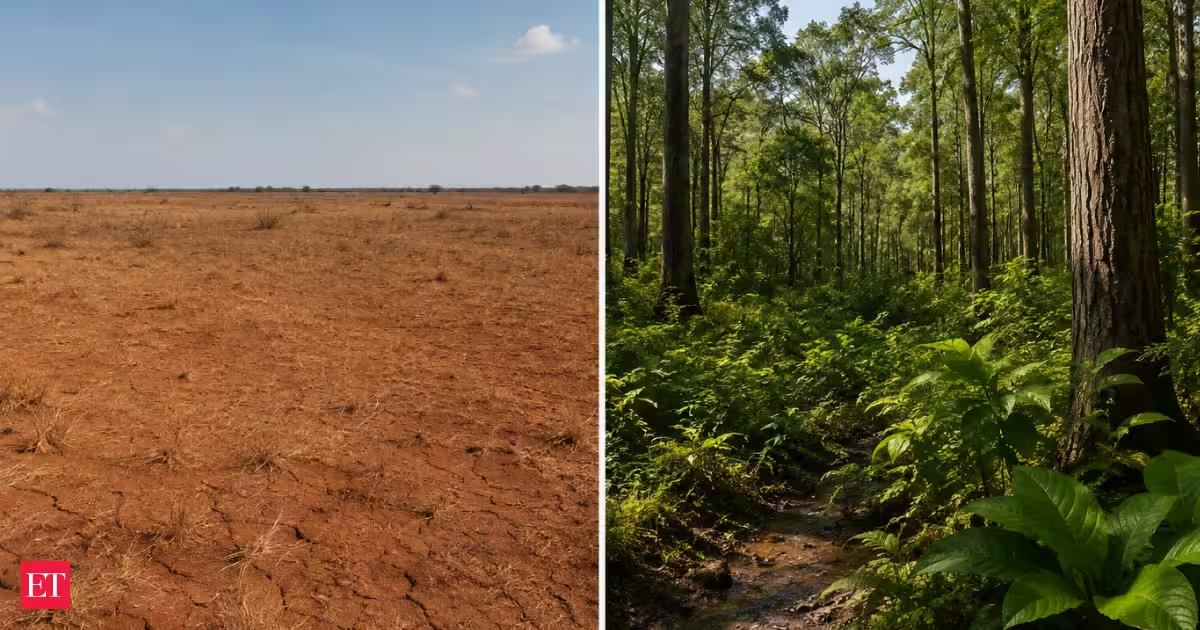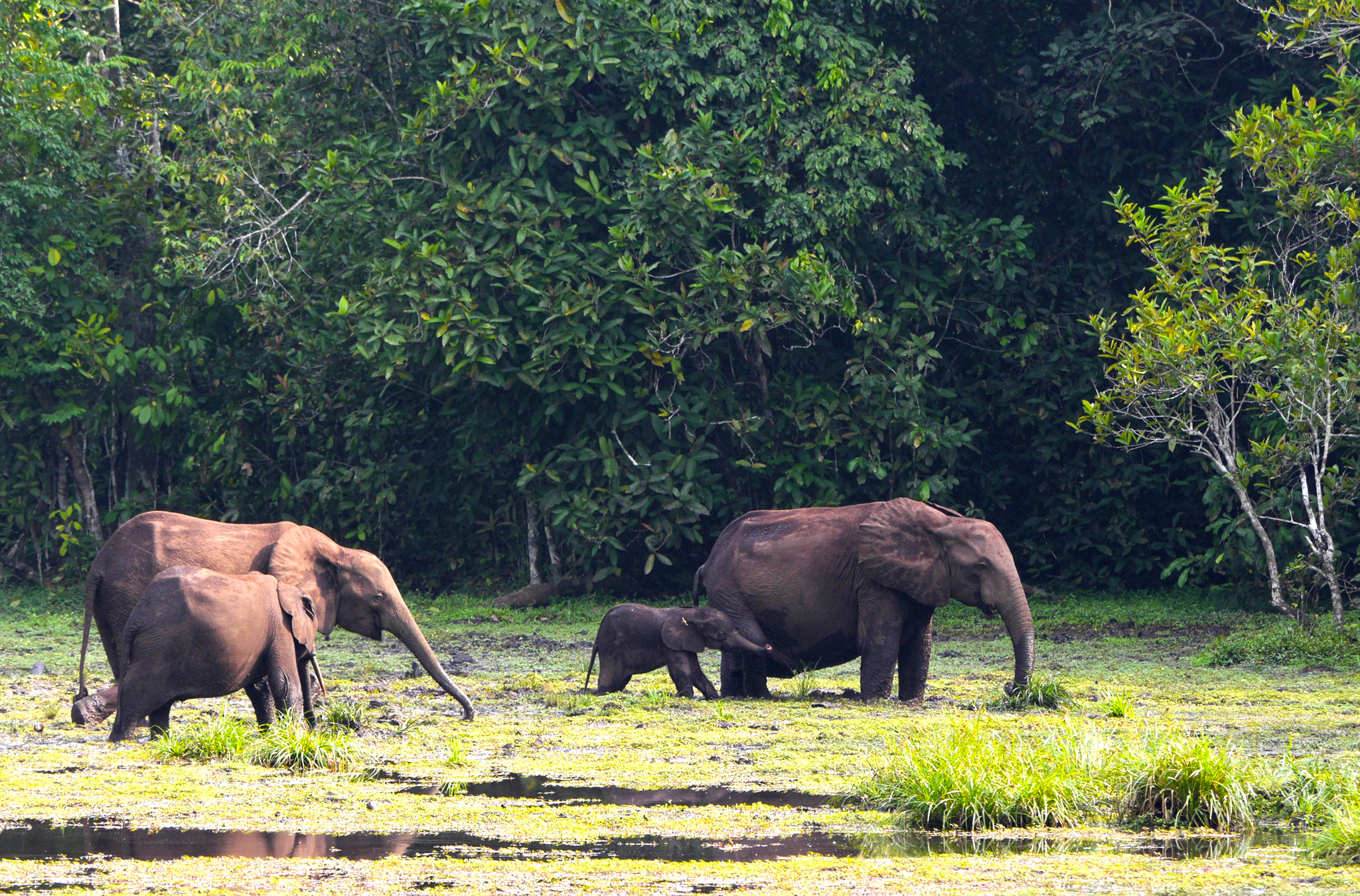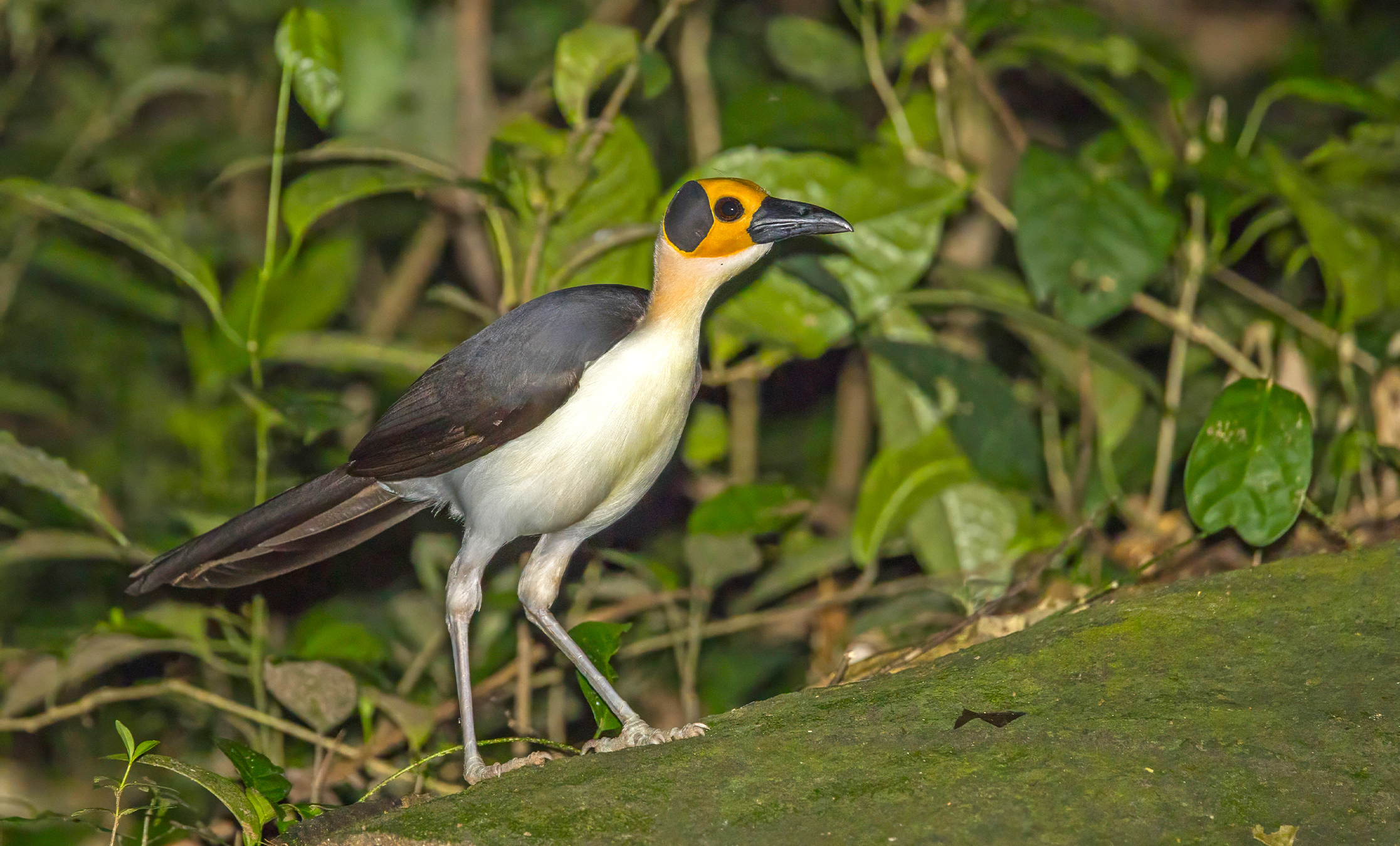
A study conducted in Sierra Leone’s Gola Rainforest National Park found that the United Nations Reducing Emissions from Deforestation and forest Degradation (REDD+) financing program, set up to ensure that forests sequester carbon, also confers some benefits to the park’s animal biodiversity.Compared to a neighboring protected area without REDD+ funding and a bordering community-owned agroforestry area, the national park had higher soundscape saturation, a proxy for biodiversity. However, the authors also found that the agroforestry area had a higher diversity of insects than the two other study areas.The study emphasizes that carbon financing programs can provide benefits outside of storing carbon, but experts also highlight that it shows that on-the-ground monitoring can be cheaply, effectively added to programs like REDD+ to help better conserve forests as whole ecosystems.
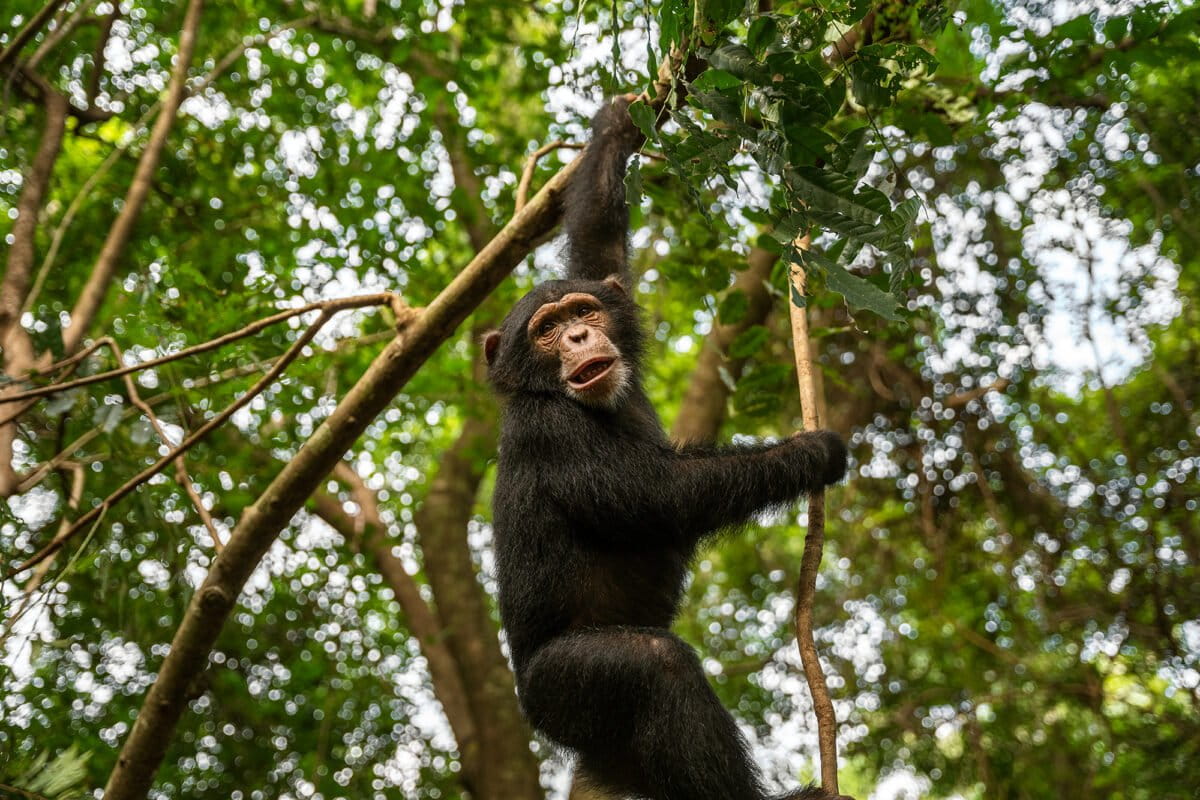
One of the first things H.S. Sathya Chandra Sagar noticed in Gola Rainforest National Park was its profusion of sound. Standing amid the tallest trees he’d ever seen, Sagar could hear the calls of countless birds, the hoot of primates, and in the distance, drumming: chimpanzees, beating fists and sticks on tree roots to check in with faraway friends.