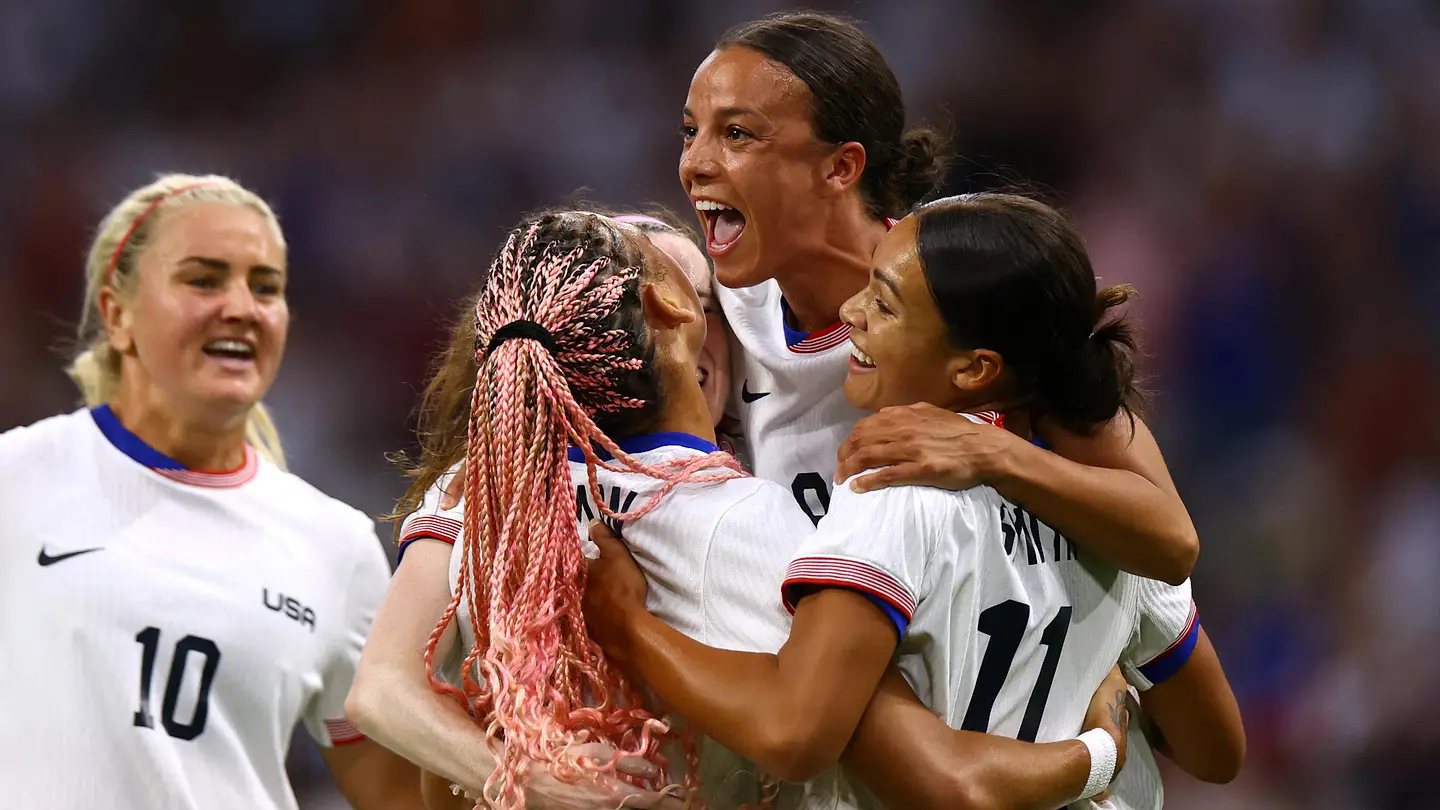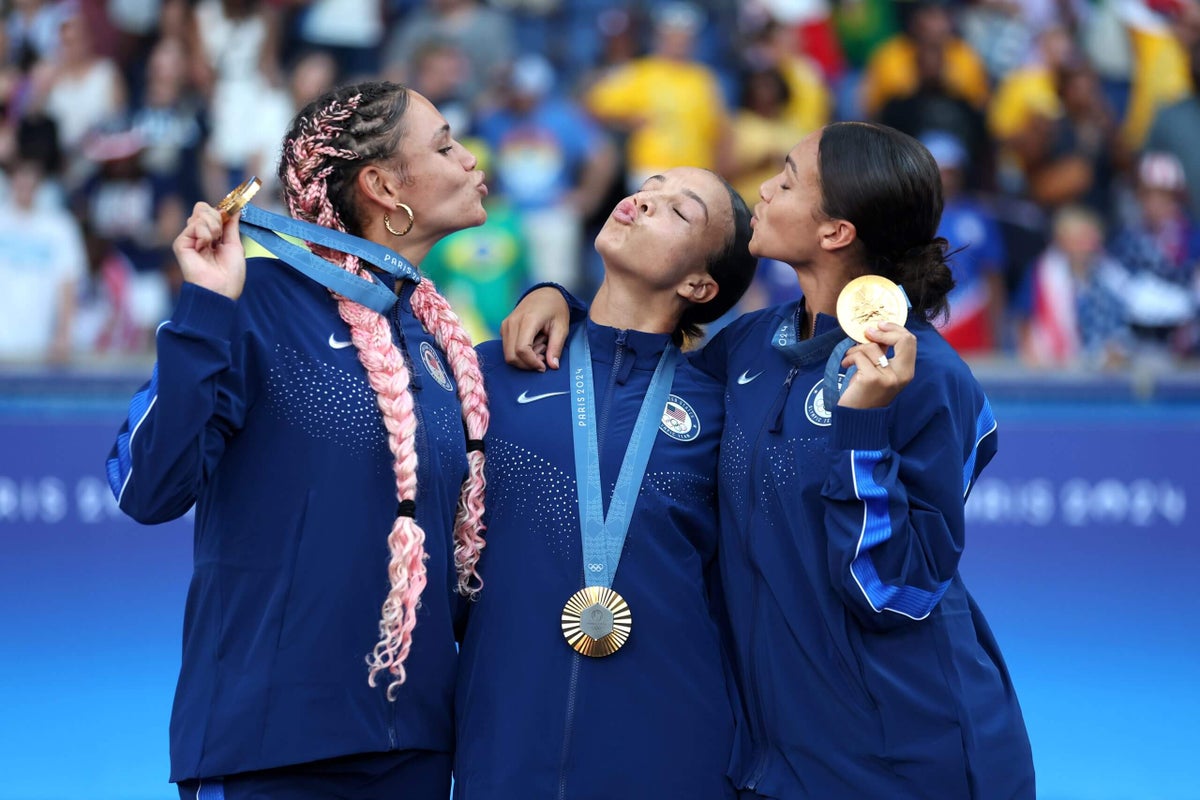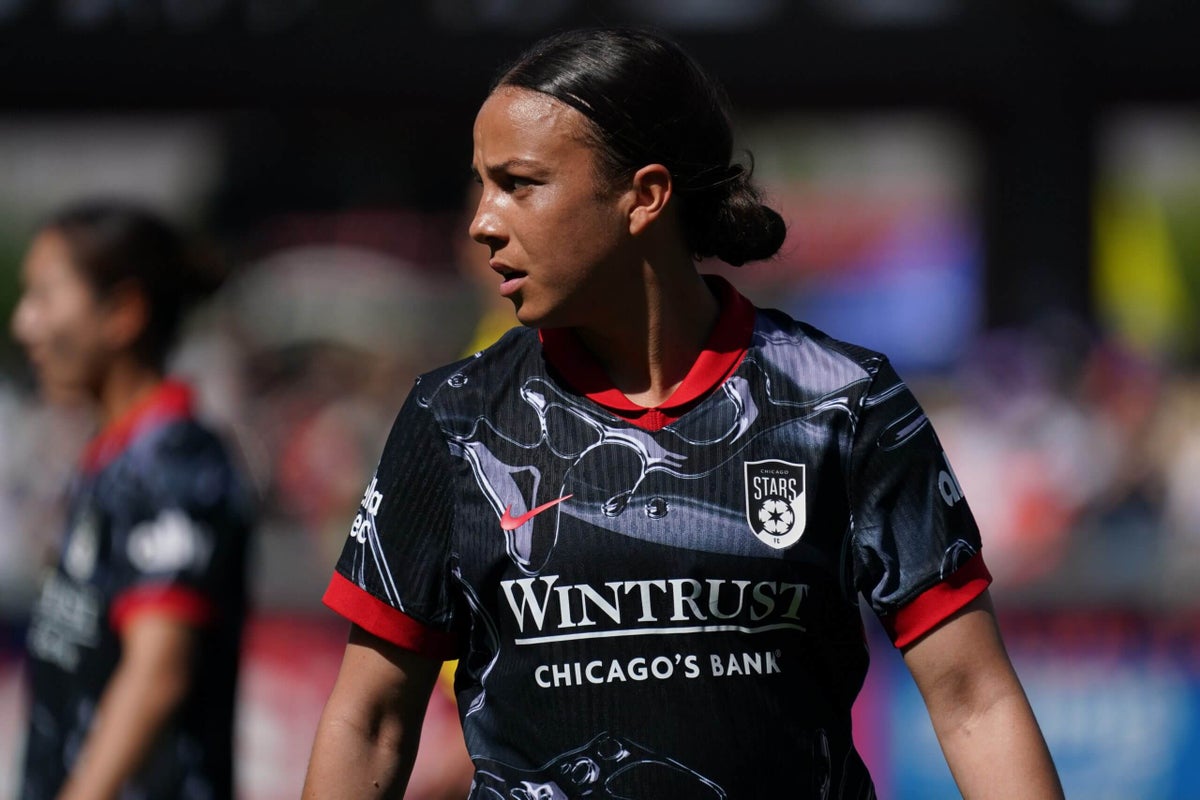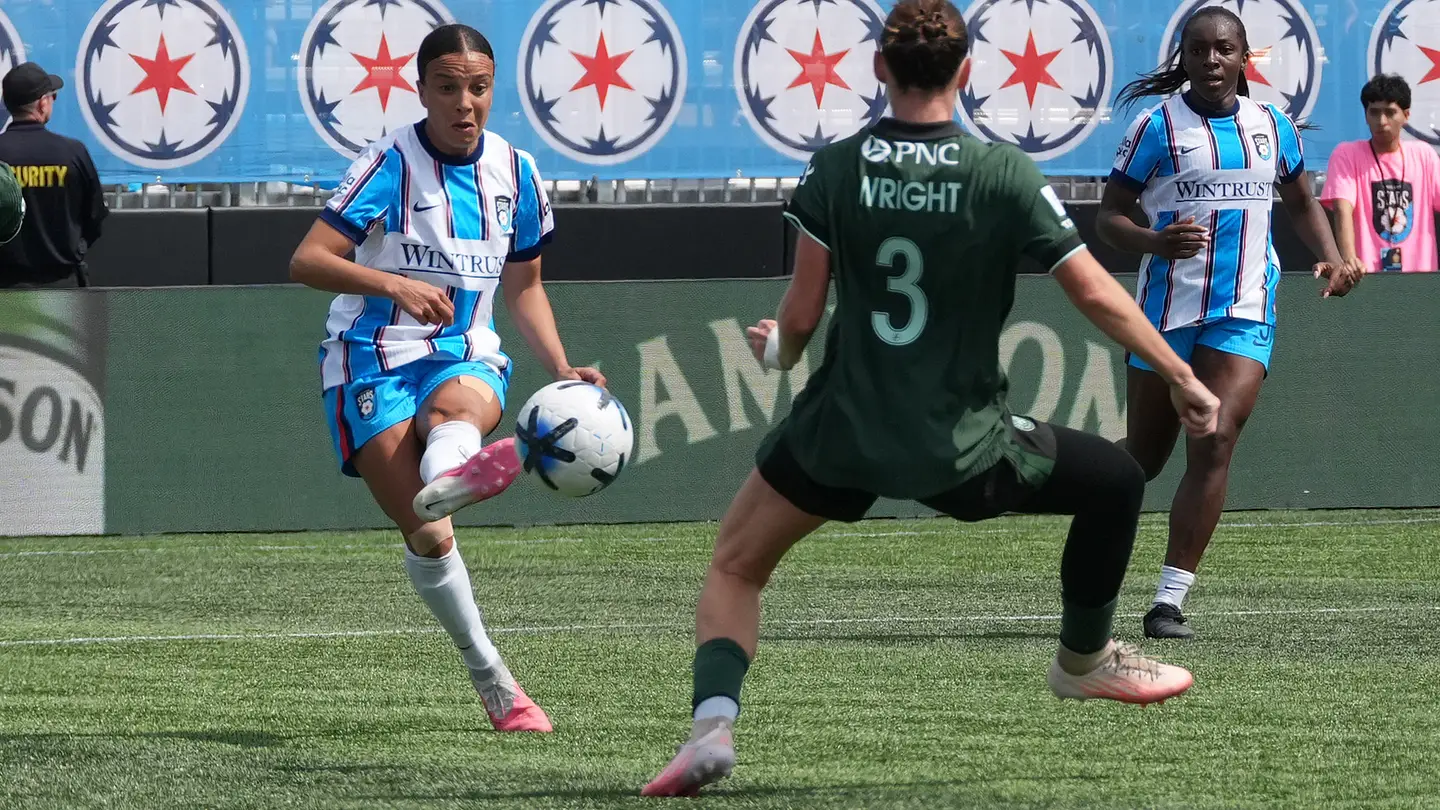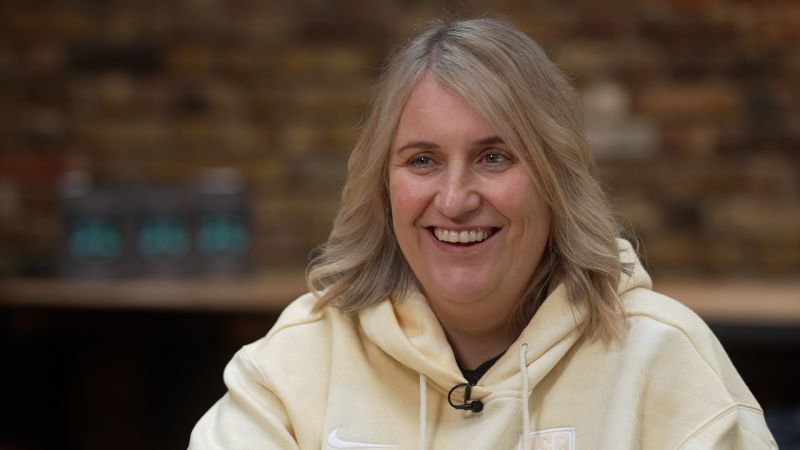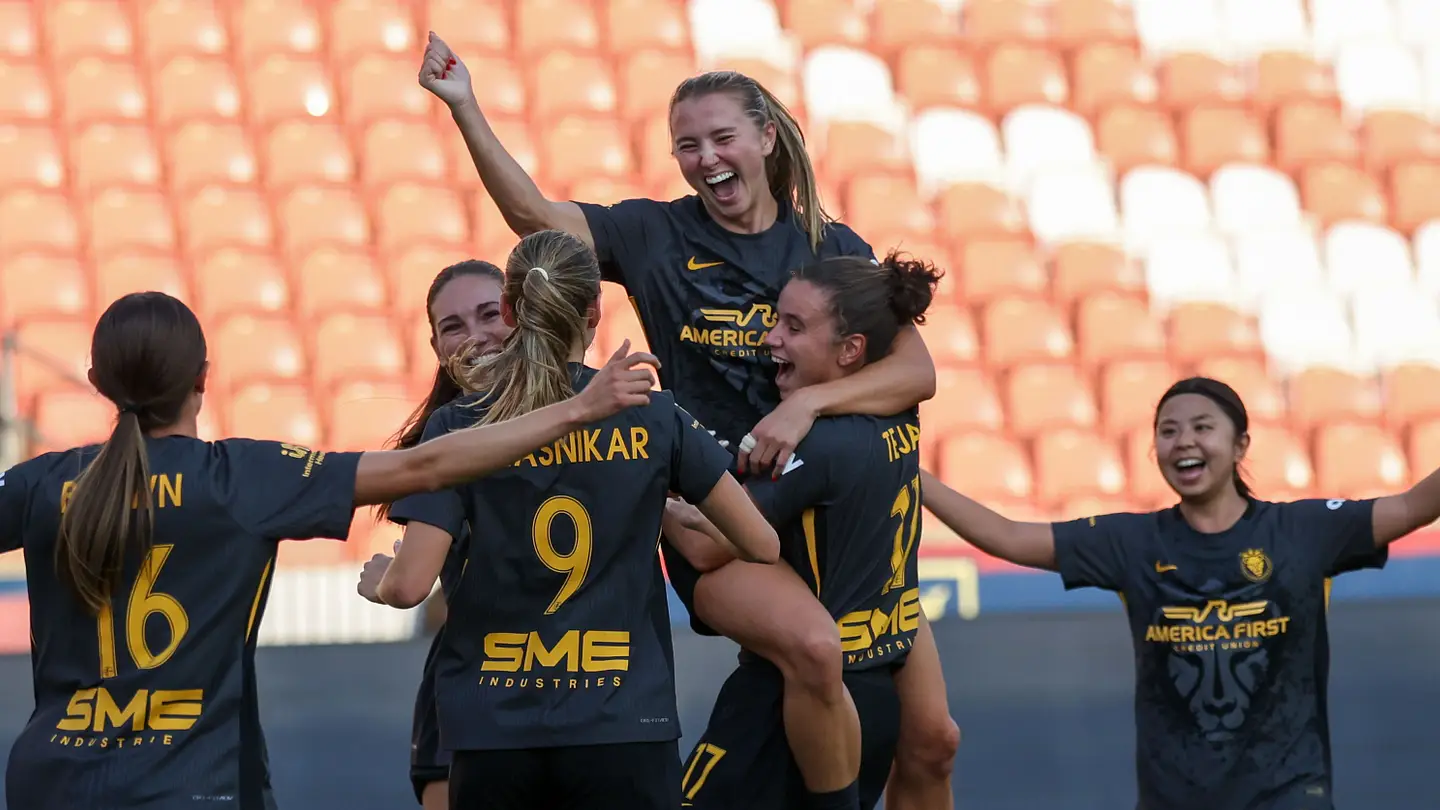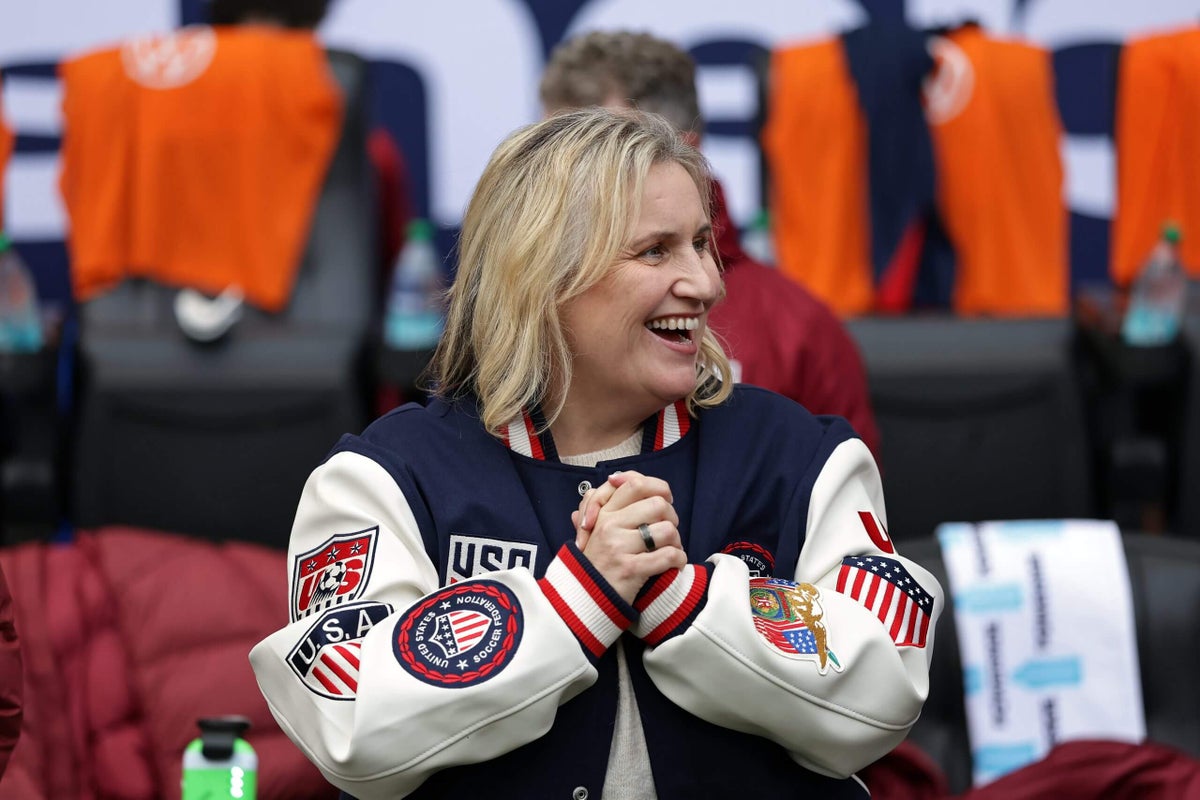
When Emma Hayes announced the latest U.S. women’s national team roster on Tuesday, the headline naturally centered around the reunion of “Triple Espresso,” the star forwards Trinity Rodman, Sophia Wilson and Mallory Swanson, back together for the first time since helping the United States win Olympic gold in Paris in 2024. But the bigger story is not simply about goals, chemistry or whether the iconic front three still represents the U.S.’s most dangerous attacking trio heading into World Cup qualifying. It is about motherhood.Wilson and Swanson are now navigating life as new mothers while trying to reintegrate into one of the most demanding environments in international soccer. Hayes made it clear Wednesday that supporting them through that process is not separate from coaching, it is part of the job.“I think sometimes as women we have to talk about it more positively,” Hayes said. “I do value being a role model in that regard, because for too long, too many women, if they so choose to have children, found it very difficult to maybe go back to work or didn’t feel they had the support or the expertise, and I am more than happy to do those things, but I am also happy to make tough decisions, like I don’t have to be one or the other.”That support matters during the team’s transitional period ahead of the 2027 FIFA Women’s World Cup in Brazil. Injuries to players like Naomi Girma, Sam Coffey and Catarina Macario opened roster spots this window, while players like Croix Bethune and Riley Jackson continue pushing into the picture.“We absolutely have to put the very best players together with every opportunity that we have,” Hayes said. “But the circumstances are slightly different now.”The June camp in Brazil marks the first time Rodman, Wilson and Swanson have shared a roster since Aug. 10, 2024, when Swanson scored the winner in the Olympic final against Brazil.Since then, things have changed dramatically.Trinity Rodman, Sophia Wilson and Mallory Swanson headlined the U.S. frontline during the 2024 Paris Games. (Brad Smith / Getty Images).Both Wilson and Swanson stepped away from her club and national team responsibilities after Paris. Wilson gave birth to her daughter Gianna in September 2025. Two months later, Swanson was in the delivery room, giving birth to her daughter, Josie. Both players got back to training almost simultaneously for the new NWSL season but their actual reintegration to play happened at different times. While Wilson returned to club and national team action in March, Swanson only recently returned to the pitch with the Chicago Stars two weeks ago. The following week, she scored in the Stars’ 1-0 victory over a nine-player Bay FC.Hayes acknowledged that reintegration involves far more than simply evaluating fitness levels.“You cannot underestimate” the emotional side of returning, Hayes said of Wilson’s comeback earlier this year. “How nervous she was coming into camp, and how disappointed she felt when she didn’t score.”Hayes compared the postpartum process to a lengthy injury recovery, emphasizing that expectations around immediate dominance are often unrealistic.“When people have been out having an ACL for 12 months, it doesn’t just go straight back to that level,” Hayes said. “That’s why I think for these players we have to give them time.”Sophia Wilson returned to soccer earlier this year, scoring four goals for the Portland Thorns thus far. (Brad Smith / Getty Images)Swanson’s road back has looked different from Wilson’s, but Hayes said constant communication between player and coach helped shape the process.“She really feels she’s in a good rhythm now with Josie,” Hayes said. “It’s all the things that sometimes we don’t really realize, sleeping patterns, feeding patterns. You have to get all of those things right.”Swanson’s return to the national team comes after almost two years. Hayes said there was never pressure placed on the forward to rush back before she felt ready.“She knows that she’s got my full support, whatever she needs,” Hayes said. “As much as I wanted to bring her to this camp, I fully respected that if she wasn’t ready for that, then we wouldn’t have done that either.”That approach reflects a broader evolution happening around the USWNT and women’s sports more generally. Pregnancy and motherhood were once viewed as interruptions to elite careers. Increasingly, federations, clubs and sponsors are building infrastructure around players who want both motherhood and longevity in the sport, especially in the U.S. with the most recent collective bargaining agreement the NWSLPA pushed for. Hayes repeatedly praised the support systems surrounding Wilson and Swanson, citing collaboration between clubs, U.S. Soccer and sponsors like Nike.“We’re blessed that we do have an environment that supports pre- and postnatal pregnant players,” Hayes said.The England-born coach also pushed back against the lingering notion that supporting mothers somehow compromises competitiveness.Mallory Swanson was called up to the U.S. roster for the first time since her recent pregnancy. (Brad Smith / Getty Images)“I can love seeing their children, and I can love being their manager all at once,” Hayes said. “I don’t compromise what I do as a coach, but I also enjoy being a good human being.“I’m like a grandparent more than I’d say an auntie,” Hayes joked. “I love children. … It doesn’t mean that I don’t. You can feel multiple things at once. I tell people this all of the time. I can love seeing their children, and I can love being their manager all at once.”The comments highlighted one of the defining characteristics of Hayes’ early tenure with the USWNT: creating an environment that attempts to balance ruthless standards with humanity. Players routinely describe Hayes as demanding, blunt and tactically obsessive. Tuesday’s press conference — and her recent NWSL Road Trip — showed another side, one that views motherhood support not as a PR talking point, but as part of building a sustainable high-performance culture.The challenge now is rebuilding Wilson and Mallory’s connection to the rest of the roster, both tactically and personally, after nearly two years apart. “We have to start recreating their connections again,” Hayes said. “And I’m very, very excited for that.”Still, Hayes made clear that the Olympic-winning core has “credit in the bank.”“We won a gold medal with these players,” she said. “They are top, top players.”
Emma Hayes discusses her role in helping Sophia Wilson and Mallory Swanson return to the USWNT
The England-born coach pushed back against the lingering notion that supporting mothers somehow compromises competitiveness.
1,034 words~5 min read