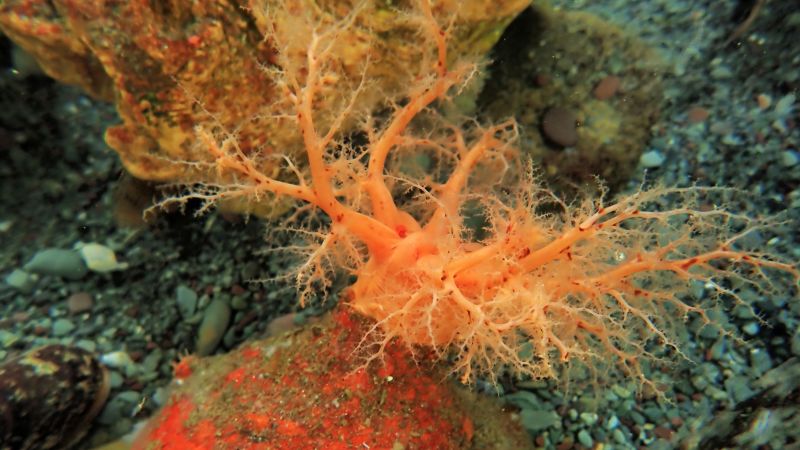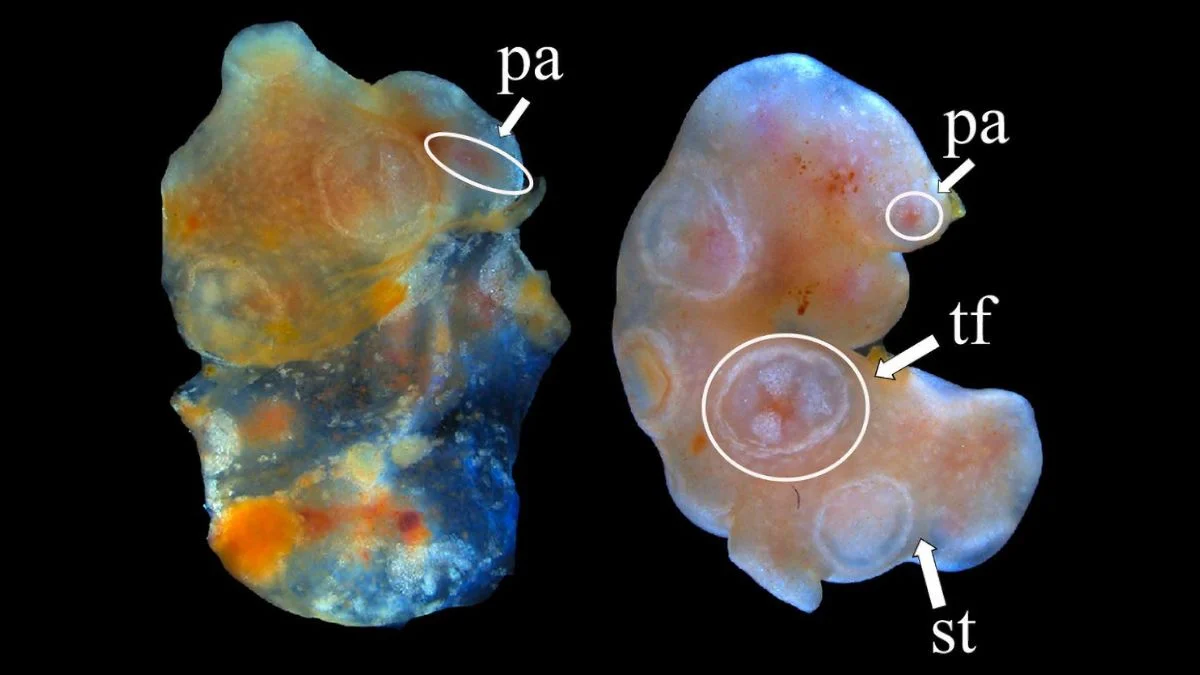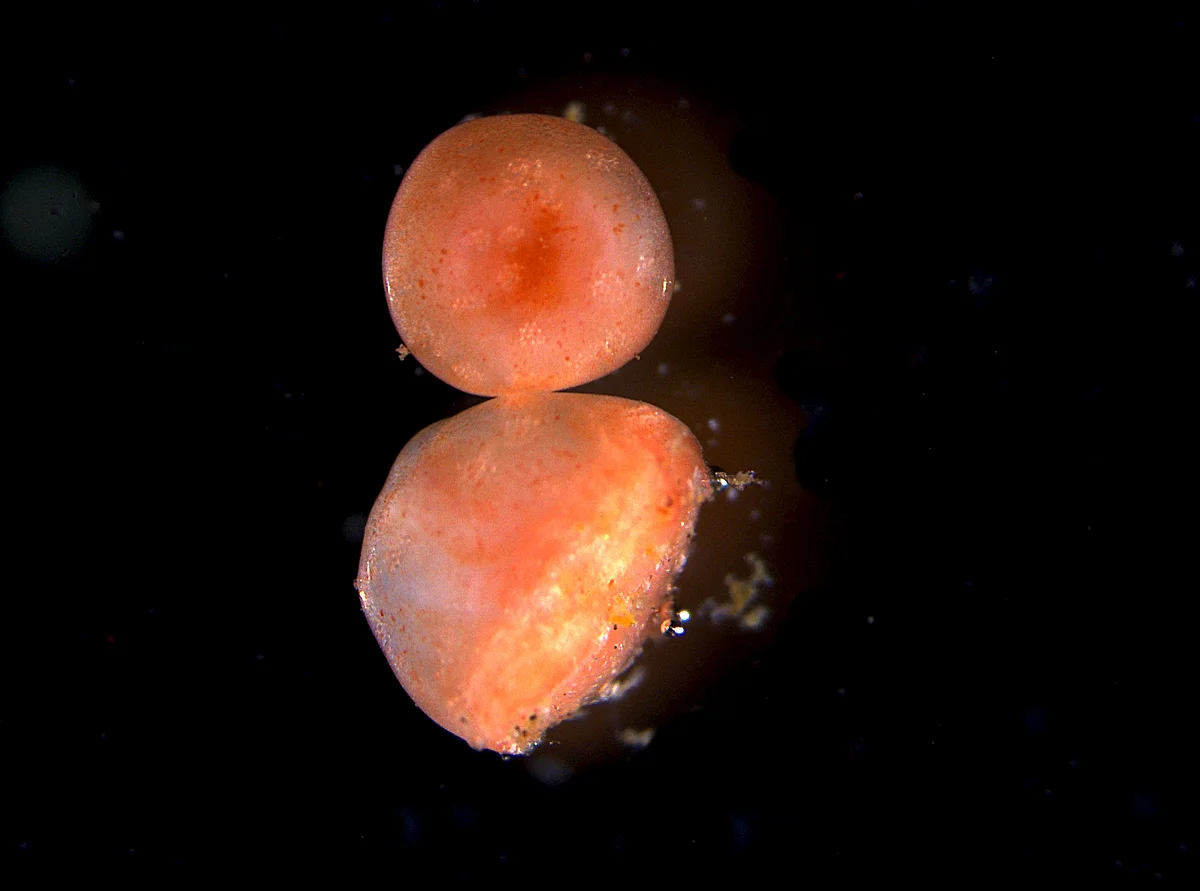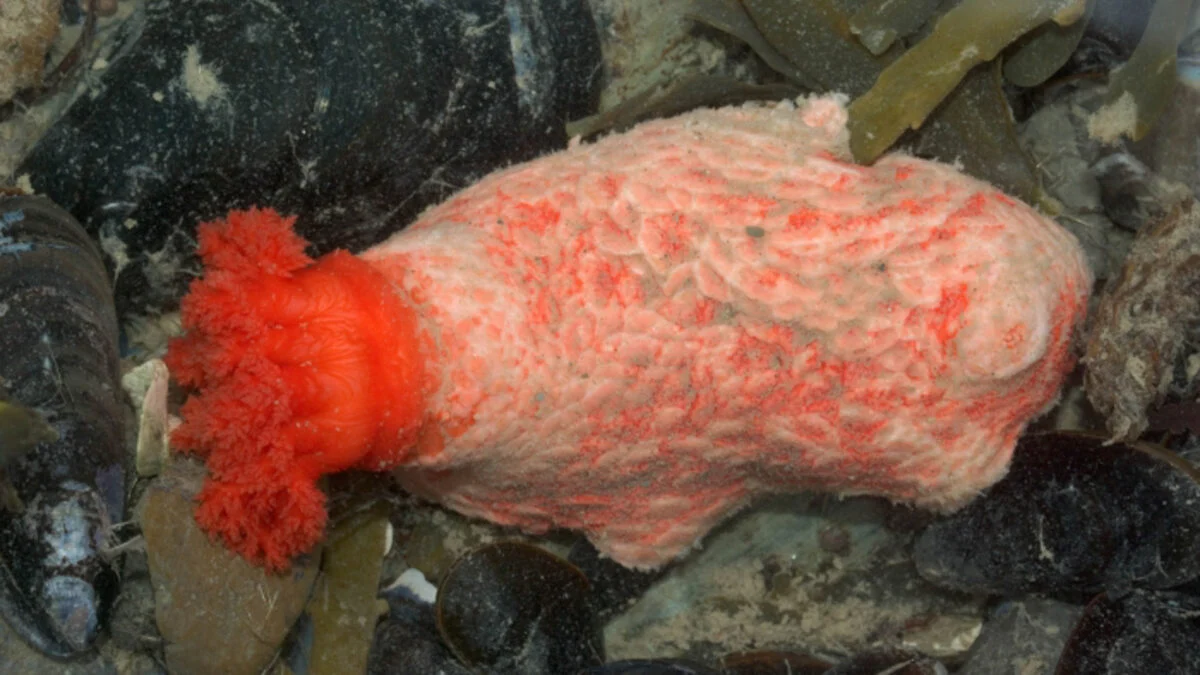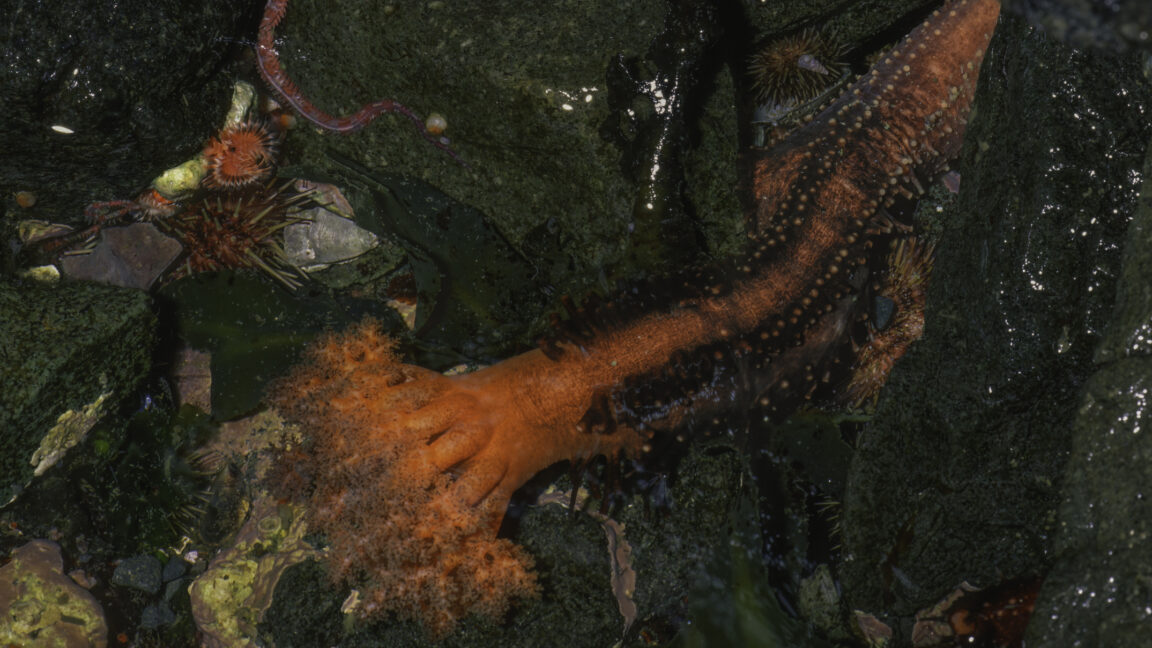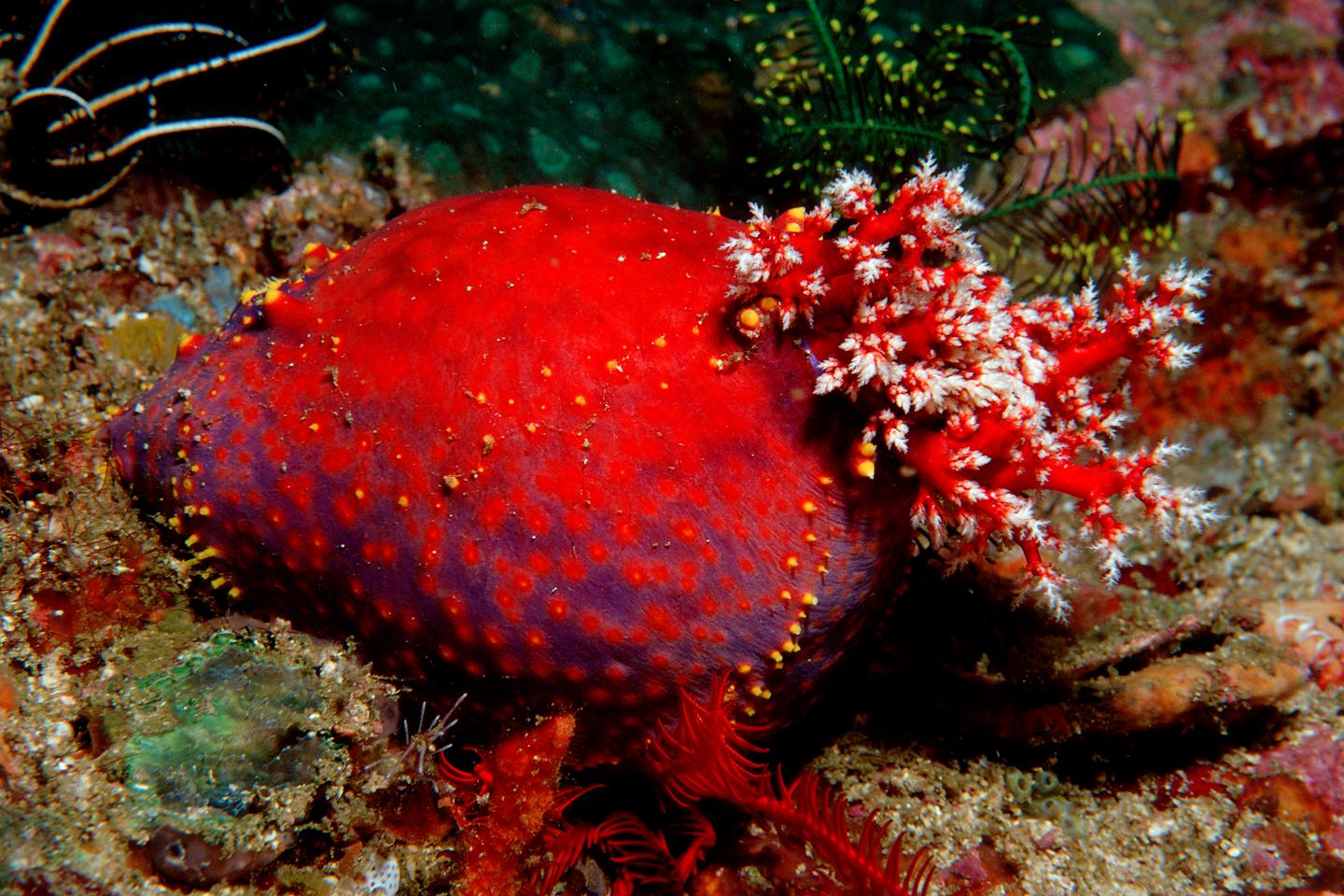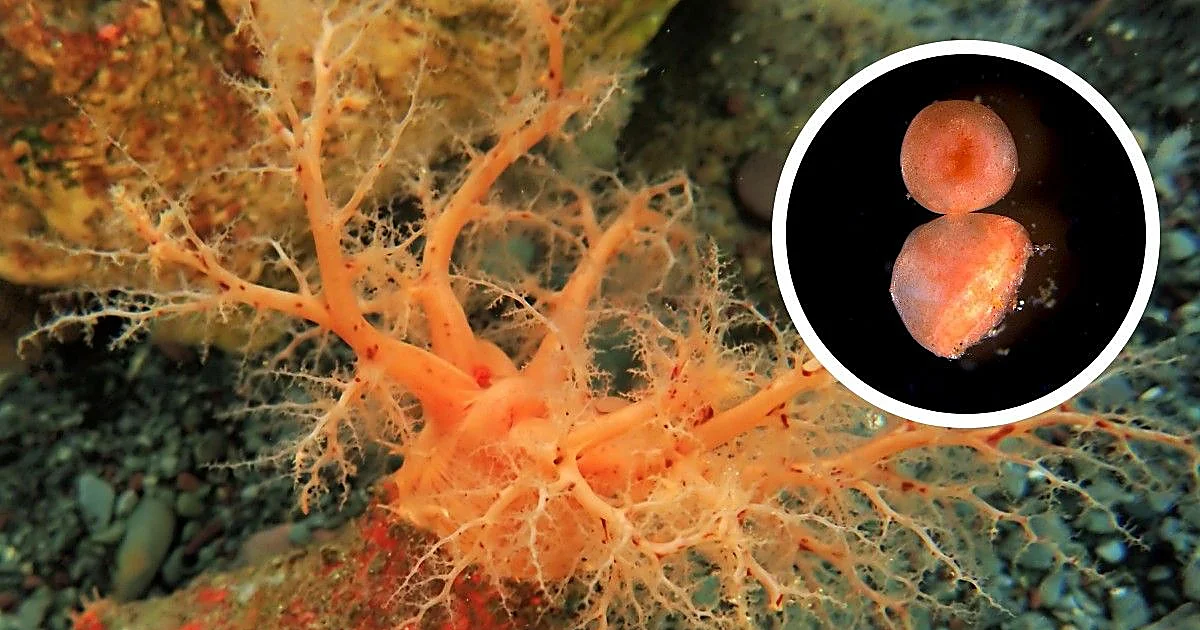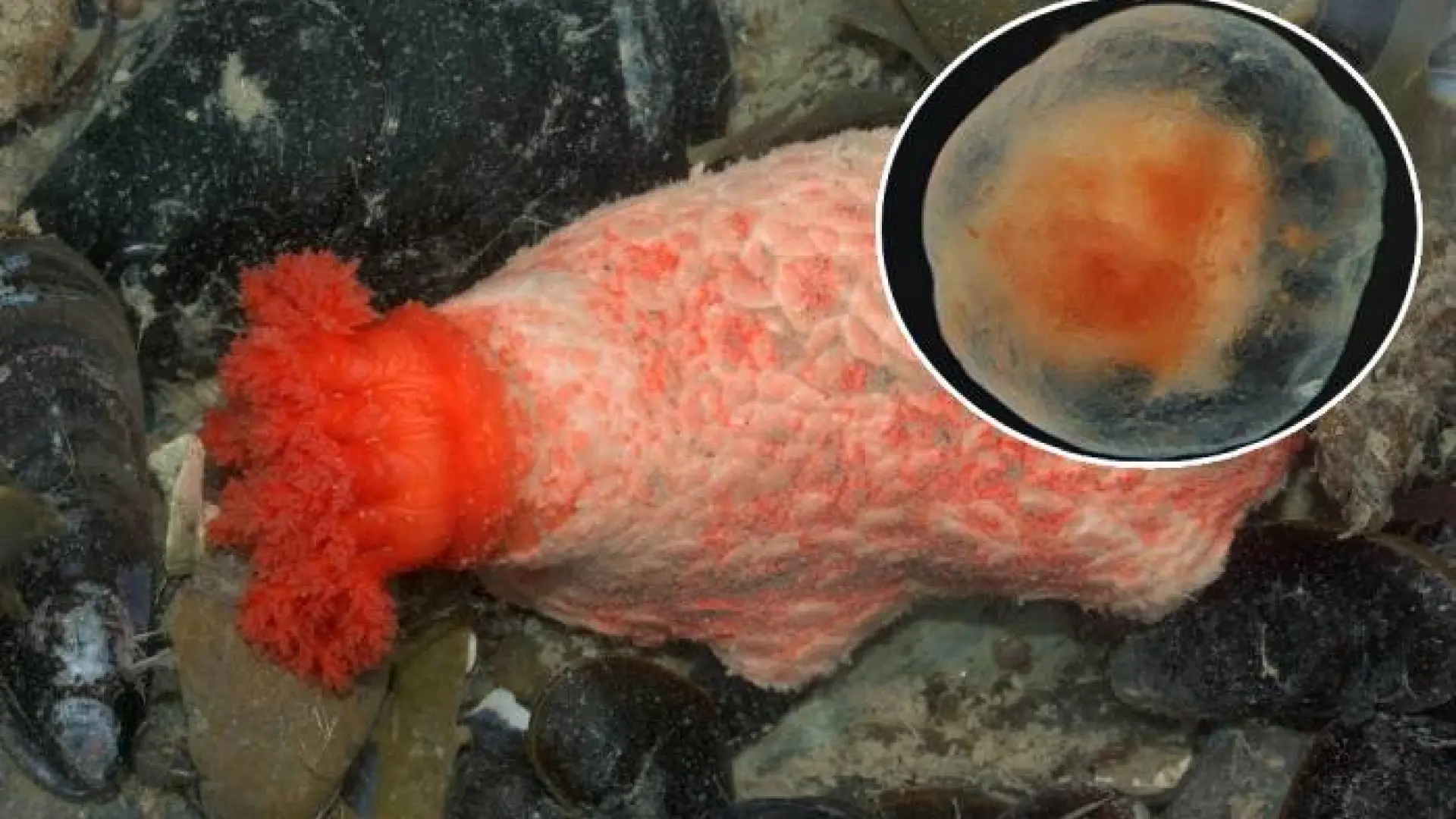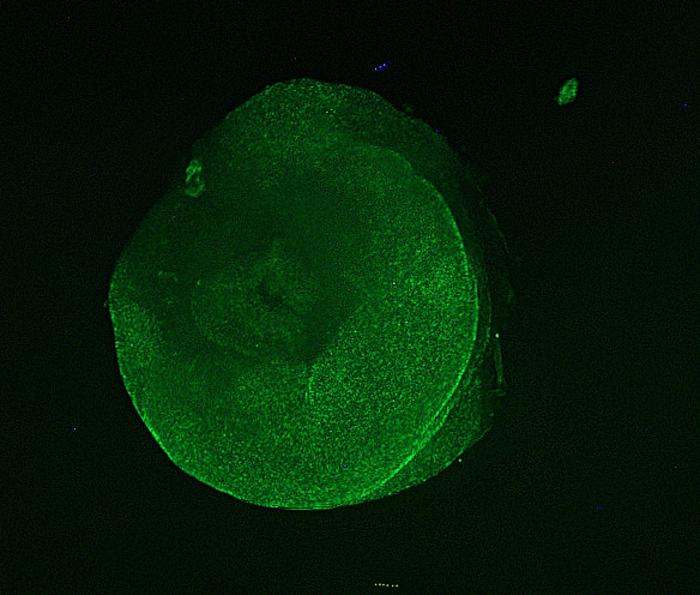
There was a time when living cells were thought to be innately immortal. Given the right conditions—bathing in a sterile, nutrient rich solution—cells could be kept alive and dividing indefinitely. Or so the theory went. Alexis Carrel, an eccentric early 20th century pioneer of tissue culture and Nobel Prize winner, was a big proponent of this idea, and claimed to have kept embryonic chicken heart cells alive in a stoppered flask for more than two decades. Unfortunately, his experiment was never able to be replicated—possibly because he was actually reseeding the cells when he fed them their culturing liquid.Featured VideoIt wasn’t until the 1960s that the idea of immortal cells was disproven. Still, there were some exceptions like stem cells and the famed HeLa line of cells derived from Henrietta Lacks’ cervical cancer, which continue to be used in research even 75 years later (and which were taken without her consent or knowledge, sparking an ethical debate that’s spanned decades). Now, according to research published today in Science Advances there’s another exception: a single species of sea cucumber. Read more: “The Immortality Hype”Marine biologists from Memorial University in Canada snipped tiny pieces off of the sea cucumber Psolus fabricii and placed them in dishes submerged in ordinary seawater (not a sterile nutrient bath). Then something remarkable happened. In just three days, the ragged wounds surrounding the tissue explants had closed, resolving into neat, clean edges. Six days later, the tissues reorganized themselves, with muscle cells degenerating and connective tissue growing. After months, the explants had completely changed, becoming spheres of connective tissue with small concentrations of red pigments inside. Somewhat miraculously, these little blobs of differentiated sea cucumber tissue lived like this for years. Tests showed they were absorbing nutrients from the seawater to fuel a frenzy of repair, regeneration, and immune activity, with specialized cells warding off microorganisms. While they didn’t transform into new sea cucumbers, they showed no signs of decline and some of them (taken from the sea cucumber’s tentacles) responded by moving when gently probed. The researchers called these odd life-forms “LiPfe” (living immortal P. fabricii explants), writing that their discovery “challenges the boundary between organismal life and cellular autonomy, compelling a redefinition of what it means for tissue to be alive.” That said, they don’t know why P. fabricii possesses this strange ability (explants from another sea cucumber species withered and died after being separated from their host). It could be to offer a sacrifice to hungry predators or merely an artifact of evolution. They just know that it doesn’t show any signs of ever stopping. Enjoying Nautilus? Subscribe to our free newsletter.Lead image: Sara Jobson (Mercier Lab, MUN)
Can Cells from a Sea Cucumber Live Forever?
Can Cells from a Sea Cucumber Live Forever?: What scientists are learning about immortality from a humble marine creature
444 words~2 min read