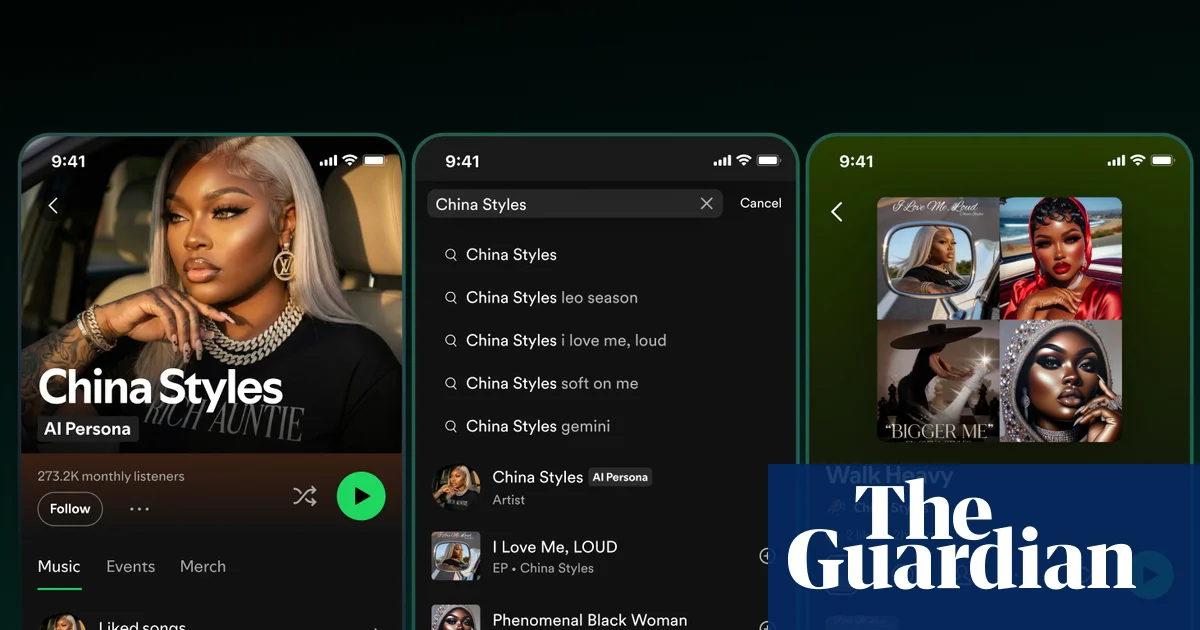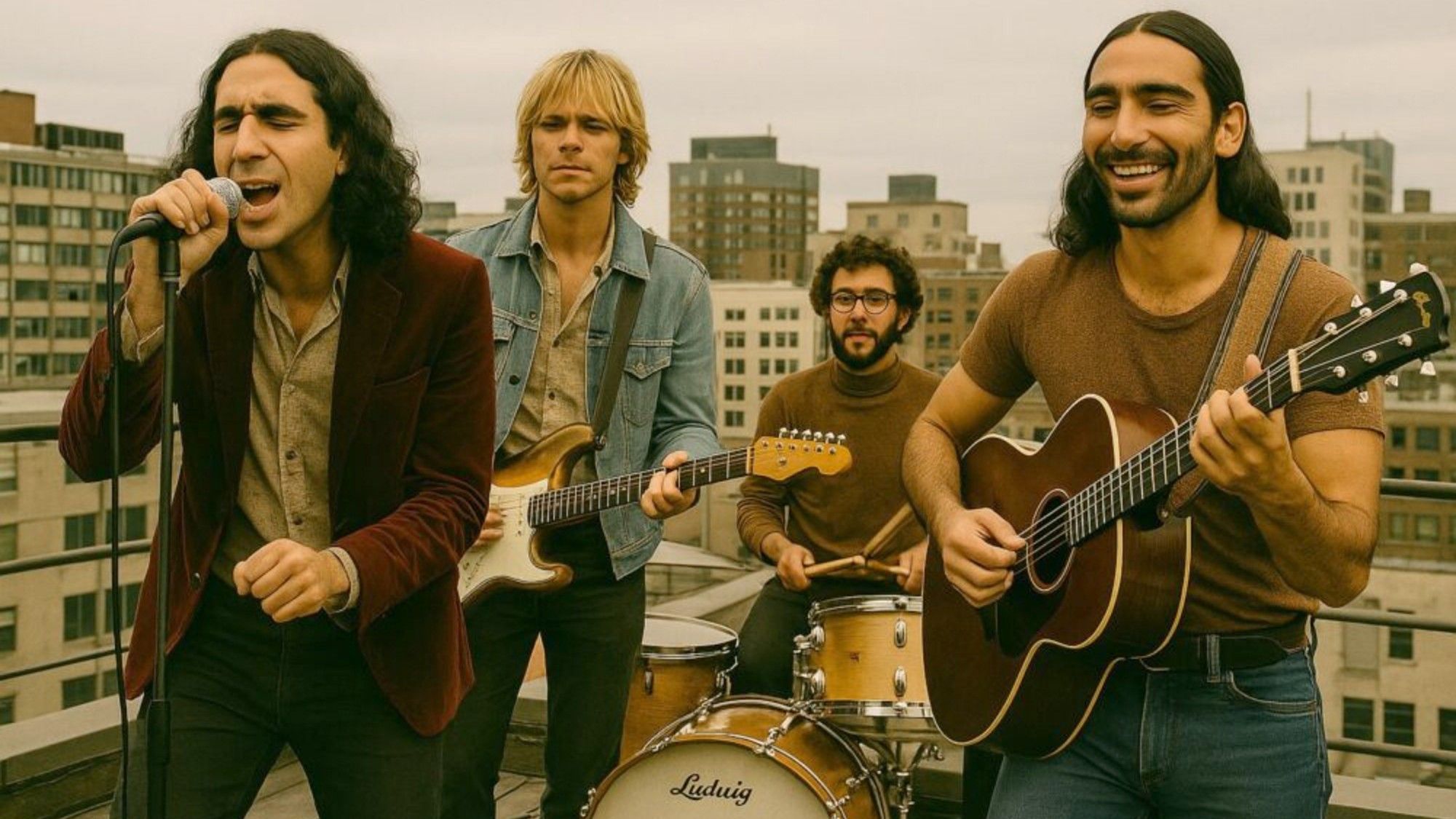
The “AI slopification of music” is here, said Ece Yildirim in Gizmodo. It’s gotten so difficult to decipher which songs are human-made and which are synthetically produced by artificial intelligence that Spotify, the world’s largest audio-streaming service, announced recently it’s going to append a “verification badge” on trusted artists’ pages. It stopped short, however, of an AI ban. That would have hurt outfits like the Velvet Sundown—an indie band that garnered millions of streams on Spotify last summer. Fans later learned that the group was “completely AI-generated,” including a phony album cover featuring the smiling faces of four fake members. Another music streaming platform, Deezer, reported recently that “44% of its daily uploads were AI-generated songs,” and an “overwhelming majority of people couldn’t tell AI-generated music apart from songs written and performed by actual humans.” Humans have been making music for 35,000 years. But AI could be about to end our run.Billboard allowing fake artists on its charts isn’t helping, said Peter A. Berry in Bloomberg. For 113 years, the music and entertainment brand has served as an “institutional gatekeeper,” and its rankings were always a “competition between human beings and the limits they naturally possess.” But in November, Billboard opened its hallowed charts to nonhumans for the first time, allowing streams of songs by AI performers like country music act Breaking Rust and R&B singer Xania Monet to count alongside Taylor Swift and Beyoncé. If Billboard wants to create a separate chart for AI creations, fine. But humans shouldn’t be “competing against machines” that can “generate abilities that aren’t naturally there.”
AI music: The fake artists filling up playlists
Is AI about to end music as we know it?
320 words~1 min read