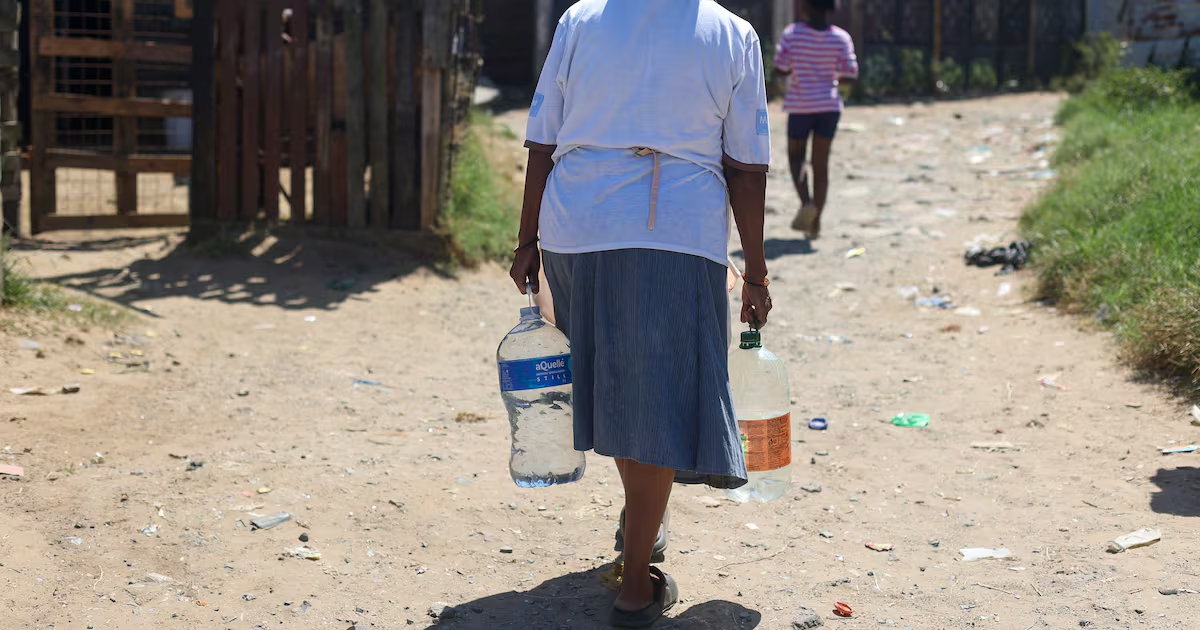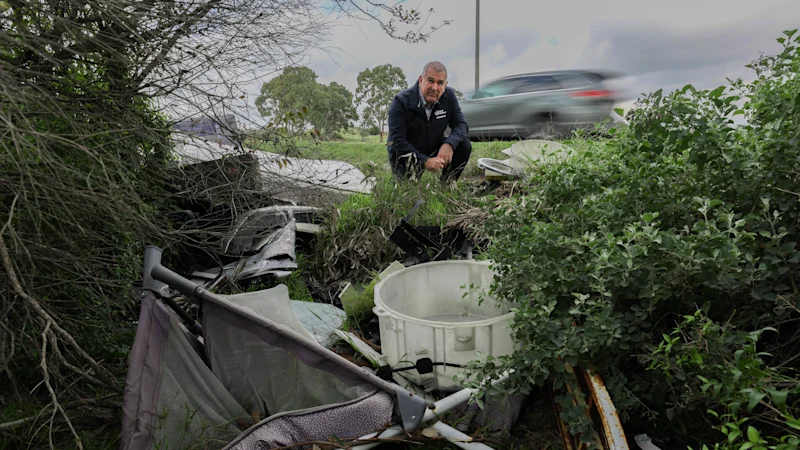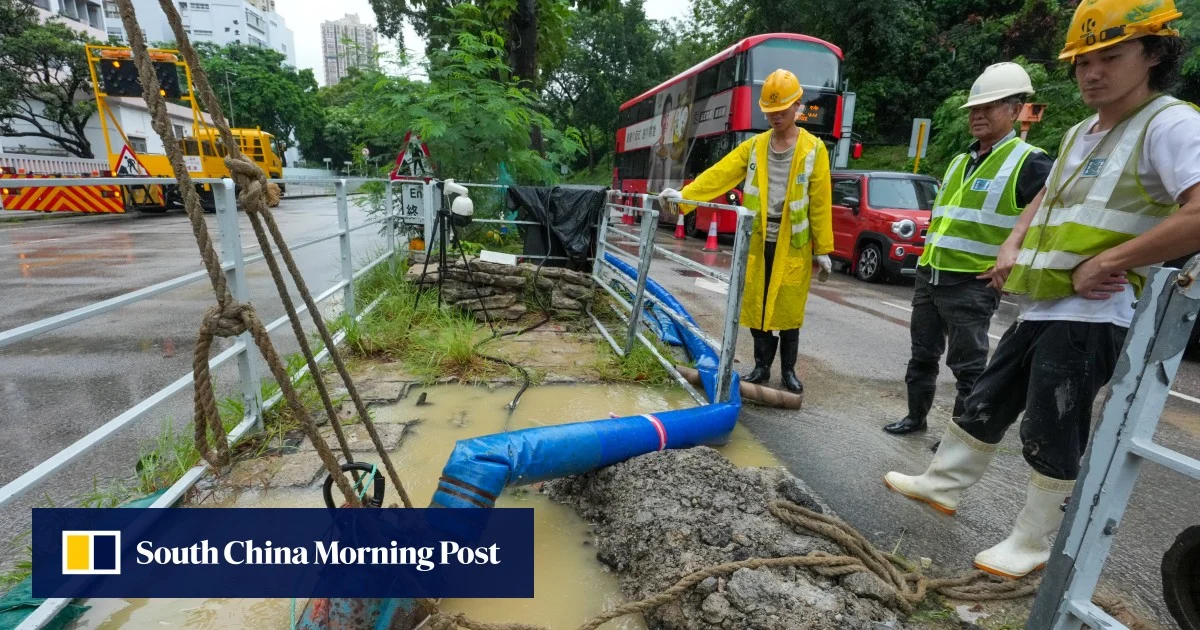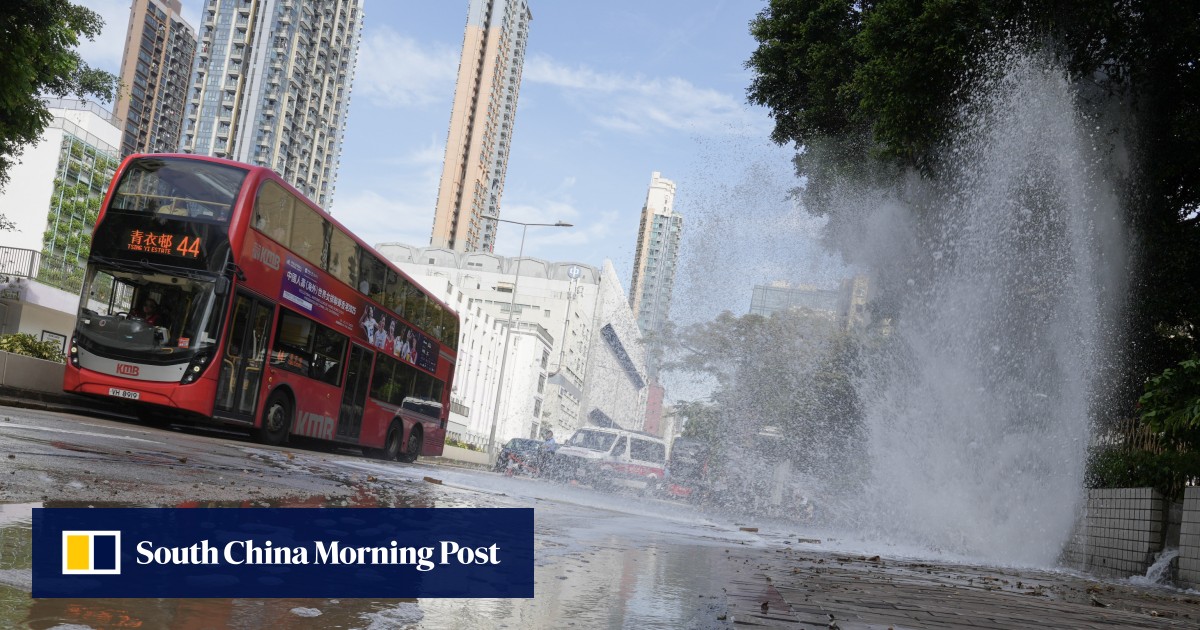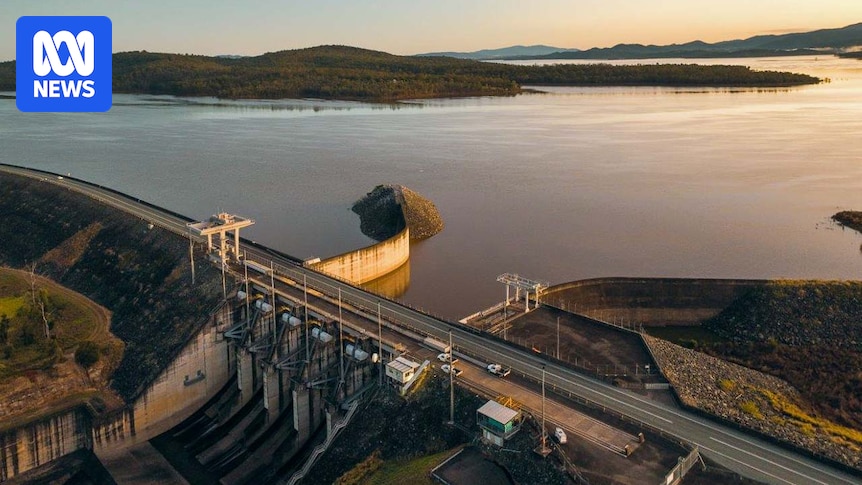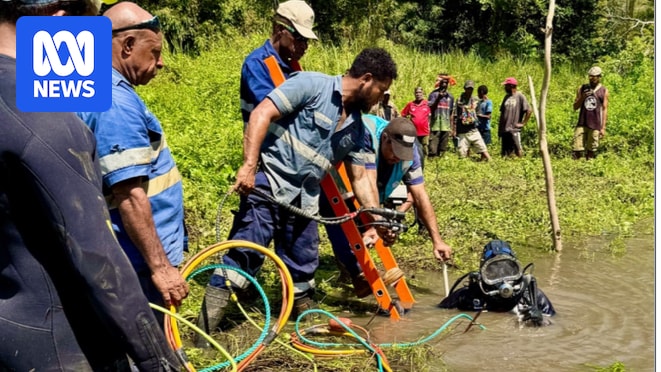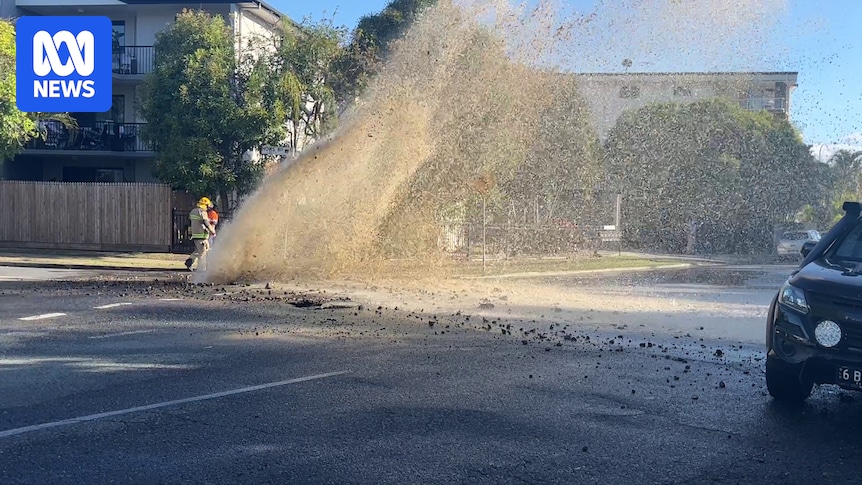
A water main bursts every 73 minutes in Queensland, new data has revealed, with local governments warning the state's pipe network has deteriorated to a "high-risk" condition.The report, released by Local Government Association of Queensland (LGAQ) today, calls for immediate action to address the 15 per cent of councils' treated water lost through pipe leaks and bursts over 2025.That's the equivalent to 52 Olympic-sized swimming pools every day.According to the report, the estimated cost to replace the pipes deemed urgent "short term renewal priorities" alone is $5 billion. The LAGQ says more than half the network is at or nearing the end of its useful life. Alison Smith is the CEO of the Local Government Association of Queensland. (ABC News: Hannah Walsh)When all local government owned water and wastewater infrastructure is considered, the estimated cost for replacement reaches $45.3 billion. Combined water and wastewater revenue in Queensland is currently estimated at below $3 billion per year.Calls for government fundingLGAQ said the ageing pipe infrastructure was a burden councils and ratepayers could not shoulder alone.Chief executive Alison Smith said the research showed a $5 billion funding shortfall for ongoing renewal work, and called on the state government to deliver dedicated funding for water and wastewater infrastructure in next month's state budget."Queensland councils for years have been ringing the bell on this issue," she said."Ten years ago they asked the LGAQ to do research to identify the state of the problem … that research showed that every 80 minutes somewhere across the state a water pipe would burst. Now here we are in 2026 and our research is clearly showing that the problem is worsening."The responsibilities keep growing every year, but the level of funding does not."Ms Smith said funding should support councils to fund proactive and ongoing pipe maintenance."It's like if you were driving a car, making sure you're servicing it regularly, changing the oil, changing the water, checking on the brakes," she said."Queenslanders expect to have water coming out of the taps every time they turn them on, so with this research, it's a great way to say to the state government, 'Queensland councils are here to partner together with you'.Water was turned off for hundreds of homes when Wynnum Road in Tingalpa flooded after a water main burst earlier this year. (ABC News)"Let's work together in an ongoing maintenance program that is adequately funded."The state government has previously said it is "investing billions of dollars to support Queensland councils to deliver residential water infrastructure".How are Queensland's water networks managed?Unlike other parts of Australia, in Queensland, about 90 per cent of councils directly manage water and wastewater networks for their communities.The remaining 10 per cent do so via council-owned water utilities.As there is no dedicated funding source for water and wastewater infrastructure projects in Queensland, the state government has previously suggested the pipe networks should be managed under the Residential Activation Fund, Works For Queensland fund and Betterment funding.Those funding initiatives target infrastructure generally, spread across councils' entire asset portfolios. This can include roads, bridges, buildings, parks and more.The LGAQ's latest report, The Last Drop, examines Queensland's 'infrastructure cliff'. (ABC News: Hannah Walsh)The LGAQ report states emergency repairs are "significantly more expensive" than proactive maintenance, with factors including overtime labour, call-out premiums and long distance travel proliferating the bill. As construction and labour costs increase and 42 per cent of Queensland councils projected to lose population, the financial burden is being passed on to ratepayers, according to the report.Quilpie Shire Mayor Ben Hall is experiencing the challenge first hand, as his council works to upgrade Quilpie's 1938 sewerage plant with no dedicated state funding."We were one of the first sewered towns in the Commonwealth, which we champion, but that's a long time ago," Cr Hall said. "We're looking out for the funding for that but it's just not coming."Quilpie Shire Mayor Ben Hall is calling for an effective weather monitoring radar in south west Queensland (ABC News: Grace Nakamura)He said the region's water infrastructure was the "number one issue" that kept him up at night. Cr Hall said he had seen an escalation in infrastructure damage, especially in the region's more remote towns."If it goes out on a Friday afternoon, we've got to mobilise a crew over the weekend, it's exorbitant the cost we have got to go through to reconnect the supply to that town."The last time this research was conducted was in 2018, with modelling at the time suggesting if "business as usual practices" continued, Queensland would experience an acceleration in pipe bursts and breaks as the network continued to age.
A pipe bursts every 73 minutes in Qld, report warns situation set to worsen
Queensland councils are calling for more state funding to update the state's pipe network, which they say has deteriorated to a high-risk condition.
763 words~3 min read