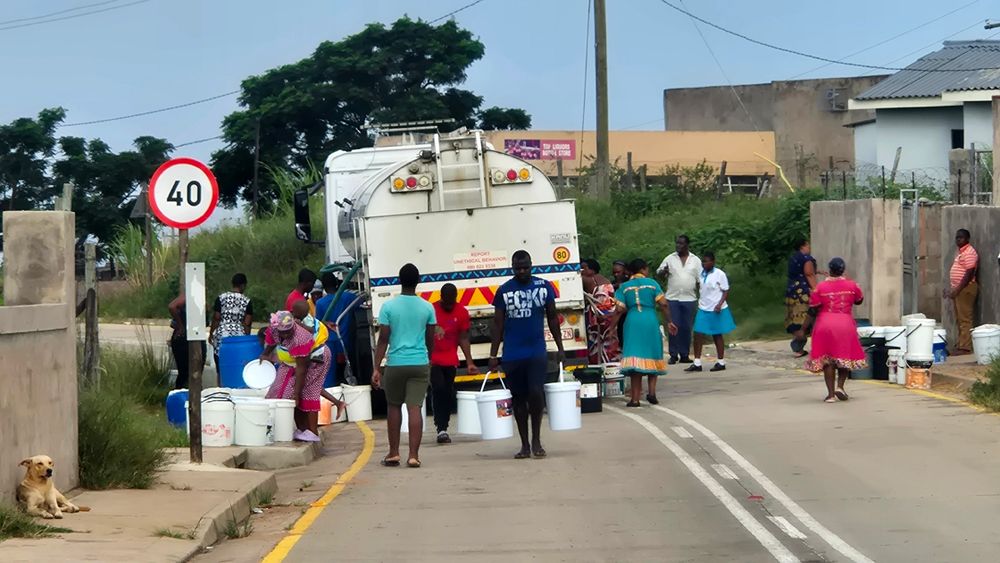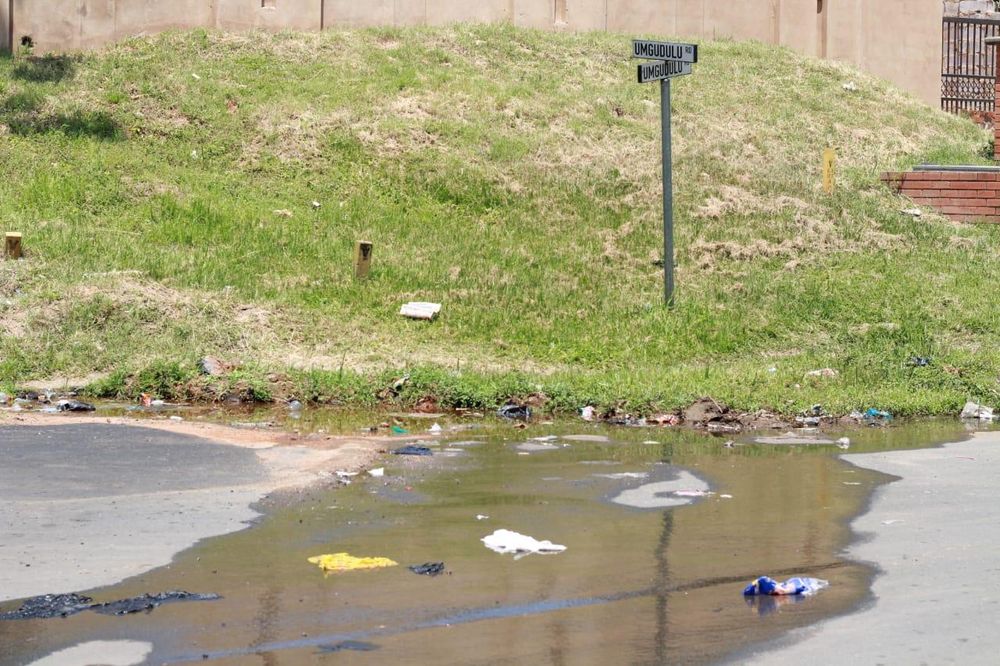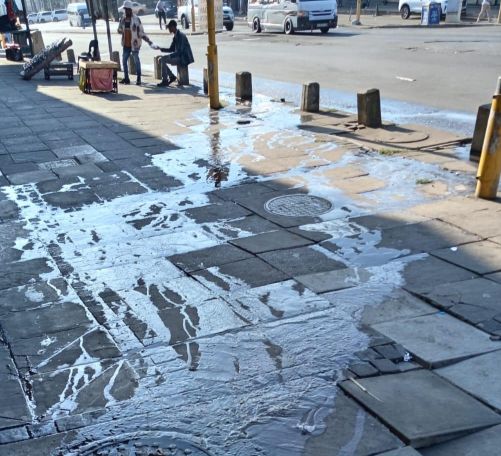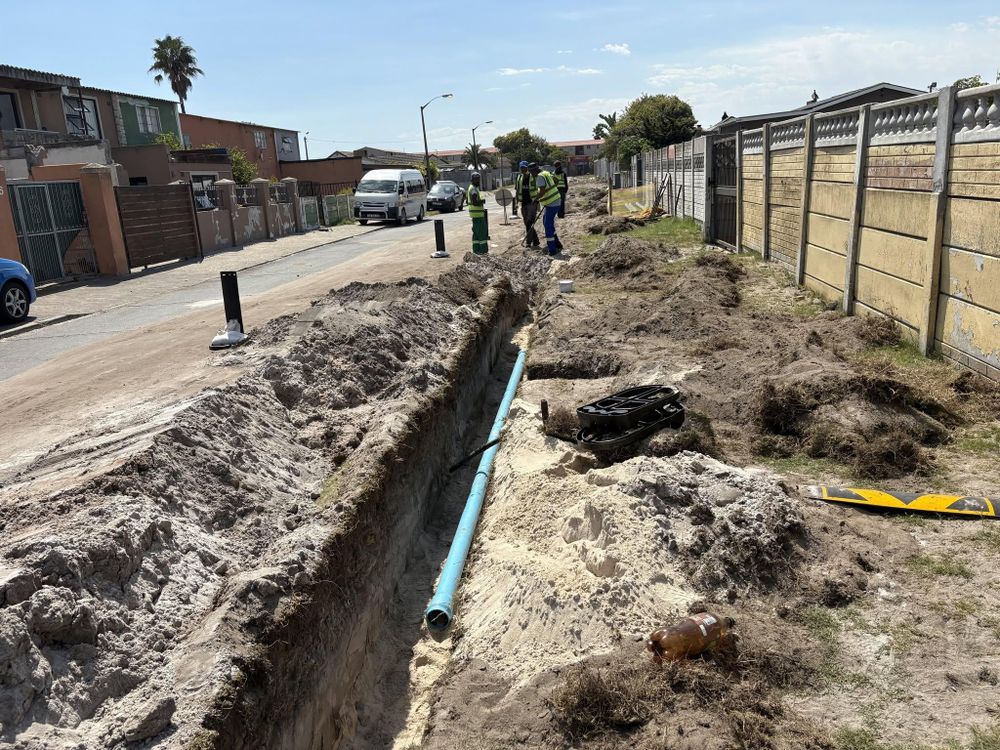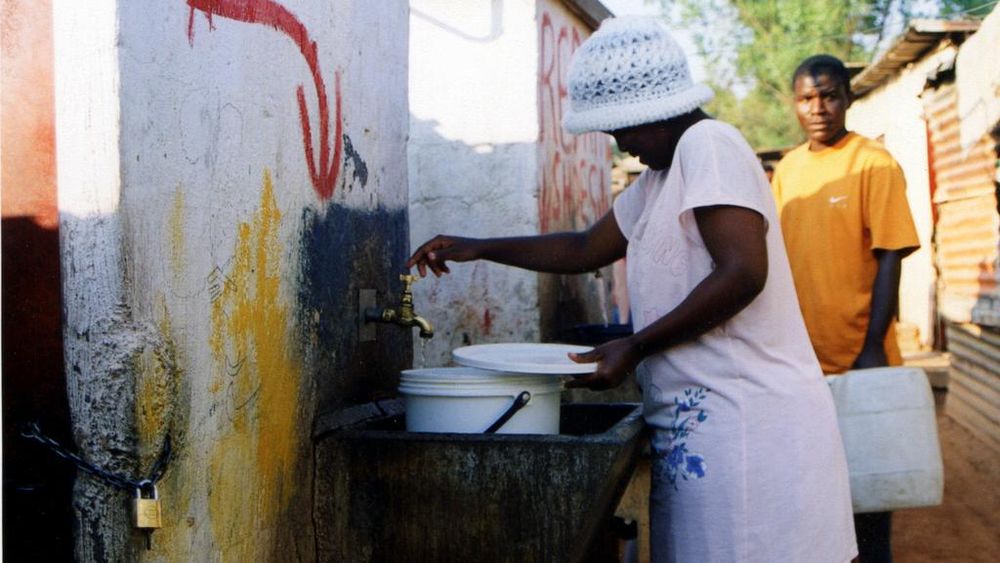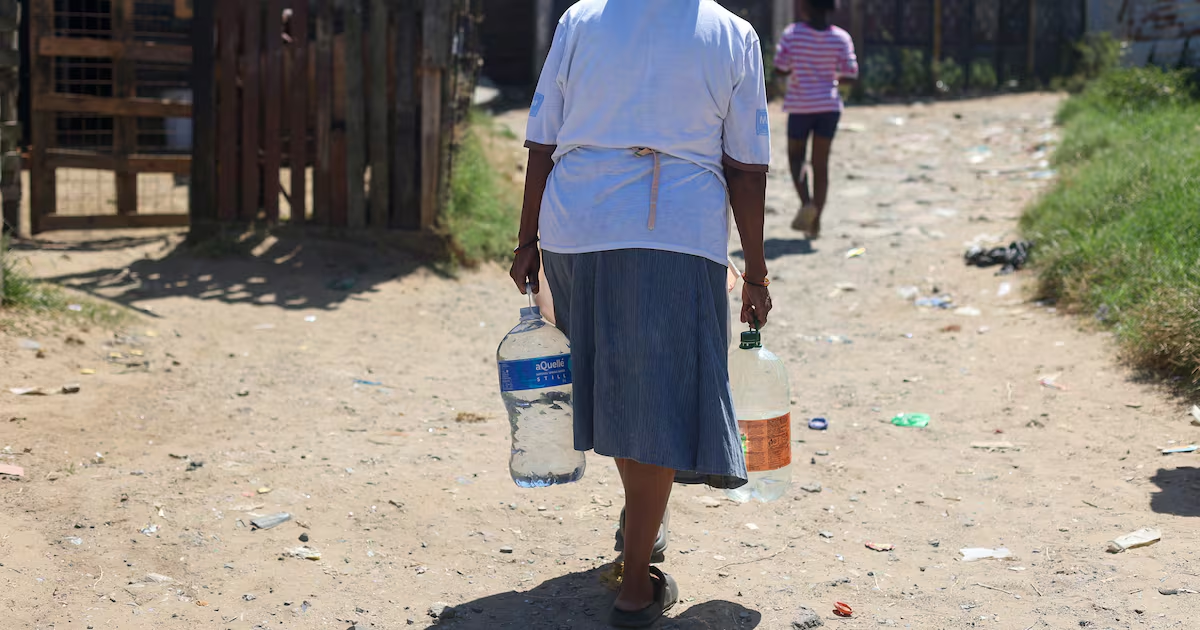
The ratio of households in South Africa with access to piped or tap water in their dwellings has risen only marginally to 87.4% last year from 84.4% when an annual survey was first conducted in 2002.Access to water is likely to be a pivotal issue in local government elections set for November 4 with residents, including those living in metros, angry over repeated outages and leaks partly due to ageing infrastructure that has not been maintained for years.Stats SA’s 2025 general household survey, published on Tuesday, shows that the percentage of households that had access to piped water in the dwelling, the yard or at a communal tap last year is a relatively marginal three percentage point improvement from the first survey two decades ago.“Though, nationally, access to tap water inside dwellings, off-site or on-site improved … between 2002 and 2025, it is notable that access actually declined in four provinces during this period,” Stats SA said. Declines were recorded in Limpopo, Mpumalanga, the Free State and Gauteng.Despite the low increase in the percentage, the survey did show that the number of households with access to piped or tap water from municipalities increased by 72.8% in 2004-25, expanding to 15.9-million from 9.2-million.But there was a rise in the percentage of households that experienced water interruptions lasting for more than two days at a time, or 15 days in total, to 37.6% last year from 24.3% in 2012, statistician-general Risenga Maluleke told journalists at the release of the report.“There are a lot of issues that are at play. The number of households increasing in those provinces also does play a role,” Maluleke said.During a South African Human Rights Commission inquiry into Gauteng’s water crisis earlier this month, community leaders painted a bleak picture of inhumane living conditions caused by persistent water leaks, raw sewage flowing through streets, collapsing infrastructure and what they described as a complete lack of accountability by authorities. They said deteriorating conditions were not only affecting households but were also crippling farming communities and threatening food security.The Stats SA survey finds that confidence in water safety varied considerably across provinces, ranging from 92.3% in Limpopo to 64.7% in the Northern Cape.Nationally, 83.5% of households reported that their drinking water was clear, colourless and free from visible sediment.The report coincides with a forum this week convened by nonprofit group Kagiso Trust, which found that access to water — or lack thereof — in schools can affect education outcomes.“When learners have access to clean water and dignified sanitation facilities, they build confidence, self-respect and a sense of belonging within the school environment,” Limpopo high school learner Kgodiso Masete told the forum.Aluyolo Mbeki from Equal Education told participants that the rights group had found 57% of schools it visited in KwaZulu-Natal had unreliable water supply and 86% lacked hand-washing facilities.The survey serves as a key instrument for tracking the reach, effectiveness and quality of public service delivery, as well as for assessing the performance of government programmes over time. It focuses on the six core policy domains of education, health and social development, housing, households’ access to services and facilities, food security and agriculture.The 2025 report finds that since 2003, the percentage of individuals who benefited from social grants increased to 39.5% from 12.8% while households with at least one individual who received a grant rose to 50.6% from 30.8%, mainly due to the large uptake of Covid-19 social relief of distress grants.While national access to mains electricity increased from 76.7% in 2002 to 90.6% in 2025, almost a quarter used wood, gas, paraffin and other sources of electricity for cooking.About 84% of households had access to improved sanitation in the form of flush toilets and ventilated improved pit toilets, up from 61.7% in 2002.Almost a quarter of households considered their access to food as inadequate or severely inadequate, 4.2 percentage points higher than in 2019 before the outbreak of Covid-19. The need was most pervasive in the Northern Cape, at 43%, and least common in Limpopo at 6.1%.The survey was drawn from 20,095 households interviewed face to face between early January and mid-December 2025.
SA households see little improvement in piped water access over two decades
Report highlights increasing supply interruptions, deteriorating infrastructure
684 words~3 min read