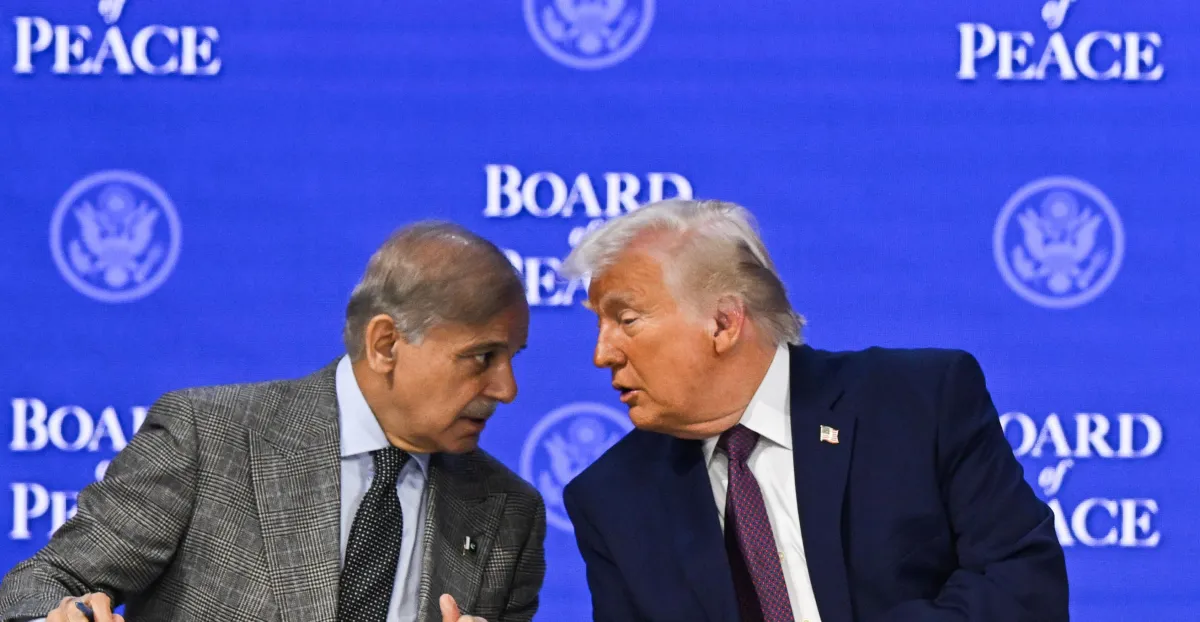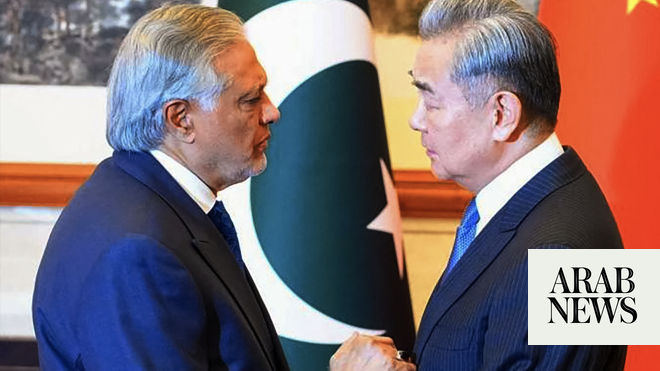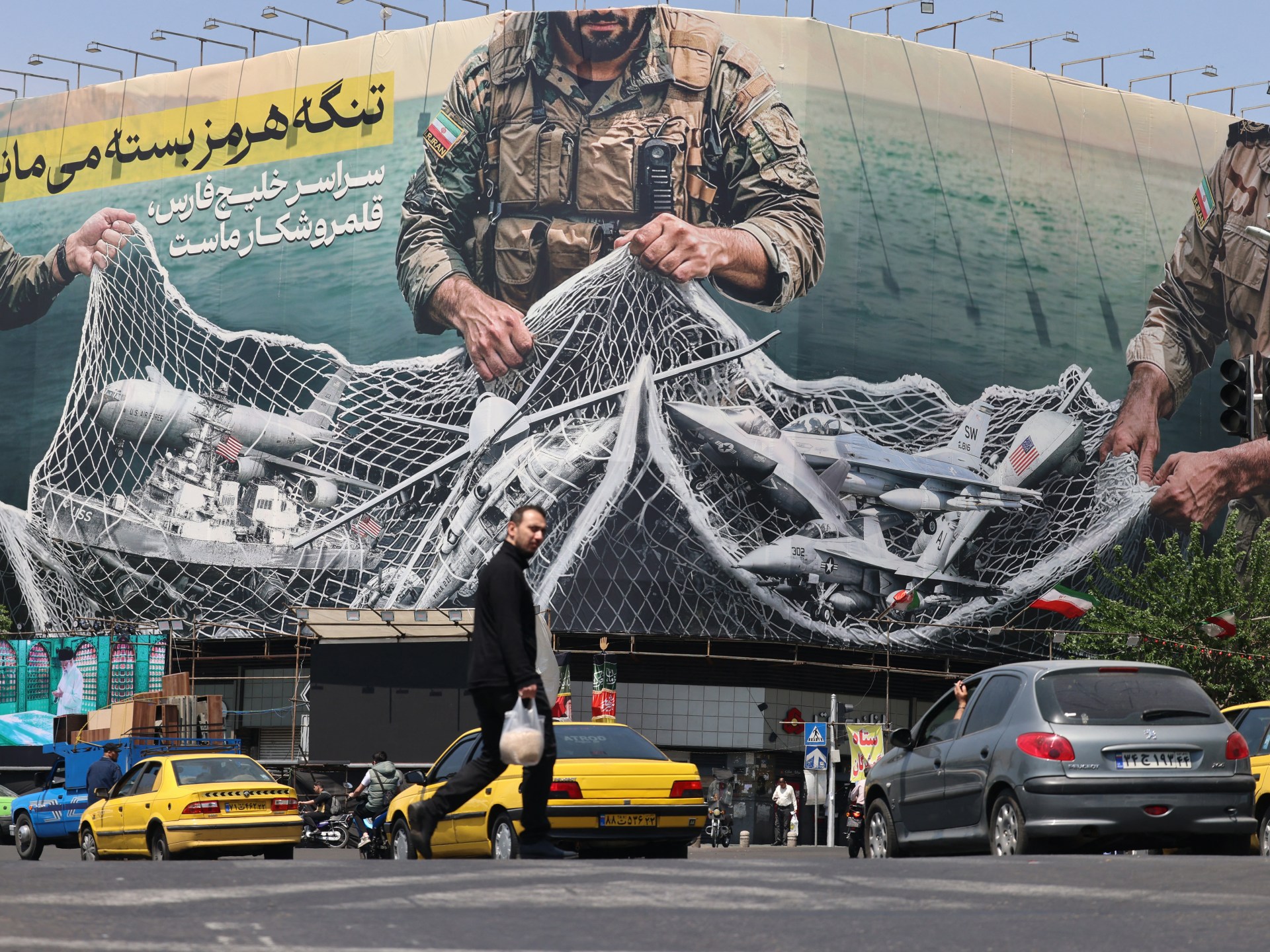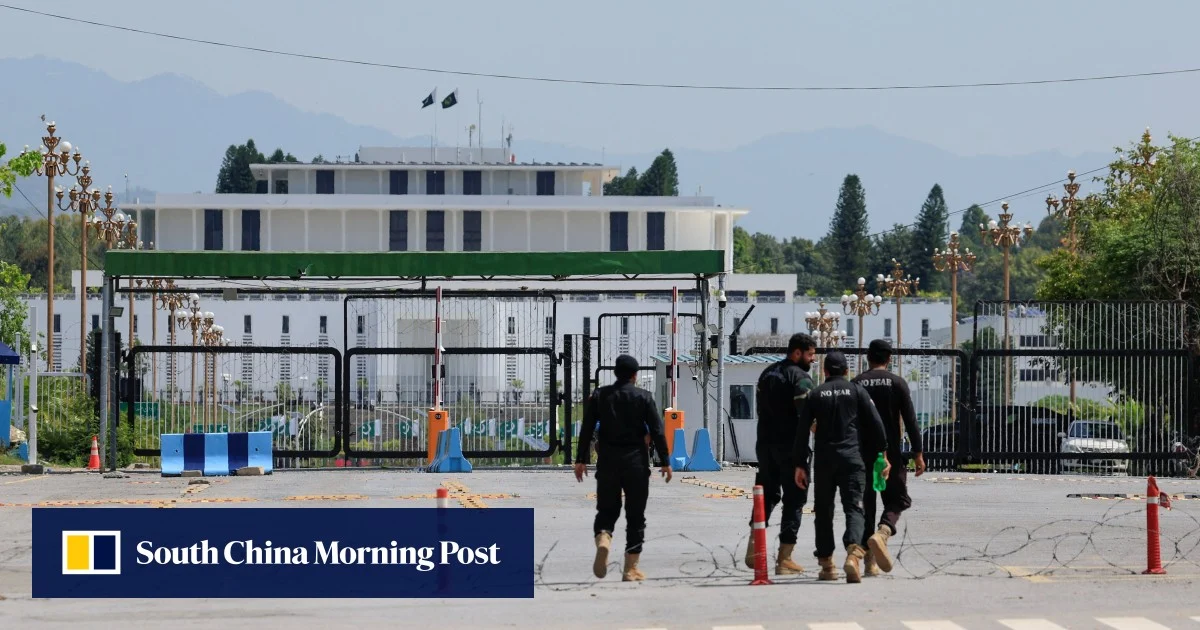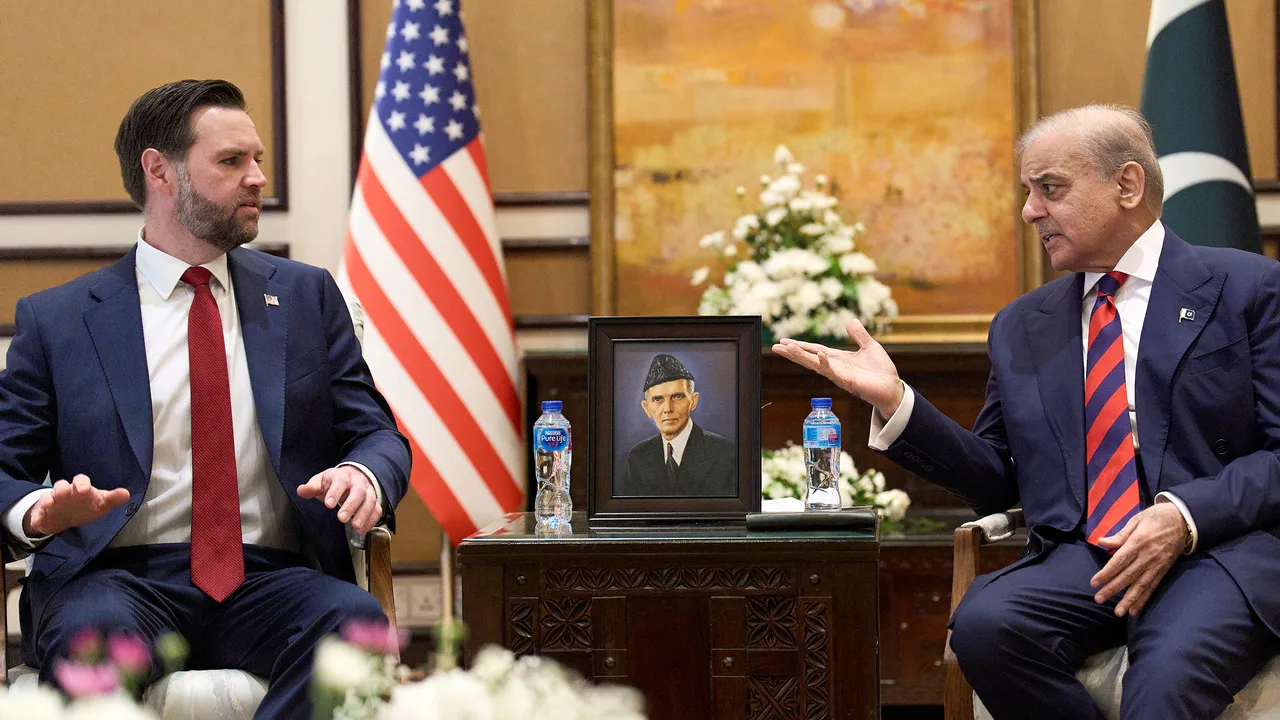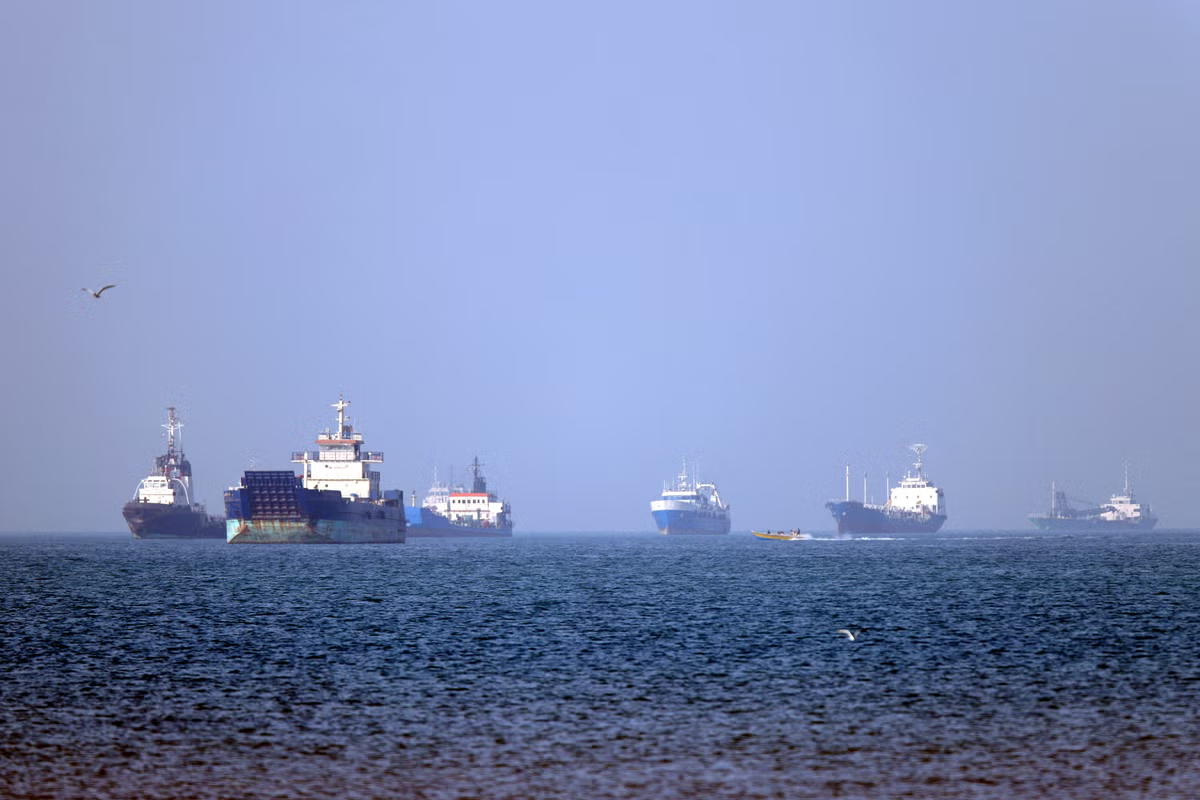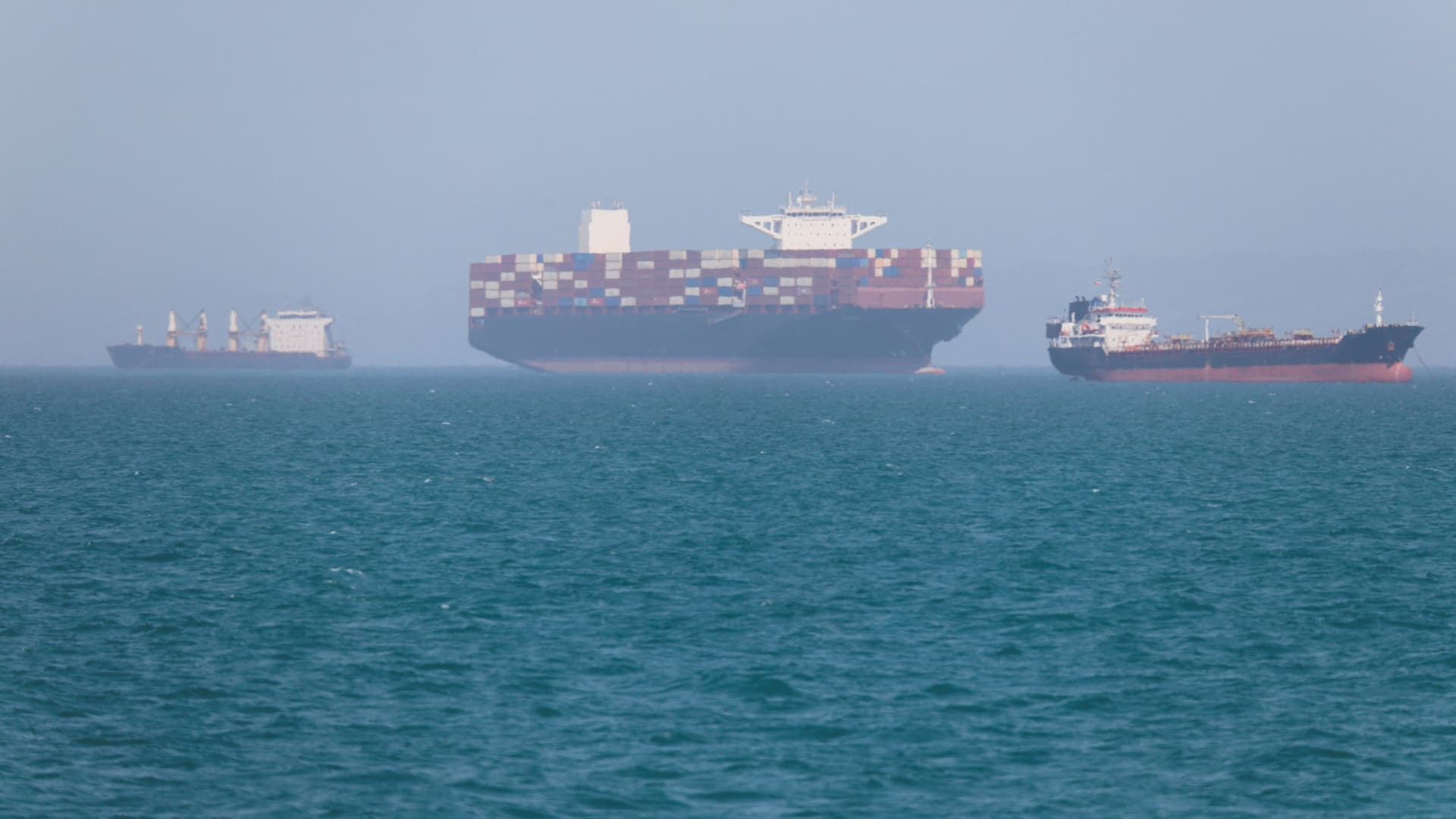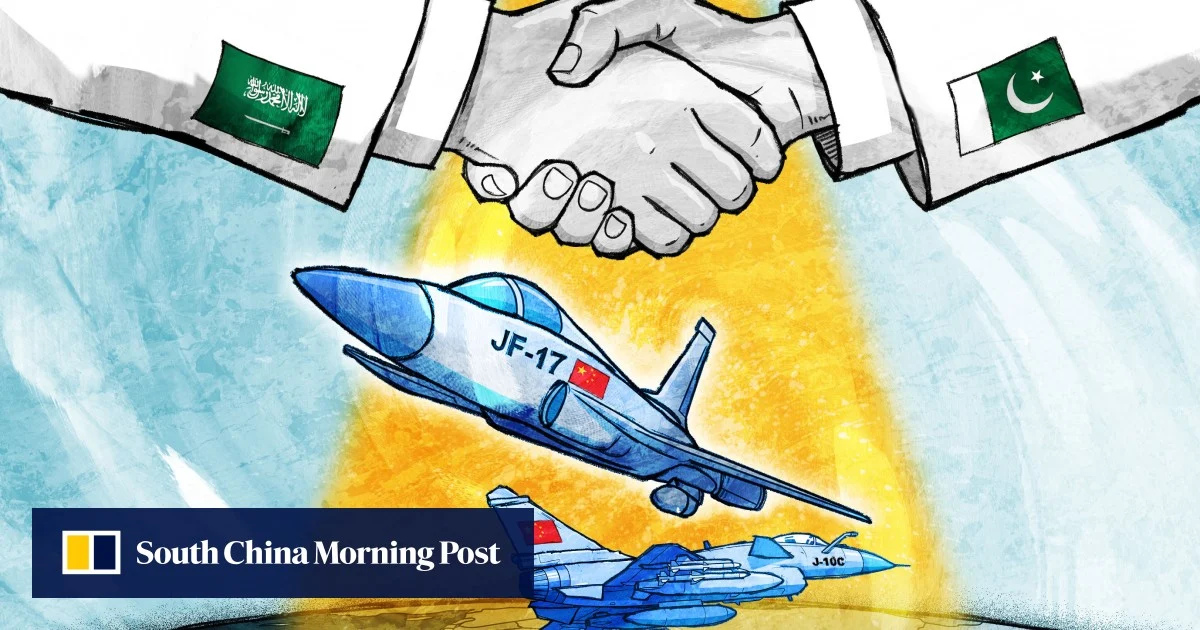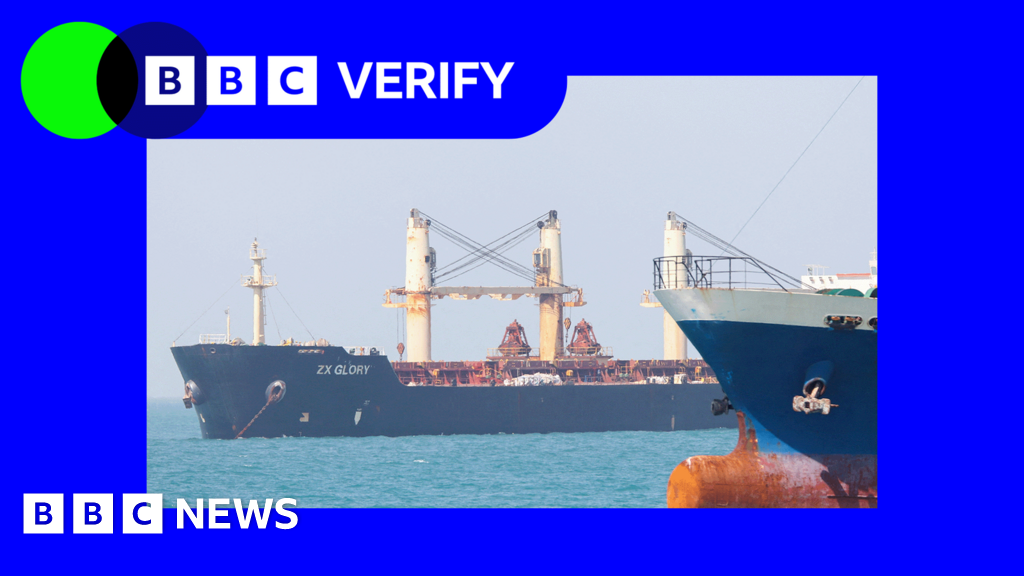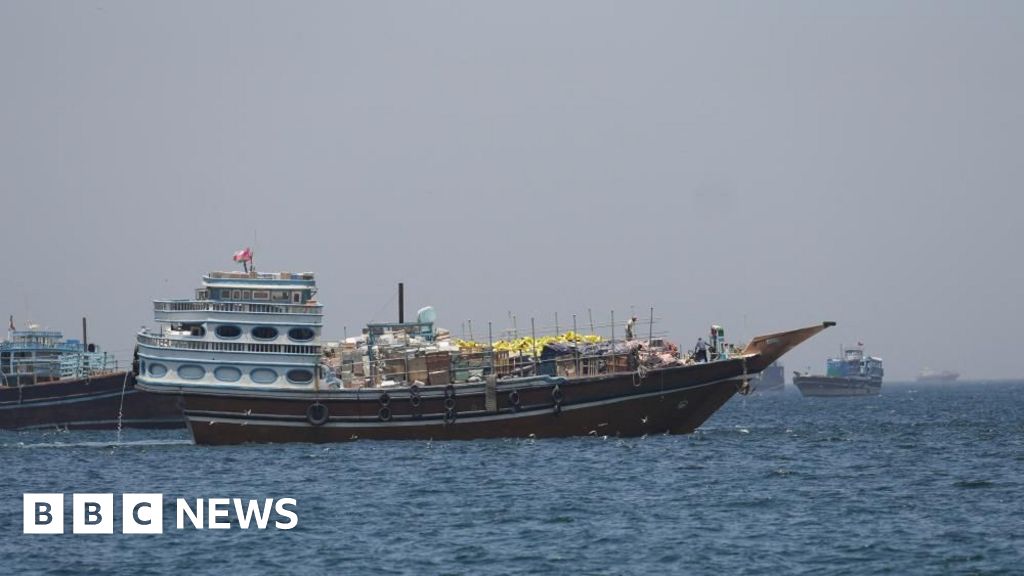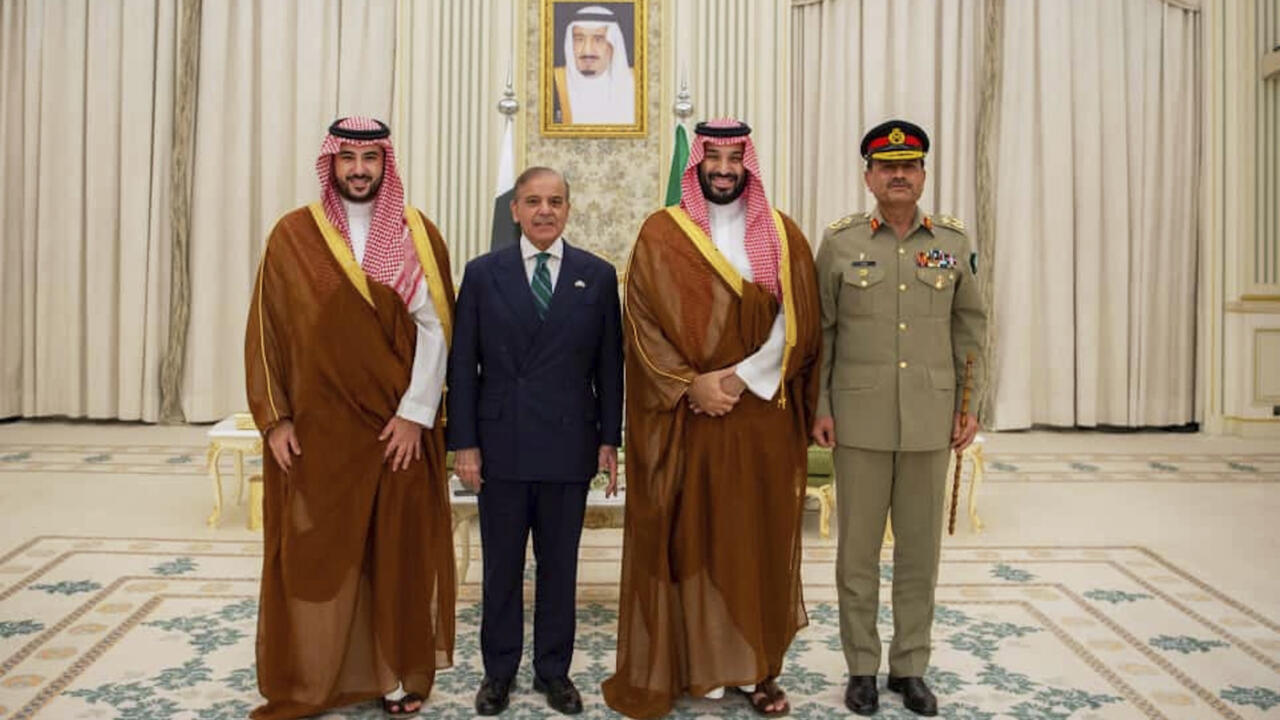
Just hours after US President Donald Trump announced the Monday morning launch of “Project Freedom” that would see the US military guide ships through the Strait of Hormuz, Pakistan’s foreign minister was on the phone to his Iranian counterpart in Tehran. Project Freedom, Trump noted in a social media post, was meant solely for ships “from areas of the World that are not in any way involved with that which is currently taking place in the Middle East”. The new US “humanitarian gesture”, Trump stressed, “is merely meant to free up people, companies, and Countries that have done absolutely nothing wrong”. But not long after Pakistani Foreign Minister Mohammad Ishaq Dar got off the phone with Tehran, Islamabad had some surprising news related to the country at the heart of the current Middle East conflict. In a message posted on X, the Pakistani foreign ministry announced that it had facilitated the transfer of 22 Iranian sailors who were aboard the container ship Tosca, which was seized by the US last month. “Pakistan welcomes such confidence-building measures and will continue to facilitate dialogue and diplomacy,” the statement added. It was yet another diplomatic coup for Islamabad, which has emerged as a key mediator since the US and Israel launched a war on Iran. US audiences familiar with headlines that once called Pakistan “The Ally From Hell” have been waking up to presidential messages thanking Pakistan “and its Great Prime Minister and Field Marshal”, referring to military chief General Asim Munir, now dubbed “Trump's favourite field marshal". Watch moreTrump's favourite field marshal: A profile of Pakistan's Asim Munir While Pakistan’s diplomacy has been making a splash, the Iran war has also put the spotlight on the nuclear-armed South Asian nation’s security orientation in the Gulf region. On April 11, as US Vice President JD Vance was leading negotiations with an Iranian team in an Islamabad hotel, a deployment of Pakistani military aircraft landed at Saudi Arabia’s King Abdulaziz Air Base. The aircraft, which included fighter and support jets, arrived in the oil-rich Gulf nation under the terms of a mutual defence pact, said the Saudi defence ministry. The deployment came months after Saudi Crown Prince Mohammed bin Salman and Pakistani Prime Minister Shehbaz Sharif signed a Strategic Mutual Defence Agreement in Riyadh on September 17, 2025. The signing ceremony came a week after Israel conducted missile strikes targeting Hamas officials in Qatar, a US ally and host to a major US base, underscoring Riyadh’s concerns over Washington’s commitment to Gulf defence and its failure to contain Israel’s actions in the Gulf region. The Iran war has exacerbated those anxieties, increasing Pakistan’s relevance as a Sunni Muslim military power with ties to Shiite Iran, the US and China. It has also turned international attention to Pakistan’s strategic location at the crossroads of Middle Eastern, Central and South Asian trade routes, and whether it could have implications for regional security. Building bridges after border clashes With the US and Iran competing to block the vital Strait of Hormuz and win a war of words on social media, Pakistan’s role in securing an albeit tenuous ceasefire last month has been one of the few issues both sides can agree on. Trump’s “Project Freedom is Project Deadlock”, scoffed Iranian Foreign Minister Abbas Araghchi at the end of a day that saw an oil port in the United Arab Emirates (UAE) set ablaze by Iranian missiles while hundreds of commercial vessels remained stuck in the Strait of Hormuz. “As talks are making progress with Pakistan's gracious effort, the U.S. should be wary of being dragged back into a quagmire by ill-wishers,” Araghchi warned. Even as the war drags on in its third month, Pakistan’s ability to balance its relations with Washington and Tehran has earned it respect in policy circles. “Critics of Pakistan had claimed that Islamabad really was not doing much and that it was essentially an errand person, so to speak, that it was just passing messages and nothing more,” said Michael Kugelman, senior fellow at the Washington DC-based Atlantic Council. “But I think we've seen that over the last few weeks, Pakistan has emerged as a critical player in the diplomatic aspects of this crisis, and not just in terms of diplomacy, but also geopolitics.” Meanwhile on Tuesday morning, Iranian state media IRNA reported that 15 of its 22 sailors in Pakistan had crossed into Iran through the Rimdan border terminal in Sistan and Baluchestan.
Can Pakistan play brother-in-arms role as Gulf states eye security shifts?
With its strategic location at the crossroads of Middle Eastern, Central and South Asian trade routes, its arsenal of combat-tested Chinese weapons and an army chief playing a high-wire diplomatic act,…
1,989 words~9 min read