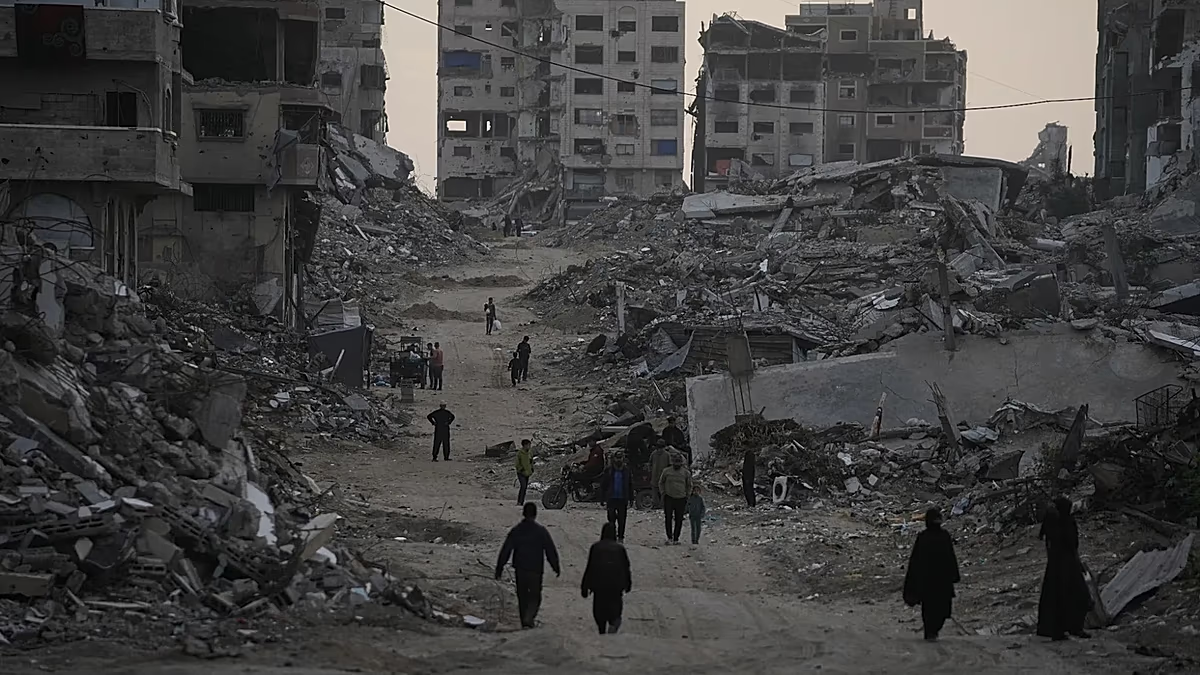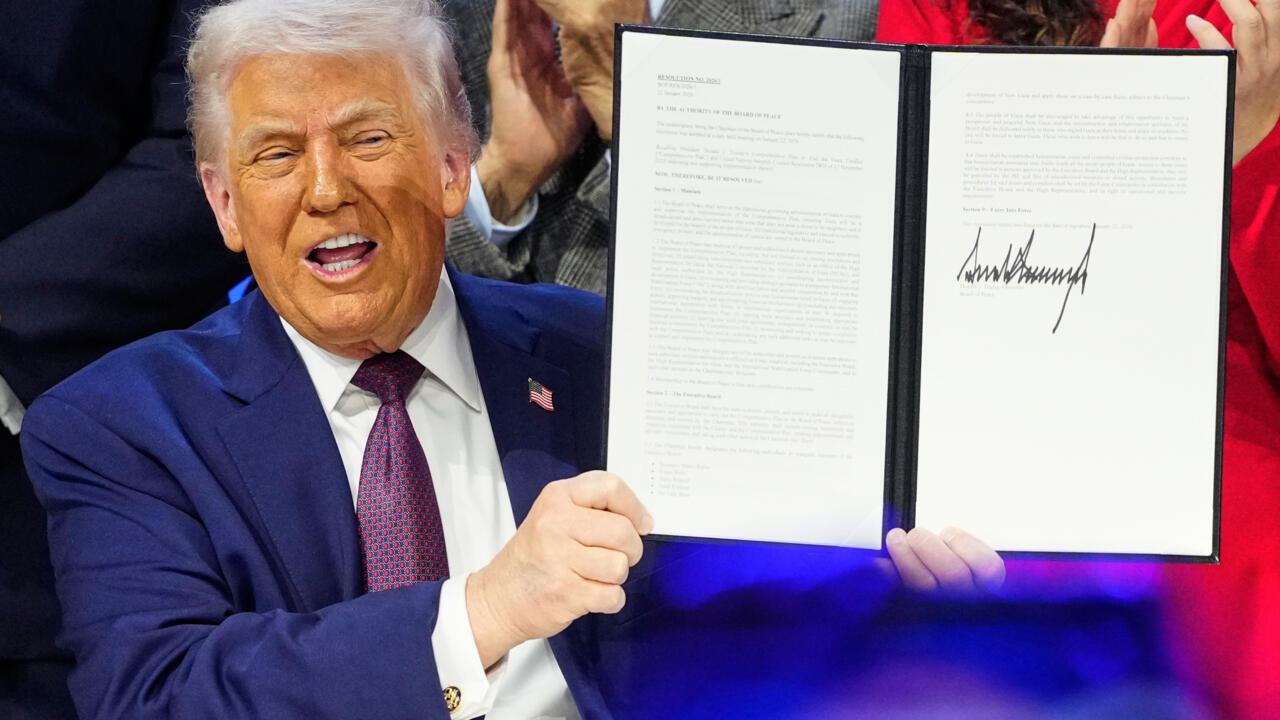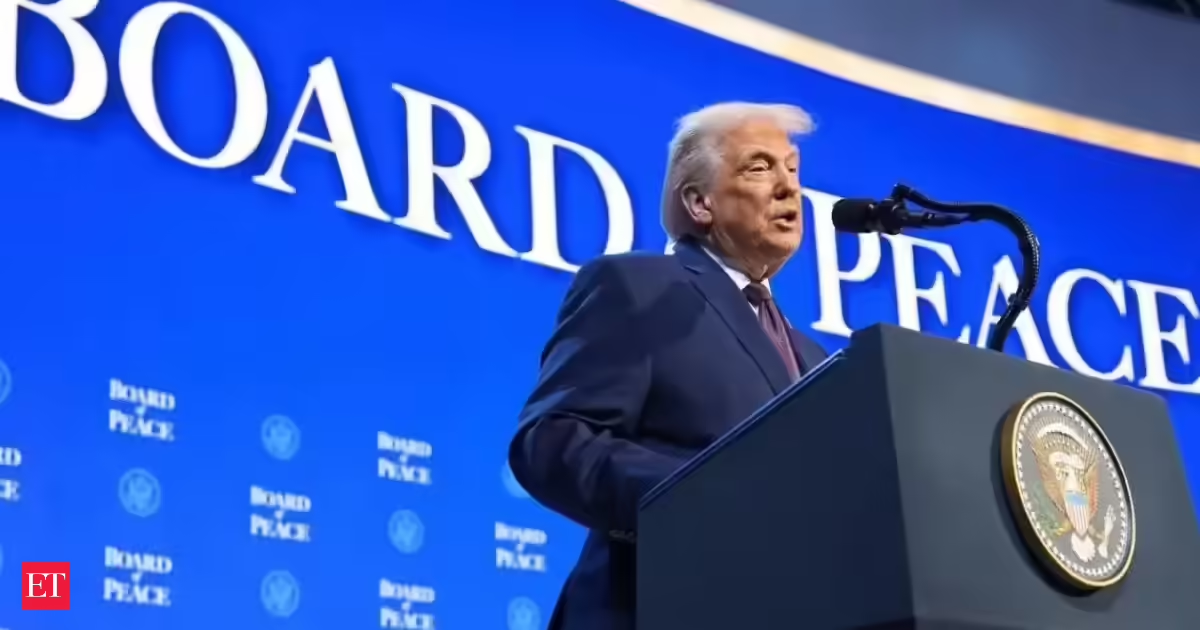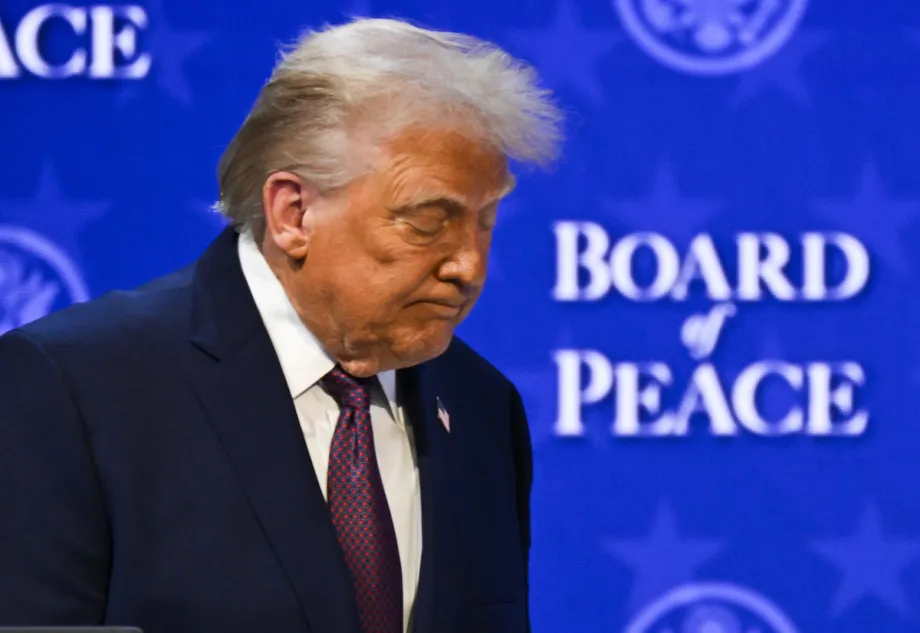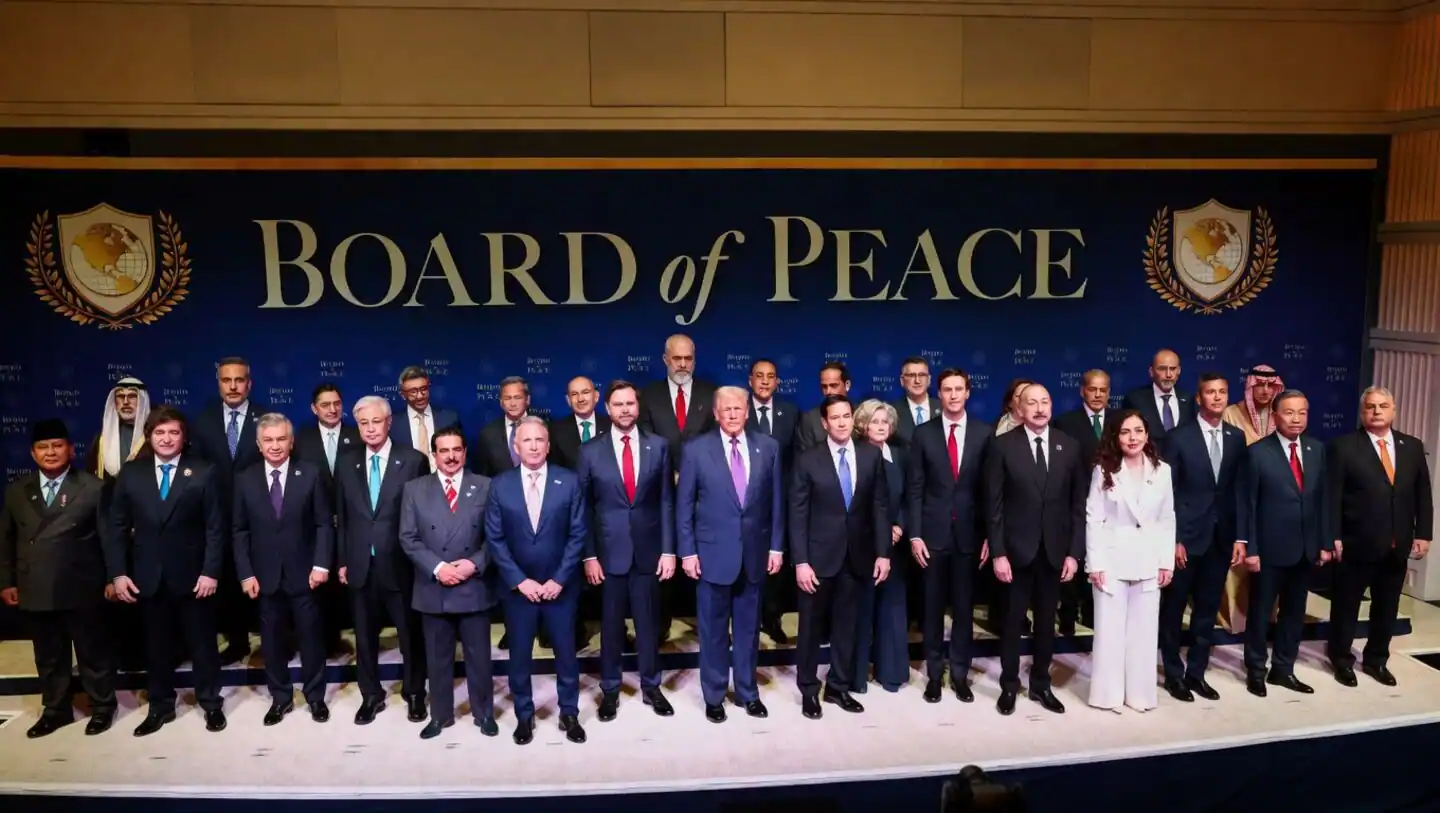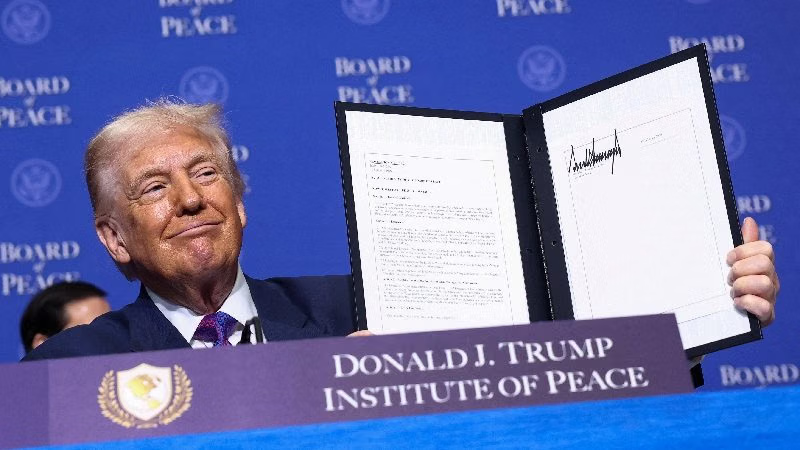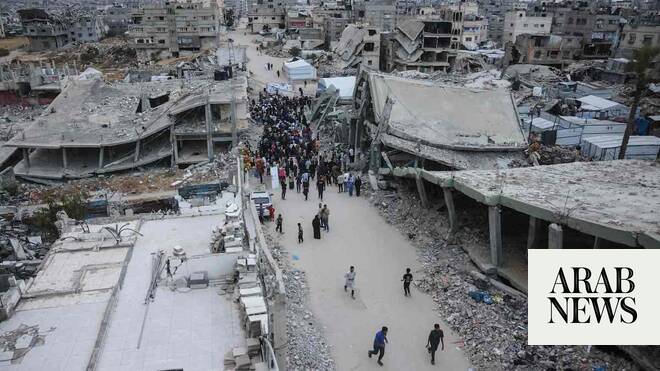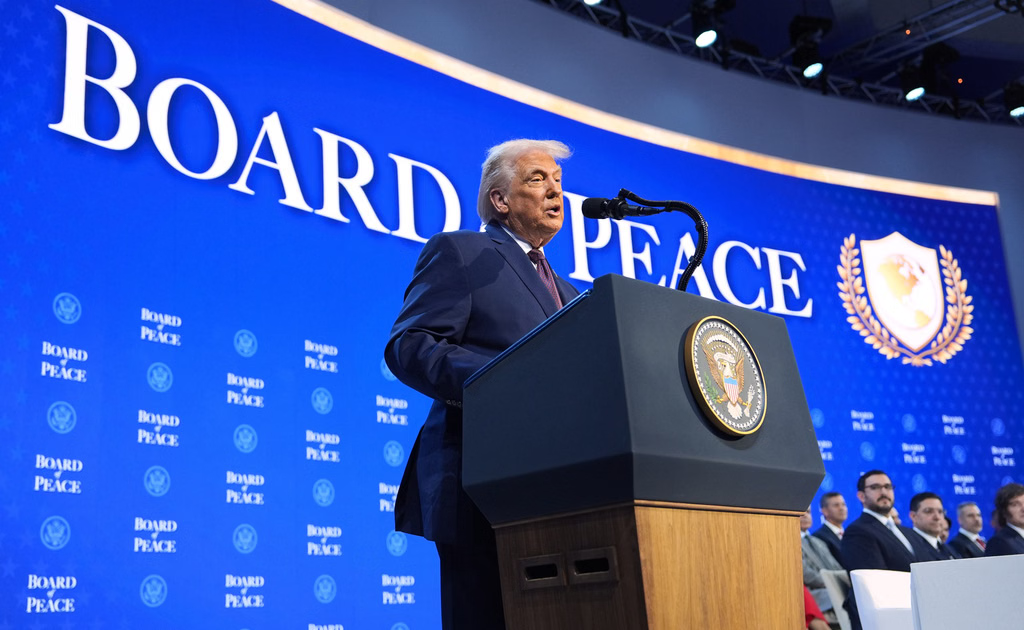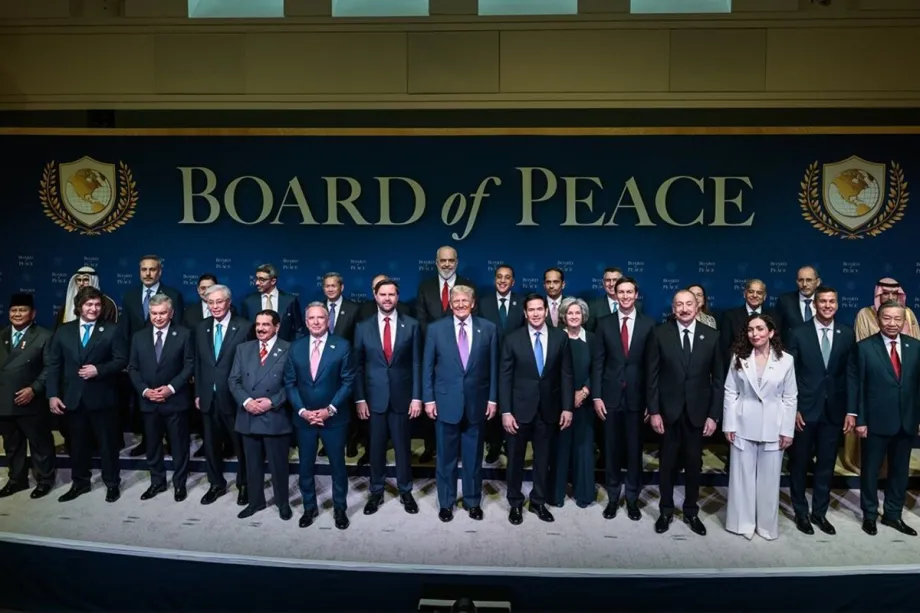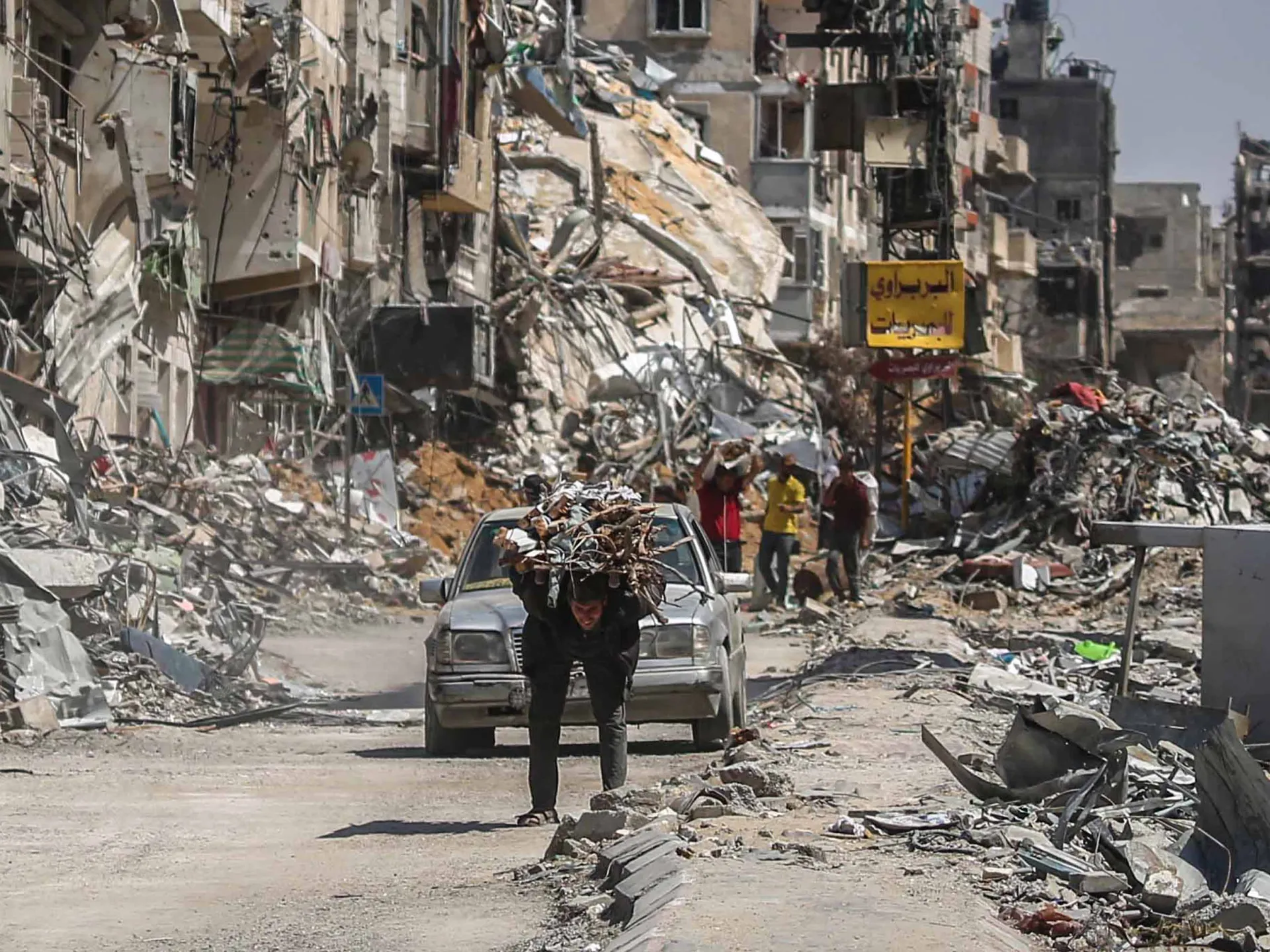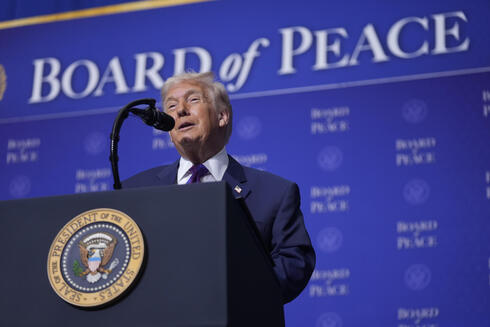
Legal uncertainty, frozen funds and no contracts awarded have delayed Gaza projects, while US officials say safeguards must be in place before the board can receive American moneyynet|The official fund for U.S. President Donald Trump’s Board of Peace for Gaza is empty, and the organization is stuck in legal and political limbo that has delayed planned reconstruction projects, the Financial Times reported on Wednesday.Trump described the panel as one of the “most consequential” international organizations created. Member states pledged $7 billion for its Gaza relief package, and Trump promised another $10 billion in U.S. funding. But four months after its establishment, the World Bank fund set up for the board has received no donor money, the report said, citing four people familiar with the matter.2 View gallery (Photo: AP Photo/Mark Schiefelbein)“Zero dollars have been deposited,” one person told the Financial Times.Instead of using the World Bank-administered fund, which was endorsed by the United Nations, the board has received donations directly through a JPMorgan account, according to the board’s spokesperson and another person familiar with the arrangement. Unlike the World Bank mechanism, the JPMorgan account has no independent transparency requirements.A Board of Peace official told the Financial Times that “a number of options were established to receive funding,” including the World Bank mechanism, and that “at this point, contributors have opted to use other options.”The official said the board would report its finances to its executive board, made up of Trump administration officials and other advisers, “at a time deemed appropriate.”The report said Morocco contributed about $20 million, helping fund the office of Nickolay Mladenov, the board’s high representative for postwar Gaza, and salaries for the Palestinian technocratic committee the board formed to govern the enclave.The United Arab Emirates recently provided $100 million to train a new police force for Gaza, but the program has not begun and the funds remain frozen, according to two people familiar with the matter.The U.S. State Department intends to reallocate about $1.2 billion in aid spending for projects related to the board’s agenda, but those funds would not go directly to the board and have not yet been spent. A senior congressional aide told the Financial Times that none of the money has gone to the board or is being managed by it.The State Department also wants to provide about $50 million directly to the board to fund operations, but that money has not yet been distributed. Officials have assured Congress that the board will not be allowed to use the funds until financial controls and other systems required to receive U.S. money are in place.U.S. lawmakers have pressed the Trump administration for more information about the board, its operations and its legal status. Some have questioned whether it meets the legal threshold to qualify in the United States as an international organization eligible to receive U.S. funding.Democratic Sen. Brian Schatz said U.S. Secretary of State Marco Rubio described the board as having legal jurisdiction similar to a UN agency and called it “a creature of the UN to contemplate reconstruction and humanitarian efforts in Gaza.”Trump, by contrast, has spoken about the board as “sort of a king’s court,” Schatz said. “So I just don’t know which one it is. It is not obvious to me at all.”Legal questions have also emerged over the board’s planned role inside Gaza. A UN Security Council resolution described the board as a “transitional administration” until the Palestinian Authority returns to control of the territory.“What happens when this expires?” one person involved in postwar planning told the Financial Times.A potential contractor considering work in Gaza said companies face major risks because basic questions remain unresolved. “Who is responsible for Gaza? What law is applicable in Gaza?” the person said.The board has begun tendering for security and reconstruction work in Gaza, but no contracts have been awarded, its spokesperson said. “A lot of it is because we’re not operating in Gaza yet” because Hamas has not disarmed, the spokesperson said.The spokesperson said there is no authority on the ground “to handle the flow of services and goods that are imagined as part of the plan.”“We’re not, like, hoarding money in a bank account and then awarding contracts for things that can’t be delivered,” the spokesperson said.Trump launched the board in January as part of a multiphase plan after a U.S.-brokered ceasefire ended two years of war between Israel and Hamas. The plan called for Hamas to disarm, Israeli forces to withdraw and Gaza to be rebuilt. The Financial Times said no progress has been made on those three central objectives.A recent survey by the European Union, the United Nations and the World Bank estimated that rebuilding Gaza over the next decade would cost more than $70 billion.Bishara Bahbah, a Palestinian American businessman who helped negotiate with Hamas on behalf of the Trump administration, said the Palestinian committee has not begun work inside Gaza because it lacks funding.“They know that if they go to Gaza, people are going to flood to them to ask for assistance, and they have no tools, no means,” Bahbah said. “It’s really dismal.”
Report: Trump’s Gaza Board of Peace has no official funds as rebuilding plans stall
Legal uncertainty, frozen funds and no contracts awarded have delayed Gaza projects, while US officials say safeguards must be in place before the board can receive American money
847 words~4 min read